



DIY Knitting and Crochet Ideas

- Creative Patterns for Beginners
- Essential Tools and Materials
- Fun Projects for Every Season
- Tips for Customizing Your Work
- Joining the Knitting and Crochet Community
When beginning your journey into the world of knitting and crochet, immersing yourself in creative patterns that cater to your skill level is essential. For beginners, choosing simple yet visually appealing designs will help you build confidence while honing your skills. Think of beginner patterns as stepping stones that lead to more complex creations; each stitch and row you master brings you closer to your ultimate crafting goals.
Start with the classic garter stitch, a perfect introduction to knitting. This stitch utilizes a basic back-and-forth technique to create a lovely textured fabric without complicating matters with varying stitch types. You can create a simple scarf or a cozy dishcloth using this pattern. The repetitive nature of the garter stitch not only enhances your control over the yarn but also allows you to enjoy the soothing rhythm of your work. Opt for soft, brightly colored yarns to enliven your project, making the process even more engaging. A comforting analogy here is that this stitch is like a warm hug—simple but profoundly satisfying.
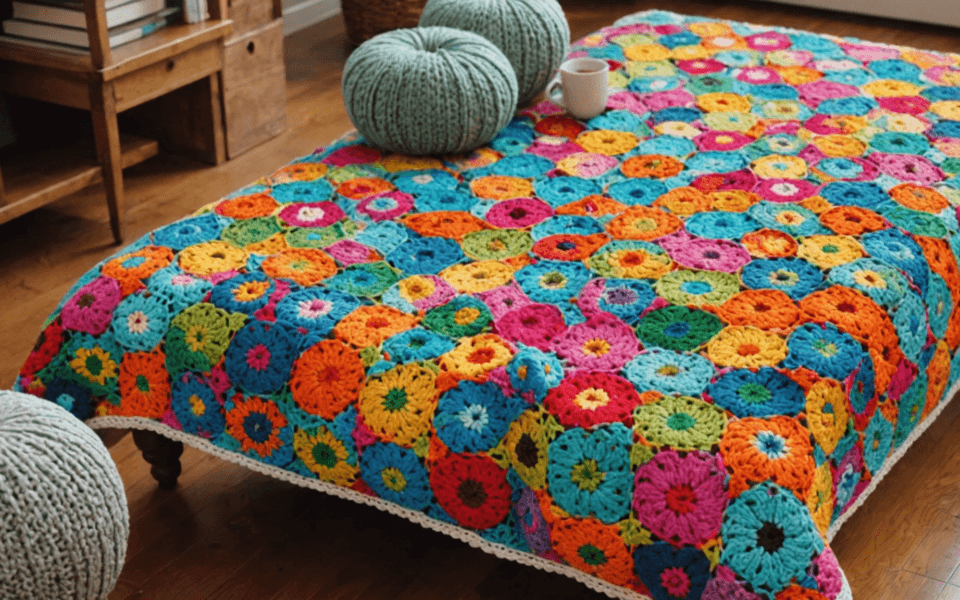
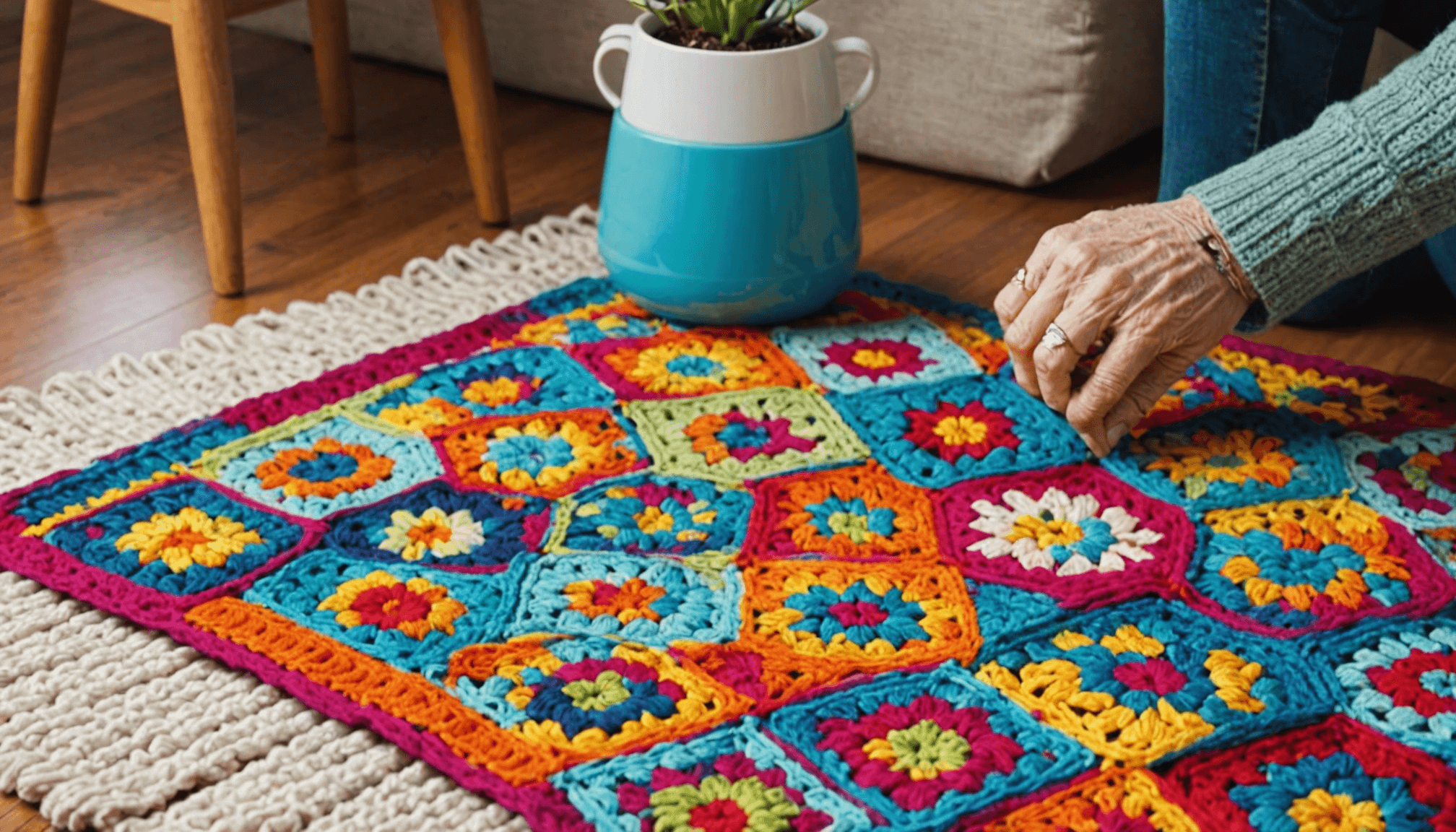
Crochet, on the other hand, offers an array of delightful motifs to explore. One of the most accessible is the granny square. This iconic design can be as varied as your imagination allows. You can use multiple colors to craft vibrant squares, which can later be joined together to form blankets, bags, or even decorative coasters. The beauty of granny squares lies in their versatility and the instant gratification they provide as you finish each piece. Pair this with a lovely cotton yarn to give your project a delightful texture, perfect for practically any decor or personal accessory.
As you advance, experiment with basic stitches like the double crochet or half double crochet to add variety to your collection. Consider creating a simple throw pillow cover, which can transform your living space while showcasing your growing skills. Pair your chosen pattern with a fun, funky yarn that reflects your personality, whether it be a bright multicolor or a subtle variegated design.
Engaging with these beginner patterns doesn’t just help you develop your techniques; it also serves as a canvas for your creativity. Personal embellishments can turn a simple project into an expression of your style. For example, add a playful border of scalloped edges to a scarf or incorporate a simple picot edge for an artisanal touch. This is your opportunity to let your unique artistic voice shine through.
The excitement of creating something from scratch is infectious, and sharing your journey can foster connections with fellow crafters. Document your progress and share photos of your completed projects with friends or on social media. This not only encourages you but also invites others into your crafting world, opening doors to new inspirations and ideas. As you journey through these beginner patterns, remember that each project is a step toward greater skill and creativity, paving the way for a fulfilling experience in the realm of knitting and crochet.
Essential Tools and Materials
Gathering the right tools and materials is crucial to your success and enjoyment in knitting and crochet. Whether you’re starting with yarn and needles or expanding your collection, understanding what you need can greatly simplify your crafting journey. Quality materials not only enhance the final outcome of your projects but also influence your comfort and satisfaction while working.
For knitting, essential tools include various sizes of straight needles or circular needles, depending on your chosen projects. Beginners often find bamboo or lightweight aluminum needles easier to handle. Additionally, investing in a set of stitch markers can help you keep track of your work, particularly for patterns with multiple stitch counts or intricate designs. A measuring tape is vital for ensuring your pieces are the correct dimensions, especially for garments. Lastly, a yarn gauge is helpful for checking the tension so that your stitches remain consistent across your project.
When it comes to crochet, the primary tool is, of course, your crochet hook. These come in various materials, including metal, wood, and plastic, and selecting the right size is essential to achieving the desired fabric density. A comfortable grip is particularly important, especially if you intend to spend long hours crocheting. Similar to knitting, stitch markers are also invaluable in crochet, allowing you to mark the beginning of a round or intricate pattern changes easily.
Yarn is the heart of your knitting and crochet work. Familiarize yourself with the different types of yarn, such as wool, cotton, and acrylic. Each type has its unique properties suitable for different projects—from warm items like sweaters with wool to lightweight summer accessories with cotton. Pay attention to the yarn weight, which will help you choose compatible patterns and tools, and consider the texture and color that reflect your personal style.
Beyond yarn and tools, additional materials such as scissors, yarn needles for weaving in ends, and a project bag for organization can enhance your crafting experience. Having everything at hand allows for a smoother workflow and helps prevent project stagnation due to misplaced supplies.
- Invest in a variety of needle sizes to accommodate different yarn weights and patterns.
- Choose yarn based on the project’s purpose—consider warmth, breathability, and texture.
- Keep stitch markers and measuring tools handy to enhance precision and efficiency.
- Experiment with different hook materials to find the most comfortable grip for long crafting sessions.
- Organize your supplies in a dedicated project bag to keep everything accessible and neat.
Fun Projects for Every Season
 Seasonal projects offer fun and a sense of accomplishment, but they also come with common pitfalls that crafters should be aware of. One frequent mistake is failing to plan adequately for the seasons, leading to unfinished projects or rushed work as the deadline approaches. To avoid this, start your projects well in advance, giving yourself ample time to complete them. Set a timeline for each project, taking into account not just the estimated yarn time but also the drying time for anything that requires blocking or finishing touches.
Another common error is selecting inappropriate yarn for the season. For winter projects, many crafters are tempted to use heavier yarns that can be more challenging to work with, especially for beginners. Instead, explore yarns that offer both warmth and ease, such as wool blends that are soft and inviting. For summer projects, avoid heavy yarn that can lead to discomfort while working in warmer conditions. Lightweight cotton or bamboo yarns are excellent choices that keep your hands cool while you work.
Misjudging the complexity of a pattern is another area where crafters can stumble. Often, aspiring knitters or crocheters may choose ambitious projects that stretch beyond their current skill levels. To prevent frustration, choose patterns that match your abilities while gradually challenging yourself. If a project seems too complex, break it down into manageable sections or look for simpler variations of the design.
Also, when engaging in seasonal decorating or gift-making, many forget to account for assembly or finishing details, such as weaving in ends or adding embellishments like buttons or tassels. Take the time to finish your projects properly for a polished look. Developing a habit of completing each step will not only improve the quality of your work but also build your confidence.
Color choices can also pose challenges; using colors that clash or don’t match your intended aesthetic can lead to disappointment. A helpful tip is to create a color palette, selecting complementary shades that resonate with your seasonal theme. There are many resources online for selecting color combinations that can inspire your creativity and guide your choices.
Finally, staying organized throughout your crafting can make a significant difference. It’s common to misplace tools or yarn, especially when juggling multiple projects at once. Maintaining a tidy workspace and having a dedicated project bag helps keep everything in one place, saving valuable time and energy. By being aware of these common mistakes and taking proactive steps to avoid them, you can make your seasonal crafting not only more enjoyable but also more successful. Embrace each mistake as an opportunity to learn and grow within your knitting or crochet journey.
Tips for Customizing Your Work
Personalizing your knitting and crochet projects can transform them into unique expressions of your style. One way to customize is through color choice. Whether you prefer a monochromatic scheme or a riot of contrasting shades, colors can significantly impact the mood and overall aesthetic of your piece. Experiment with different color combinations to find what resonates with you. If you’re unsure, consider using a color wheel as a guide to discover harmonious pairings that bring vibrancy to your creations.
Incorporating texture can also enhance your work. Explore various stitch patterns beyond the standard knit or single crochet. Adding ribbing, cables, or new crochet stitches like the bobble stitch can create depth and interest. You can even combine stitches to form unique panels or motifs, giving your piece an intriguing tapestry of texture.
Another avenue for customization is embellishments. Think about adding buttons, appliqués, or pom-poms, which can bring a playful touch to your work. For instance, embellishing a simple scarf with crochet flowers or buttons can elevate it from ordinary to extraordinary. Be sure to select embellishments that complement the overall theme of your project—this will ensure a cohesive look.
Furthermore, don’t be afraid to modify patterns. Feel free to change the dimensions of a project to suit your needs, or tweak the design elements that don’t resonate with you. This could be as simple as adjusting the length of a sweater or adding a personal stash of favorite motifs to a blanket. Remember, there are no hard and fast rules in knitting and crochet; creativity thrives in experimentation!
Additionally, consider incorporating meaningful elements into your work. If you have leftover yarn from a significant project, integrate it into a new piece as a sentimental nod. This practice not only showcases your journey as a crafter but also layers your creations with stories.
Finally, seek inspiration everywhere. Engage with online communities, visit handmade craft shops, or attend local workshops. Sharing ideas with others can spark creativity and lead to new techniques or styles that you may not have considered before. Making connections with fellow crafters not only enriches your learning experience but can also motivate you to push the boundaries of your creativity.
Embrace the personal touch that customization brings to your knitting and crochet. Remember that each stitch is a chance to express yourself, so let your imagination run wild and dive into this journey of self-expression through your handmade crafts!
Joining the Knitting and Crochet Community
- How can I find a local knitting or crochet group?
- Many local yarn stores host knitting and crochet groups, which can be a great way to meet fellow crafters. Additionally, platforms like Meetup or even social media groups can help connect you with nearby enthusiasts who share your interest.
- Is it okay to join online communities if I’m just a beginner?
- Absolutely! Online communities welcome crafters of all skill levels. Joining forums, Facebook groups, or crafting websites can provide you with tons of support, inspiration, and helpful advice from more experienced members.
- What should I expect in a knitting or crochet meetup?
- Meetups typically involve working on projects, sharing tips, and socializing with fellow crafters. They might include workshops, discussions about techniques, and even show-and-tell sessions to showcase completed works.
- Can I share my projects in these communities?
- Yes! Sharing your projects is encouraged and often celebrated in knitting and crochet communities. It’s a great way to receive feedback, motivate others, and inspire fellow crafters with your handiwork.
- Are there online resources for learning new techniques?
- Definitely! Websites like YouTube, Ravelry, and Craftsy offer tutorials and patterns for all skill levels. Additionally, many bloggers and Instagram accounts focus on knitting and crochet techniques, providing insights and tips to improve your skills.
- How do I handle criticism regarding my handmade crafts?
- Constructive criticism can be a valuable tool for growth, so approach it with an open mind. Remember, everyone was a beginner at some point, and focusing on the positive feedback can help you continue to improve.
- What if I feel intimidated by more experienced crafters?
- It’s entirely normal to feel a bit intimidated, but remember that everyone has their own journey. Engage in conversations, ask questions, and remember that experienced crafters often enjoy sharing their knowledge and helping others learn.
