




Crafts with Fabric and Yarn

- Exploring Fabric Types
- Essential Yarn Techniques
- Fun Fabric Craft Ideas
- Creative Yarn Projects
- Tips for Combining Fabric and Yarn
When embarking on fabric crafts, knowing the various types of fabric at your disposal can significantly enhance your projects. Each fabric carries its own unique qualities, characteristics, and uses, making certain materials more suitable for specific projects while inspiring creativity through their textures and drapes. Exploring these options can lead to exciting discoveries and allow you to push the boundaries of your textile art.
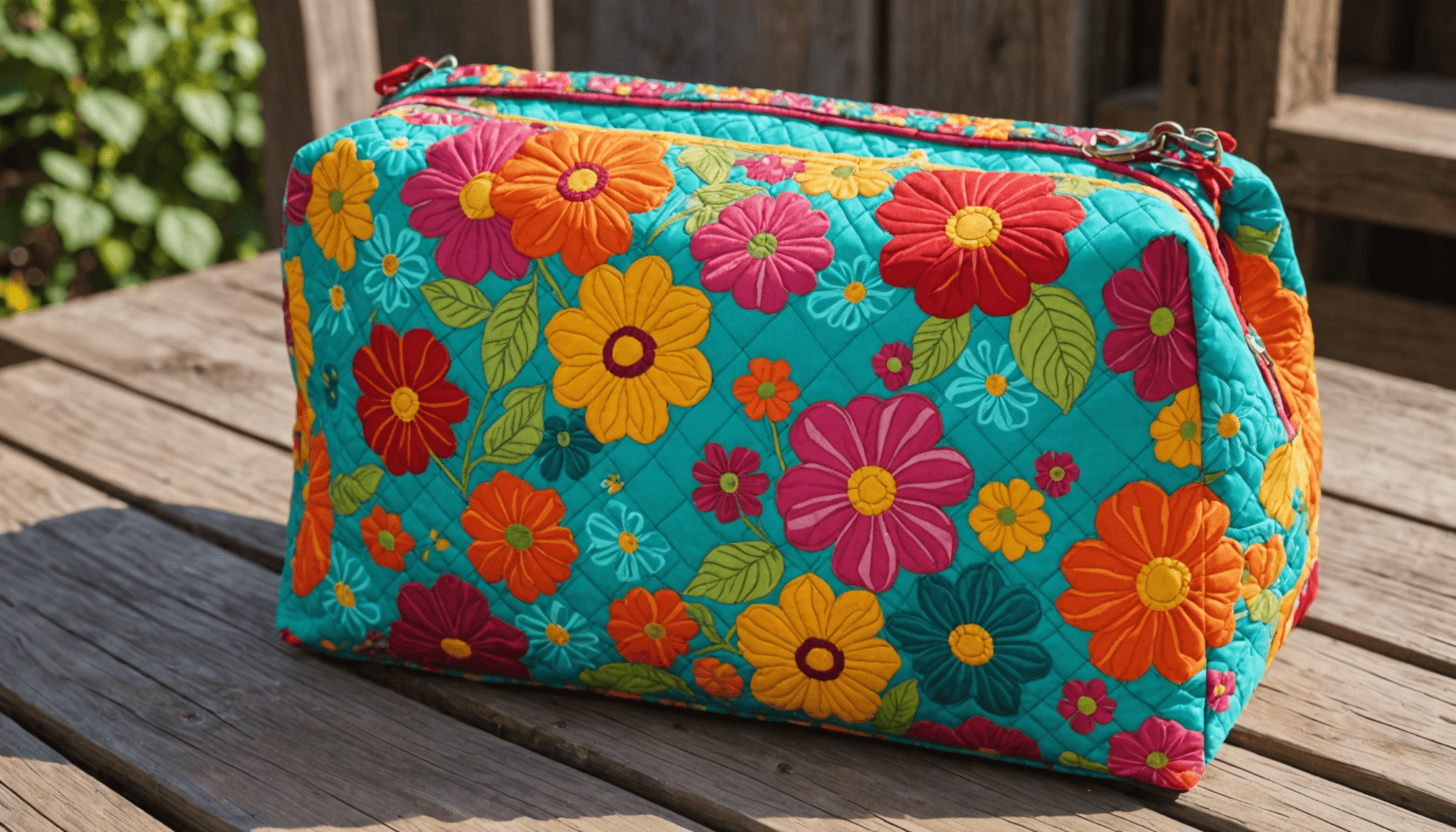
Cotton is one of the cornerstones of fabric crafting, beloved for its versatility and ease of use. It comes in many forms, from crisp quilting cotton to soft jersey knit. Quilting cotton is perfect for bags, home décor items, and patchwork, while jersey stretches comfortably, making it ideal for clothing and accessories. Experiment with different weights and patterns, mixing solids with striking prints to create stunning contrasts. Imagine a bright floral cotton lining peeking out from a deep-colored bag, giving a delightful surprise to anyone who opens it.
Next, consider linen, which boasts a natural, textured appearance and breathable qualities. It’s often used in table linens or summer clothing, where casual elegance is desired. The rustic feel of linen can beautifully complement hand-stitched embroidery designs, enhancing the overall aesthetic of your textile art. If you’re working on a piece that incorporates delicate detail, a lightweight linen will make your stitches stand out, inviting viewers to appreciate the craftsmanship involved.
Silk, with its luxurious sheen and smooth texture, adds an element of sophistication to any project. While it may require more care than cotton or linen, a silk scarf or pillow adorned with embroidery can be a captivating showcase of your skills. The way silk catches the light showcases colors beautifully, and its drape offers an exquisite finish. Exploring raw silk or dupioni can provide delightful texture variations and inspire you to create something truly unique.
Don’t overlook blends, either! Fabrics that combine cotton with polyester blend durability with the softness of cotton. These are fantastic for items that see a lot of use, such as bags or children’s clothing, giving you the best of both worlds. Plus, you can find some delightful prints in blended fabrics, allowing endless creative possibilities.
As you venture into exploring fabric types, think about how you can layer textures and patterns in your projects. For instance, pair a sturdy cotton base with soft silk accents to create depth. The interaction between different fabric types not only enhances visual appeal but can also invite tactile engagement, making your textile art not just a feast for the eyes, but for the senses as well. Encourage your fellow crafters to share their favorite fabric combinations, sparking conversations and exchanges of ideas that nurture creativity within your community.
Essential Yarn Techniques
Understanding fundamental yarn techniques is essential for enhancing your textile art skills. Mastering these techniques opens up a realm of creative possibilities, whether you are knitting, crocheting, or crafting with yarn in various forms. Each technique plays a crucial role in determining the texture, strength, and overall aesthetic of your finished projects.
Begin with the basic stitch techniques. In knitting, familiarizing yourself with the knit stitch and purl stitch will give you the groundwork needed for most patterns. The combination of these stitches creates a wide variety of textures and designs. For instance, when you alternate between them, you can achieve intricate patterns like ribbing or cables, which can elevate your projects into stunning yarn art. Similarly, in crochet, mastering the chain stitch, single crochet, and double crochet will provide you with the versatility to create everything from simple coasters to elaborate blankets.
Colorwork is another exciting area to explore. Techniques such as fair isle, intarsia, or tapestry can transform a piece from solid to vibrant with patterns and designs. Learning to carry multiple strands of yarn and properly manage tension when switching colors ensures that your projects have a polished look. Practice these techniques on smaller pieces before incorporating them into larger creations, allowing you to fine-tune your skills without the stress of completing a significant project.
Don’t underestimate the importance of understanding yarn weights. The weight of your yarn significantly influences the drape, warmth, and overall appearance of your finished piece. Lighter weights like lace or fingering can create delicate, airy projects, while heavier weights such as bulky yarn are perfect for snug, cozy items like blankets or sweaters. Always check patterns for recommended yarn weights, as substituting a different weight may alter the dimensions and look of your completed item.
Texture can also be achieved through various techniques like bobbles, spikes, and shells in crochet, or through different knitting techniques like seed stitch or garter stitch. These add visual interest and depth to your projects, making simple pieces feel more dynamic and engaging.
- Practice frequently to improve your stitch quality and tension control, as this is key to achieving professional-looking projects.
- Experiment with yarn fibers—wool, cotton, acrylic, and blends can all yield different textures and finishes.
- Keep a swatch of each technique you learn to reference as you tackle more complex yarn projects in the future.
- Join a yarn crafting group or online community to share techniques, troubleshoot issues, and find support in your crafting journey.
- Always read through patterns thoroughly before starting a project, ensuring you understand all abbreviations and techniques involved.
Fun Fabric Craft Ideas
 Common mistakes in fabric crafts can lead to frustration and subpar results, but many can be easily avoided with a little careful planning and attention to detail. One frequent error is not pre-washing fabrics before starting a project. Many fabrics shrink when washed, and skipping this step can cause your finished project to warp or distort after the first laundry cycle. Always wash and iron your fabric prior to cutting to ensure that any potential shrinkage is accounted for before you invest time and effort into the project.
Another common pitfall is misjudging the amount of fabric needed for a project. It’s essential to purchase enough material, considering pattern matching and errors. Many beginners underestimate the amount needed for seams, hems, and embellishments. When in doubt, buy a little extra, and keep in mind the width and design of the fabric, as complex patterns may require more material to maintain an even look.
Cutting fabric inaccurately is also a frequent mistake. Always use sharp, fabric-specific scissors or a rotary cutter with a cutting mat for precise edges. Double-check your measurements before cutting out pieces, and consider using a ruler and fabric chalk for marking lines. Taking the time to make accurate cuts can save you from significant headaches later on.
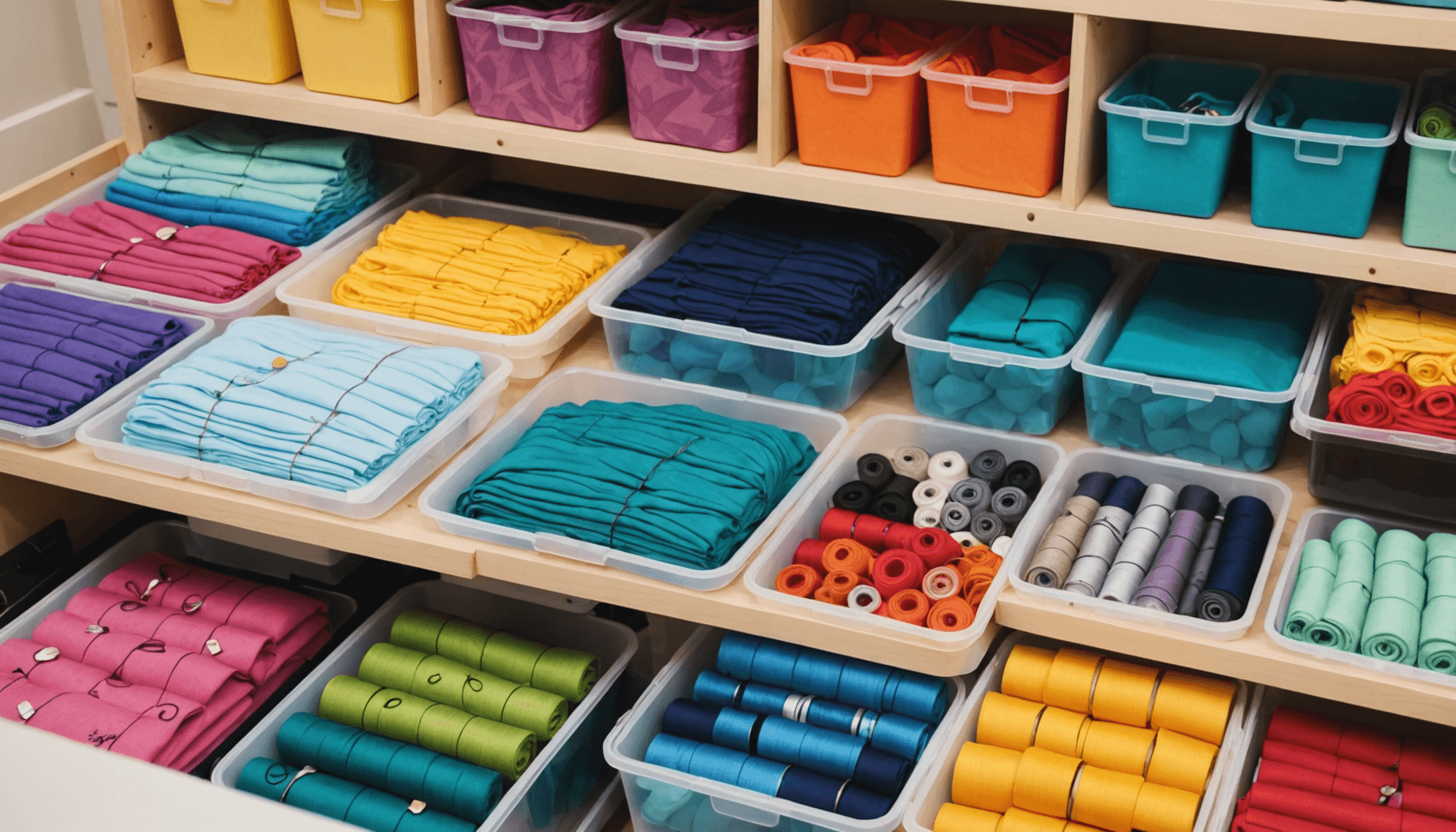
When working with intricate designs or multiple pieces, failing to organize your fabric can lead to chaos. It’s advisable to keep a labeled system for your cuts and scraps. Use clear bags or bins to sort pieces by project or color to avoid confusion, making it easier to find materials when you’re ready to assemble.
In addition, ignoring seam allowances can change the entire structure of your project. Always refer to your pattern for the required seam allowance and be consistent in applying it throughout your sewing. A common recommended seam allowance is ¼ inch, but depending on your project, it may vary.
Another oversight involves neglecting to use the right type of needle for your fabric. The needle’s size and type affect how cleanly and neatly your sewing machine stitches through the fabric. For example, a universal needle is good for general fabrics, while a ballpoint needle is better for knits. Choosing the appropriate needle helps in reducing skipped stitches or damaging the fabric.
Lastly, not allowing enough time for projects can lead to rushed work, resulting in sloppy craftsmanship. Set realistic timelines for your fabric crafts that accommodate for the complexity of your project. Allow yourself to take breaks to avoid burnout and ensure you are producing your best textile art.
By keeping these common mistakes in mind and following best practices, you can enhance your fabric crafting experience, leading to more enjoyable and successful projects.
Creative Yarn Projects
Creative yarn projects offer an abundance of opportunities to explore your artistic vision and bring your ideas to life. By engaging in various techniques and styles, you can create unique pieces that showcase your craftsmanship and creativity. From beginners to seasoned crafters, there are projects suitable for every skill level, ensuring that you can always find something rewarding to work on.
One fantastic project is a knitted or crocheted blanket. Starting with simple squares or rectangles allows you to practice your stitch techniques while gradually building your confidence. As you gain experience, you can experiment with various patterns and colors, combining different yarn weights and textures to create depth and interest. Consider using a loom for a different approach, creating a stunning woven throw that can become a cherished family heirloom.
Another creative avenue is to make yarn baskets or bowls. These functional art pieces can be crafted using a variety of yarns, including chunky or t-shirt yarn, to achieve unique shapes and sizes. By incorporating stitches like single crochet or spiral rounds, you not only produce eye-catching containers but also improve your skills in shaping and color management. Use these baskets to organize your crafting space, or gift them to friends as thoughtful, handmade presents.
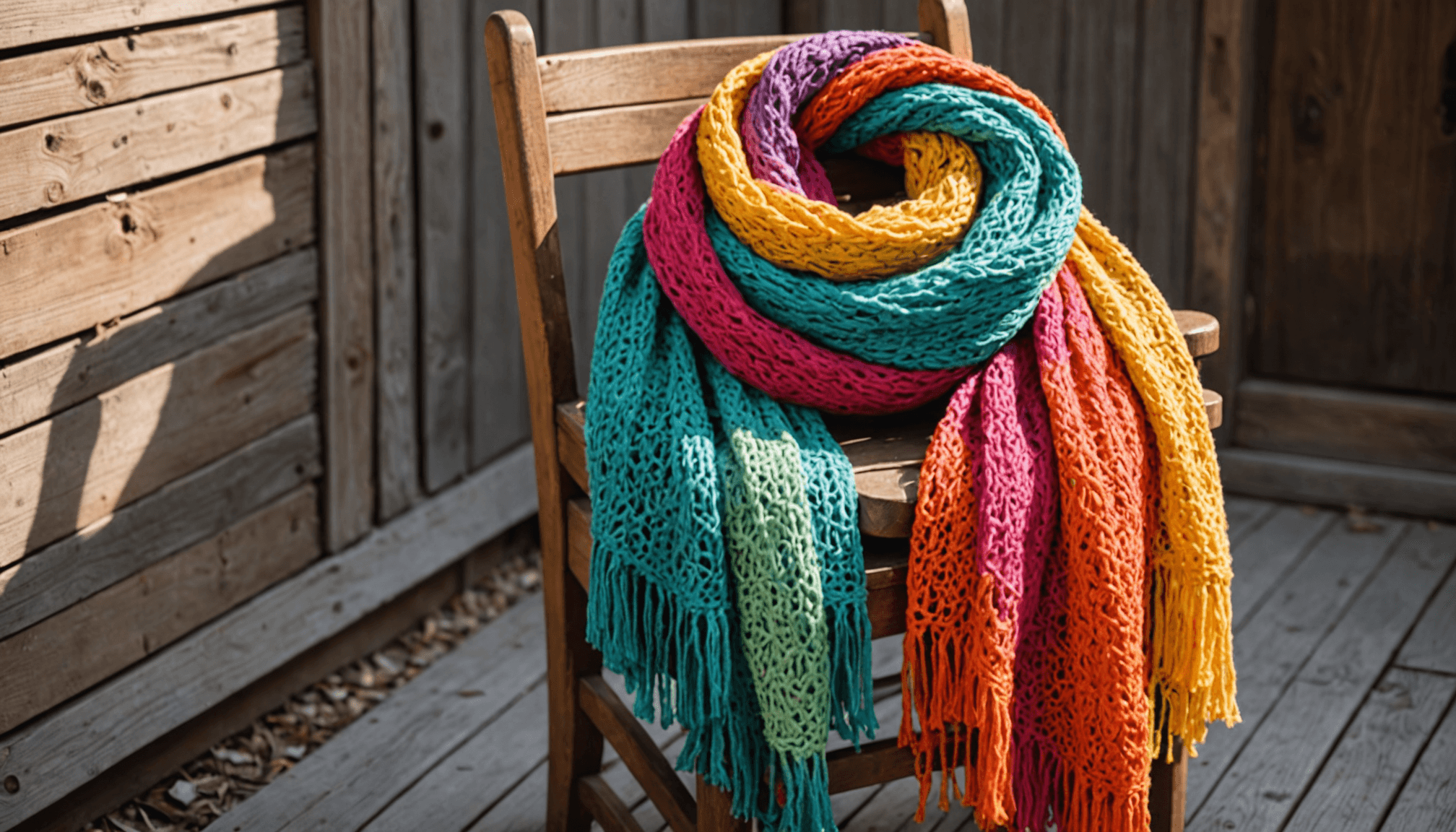
Yarn projects also extend into fashion through accessories like scarves, hats, and shawls. Experiment with new stitches such as lace, which can add elegance and texture to your items. For a modern twist, explore the world of arm knitting, where you utilize your arms instead of needles to create oversized items in a fraction of the time. This technique is both fun and results in striking and cozy pieces that make a bold statement.
You might also consider combining yarn with other materials. Creating mixed media art can provide a refreshing twist to traditional textile art. Incorporate yarn into fabric-based artwork, such as weaving yarn through embroidered designs or utilizing it to attach fabric strips to create dimensional effects on wall hangings. This approach not only enriches your artistic expression but allows you to explore the interplay between fabric and yarn in novel ways.
Don’t forget about holiday and seasonal projects, like ornaments or gift tags. These smaller, quicker items are perfect for showcasing your skills and spreading cheer. Try crafting yarn pom-poms, or miniature knitted gifts that can be attached to presents, adding a personal touch that your friends and family will treasure.
As you dive into these projects, keep in mind that creativity knows no bounds. Embrace the enjoyment of experimenting with colors, textures, and patterns, allowing your personal style to shine through each piece. Dedicate time to practice and refine your techniques, and don’t shy away from experimenting. Each completed project builds your confidence, leading you to bolder and more complex designs.
Remember, the world of yarn is filled with endless possibilities, and every knit stitch or crochet loop is a step toward becoming the textile artist you aspire to be. Let your imagination flourish and seize the chance to bring beauty to your surroundings with each crafted creation!
Tips for Combining Fabric and Yarn
- What types of fabric work best with yarn in crafting?
- Cotton, linen, and blends are excellent choices for combining with yarn. Cotton provides versatility, while linen adds texture, and blends offer durability and a variety of prints that enhance your textile art.
- Can I mix different yarns in a single project?
- Yes, mixing different yarns can create unique textures and colors in your projects. Just be mindful of varying yarn weights to maintain consistency in the final piece.
- What are some beginner-friendly fabric and yarn projects?
- Beginner-friendly projects include simple scarves, knitted dishcloths, or fabric potholders. These items allow you to practice basic techniques while creating something functional and stylish.
- How do I know which yarn weight to choose for my project?
- Check your pattern for recommended yarn weights, as this will greatly influence the project’s drape and look. If you’re experimenting, choose a weight that aligns with your intended design—lighter yarns for delicate, airy items, and heavier yarns for cozy, structured pieces.
- Is it necessary to pre-wash fabric before crafting?
- Yes, pre-washing fabric is crucial because it removes sizing and allows for any shrinkage to occur before cutting. This step helps prevent distortions in the finished project.
- What tools do I need for fabric and yarn projects?
- Essential tools include scissors, a cutting mat, sewing machine or needle, measuring tape, and a variety of yarn and fabric supplies. Having a solid set of tools will make your crafting experience smoother and more enjoyable.
- Can I create mixed media art with fabric and yarn?
- Absolutely! Mixing fabric and yarn in your projects creates unique mixed media art. You can weave yarn through fabric designs or combine techniques to add depth and dimension to your textile art.
