



Handmade Fabric Flowers and Accessories

- Handmade Fabric Flower Techniques
- Choosing the Right Materials
- Creative Accessories for Fabric Flowers
- Care and Maintenance of Fabric Creations
- Inspiration and Project Ideas
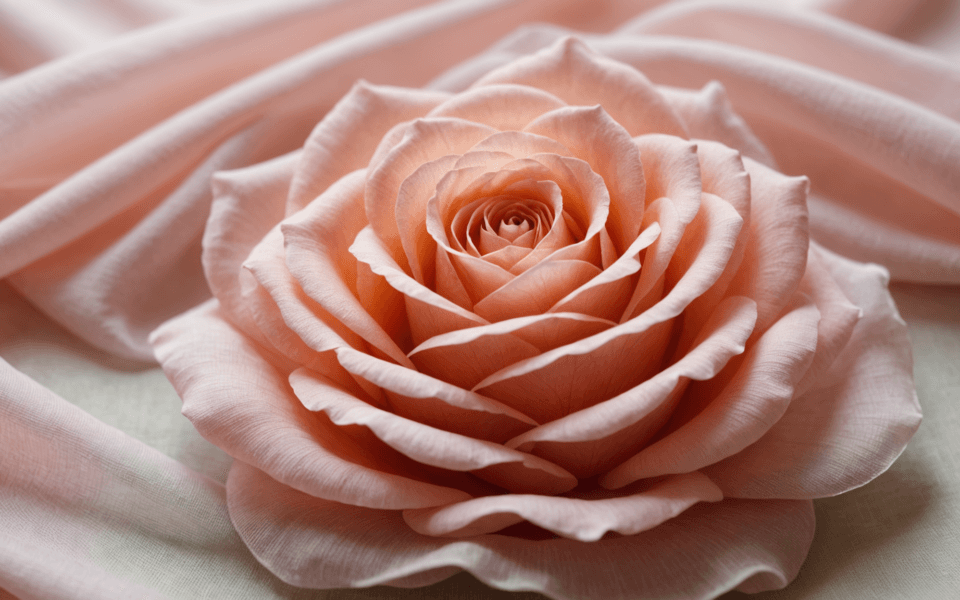
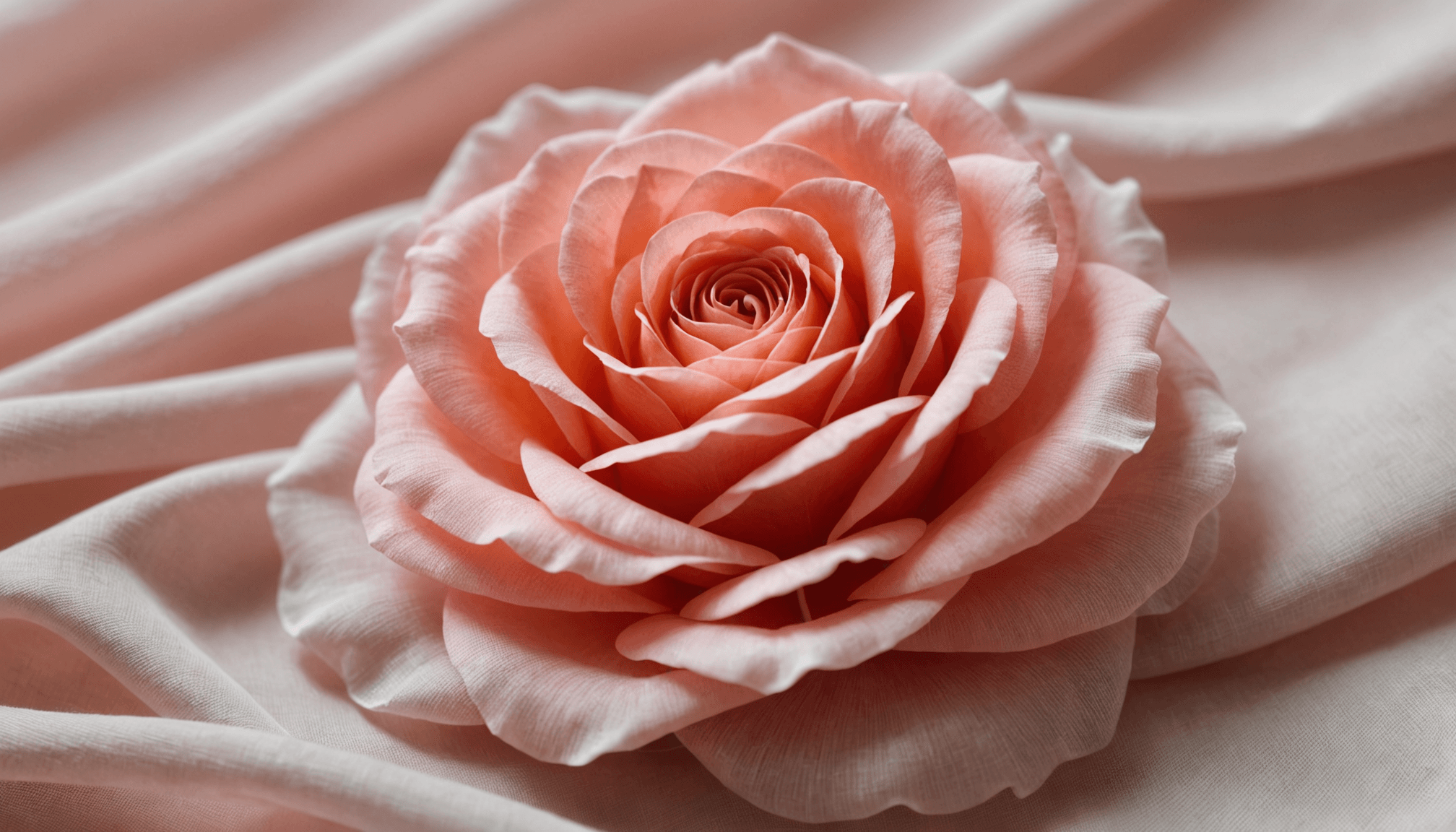
Creating beautiful handmade fabric flowers involves a variety of techniques that can elevate your sewing projects beyond the ordinary. One popular method is the classic rolled flower technique, where you cut fabric into a spiral shape and roll it tightly from the outside in. This creates a stunning, layered effect that resembles a rose. To enhance this technique, consider using a rotary cutter for clean, even edges, and playing with fabric textures. Soft materials like chiffon or organza lend an airy feel, while denim or cotton can add structure and depth.
Another favored technique is the petal layering method. Here, you cut several petal shapes from fabric, often in varying sizes, and layer them to create a full bloom. Experiment with different shapes—think teardrop or heart-shaped petals—to bring unique styles to your flowers. A wire inserted into the base of each petal can help maintain shape, allowing you to bend and position them as desired. Additionally, consider adding a subtle touch of paint or fabric dye for a distinctive look; the play of colors can add an unexpected surprise to your DIY ideas.
For those eager to explore further, hand-stitching techniques like gathering and tacking can add lovely texture and dimension to your fabric flowers. Gathering involves sewing along the edge of a piece of fabric and then pulling the threads to create ruffles, perfect for creating fuller, dramatic petals. Pair this with some embroidery embellishments, such as French knots or running stitches, to create a tactile masterpiece that speaks to your artistic side.
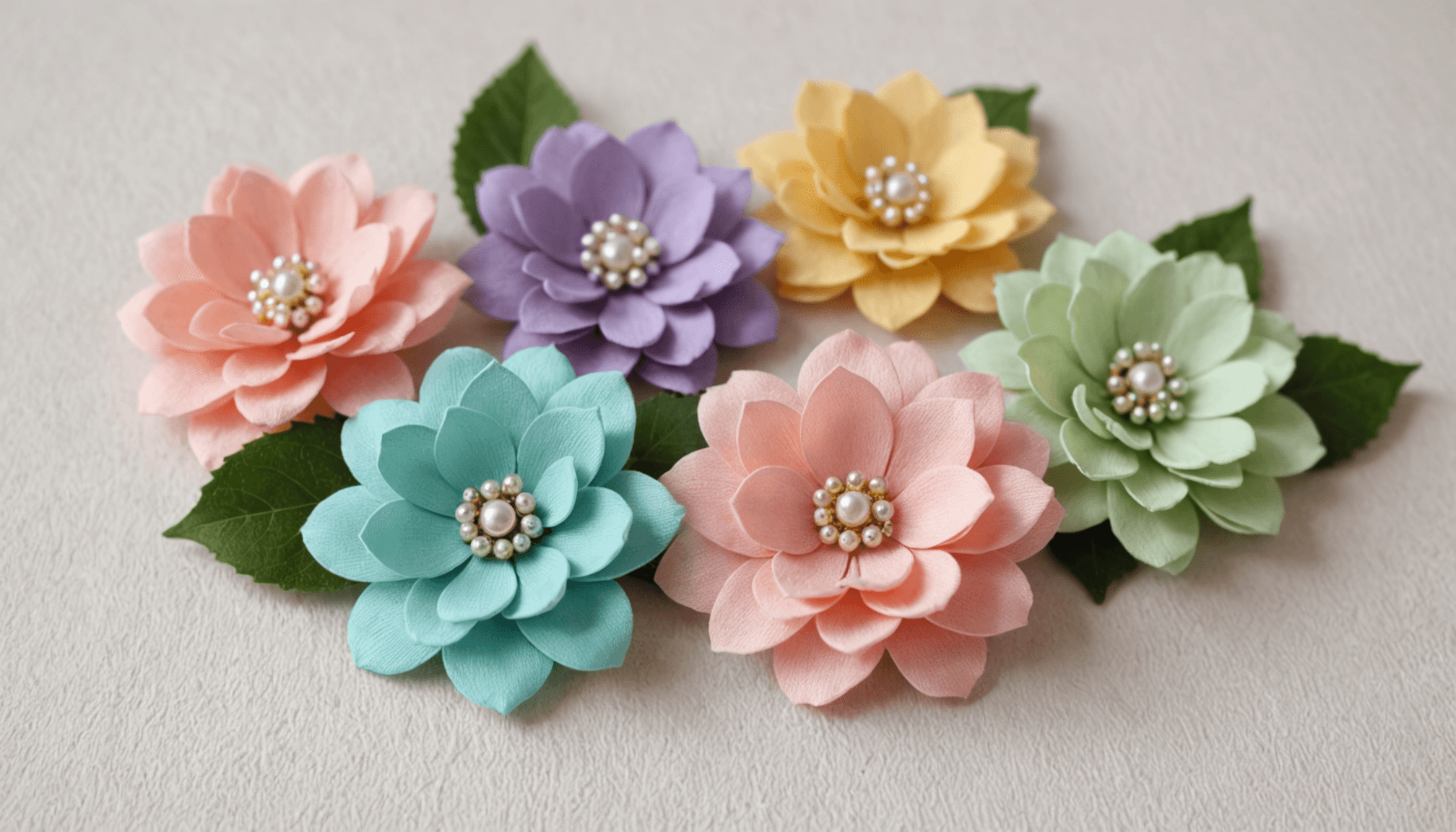
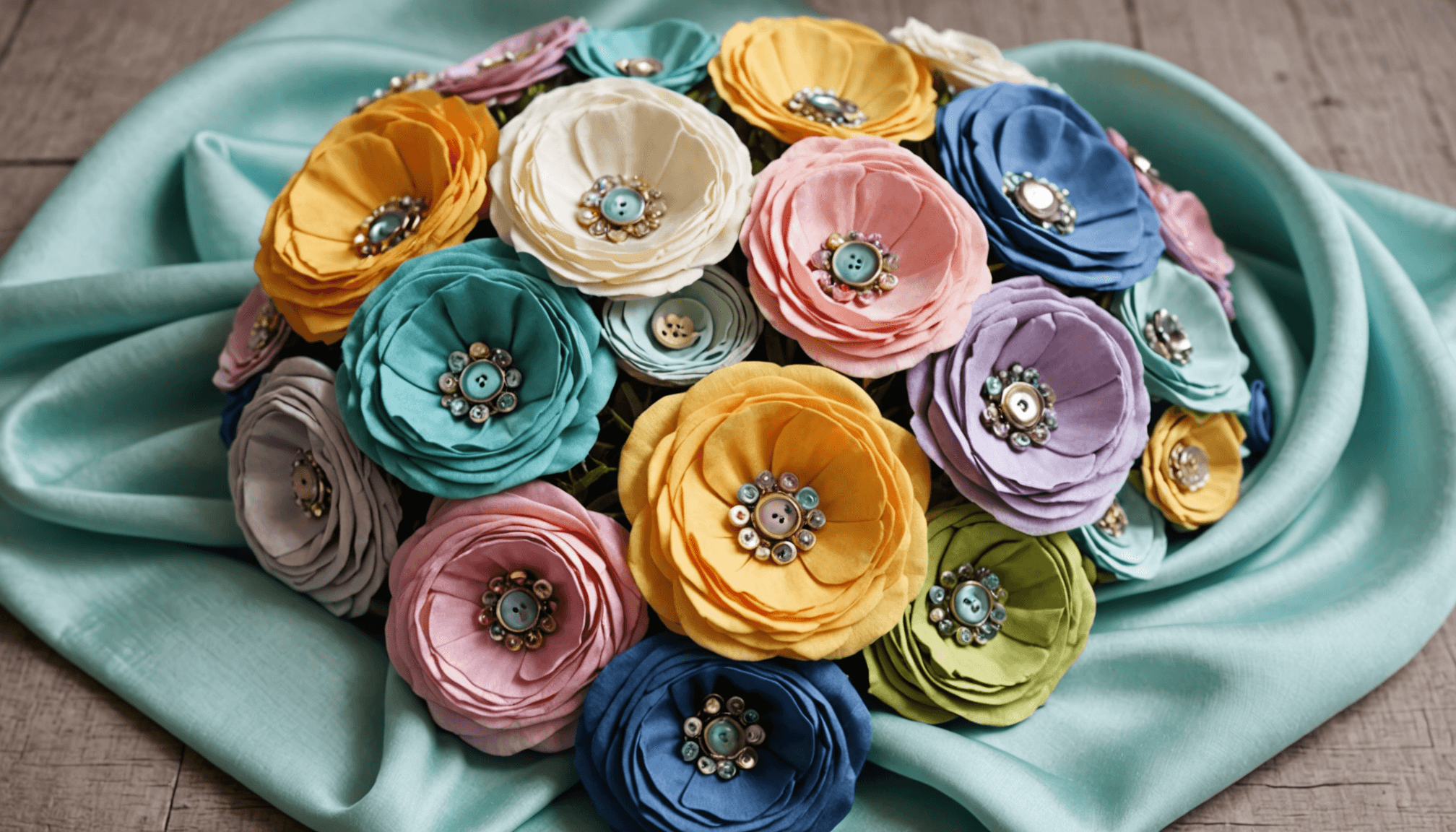
As you experiment with these techniques, don’t forget about incorporating beads or buttons at the center of your flowers for that extra charm. These little details can transform a simple flower into a striking accessory, perfect for hats, bags, or even home decor. Remember, the world of handmade fabric flowers is all about personal expression, so let your creativity shine and have fun mixing and matching these techniques!
Choosing the Right Materials
Selecting the right materials is crucial for creating stunning fabric flowers that not only look good but also last over time. Start with the fabric—different types can dramatically alter both the appearance and the texture of your flowers. Natural fibers such as cotton, linen, or silk are popular choices since they drape beautifully and allow for various finishing techniques. Synthetic fabrics like polyester or nylon can be lightweight and durable, making them a great option for flowers intended for outdoor use.
Don’t overlook the importance of color and pattern. Vibrant, patterned fabrics can add personality and depth to your designs, while solid colors provide a timeless appeal. When choosing fabrics, consider layering different patterns to create visual interest. Additionally, you can utilize fabric dye or paint for a custom hue, allowing you to achieve shades that perfectly match your project or aesthetic.
In terms of added components, be sure to select appropriate wiring or floral tape, which will help you shape your fabric flowers and secure them in place. The wire enables you to create adjustable stems or accentuate petals, giving the flowers a natural, organic look. Floral tape should match or complement the materials used to keep everything cohesive.
Don’t forget about embellishments! Adding buttons, beads, or even sequins can give a slight sheen or catch the light in a way that enhances the overall beauty of your fabric flowers. They can serve as focal points in the centers of flowers or as accents on the petals, adding a distinct touch to your sewing projects.
Finally, always consider the purpose of your fabric flowers when choosing your materials. For accessories that will be worn, like hair clips or brooches, opt for lightweight and pliable fabrics. For decor items, sturdier materials may be better suited to ensure the flowers hold their shape over time.
- Natural fibers like cotton and silk work well for flowers needing a soft drape, while synthetic fabrics are ideal for durability.
- Layering different patterns can create unique and eye-catching designs.
- Incorporate floral wire to give shape and adjustability to your fabric flowers.
- Use embellishments like beads or buttons to enhance the appeal and draw attention to the details.
- Always consider the intended use of your fabric flowers when selecting your materials to ensure lasting beauty.
Creative Accessories for Fabric Flowers
 When it comes to using handmade fabric flowers in creative ways, there are common pitfalls that many crafters encounter. One common mistake is underestimating the size and proportions of the flowers when incorporating them into accessories. For example, a large fabric flower may overpower a delicate headband or hair clip, while a tiny flower may get lost on a statement piece like a grand bouquet or centerpiece. To avoid this issue, always consider the scale of your floral creations in relation to the overall accessory they will decorate. Making a few prototypes in different sizes can help you visualize the balance better before finalizing the design.
Another frequent error is neglecting the attachment method for fabric flowers. Many crafters might simply sew or glue flowers onto their projects without giving thought to the long-term durability. Fabric flowers can be delicate, and using the wrong adhesive or attachment technique can lead to them coming loose over time. To ensure longevity, consider using a combination of hand-stitching and hot glue. This dual approach secures the flower firmly while allowing for some flexibility, reducing the risk of damage.
Additionally, color coordination can be a tricky aspect to nail down. Using too many contrasting colors or clashing patterns may result in accessories that appear chaotic rather than harmonious. It’s important to take a step back and evaluate the colors you’re working with. One way to achieve a well-coordinated look is by selecting a color palette and sticking to it, allowing a few complimentary colors to add depth without overwhelming the design. You could also explore the use of neutrals to balance out brighter or more vibrant fabrics.
Another mistake is failing to consider the functionality of the finished product. When creating fabric flowers for specific accessories, such as hair clips or brooches, it’s vital to think about how the flowers will interact with the wearer. For instance, heavy embellishments, although beautiful, can make an accessory uncomfortable or unwearable. Prioritize lightweight materials for accessories that will be worn close to the body, ensuring comfort along with style.
Lastly, it’s easy to overlook maintenance and care when designing fabric flower accessories. Ignoring how the project will be cleaned or stored can lead to disappointment. Incorporating washable fabrics and employing techniques like using a removable lining can make a big difference in the longevity of your creations. Providing specific care instructions, especially for items like brooches or barrettes, will ensure that your fabric flowers maintain their beauty over time.
By recognizing these common mistakes and taking proactive steps to avoid them, you can enhance your sewing projects and create stunning accessories that showcase your handmade fabric flowers beautifully.
Care and Maintenance of Fabric Creations
To ensure your fabric creations remain vibrant and beautiful over time, proper care and maintenance is essential. Start by determining the cleaning method suitable for the fabrics used in your flowers. For delicate materials like silk or chiffon, hand washing is the best approach. Use a mild detergent and cold water, gently agitating the fabric without wringing or twisting, which could distort the shape of your flowers. After washing, lay the fabric flowers flat on a clean, dry towel to air dry. Avoid direct sunlight, as prolonged exposure can lead to fading.
For sturdier materials, such as cotton or polyester, machine washing on a gentle cycle may be appropriate, but always check the care instructions first. If your fabric flowers are adorned with embellishments like buttons or beads, it’s advisable to wash them by hand to prevent damage. Additionally, using a garment bag can protect these more intricate pieces during the wash.
When it comes to storing your fabric flowers, opt for a protective box or container. Avoid cramming them into tight spaces, as this can distort their shape. Instead, store them in a single layer with soft tissue paper in between each flower to keep the petals from getting crushed. If you have larger arrangements, consider hanging them to maintain their structure.
An important aspect of maintenance is preventing dirt and stains from settling into your flowers. For everyday wear accessories like hair clips or brooches, a quick spritz of fabric freshener can keep them looking and smelling pristine. If you notice dust gathering, use a soft-bristled brush or a lint roller to gently remove any particles.
Regularly assess the condition of your fabric creations, particularly if they’re frequently used. Look for signs of wear, such as fraying edges or loose embellishments, and attend to repairs promptly. A few simple stitches can often restore the integrity of your fabric flowers, allowing them to continue bringing joy to your projects.
Incorporating care into your DIY ideas not only enhances the longevity of your creations but also allows you to showcase your sewing projects proudly. By following these basic guidelines, you can keep your fabric flowers as stunning as the day you made them. Embrace the process, and remember that maintaining these lovely accessories is just as rewarding as the creation itself! Your commitment to care will ensure each piece continues to tell its unique story beautifully over time.
Inspiration and Project Ideas
- What types of fabric are best for making fabric flowers?
- Natural fibers like cotton and silk work well for fabric flowers due to their soft drape and versatility, while synthetic options like polyester offer durability and can withstand outdoor use. Choosing the right material depends on the intended use and the desired look of your project.
- Can I wash my handmade fabric flowers?
- Yes, washing methods vary based on the fabric type. Delicate fabrics like silk should be hand washed with mild detergent, while sturdier fabrics such as cotton may be machine washed on a gentle cycle. Always follow specific care instructions to maintain their beauty.
- How can I attach fabric flowers to accessories securely?
- For durability, use a combination of hand-stitching and hot glue to attach fabric flowers to your accessories. This allows for a secure bond while maintaining flexibility, reducing the risk of flowers becoming loose over time.
- What techniques can I use to create different styles of fabric flowers?
- Various techniques can help you achieve unique styles, such as the rolled flower method, petal layering, and gathering. Experimentation with different shapes and combination of textures can lead to creative and eye-catching designs.
- Are there any common mistakes to avoid when crafting fabric flower accessories?
- Common pitfalls include neglecting the scale of the flowers in relation to the accessory and using inadequate attachment methods. Consider the functionality and comfort of the finished piece to ensure it is both beautiful and wearable.
- What kind of embellishments can I add to fabric flowers?
- You can enhance your fabric flowers with beads, buttons, or sequins to add visual interest and charm. These embellishments serve as lovely focal points and can elevate the overall aesthetic of your DIY ideas.
- How do I store my fabric flowers to maintain their shape?
- Store your fabric flowers in a protective box or container, layering them with tissue paper to prevent crushing. Avoid cramming them into tight spaces, as this can distort their shape and ruin your beautifully crafted creations.
