



Macrame Arts and Crafts Ideas

- History of macrame
- Essential macrame techniques
- Popular macrame projects
- Creative uses for macrame
- Tips for beginners in macrame
The roots of macrame can be traced back to ancient civilizations, with some of the earliest known examples originating from the 13th century in Arabic regions. The term “macrame” is believed to derive from the Arabic word “migramah,” which means “fringe.” As seafarers and traders traveled across different lands, they brought this decorative knotting technique with them, leading to its spread throughout Europe during the Middle Ages. By the 17th century, macrame had gained popularity in England, becoming a fashionable craft among the upper class who adorned their homes with intricate wall hangings and elaborate tapestries.
In the 1960s and 1970s, macrame experienced a significant revival, aligning with the bohemian and DIY movements. The trend was often associated with the hippie culture, where handmade crafts became a symbol of self-expression and sustainability. Popular items such as plant hangers and wall hangings were all the rage, reflecting a desire to incorporate natural materials and a carefree aesthetic into home decor. This cultural resurgence not only propelled macrame into the mainstream but also inspired a new generation of crafters to experiment with the limitless possibilities of knotting techniques.
As we moved into the 21st century, macrame has continued to evolve, gaining a modern twist while staying true to its roots. Contemporary artisans are reimagining macrame by blending it with other materials and styles, leading to innovative projects that resonate with today’s aesthetic sensibilities. You can find macrame in a variety of forms, from home decor to fashion accessories, seamlessly blending tradition with innovation. This enduring craft offers endless creative potential, inviting both seasoned artists and newcomers to explore the beauty of knotting.
Essential macrame techniques
Mastering essential macrame techniques is key to creating beautiful and intricate designs. Beginners should start with foundational knots, which serve as the building blocks for more complex patterns. The most fundamental knots include the square knot, lark’s head knot, and half hitch knot. Each of these knots has its unique applications and can be combined to create stunning wall hangings or boho crafts.
To achieve a polished finish, tension is crucial throughout the process. Maintaining consistent tension ensures that your knots are even and the overall look is cohesive. Practice is essential; as you become more familiar with the knots, your speed and proficiency will improve, allowing for more intricate designs.
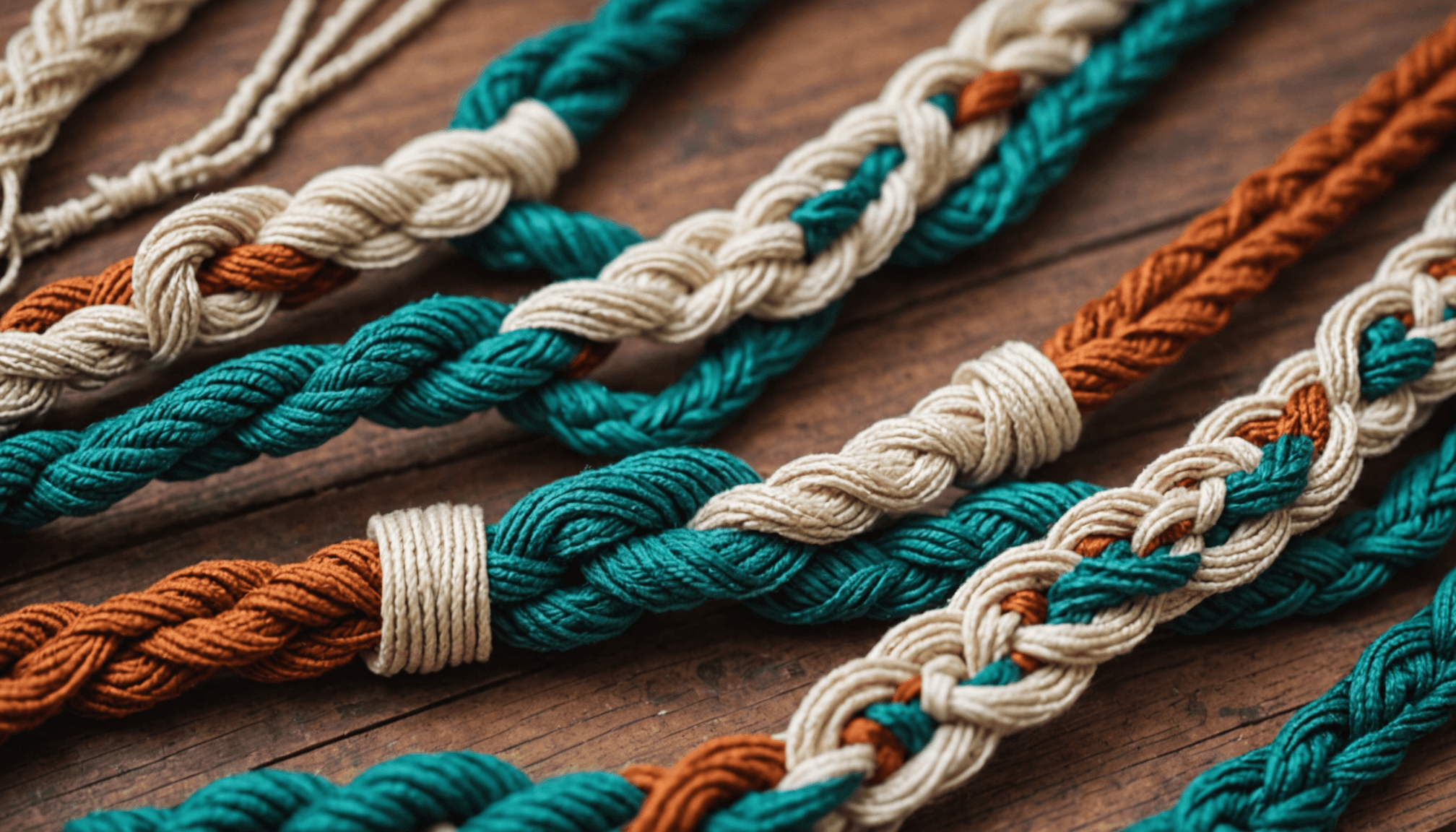
Working with different materials can also enhance your macrame projects. Traditional cotton cord is popular, but experimenting with jute, hemp, or synthetic ropes can add texture and character to your creations. Don’t hesitate to mix and match materials; this can result in unique visual effects and elevate your craft to a new level of creativity.
Lastly, visualization plays an essential role in planning out your macrame projects. Before diving in, sketching your design or laying out the knots can help clarify your vision and guide your process. A clear plan will make your crafting experience more enjoyable and increase the chances of achieving the desired result.
- Master the basic knots like square, lark’s head, and half hitch to build a solid foundation.
- Maintain consistent tension to ensure evenness in your knots and overall project.
- Experiment with different materials to add texture and variety to your work.
- Visualize your project by sketching designs before starting for a clearer direction.
- Practice regularly to improve speed and proficiency in more intricate knotting techniques.
Popular macrame projects
 Creating beautiful macrame projects opens up a world of artistic expression, but it’s important to navigate common pitfalls that can frustrate both beginners and experienced crafters. One frequent mistake is not properly measuring the cord length needed for the project. Excessively short cord can lead to incomplete designs, while overly long cord may create unwieldy tangles. A good rule of thumb is to measure your cord length based on the desired finished size of the project, adding extra length for knots—approximately four times the length of the final piece is often sufficient.
Another common error is neglecting to secure the workspace properly. Without a stable, flat surface, cords can twist, shift, or tangle, which complicates the knotting process. Using a clipboard, tape, or a dedicated macrame board can help keep your material in place, ensuring that your knots remain consistent and your design intact.
Tension control is critical as well. Inconsistent tension can create uneven knots, causing the overall appearance of your wall hangings or boho crafts to suffer. A practical approach to maintaining even tension is to frequently check your knots as you progress. Make sure to adjust your grip consistently; too tight can lead to bulging knots, while too loose can create gaps.
Many beginners overlook the importance of finishing techniques, which can significantly affect the longevity and aesthetic of your projects. It’s vital to secure the ends of your cords properly to prevent fraying. Using techniques like burn sealing or knotting the ends can enhance your project’s durability while providing a clean finish.
Lastly, sometimes aspiring macrame artists shy away from experimenting. Sticking too rigidly to patterns can stifle creativity. While it’s essential to familiarize yourself with basic designs, don’t hesitate to innovate. Mixing textures, colors, and cord types can lead to unique and stunning results. Embrace the creative process—it’s about exploration and personal expression in your macrame journey. Using these tips can help you avoid common mistakes and enjoy the art of macrame even more.
Creative uses for macrame
Macrame can be a versatile art form, allowing crafters to unleash their creativity in various areas. One of the most popular uses for macrame is in home decor, where intricate wall hangings can serve as stunning focal points in any room. These striking pieces can match various interior styles—ranging from modern minimalist to bohemian aesthetics—adding texture and warmth to spaces. Macrame wall hangings can be customized in size, color, and design, making them perfect for any personal style or decor theme.
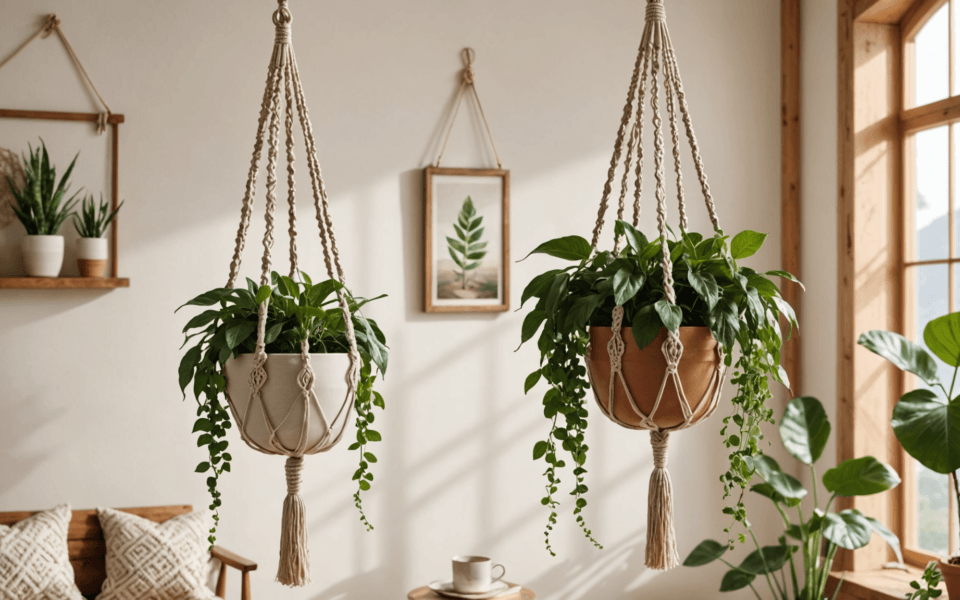
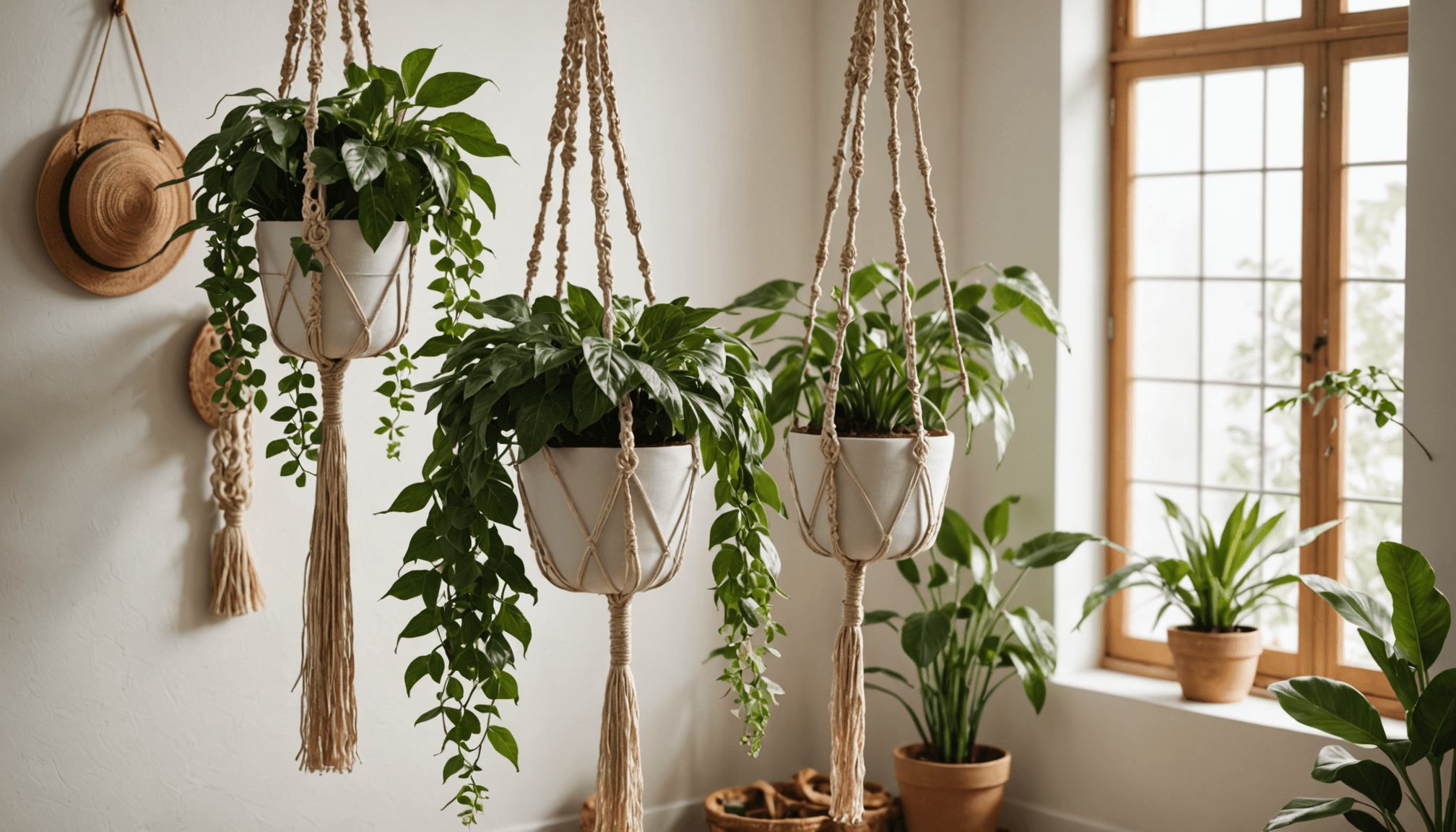
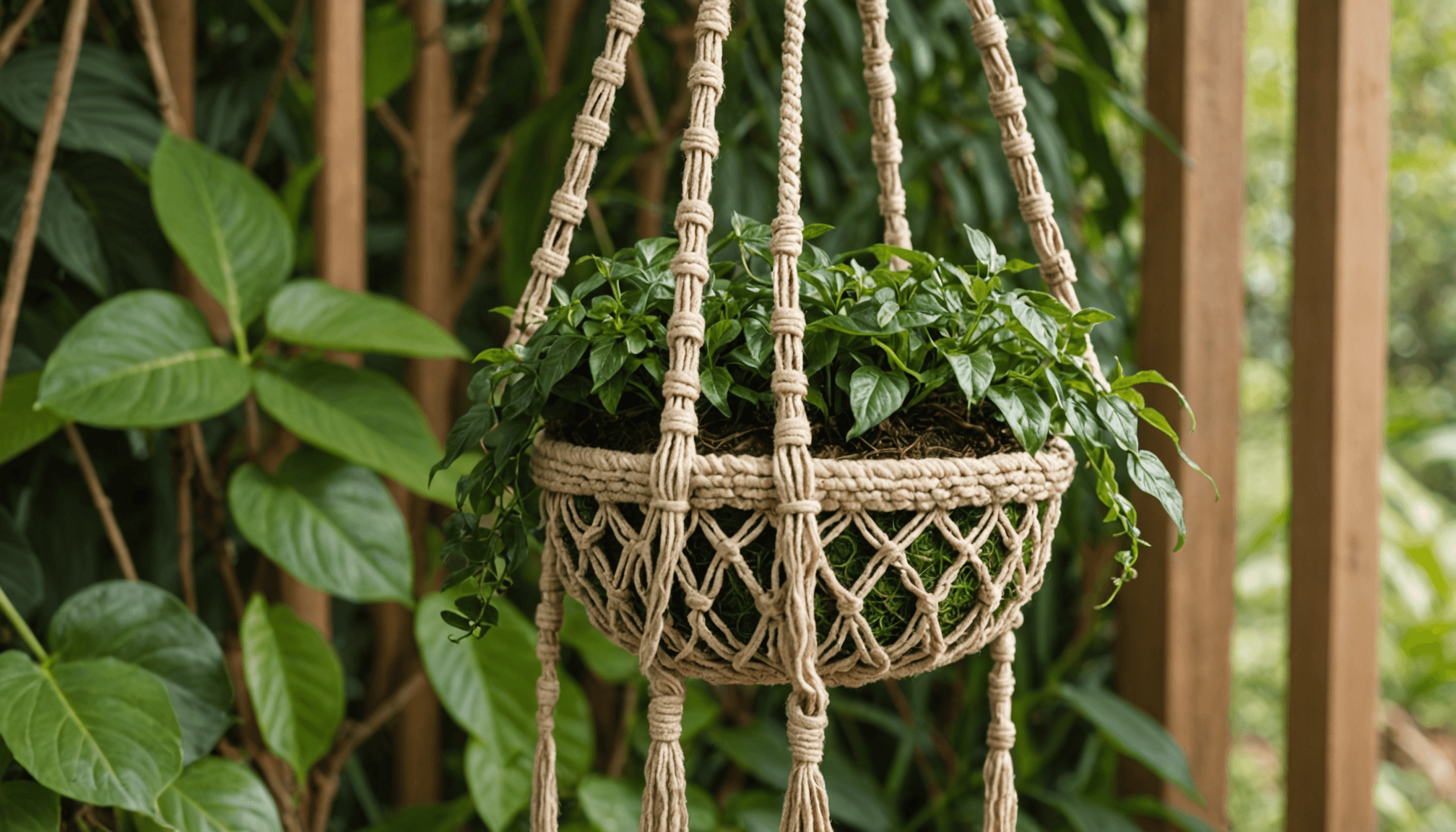
Another creative avenue lies in the realm of planters. Macrame plant hangers blend function with beauty, allowing you to elevate your greenery and free up floor space in your living area. Whether you have trailing plants like pothos or vibrant blooms, a macrame hanger can add an organic touch to your indoor garden. Experimenting with different knotting patterns and cord materials can create unique designs that stand out, transforming ordinary plant displays into eye-catching art pieces.
In addition to decor, macrame can also be explored in the fashion world. Crafting macrame jewelry, such as bracelets and necklaces, gives individuals a chance to wear their creativity. Using colored cords or incorporating beads can turn a simple bracelet into a meaningful statement piece. This form of art not only allows for personal expression but also makes for thoughtful, handmade gifts for friends and family.
Moreover, macrame can be used to create functional everyday items. Items like keychains, bags, and even furniture pieces designed with macrame can elevate the aesthetic of daily use objects. For example, a macrame-embellished tote bag can be both stylish and practical, making it a great accessory for outings, while a macrame chair or hammock can add a bohemian touch to your outdoor space.
Lastly, don’t hesitate to think outside the box and explore unconventional applications of macrame. From window treatments to custom room dividers, the only limit is your imagination. Combining macrame with other materials like wood or metal can lead to stunning mixed-media art that captivates the eye and provides structural support.
Embrace the creative potential of macrame in multiple aspects of your life. Experiment with different projects, materials, and techniques, and don’t shy away from innovating your designs. The possibilities are endless, waiting for you to bring them to life!
Tips for beginners in macrame
- What materials do I need to start macrame?
- To begin with macrame, you’ll need cord or rope, scissors, and a clipboard or macrame board to secure your work. Common choices for cord include cotton, jute, or hemp, which vary in texture and thickness. Additional tools like beads or rings can also enhance your projects.
- How difficult is it to learn macrame as a beginner?
- Learning macrame as a beginner is quite manageable, especially if you start with basic knots and simple projects. With patience and practice, you’ll quickly gain confidence in your skills, allowing you to progress to more intricate designs over time.
- Can I use macrame for outdoor projects?
- Yes, macrame can be used for outdoor projects as long as you choose weather-resistant materials, such as synthetic cords. Projects like outdoor plant hangers or hammocks can bring a lovely bohemian touch to your outdoor spaces, but always consider the exposure to elements.
- How do I maintain my macrame projects?
- To maintain your macrame projects, regularly dust them and avoid exposure to moisture to prevent mold growth. If your items get dirty, spot cleaning with a damp cloth or gentle soap is usually sufficient, but always check the material care instructions.
- Are there any resources for learning macrame online?
- Absolutely! There are numerous online resources available, including video tutorials on platforms like YouTube, dedicated macrame blogs, and even online courses. Many crafters also share tips and patterns on social media, which can be a great source of inspiration.
- What are some popular macrame projects for beginners?
- Some popular projects for beginners include plant hangers, simple wall hangings, and keychains. These projects often utilize basic knots and techniques, making them perfect starting points to build your skills.
- Can I incorporate beads or other embellishments into my macrame work?
- Yes, incorporating beads or other embellishments can add unique flair to your macrame projects. You can thread beads onto the cord before knotting or use them as accents within the design, making your creations even more personalized and visually appealing.
