



DIY Pillow and Home Textiles

- Pillow Types and Materials
- Sewing Techniques for Beginners
- Decorative Techniques for Home Textiles
- Care and Maintenance of Pillows
- Creative Ideas for Upcycling Fabric
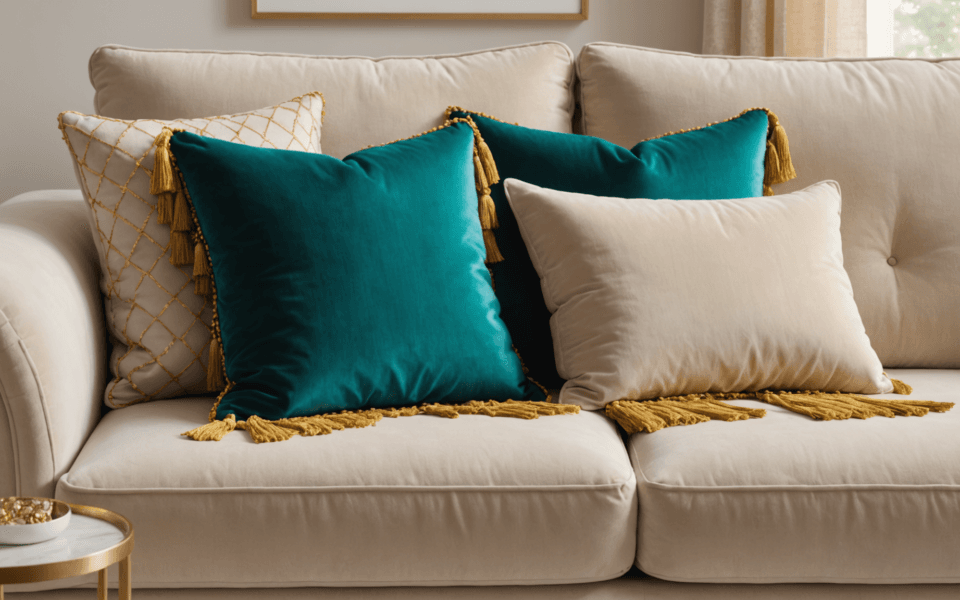
When it comes to choosing the perfect pillow for your home decor, understanding the varieties available and the materials used is crucial to ensuring comfort and style. Pillows not only serve a functional purpose but also act as decorative accents that can transform a space. From plush cushions on your couch to elegant throw pillows on your bed, the right choice can elevate your home’s aesthetic effortlessly.
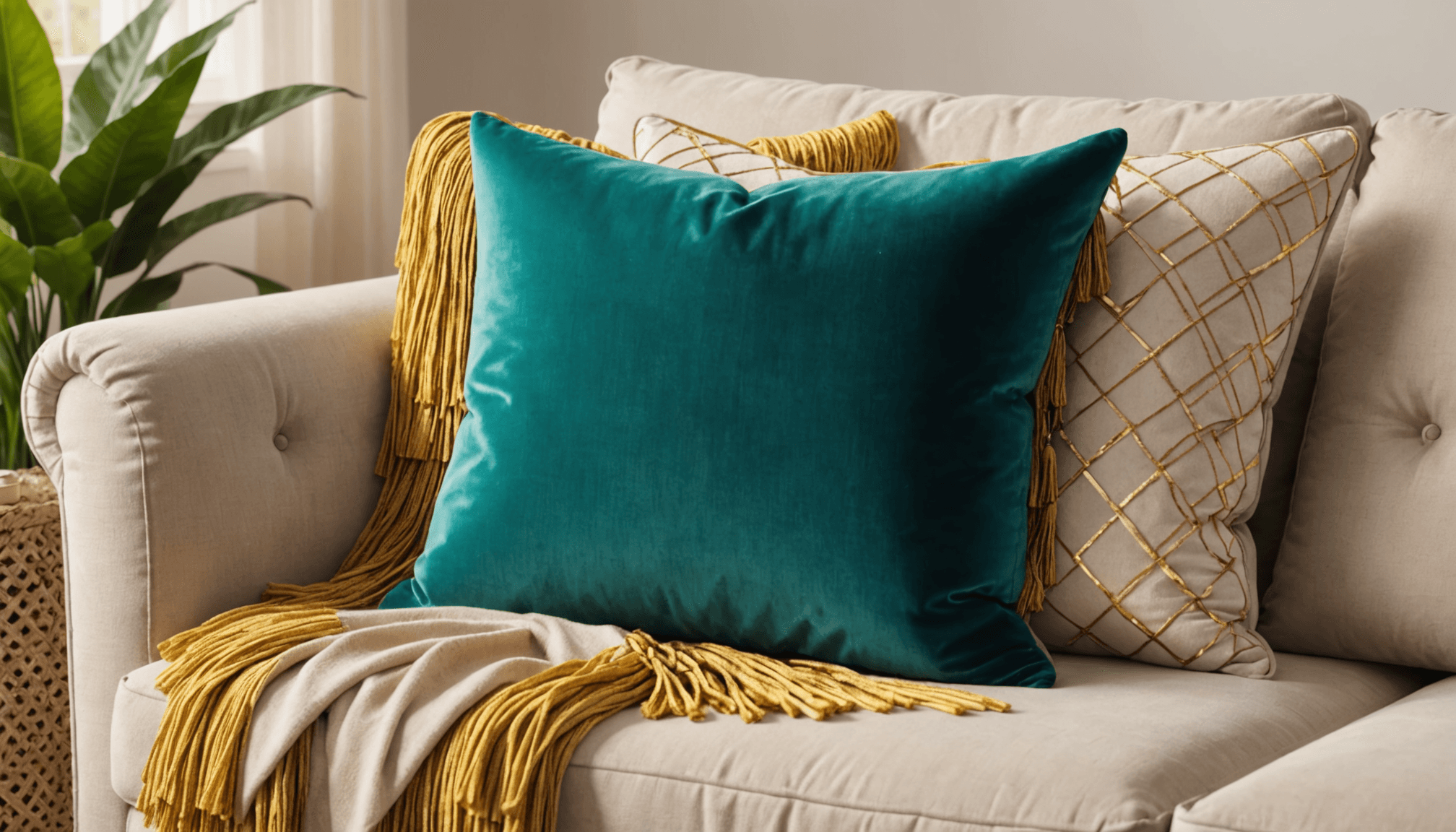
One popular type of pillow is the indoor throw pillow, which comes in a multitude of shapes and sizes, often filled with soft polyfill or down feathers for maximum comfort. They can be adorned with various fabrics, including cotton, linen, or velveteen, making it easy to match any decor style—be it modern, bohemian, or traditional. Faux fur pillows are another trendy option that brings warmth and texture to a room, perfect for adding a layer of coziness during any season.
For those venturing into outdoor spaces, specialized outdoor pillows made of weather-resistant materials like acrylic or polyester blend are essential. These fabrics resist fading and moisture, ensuring your pillow crafts remain striking even in direct sunlight. When selecting outdoor pillows, consider bright colors or bold prints to tie in with your garden or patio theme.
When it comes to crafting your own pillows, understanding fabric weight is vital. Lightweight fabrics like cotton are perfect for less structured pillows, allowing for a casual, relaxed vibe. Heavier fabrics, such as canvas or upholstery-grade materials, create more durable pillows that can withstand wear and tear, making them ideal for high-use areas like family rooms.
In terms of filling, options abound. Natural down filling leads to a sumptuous, plush feel but may require more care. Alternatively, polyester fiberfill is hypoallergenic and easily washable, making it a practical choice for families. For an eco-friendly option, consider organic materials such as buckwheat hulls or natural latex, which provide support while benefiting both your health and the environment.
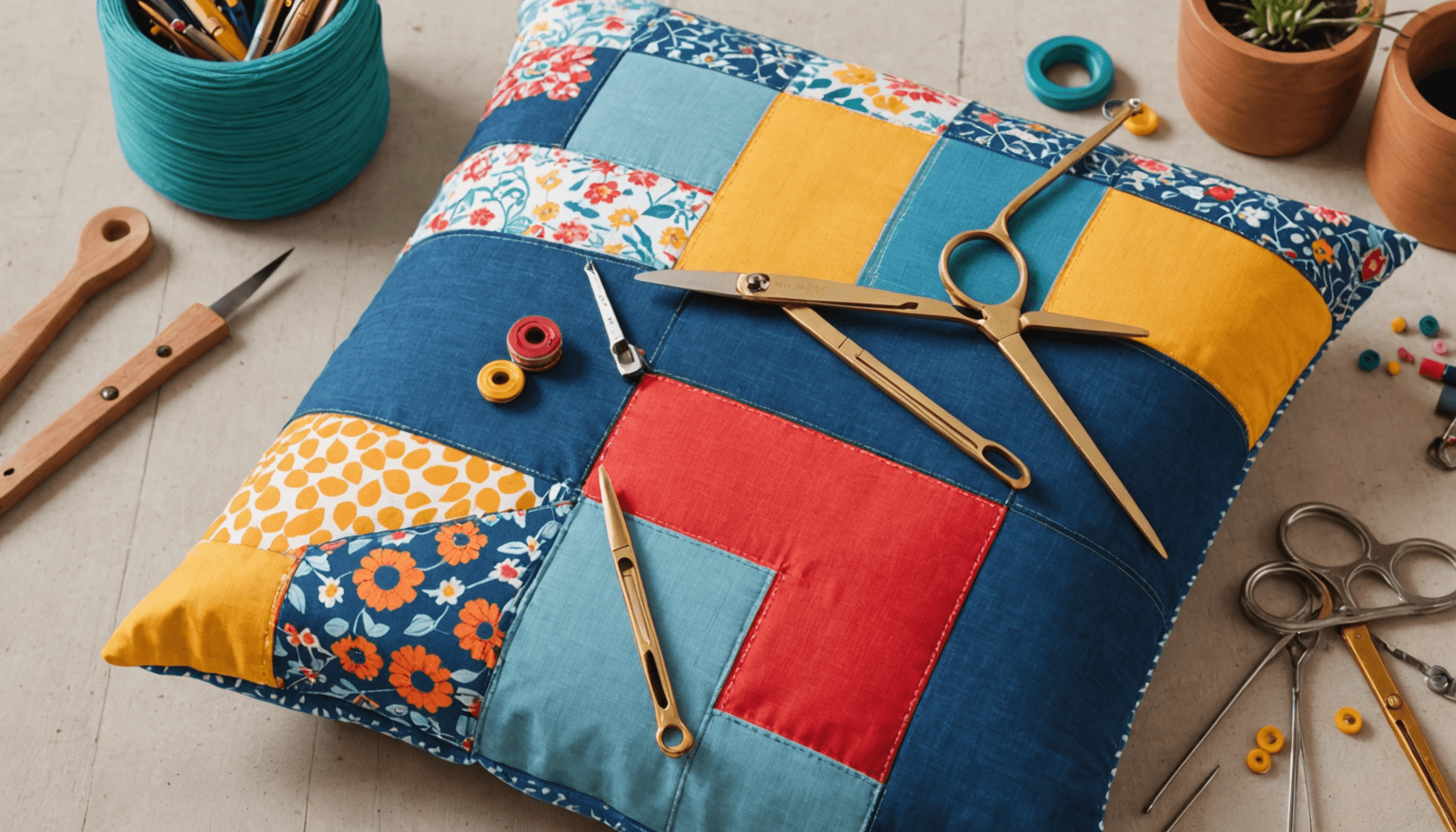
When crafting your pillows, think about the textures you want to incorporate. Mixing various fabrics—perhaps a soft velvet with a crisp linen—can create visual interest and depth. You might also like to add embellishments like tassels, pom-poms, or embroidery, which enhance your design while giving it a personal touch. Exploring different applications such as patchwork can utilize scraps from other fabric projects, contributing to a sustainable approach while reflecting your unique style.
In summary, choosing the right pillow types and materials can enhance both comfort and the overall look of your home decor. Embracing different fabrics and fillings can turn simple pillow crafts into beautiful, functional pieces that showcase your creativity and personal flair. Let your imagination guide you as you curate a collection of pillows that not only serve a purpose but also tell a story about your home.
Sewing Techniques for Beginners
Sewing your own pillows can be a rewarding experience that allows you to express your personal style through home decor. For beginners, mastering basic sewing techniques is essential to ensure that your pillow crafts turn out beautifully and with durability. Start by familiarizing yourself with the tools needed for pillow-making. A sewing machine will save you time and effort, while essential tools such as fabric scissors, pins, a measuring tape, and a seam ripper can make the process smoother.
Before beginning your sewing project, it’s crucial to pre-wash your fabric. This not only removes any sizing or chemicals from the fabric but also prevents any shrinkage after your pillow is complete. Once your fabric is clean and dried, measure and cut it according to the specific dimensions for your pillow. A standard size is usually a square or rectangular piece, allowing ample seam allowance (typically 1/2 inch).
When it comes to sewing your pillow, begin by placing the right sides of your fabric together. Pin the edges to hold them in place, then sew around the perimeter, leaving a gap of about 8 to 12 inches unsewn on one side. This opening will allow you to turn the fabric right side out and add your filling. After sewing, carefully trim the corners to reduce bulk, making sure not to cut into your seams.
Once the sewing is complete, turn your pillow cover right side out through the gap. Use a pencil or a turning tool to push out the corners for a crisp finish. Now, it’s time to fill your pillow. Choose your stuffing based on your desired comfort and aesthetics—polyester fiberfill for softness or buckwheat hulls for a firmer, natural feel. Once filled to your liking, fold in the raw edges of the opening and hand-stitch it closed. A slip stitch works well here for an invisible finish.
To elevate your pillow crafts, consider incorporating additional decorative techniques during the sewing process. Adding piping along the edges can make the pillow look more professional. Furthermore, using different stitch types, such as a zigzag stitch, can create visual interest, as well as reinforce seams. Don’t hesitate to experiment with your fabric choices; combining patterned and solid fabrics can result in stunning designs that enhance your home decor.
- Pre-wash your fabric to remove any chemicals and prevent shrinkage.
- Always measure and cut with a seam allowance for a perfect fit.
- Consider using a sewing machine for efficiency, especially with heavier fabrics.
- Incorporate decorative techniques like piping or unique stitches for added flair.
- Experiment with different fillings based on comfort preference—softer, plush fillings versus firmer, supportive options.
Decorative Techniques for Home Textiles
 When using decorative techniques for home textiles, many people overlook the importance of planning and preparation, which can lead to disappointing results. One common mistake is failing to visualize how the finished piece will look within the overall decor. Before starting any project, it’s wise to take a step back and consider the space where the textile will be placed. This means coordinating colors, patterns, and textures that complement your existing home decor.
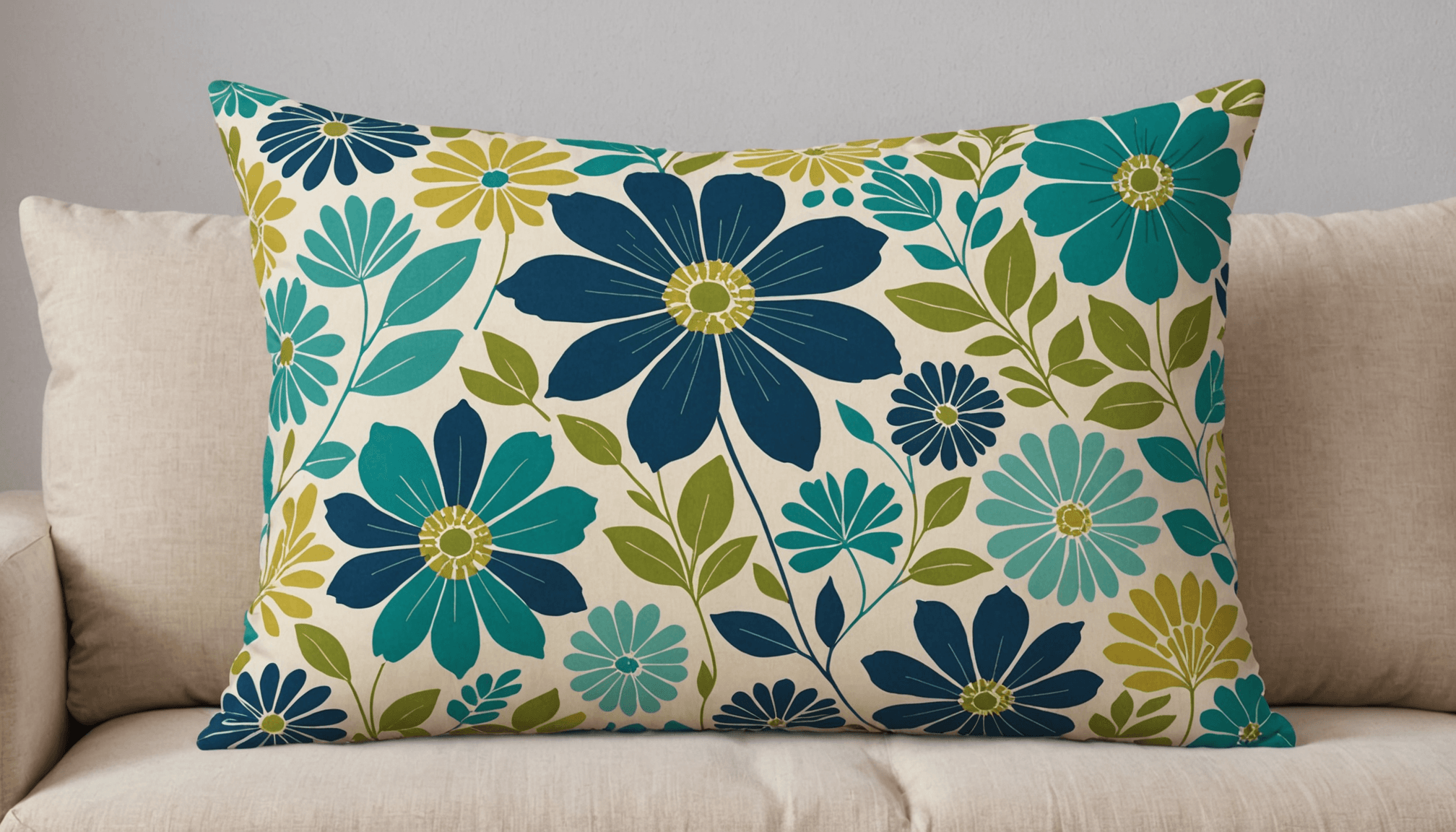
Another frequent error is not considering the scale of the decorative elements used. For instance, while large patterns may seem appealing, they can overwhelm a small space or clash with other patterns in the room. Conversely, tiny patterns can get lost in larger furniture pieces or expansive wall spaces. To avoid this pitfall, always consider the size of your pillows or textiles in relation to your environment. Aim for balance by mixing different scales; for example, pairing a large floral print with smaller geometric patterns can create visual harmony.
Additionally, neglecting to test out color combinations can lead to unsatisfactory outcomes. Different lighting conditions can drastically change how colors appear, so it’s advisable to view your fabric swatches in natural light before committing to a design. Gather samples and place them alongside existing items in your room to see how they interact. This practice can help you identify any colors that clash or don’t resonate with your desired aesthetic.
When it comes to embellishments, overdoing it is a common misstep. While it’s tempting to adorn your textiles with multiple decorative features like embroidery, beads, or ribbons, too many additions can result in a cluttered look. Instead, focus on one or two accent techniques per project that truly resonate with your design vision. This allows the decorative elements to stand out and be appreciated without overwhelming the overall piece.
Failing to pre-wash fabrics before applying decorative techniques is another mistake that can cause issues later on. Fabric can shrink, bleed, or lose its finish after washing, which may ruin your hard work. Pre-washing ensures that your fabric is clean and allows you to see how it behaves, maintaining the integrity of your decorative techniques.
Lastly, not taking the time to practice or experiment can limit your creative potential. Decorative techniques can be intricate and often take some practice to perfect. Instead of diving headfirst into a final project, allocate some time to test various techniques on scrap fabrics. Whether it’s trying different stitches in embroidery or experimenting with fabric dye, this practice can lead to surprising and delightful results that enhance your home decor.
By being mindful of these common mistakes and taking steps to avoid them, you can successfully enhance your pillow crafts and home textiles with beautiful, cohesive designs.
Care and Maintenance of Pillows
Pillows are integral to creating a comfortable and inviting home, but their maintenance is equally important in ensuring they last and continue to enhance your decor. Regular care helps maintain their shape, freshness, and appearance, contributing to a polished look in your living space.
First, consider the filling type when determining care practices. For pillows filled with polyester fiberfill, a simple machine wash on a gentle cycle usually suffices. To prevent clumping, add a couple of clean tennis balls to the dryer—these will help fluff the pillows as they dry. However, down-filled pillows require more delicacy; spot cleaning is often best, using a damp cloth with mild detergent. It’s essential to avoid soaking them, as excess moisture can lead to mold and mildew.
For decorative pillow covers, ensure to follow the care labels for the fabric used. Most cotton and polyester blends are machine washable, but some more delicate fabrics like silk or linen may require hand washing or dry cleaning. Always aim to wash pillow covers in cold water to preserve color and elasticity. Ironing may be necessary following washing, so double-check fabric care instructions to ensure you don’t damage intricate designs or textures.
Preventing dust and allergens is crucial in maintaining the hygiene of your pillows. Regularly fluff your pillows to redistribute the filling and help keep their shape. For pillows that stay on couches and beds, consider using removable and washable covers to keep the interior stuffing clean. Dust mites are a prevalent concern; washing your pillows every few months helps mitigate this issue. In addition to frequent washing, using a pillow protector can add a layer of defense against allergens, extending the life of your pillow crafts.
Storage is also a key aspect of pillow care, especially if you rotate your pillows seasonally. When storing pillows, ensure they are clean and dry to prevent mildew. Consider using breathable cotton storage bags rather than plastic ones to allow airflow, which keeps them fresh. Positioning pillows in a way that avoids crushing can help maintain their shape over prolonged periods of non-use.
Finally, add a personal touch to your pillow care routine. Keep an eye on wear and tear, and be ready to repair small issues, like replacing buttons or stitching up any seams that may be coming apart. This proactive approach not only prolongs the life of your pieces but also enhances their charm, as they carry the story of your home.
Embrace these maintenance tips to keep your pillows looking fresh and inviting. By committing to regular care, you’re ensuring that they remain functional and beautiful parts of your home decor for years to come. Let your pillow crafts continue telling your style story while providing comfort and warmth in your space!
Creative Ideas for Upcycling Fabric
- What is upcycling fabric, and why should I do it?
- Upcycling fabric involves repurposing old or unused materials into new items, such as pillows or home decor. This practice not only reduces waste but also allows you to create unique, personalized fabric projects that showcase your style and creativity.
- What types of fabric are suitable for upcycling?
- Almost any fabric can be upcycled, but those that are in good condition, such as cotton, linen, and denim, are especially popular. Look for old clothing, bed linens, or other textile remnants that complement your design aesthetic.
- Do I need special tools for upcycling fabric?
- Basic sewing tools, such as fabric scissors, pins, and a sewing machine, are generally sufficient for most upcycling projects. However, additional supplies like fabric glue, embroidery threads, or embellishments can help add a creative touch to your designs.
- Can I mix different types of fabric in my upcycling projects?
- Yes, mixing different types of fabric can create textural contrast and visual interest in your projects. Just ensure that the fabrics you combine have similar weight and care requirements to avoid complications during washing and maintenance.
- How can I add embellishments to my upcycled fabric projects?
- Embellishments like buttons, patches, or embroidery can easily enhance your upcycled items. Consider how your embellishments will integrate with the overall design and adhere to the fabric securely using stitches or fabric glue to ensure durability.
- Is it eco-friendly to upcycle fabric?
- Absolutely! Upcycling fabric significantly reduces waste and minimizes the need for new resources, making it a sustainable choice. By choosing to transform existing textiles, you contribute positively to the environment while creating beautiful, functional pieces for your home.
- Where can I find inspiration for my upcycling projects?
- Inspiration for upcycling can be found in various places, such as craft blogs, social media platforms like Pinterest and Instagram, or local craft workshops. Explore different styles and techniques to spark your creativity and discover what resonates with your home decor vision.
