



Fabric Scrap Crafts for Beginners

- Fabric scrap basics
- Essential tools and materials
- Simple project ideas
- Tips for working with scraps
- Where to find fabric scraps
When it comes to fabric scraps, it’s essential to understand precisely what they are and how they can be utilized creatively. Fabric scraps consist of leftover pieces from sewing projects, remnants from purchased fabric, and even damaged or unwanted clothing. These materials can range in size from tiny bits to larger swathes, each offering unique opportunities for crafting. Embracing fabric reuse not only helps to reduce waste but also encourages you to engage your imagination in new and innovative ways.
One common approach to fabric scraps is to categorize them based on their size and type. Larger scraps, typically over five inches, can be used for bigger projects such as patchwork throws or upcycled tote bags. Smaller pieces, conversely, can be perfect for embellishments, such as appliqués or patches for clothing. As you sort through your collection, consider grouping your scraps by color or fabric type; this can spark inspiration and help you visualize how they might come together in a project. The key is to see potential in what may seem like unusable remnants, turning them into coveted treasures.
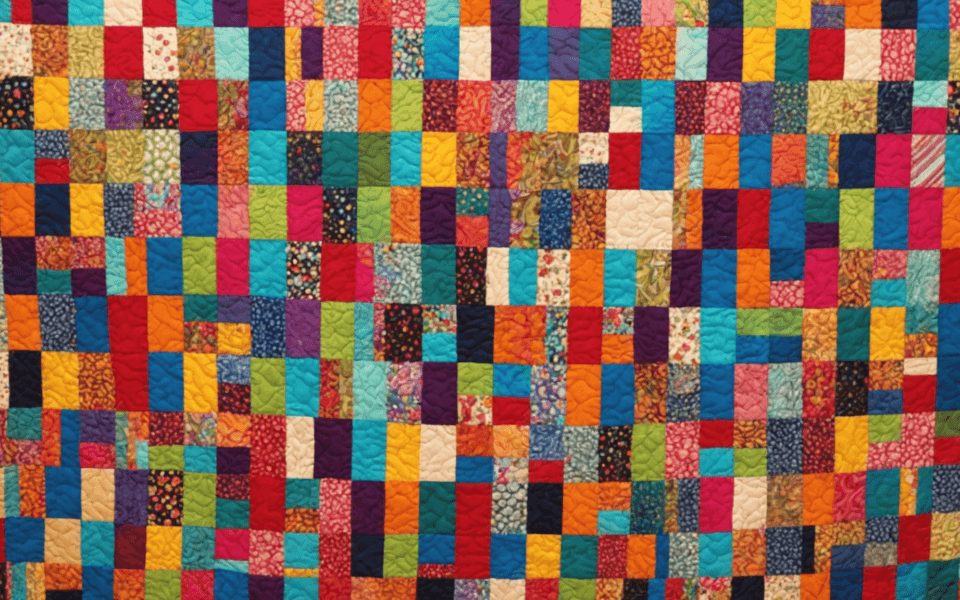
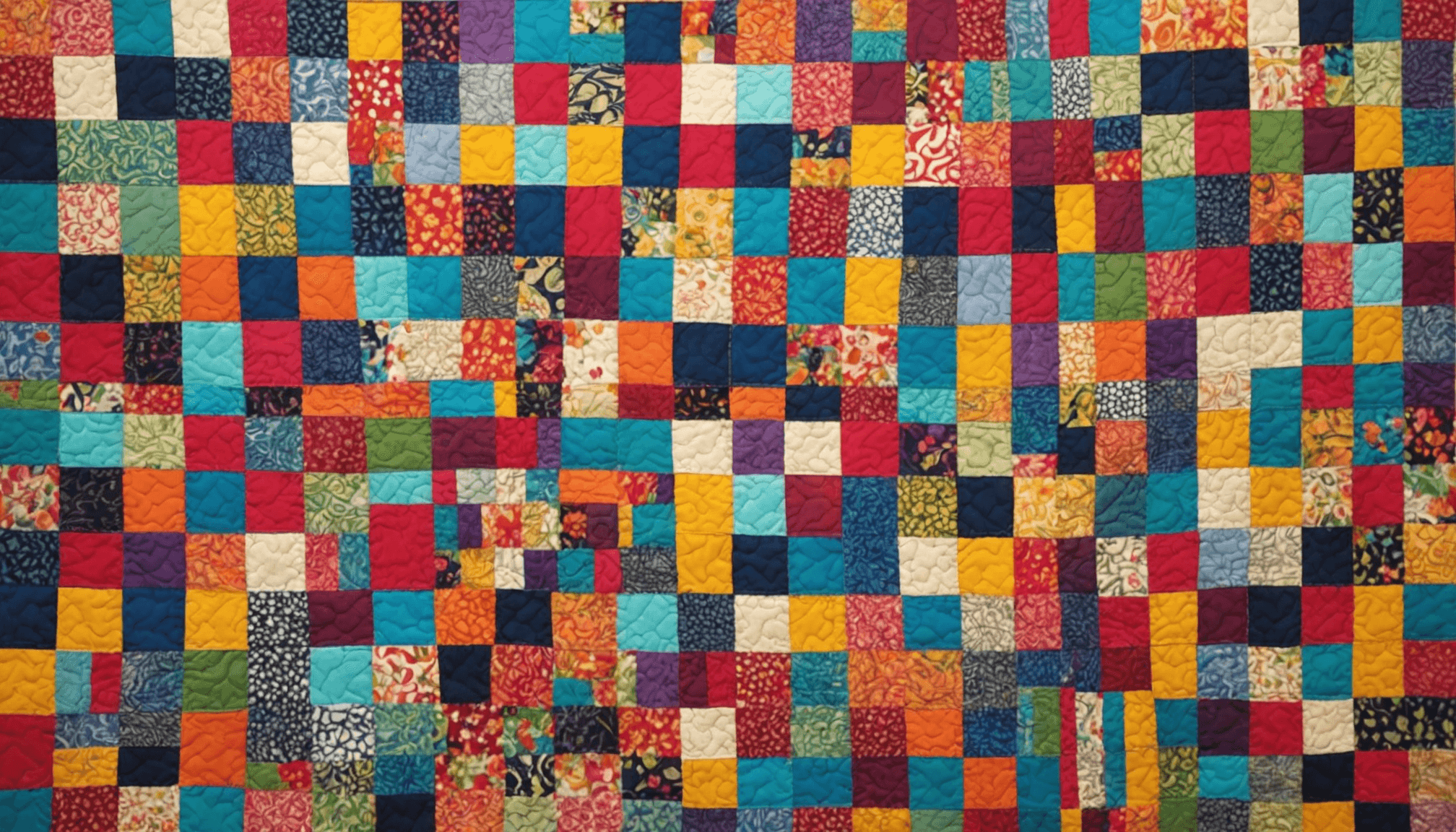
Incorporating sustainable crafts into your routine fosters a sense of responsibility and awareness about the consumption of materials. For one, repurposing fabric scraps is a fantastic way to practice sustainability while simultaneously indulging your creative side. By infusing your workspace with various textures and colors, you can transform ordinary bits into eye-catching pieces. Imagine a colorful quilt made solely from your scrap collection or a whimsical mobile constructed of fabric shapes suspended in mid-air. The possibilities are endless, and these easy projects can ignite your resourcefulness while contributing positively to the environment.
Furthermore, consider how these scraps can bridge generations. Sharing your fabric scrap projects with family, encouraging kids to engage in crafting, or even hosting a scrap swap with friends can turn the act of using leftovers into a shared experience. It encourages collaboration and creativity, allows you to explore various crafts, and possibly unearths forgotten treasures as friends share their leftover fabric. Getting involved in these projects can strengthen relationships while enveloping you in a vibrant crafting community. So, collect those bits and pieces; they are more than just scraps—they are the beginnings of something beautiful!
Essential tools and materials
Having the right tools and materials significantly enhances the enjoyment and success of your fabric scrap crafting. While you may already have some supplies on hand, creating a designated crafting kit can streamline your process and ensure you’re prepared for various easy projects.
Start with a good pair of fabric scissors. Craft scissors are designed to cut through multiple layers of fabric with ease, minimizing snags and frays. A rotary cutter and cutting mat are also beneficial, particularly for achieving clean, straight lines when trimming scraps. These tools can make working with fabric scraps more efficient, allowing you to swiftly transition from cutting to crafting.
Next, invest in quality adhesives. Fabric glue provides a versatile option for attaching pieces without the need for sewing, which can be particularly useful for those new to crafting. For projects that require stitching, a sewing machine can be a valuable asset, enabling you to work quickly and with precision. If you prefer hand-sewing, a sturdy needle and various thread colors can help you match or contrast with your fabric scraps beautifully.
Additionally, consider keeping a selection of other essential craft materials nearby. Items such as pins, clips, and a ruler can assist in the layout and assembly of your projects. You may also want a selection of embellishments like buttons, ribbons, or beads, which can add a personal touch to your fabric creations and allow for further customization.
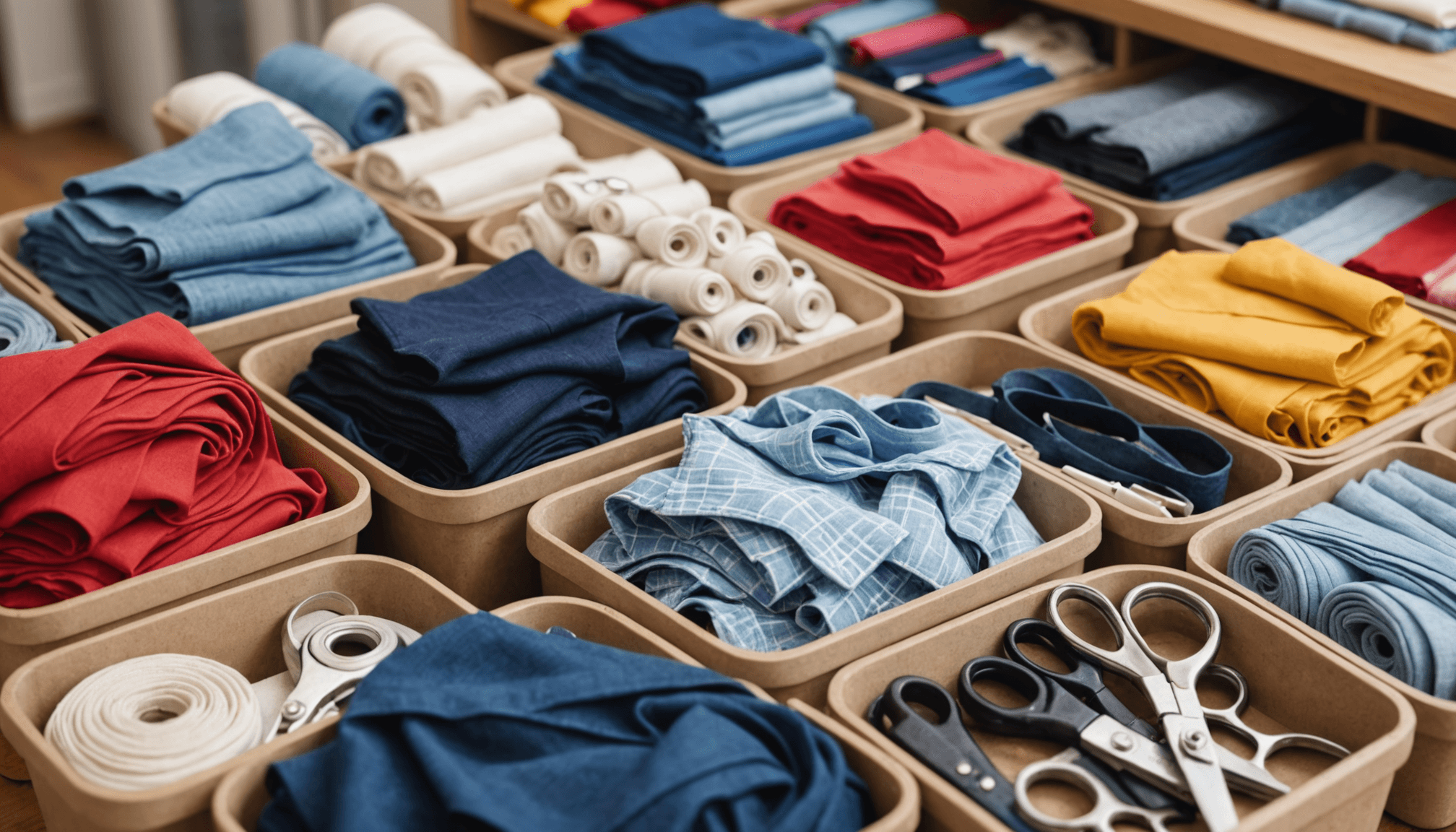
An organized workspace is crucial to maximizing your creativity. Setting up a designated area for your fabric scrap materials can help you easily access your supplies and maintain focus on your crafting endeavors. Storage bins or drawer organizers can be handy for sorting and containing different types of fabric scraps, ensuring you can effortlessly find the pieces you need.
- Use a cutting mat and rotary cutter for precise cuts and to protect your work surface.
- Keep fabric glue and thread in various colors to enhance your crafting versatility.
- Organize your fabric scraps by color or size to inspire creativity during projects.
- Incorporate embellishments to personalize your fabric scrap crafts.
- Create a designated crafting space for easy access to tools and materials, enhancing your workflow.
Simple project ideas
 When starting with fabric scrap projects, many beginners tend to overlook the importance of planning and preparing their materials. A common mistake is jumping straight into a project without a clear idea of what’s possible with the scraps they have. To avoid this pitfall, take some time to visualize your projects ahead of time. Spend a few minutes arranging different scraps together to see how they might work in combination. This can lead to surprising creative discoveries and prevent frustration later on.
Another frequent error is underestimating the power of a variety of fabric types. Often, people stick to a single type of fabric for their projects, thinking it’s easier. However, mixing fabrics—such as cotton, denim, and linen—can create more dynamic and interesting pieces. Embrace experimentation and explore how different textures and patterns can enhance your designs. Keep in mind that working with various materials may require adjusting your tools; for example, heavier fabrics like denim may need a stronger needle and thread.
Additionally, some beginners may be hesitant to cut their scraps down into smaller pieces due to fear of ruining the fabric. This can lead to an overabundance of unused larger scraps that become overwhelming. An effective strategy to mitigate this anxiety is to establish a cutting plan. Decide on a few basic sizes that you find most useful for different projects, and systematically cut your larger pieces into those dimensions. This approach not only maximizes the utility of your scraps but also encourages a mindset of fabric reuse, where every bit of material can find a purpose.
Another consideration is the choice of tools. Some may rely solely on fabric glue for assembling their projects, thinking it will save time. While fabric glue is a great option for many easy projects, don’t shy away from using a sewing machine or hand stitching when appropriate. Sewing often provides a sturdier finish and can greatly enhance the overall quality of your work. Experimenting with both methods can lead to improved techniques and reveal which works best for your crafting style.
Lastly, organization plays a crucial role in the crafting process. A common misstep is allowing scraps to become tangled or mixed up after multiple projects, leading to wasted time searching for specific pieces. To keep your workspace efficient, establish a consistent system for sorting and storing your fabric scraps. Use bins or bags labeled by color, size, or fabric type, making it easier to find what you need for your next sustainable crafts endeavor.
By being mindful of these common pitfalls and implementing simple strategies, you can enhance your crafting experience and enjoy the journey of creating with fabric scraps.
Tips for working with scraps
When working with fabric scraps, it’s essential to be strategic and resourceful, ensuring that your crafting experience is both enjoyable and productive. First, always take the time to thoroughly assess your scrap collection. Before jumping into any project, spread out your materials and let your creativity flow. Play with different arrangements and color combinations to see what resonates best with you. You’ll be surprised at what unexpected pairings can emerge.
Another crucial tip for optimizing your fabric reuse is to embrace the diversity of your materials. Don’t limit yourself to matching fabrics; instead, experiment with combining different textures and patterns. For instance, pairing soft cotton with stiffer canvas can add depth to your projects. This mix not only enhances the aesthetic appeal but also provides added durability, especially for items like bags or home decor. Just remember to adjust your tools accordingly, such as using a heavier needle for tougher fabrics.
Cutting your scraps into usable shapes is an important step that shouldn’t be overlooked. Rather than waiting for inspiration to strike, create a cutting guide for your most frequently used sizes—this will enable you to make the most of the scraps at your disposal. As you do this, you’ll start to recognize patterns in your crafting habits, which can inform future projects and help your skill development.
Moreover, always have a variety of tools handy. While fabric glue is great for quick fixes and lighter projects, sewing is often the key to achieving a polished finish. A sewing machine can significantly speed up the process for larger projects, and knowing a few basic stitches can elevate your work. However, don’t dismiss hand-sewing for smaller details, as it can offer a more personal touch.
Organization plays a vital role in maximizing efficiency when creating. Set up an easy-to-navigate storage system that sorts your fabric scraps by size, color, or type. This will not only save you time when searching for materials but also keep your crafting space tidy and inviting. A well-organized space can stimulate your creativity and make crafting feel more enjoyable.
The best part about working with fabric scraps is that every piece holds potential. Allowing yourself to let go of the fear of wasting materials can uncover incredible opportunities to make unique, one-of-a-kind creations. Each effort contributes to your growth as a crafter. So dive into your scrap bin with enthusiasm, explore your creative boundaries, and remember that the art of fabric reuse ultimately leads to beautiful creations and sustainable crafts!
Where to find fabric scraps
- Where can I buy fabric scraps?
- You can find fabric scraps at local craft stores, fabric shops, or online marketplaces like Etsy and eBay. Some fabric stores offer scrap bags at discounted prices, and thrift stores can be a treasure trove for previously owned fabric items.
- How do I know what size scraps to keep?
- A good rule of thumb is to keep scraps that are at least 2 inches wide and 3 inches long, as these can be used for small projects like appliqués or patchwork. Larger scraps above 5 inches can be saved for bigger projects like quilts or bags.
- Can I use scraps from clothing that is not made of cotton?
- Absolutely! You can incorporate scraps from a variety of materials such as denim, linen, or knits into your projects. Just be mindful of the qualities of each fabric and how they will behave when sewn together.
- What are some easy projects for beginners using fabric scraps?
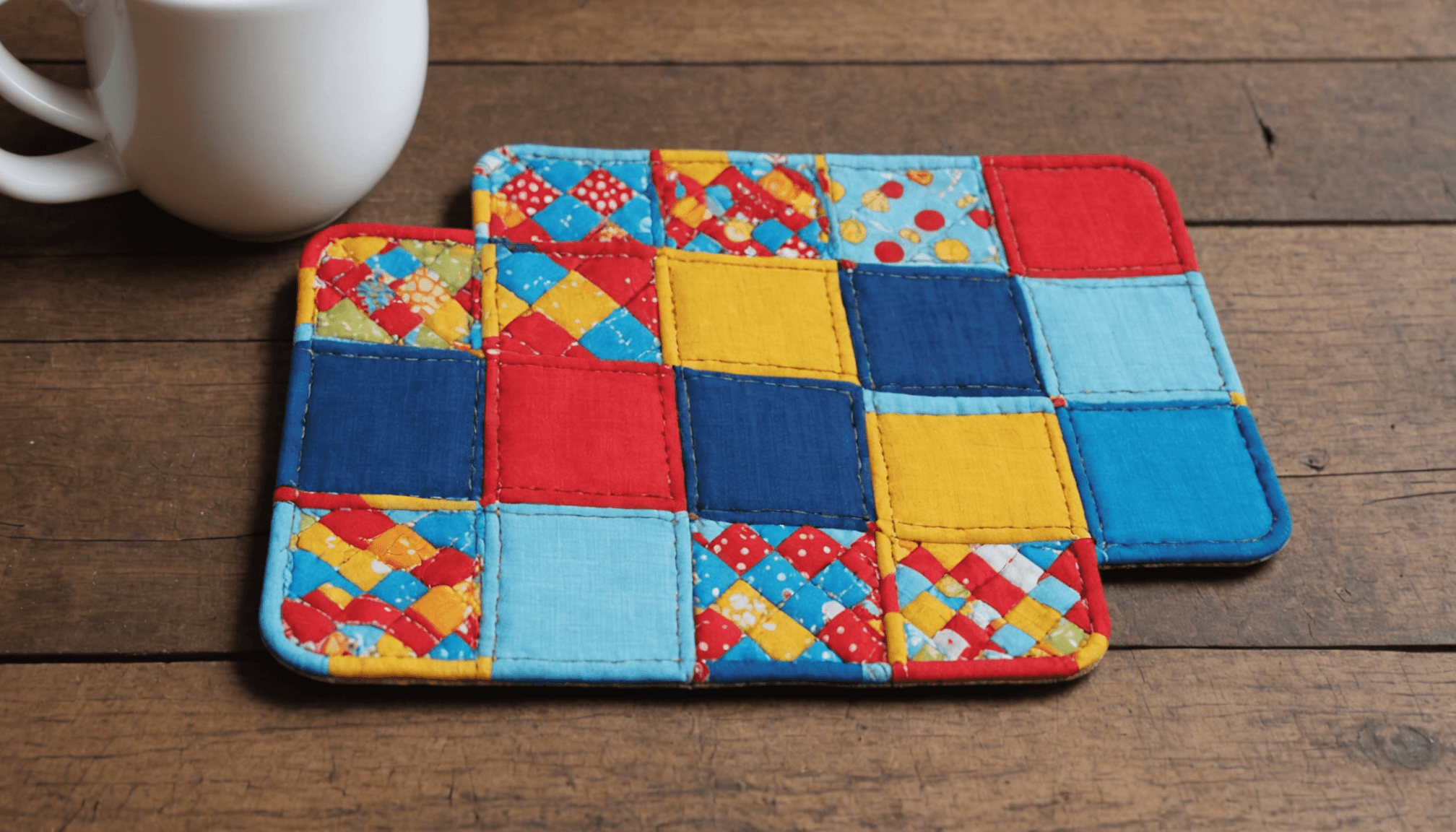
- Beginners can try simple projects like patchwork coasters, fabric bookmarks, or decorative garlands. These easy projects allow you to practice your skills without the pressure of complex designs.
- Is it okay to mix different fabric types in one project?
- Yes, mixing different fabric types can add texture and interest to your project. Just be cautious of how the different fabrics behave when sewn together, as some may stretch or fray more than others.
- How can I store my fabric scraps to prevent tangling?
- Organizing your scraps in labeled bins or ziplock bags is an effective way to keep them untangled and easy to access. Sort them by size, color, or fabric type to make your crafting process more efficient.
- Are there certain tools I need for working with fabric scraps?
- While you can start with basic sewing tools like scissors and needles, investing in a rotary cutter and cutting mat can enhance precision. Having fabric glue, pins, and a sewing machine will also expand the scope of your projects.
