



DIY Tote Bags and Reusable Crafts

- Understanding Tote Bag Materials
- Creative DIY Tote Bag Ideas
- Techniques for Reusable Crafts
- Upcycling Old Fabrics into Tote Bags
- Tips for Personalizing Your Tote Bag
When choosing materials for your DIY tote bags, it’s essential to understand the characteristics, durability, and sustainability of various fabrics. Opting for the right fabric not only impacts the bag’s aesthetic but also its functionality and eco-friendliness. As environmentally conscious crafting becomes a prevalent trend, knowing your materials can enhance your sewing projects while contributing to a more sustainable lifestyle.
Cotton is one of the most popular choices for tote bags, beloved for its softness and breathability. Organic cotton, in particular, elevates your eco crafts by ensuring that no harmful chemicals are used during its cultivation. Think about the subtle texture and vibrant colors commonly found in organic cotton fabric. It’s perfect for a casual tote that you can take to the farmer’s market or the beach. Another great option is canvas, an exceptionally durable fabric suitable for heavier items. Canvas tote bags can easily withstand heavy groceries or craft supplies without risk of tearing, making them an excellent choice for those who frequently carry heavier loads.
For those looking to add a stylish twist, consider using linen. This natural fiber boasts a unique sheen that can lend sophistication to any tote design. Linen’s inherent ability to soften over time means your tote will only get better with use, enhancing its charm. If you’re keen on experimenting, why not delve into using recycled materials? Old denim or repurposed upholstery fabric can offer unique textures and patterns that tell a story, enriching your fabric art projects with nostalgia and character. These choices also align with the current trend of sustainability in fashion, showcasing your commitment to eco-friendly practices.
Consider incorporating some of the new innovations in textile creation, such as fabric blends or prints made from recycled plastic bottles. This not only diversifies your options but also emphasizes the importance of reducing waste in our crafting endeavors. Visualize walking down the street with a striking tote bag made from a blend of recycled materials; it’s not just a conversation starter but also a bold statement regarding your commitment to environmental responsibility.
As you craft your tote bags, remember to thoroughly pre-wash your fabrics to minimize shrinkage and distortions in your final product. This little step will lead to beautifully finished bags that stand the test of time. Each fabric choice you make for your DIY tote bags becomes an integral part of your crafting story, a blend of sustainability, creativity, and personal expression. Embrace the possibilities that come with understanding these materials, allowing you to create functional pieces that not only look good but do good in our world.
Creative DIY Tote Bag Ideas
When embarking on your creative journey to make DIY tote bags, the possibilities are endless. You can explore various styles, sizes, and techniques to craft bags that reflect your personality and serve practical purposes. Here are some innovative ideas to inspire your next sewing projects.
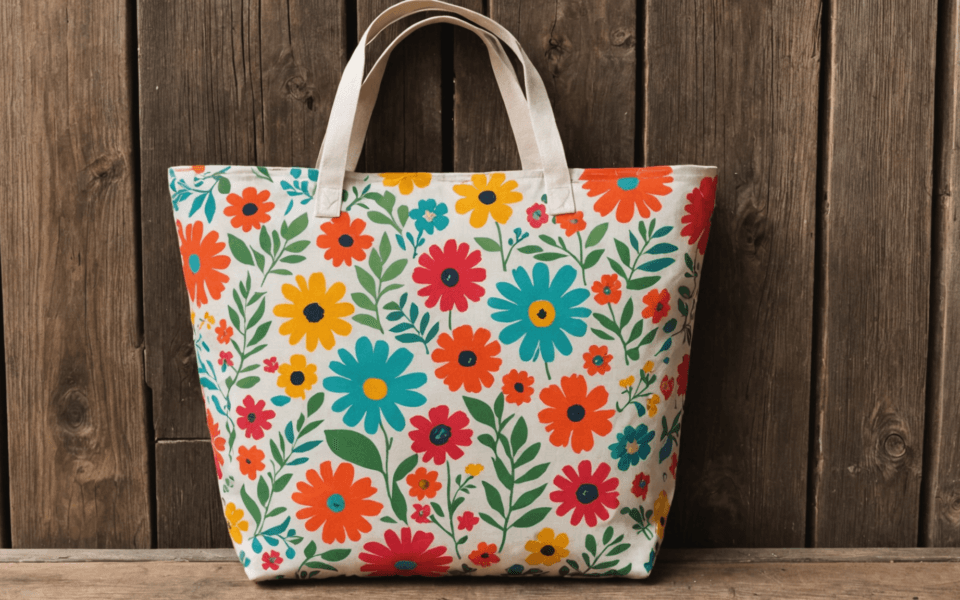
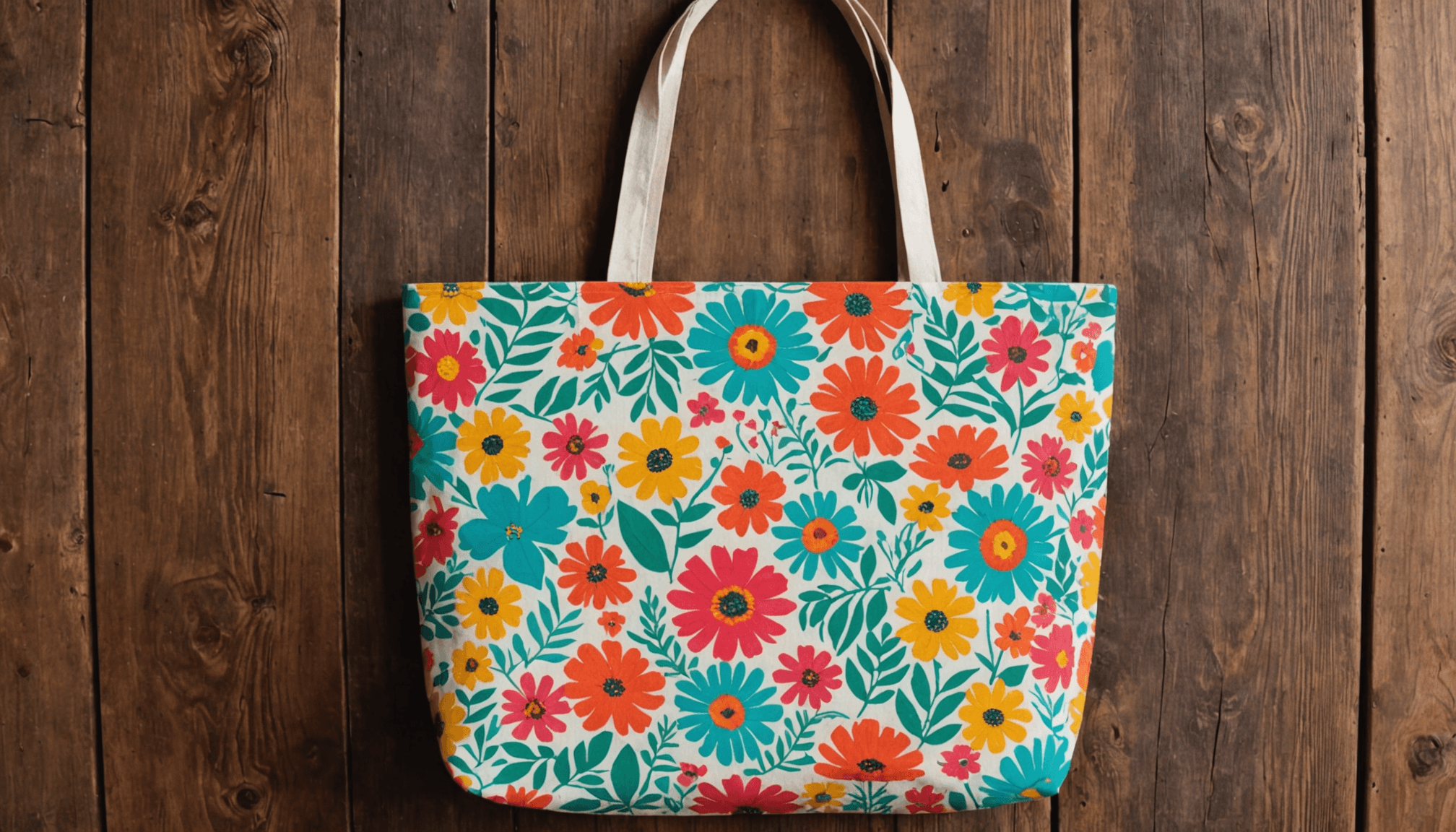
One fun approach is to design a reversible tote bag. By sewing two different fabrics together, you can create a versatile accessory that offers two looks in one. Imagine a bright floral pattern on one side and a chic solid color on the other; it provides both functionality and style, easily transitioning from a day at the beach to an evening out.
Another delightful idea is to use fabric markers or paint to personalize your tote. Take a plain canvas bag and express your creativity by adding your artwork, quotes, or whimsical designs. This direct application of your artistic vision allows for a unique touch, making each tote a one-of-a-kind piece. Alternatively, consider the technique of appliqué, where you sew additional fabric shapes onto the tote for added texture and character, such as hearts, stars, or even your initials.
For a trendy and sustainable project, transform an old T-shirt into a tote bag. By simply cutting and tying the fabric, you can create a stylish bag that’s perfect for casual outings. This not only promotes upcycling but also gives new life to clothing that might otherwise go to waste. Embrace your DIY spirit by experimenting with different sizes and handle lengths based on the T-shirt design, allowing you to craft truly unique bags.
If you’re keen on crafting for a cause, think about making tote bags for local charities or community events. This not only provides a great opportunity for enhancing your sewing skills but also allows your fabric art to contribute positively to your community. Consider using cheerful fabrics that would brighten up someone’s day, especially for kids’ organizations or programs aimed at supporting those in need.
Here are some important tips to keep in mind while working on your DIY tote bag projects:
- Choose sturdy fabrics for handles to ensure durability; reinforce stress points with extra stitching.
- Experiment with different bag shapes like bucket totes, flat totes, or tote purses to explore various styles.
- Use interfacing to give your tote structure and improve its overall appearance.
- Add pockets inside or outside for extra practicality and to help keep small items organized.
- Don’t hesitate to mix and match fabric patterns for a bold, eclectic look.
Techniques for Reusable Crafts
 When engaging in techniques for reusable crafts, several common mistakes can hinder the overall quality and functionality of your projects. One frequent oversight is neglecting to pre-wash fabrics before starting your sewing projects. Failing to do this can result in the fabrics shrinking or warping after the bag is completed, leading to disappointment when your carefully crafted tote doesn’t hold its shape or size. To avoid this, always pre-wash your materials according to their care instructions, allowing them to settle before cutting and sewing.
Another common pitfall is not choosing the appropriate thread for your fabric type. Many crafters mistakenly use standard thread for fabrics like canvas or denim, which can cause the seams to break or fray under stress. Instead, opt for a heavier weight thread or one specifically designed for strong fabrics to ensure durability, particularly at stress points like handles. Additionally, employing the right needle is crucial; using a universal needle might not suffice for thicker fabrics. A denim or leather needle works better with tougher materials, ensuring smoother stitching.
Overlooking the importance of seam allowances is also a typical error when crafting tote bags. Insufficient seam allowance can lead to seams bursting, especially if the bag is filled with heavy items. Make sure to use at least a half-inch seam allowance for stability, which provides a safety net against any unexpected strain on the seams.
When personalizing your tote bag with embellishments, crafters sometimes use materials that aren’t suitable for the fabric type or weight. For instance, lighter fabric paints might not adhere well to heavier canvases. This can result in peeling or flaking once the bag is in use. To avoid this issue, test any embellishment materials on scraps of the same fabric to ensure compatibility and durability.
It’s also important not to neglect the handle construction. A common mistake is sewing handles directly onto the outer fabric without reinforcing them, which can lead to the bag tearing under heavy loads. Always reinforce handle attachments with additional stitching and consider using interfacing to provide extra strength.
Additionally, many crafters underestimate the value of functionality in their designs. While it’s tempting to focus solely on aesthetics, forgetting to include pockets or compartments can make your tote less practical. To avoid this, think about the specific uses of your tote bag and incorporate appropriate features, such as interior pockets for small items or exterior pouches for convenience.
Lastly, when experimenting with different fabrics, some may mix incompatible materials, leading to a discordant final product. For example, pairing stretchy fabrics with non-stretchy ones can result in a bag that doesn’t hold its shape or is difficult to sew together. To prevent this, stick to fabrics of similar weights and characteristics, ensuring that they will work together harmoniously in your design.
By being aware of these common mistakes and taking the necessary precautions, you can enhance your skills in sewing projects and craft more successful and durable reusable tote bags. This attention to detail not only increases the longevity of your creations but also aligns them with the ideals of eco crafts, contributing positively to your sustainable crafting journey.
Upcycling Old Fabrics into Tote Bags
Transforming old fabrics into tote bags is not only an environmentally friendly choice but also a fantastic way to breathe new life into items that might otherwise be discarded. Start by gathering any fabrics you have lying around—old clothes, bed linens, or even curtains—all of which can provide unique textures and colors for your new bag.
When selecting your fabric, consider pieces that have meaningful history or stories tied to them. A beloved shirt can become a cherished tote, or a set of vibrant napkins from a past celebration can add character to your creation. Begin by planning your tote bag design, focusing on the dimensions and style that best suit your needs. Basic tote shapes are quite simple and can be constructed by cutting fabric into rectangles.
Before diving into sewing projects, it’s essential to properly prepare your fabric. Wash, dry, and iron your textiles to remove any lint or creases and to ensure they are clean, smooth, and less likely to bleed when washed again. If your fabric is particularly delicate or prone to fraying, consider applying a fray check around the edges or using a zigzag stitch to secure them.
Next, cut your fabric pieces accordingly. For a tote bag with a basic rectangular shape, you will need two large rectangles for the front and back panels, and two smaller rectangles for the handles. To add a touch of flair, think about incorporating contrasting fabric for the handles or lining. This not only adds visual interest but can also enhance durability, especially if you employ a sturdier material.
As you begin sewing, utilize a straight stitch for the primary seams, reinforcing them at the start and the end for additional strength. If you’re interested in personalizing your bag, consider adding pockets using leftover fabric scraps—these can be great for holding your phone or keys, keeping essentials easily accessible.
For the handles, take care to attach them securely to the bag, reinforcing each area with extra stitching to prevent them from tearing during use. Depending on the thickness of your fabric, you may want to use interfacing for added stability, giving the bag a polished finish.
If you find yourself feeling overwhelmed, remember that this process is as much about creativity and self-expression as it is about utility. Engage in the act of upcycling not only to minimize waste but also to create something that roots as a testament to your crafting skills. Each stitch weaves together a story of creativity, sustainability, and individual expression.
Embarking on this journey of fabric art encourages you to see potential in the pieces that might already exist in your home, inspiring you to turn what could have been trash into something valuable and useful. So roll up your sleeves, grab your supplies, and let your imagination guide you in creating stylish tote bags that make a difference—both for you and for the planet!
Tips for Personalizing Your Tote Bag

- What types of fabrics are best for making tote bags?
- Cotton and canvas are often preferred due to their durability and versatility. For a more sophisticated look, consider using linen, while recycled materials can provide a unique touch and promote sustainability.
- How can I personalize my tote bag?
- You can personalize your tote bag by using fabric markers or paint to add unique designs. Additionally, techniques like appliqué or attaching pockets can enhance both the style and functionality of your creation.
- Are there any eco-friendly fabric options available?
- Yes, organic cotton, recycled fabrics, and linen made from flax are excellent eco-friendly options. These materials promote sustainability while reducing the environmental impact of your fabric art projects.
- Can I use old clothes to make tote bags?
- Absolutely! Upcycling old clothing is a great way to create stylish and unique tote bags. Just ensure the fabric is clean and in good condition before starting your sewing projects.
- What sewing techniques should I use for durability?
- Using a heavier weight thread and reinforcing handles are essential for durability. Employing a straight stitch with a minimum half-inch seam allowance will also help your bag withstand weight and regular use.
- How can I add pockets to my tote bag?
- To add pockets, simply cut fabric pieces based on your desired pocket size and attach them before completing the main bag assembly. This allows for added practicality without compromising the overall design.
- What common mistakes should I avoid when making tote bags?
- Common mistakes include not pre-washing fabric, using inappropriate thread types, and neglecting proper seam allowances. Paying attention to these details will enhance the quality of your finished tote bag.
