



Creative Painting Ideas for Kids

- Creative techniques for expressing imagination
- Fun materials to explore
- Unique themes for imaginative projects
- Group activities for shared creativity
- Tips for encouraging artistic development
Encouraging kids to express their imagination through art activities can be a transformative experience. It opens up a world where colors, shapes, and ideas blend into a personal narrative just waiting to be shared. One creative technique to explore is using unconventional painting tools. Instead of the standard brushes, consider items like sponges, cotton swabs, or even their own fingers. Each tool creates a unique texture and style, allowing kids to discover various ways to transfer their imagination onto canvas. For instance, using a sponge can create a soft, blended look, while cotton swabs can produce fine details and dot patterns.
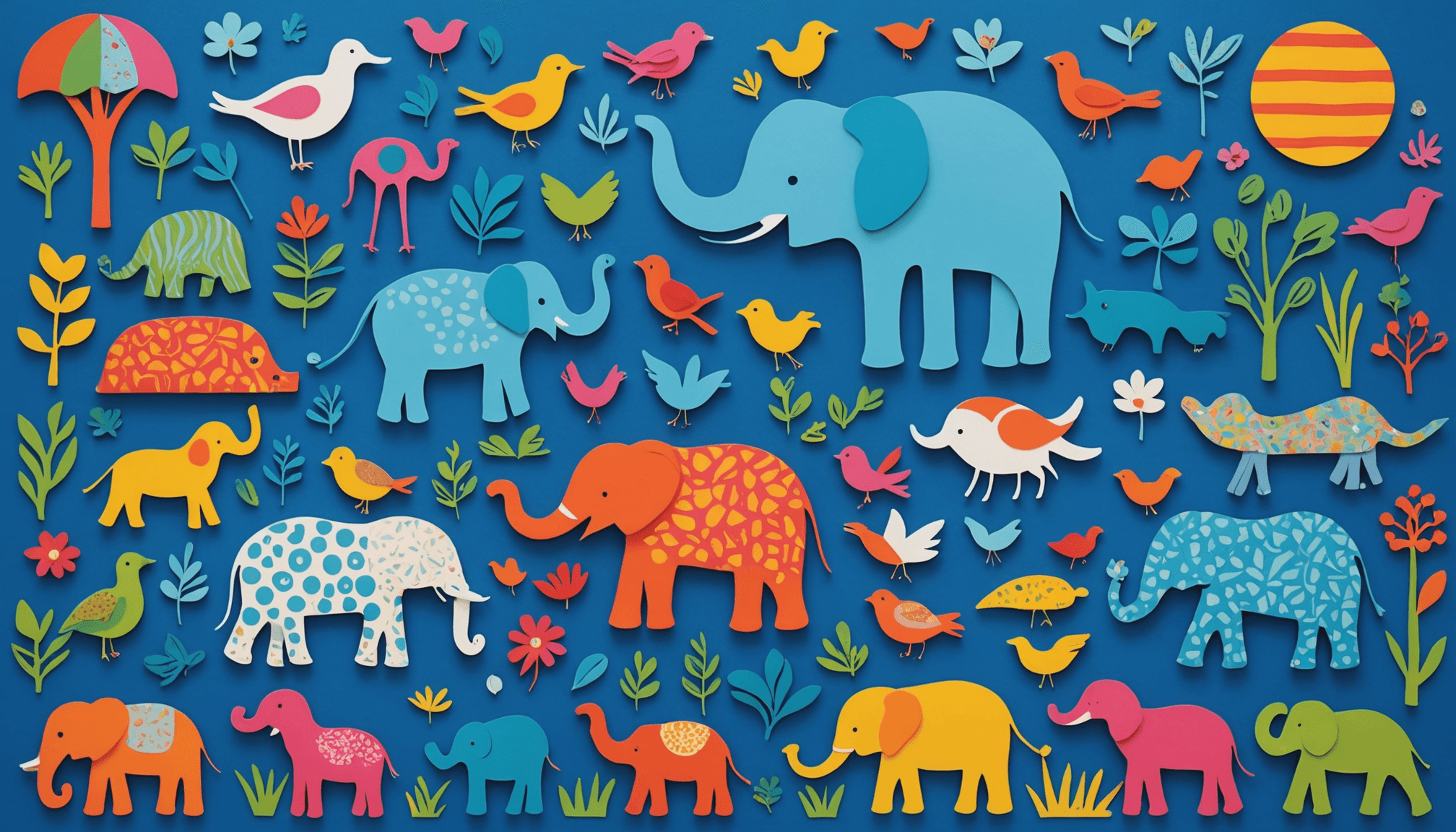
Another engaging method involves combining different art forms. Why not mix painting with collage? Begin with a base layer of painted color, and once dry, encourage kids to cut out shapes or images from magazines to glue on top for a mixed-media masterpiece. This blend of painting and collage not only enhances motor skills but also allows children to visualize how various artistic elements can coexist. Imagine a bright blue background filled with cut-out animal figures that tell a story of nature and adventure!
For those looking to integrate the outdoors into their creative learning, nature printing is an exceptional technique. Kids can use leaves, flowers, and even rocks as stamps to create textured prints. Encourage them to collect items from a nature walk, return to their workspace, and explore how these objects can transfer their patterns onto paper. The beauty of this approach lies in the unexpected results, allowing for spontaneous creativity and a sense of connection to the environment.
Art activities can also be infused with sensory experiences. For instance, introducing tactile elements such as sand, salt, or even fabric into paint can provide a multi-sensory avenue through which children can express themselves. Show them how to mix fine sand with paint for a gritty texture that brings their creations to life. Incorporating these varied textures not only enhances visual appeal but invites children to feel the artwork as they create.
Incorporating storytelling into these creative techniques helps children engage their imaginations even further. Ask them to think about a favorite story or character and ask how they might depict this through their art. Perhaps a dragon might inspire flames painted with brushes while clouds could emerge with sponges. Allowing them to narrate the inspiration behind their pieces encourages them to think critically about their artistic choices and fosters a stronger connection with their creations.
Providing a warm and encouraging environment can significantly enhance their creative expression. Allow them to take risks with their techniques, knowing that mistakes are merely opportunities for new discoveries. These methods not only stimulate artistic ability but also build confidence and expression, shaping their imaginative worlds for years to come.
Fun materials to explore
Exploring various materials can significantly enhance the art activities for kids, broadening their creative horizons and making the painting experience even more enjoyable. One exciting approach is to introduce kids to non-traditional painting media such as liquid tempera paints, which are vibrant and versatile. These paints can be applied with brushes or even materials like sponges and plastic wrap, allowing for unique blending and texture effects. Experimenting with different types of paint encourages children to think outside the box and discover new dimensions in their artwork.
Another fun material to explore is watercolor paper. This specialized paper is designed to handle the wet medium of watercolor paints, providing kids with the freedom to experiment with washes and pooling techniques. Encourage them to use different tools, like droppers or straws, to manipulate the paint on the page. The way the colors flow and interact on the paper can ignite their imagination, leading to captivating abstract art or landscape scenes.
Incorporating natural elements can also be an intriguing aspect of creative learning. Items like sand, glitter, or even coffee grounds can be added to paint to create textured and visually interesting pieces. For instance, combining sand with paint can create a beach scene, letting kids incorporate tactile elements that bring their artwork to life. These materials allow for the exploration of concepts like dimension and composition, all while enjoying the messy fun that comes with creativity.
Textiles offer another avenue for exploration in art activities. Encouraging children to use pieces of fabric, ribbons, or yarn alongside paint can create mixed media masterpieces that are bursting with color and texture. For example, they might create a colorful landscape and then attach fabric pieces as elements like a river or flowers. This combination not only makes the art project more interactive but also helps children develop fine motor skills as they cut, glue, and paint.
Lastly, don’t overlook the fun of using everyday objects as painting tools. Items like bubble wrap, cardboard tubes, and even plastic forks can be utilized to create unique patterns and effects. By encouraging kids to think of their surroundings creatively, you empower them to see art in the ordinary, fostering a sense of resourcefulness and innovation.
- Use liquid tempera paints for vibrant artwork that can handle various applications.
- Incorporate watercolor paper to explore different techniques and paint interactions.
- Mix in natural materials like sand or glitter to create texture and dimension.
- Utilize textiles to add layers and tactile elements to painted projects.
- Encourage the use of everyday objects as tools for creativity, expanding their artistic toolkit.
Unique themes for imaginative projects
 One common mistake is limiting themes to traditional topics like animals or landscapes, which can stifle creativity. Instead, encourage kids to explore unconventional themes that ignite their imagination. For example, they could paint their dreams, create artwork based on their favorite songs, or illustrate a moment in history. By exploring these unique themes, children can discover new perspectives and express themselves more freely in their art activities.
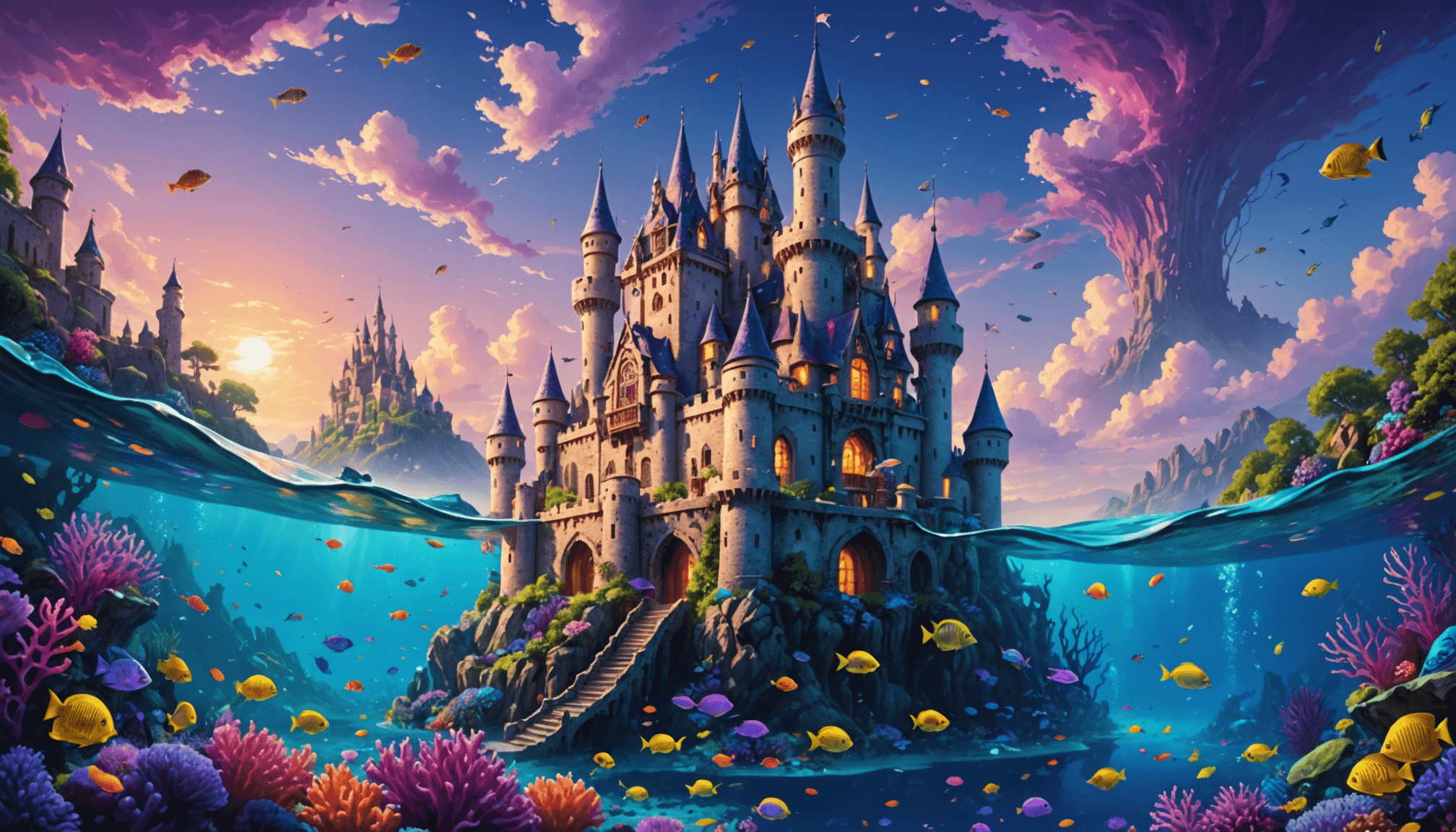
Another misstep is being overly prescriptive about the outcome. When kids feel pressure to replicate a vision exactly, it can lead to frustration and diminish their enthusiasm for painting. Instead, present them with a theme as a starting point and let them interpret it in their own way. For instance, if the theme is “underwater adventure,” one child might depict colorful fish, while another could create a whimsical underwater castle. This flexibility allows each child to engage with the theme without the fear of making a mistake.
It’s also important to avoid the trap of providing too many rules about colors or techniques, which can limit experimentation. Instead, encourage them to mix colors freely, try unexpected tools, or alter their approach to fit their ideas. If a child wants to use a purple sky in their seaside painting, support that choice! Creativity thrives in environments that celebrate individuality and risk-taking.
Another frequent issue arises from the lack of story behind the projects. Sometimes, kids dive into painting without considering the narrative they want to convey. To combat this, ask guiding questions that prompt them to think about what they want their artwork to express. Bringing in storytelling can make the creative process more engaging, allowing children to weave personal experiences or imaginary tales into their artwork.
Lastly, parents and educators often overlook the importance of showcasing children’s work. Neglecting to display or celebrate their finished paintings can diminish their sense of accomplishment. Create a dedicated space for their artwork, whether it’s a bulletin board or a digital gallery, to celebrate their creative efforts. This not only builds confidence but also encourages a continued passion for artistic expression and exploration.
Group activities for shared creativity
Engaging in group activities opens up a realm of possibilities for children to collaborate, share ideas, and inspire one another. One effective approach is to organize collaborative mural projects, where kids can work together on a large canvas or wall. This encourages them to negotiate concepts, divide tasks, and create a unified piece that reflects their shared vision. As they paint side by side, children learn the importance of teamwork and the value of different perspectives, ultimately enhancing their social skills alongside their artistic abilities.
Another fantastic group activity involves creating an “art swap.” Each child can start a project and, after a designated time, exchange it with a peer to add their unique touch. This not only nurtures creativity but also builds an appreciation for constructive feedback and collaborative improvement. They might paint a landscape that another child completes with imaginative creatures or other elements, resulting in a piece that showcases the synergy of ideas.
Host a themed painting day, where a specific topic is selected for exploration. For example, if the theme is “seasons,” groups can break into smaller teams, each focused on creating their interpretation of spring, summer, fall, or winter. This allows children to research, discuss, and prioritize what aspects of their chosen season are most inspiring to them while fostering a sense of community and shared learning.
Interactive group sessions, like “paint and share,” can also be an excellent way for children to express their ideas. Set aside time for each participant to present their work to the group, explaining what they chose to create and why. This nurtures a supportive environment where children feel validated and encourages them to express their creativity confidently.
Moreover, utilizing technology can enhance group art activities. Consider introducing digital painting tools where kids can collaboratively create art pieces online, giving them the freedom to explore new techniques and styles while connecting with their peers in an innovative way. This combination of traditional and digital media expands their understanding of art and allows for diverse expressions of creativity.
Encouraging kids to collaborate on creative projects widens their artistic horizons and strengthens their interpersonal skills. The laughter, inspiration, and shared successes that come from group activities are invaluable. So gather those brushes, ignite their passion for art, and witness their imagination flourish together!
Tips for encouraging artistic development
- What age is appropriate for children to start painting?
- Children can start exploring painting as early as 2 to 3 years old with non-toxic, washable paints. Supervised art activities foster creativity and help develop fine motor skills while allowing them to express themselves freely.
- How can I make painting activities less messy?
- To reduce mess during painting activities, set up a designated art area covered with newspaper or plastic sheets. Use smocks or old clothes for kids, and limit the amount of paint and materials they use at any one time.
- What types of paint are best for kids?
- Washable tempera paint is often the best choice for kids because it is easy to clean and comes in vibrant colors. For older children, acrylic paints can be introduced, but always ensure they are non-toxic.
- How can I encourage my child’s creativity while painting?
- Encourage their creativity by allowing them to explore different styles and techniques without strict guidelines. Ask open-ended questions about their artwork and provide various materials to inspire them to experiment.
- Should I provide a specific theme for painting activities?
- While themes can guide creative exploration, it’s often best to allow children to choose their own. This fosters individual expression and helps them develop a personal connection to their artwork.
- How frequently should kids engage in art activities?
- A regular schedule for art activities, such as weekly sessions, can help children build skills and confidence. However, it’s important to remain flexible and allow them to create whenever they feel inspired.
- What are some creative ways to showcase my child’s artwork?
- You can showcase your child’s artwork by creating a dedicated gallery wall at home or digitally documenting their pieces in a photobook. Involving them in the display process can also empower them and boost their confidence.
