




Simple Paper Crafts for Kids

- Fun Paper Craft Ideas
- Materials Needed for Paper Crafts
- Step-by-Step Instructions for Each Project
- Tips for Crafting with Kids
- Creative Ways to Display Finished Crafts
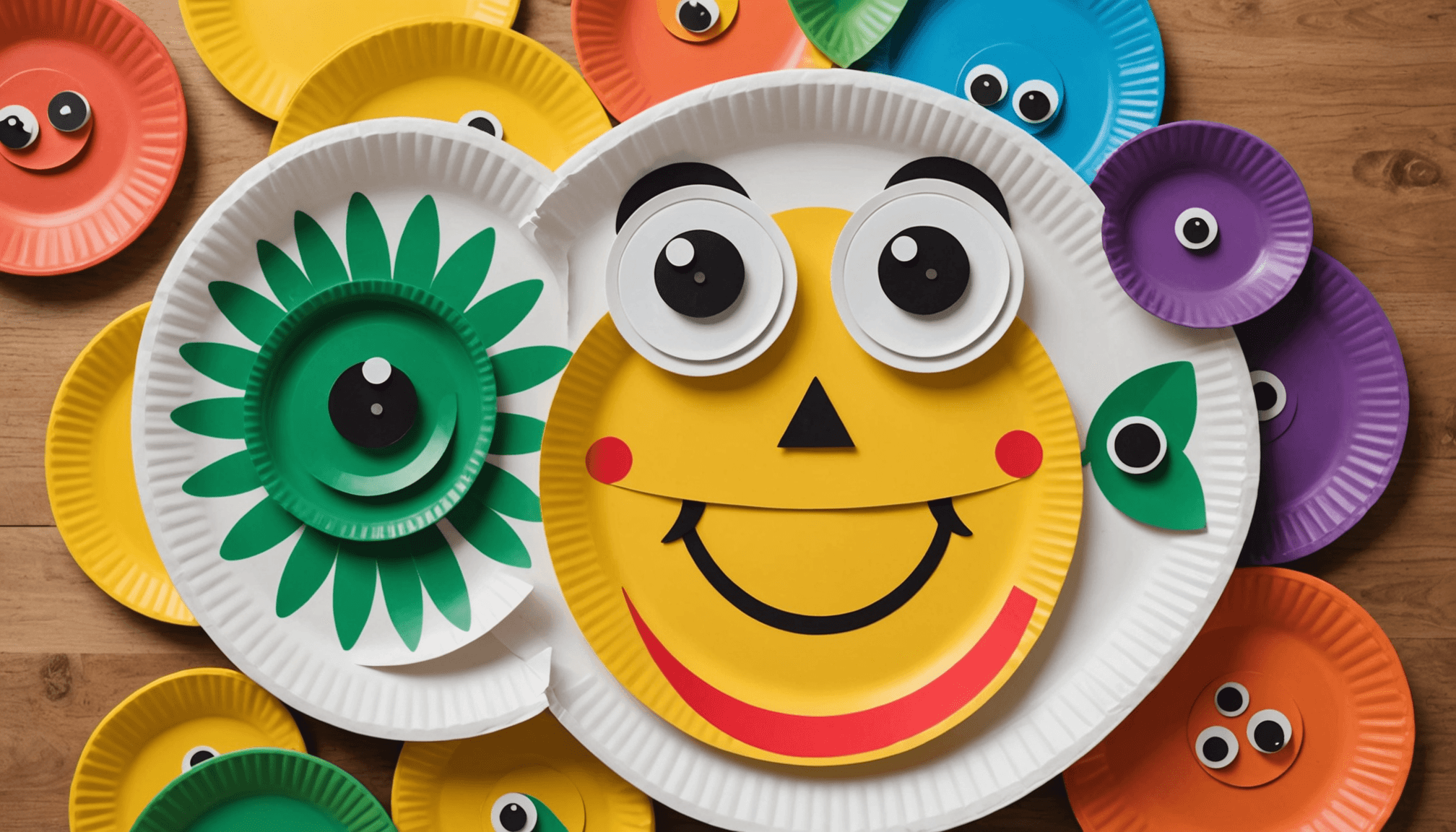
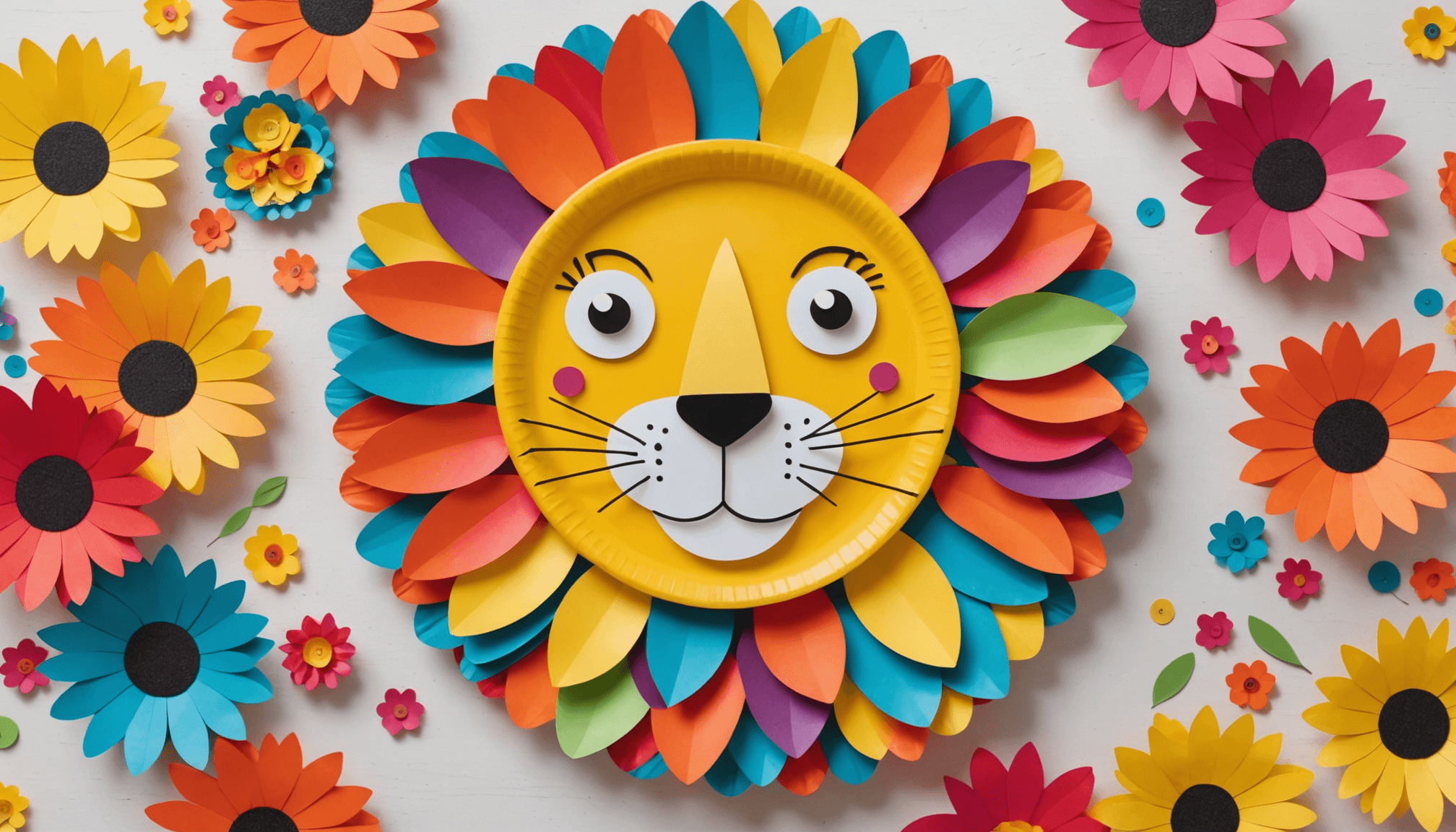
There are countless exciting ways to transform simple paper into delightful crafts that can ignite creativity in kids. One standout idea is to create colorful paper plate animals. Using standard paper plates, children can paint or color them to resemble their favorite animals. Add googly eyes, paper ears, and even tails made from construction paper, and watch as their imaginations bring these characters to life. This project not only enhances fine motor skills through cutting and gluing but also encourages storytelling as kids invent narratives about their animal creations.
Another engaging paper project is making DIY paper crowns. With just a few sheets of colorful paper, scissors, and tape or glue, children can design their own royal headgear. They can embellish the crowns with stickers, sequins, or drawings to truly make them unique. This activity fosters self-expression and allows them to role-play different characters, from kings and queens to superheroes, enriching their playtime and social interaction with peers.
For those who enjoy seasonal crafts, paper flowers are a delightful option. Using colorful tissue paper, kids can learn to fold, cut, and assemble their own bouquet of blooms. These flowers can be displayed around the house, adding a pop of color and serving as a lovely decoration. Consider encouraging children to write notes or messages on some of the petals to personalize their creations further. This combines crafting with heartfelt communication, making it a meaningful exercise.
Alternatively, creating a DIY paper mache project can be an adventurous way to spend time crafting. By recycling old newspapers and combining them with a simple mixture of flour and water, kids can mold and shape their creations into anything from whimsical masks to fun bowls. This hands-on activity not only develops their artistic skills but also teaches them about recycling and reusing materials, which is an important lesson in sustainability.
Incorporating these fun activities into your crafting sessions can stimulate creativity and provide endless hours of enjoyment. Each project opens the door to new possibilities, and it’s always heartwarming to see kids express themselves through their original designs.
Materials Needed for Paper Crafts
When embarking on paper projects with kids, having the right materials on hand makes all the difference. Here’s a list of essential supplies that will facilitate a variety of DIY crafts and ensure a seamless crafting experience.
Start with a variety of paper types, including construction paper, colored paper, tissue paper, and cardboard. Each type offers different textures and colors, allowing kids to explore their creativity. Scissors are crucial for cutting shapes and designs, so be sure to have child-safe scissors available to keep little hands safe while working.
Adhesives are also important; consider using glue sticks for neat application, as they are easier for kids to manage, or liquid glue for stronger bonds on heavier materials. Tape, both clear and washi, can add another dimension to their projects, providing instant sticking solutions without the mess of glue.
Other helpful tools include markers, crayons, colored pencils, and even watercolors for decorating their creations. Stickers and stamps can add fun embellishments, while googly eyes can bring characters to life, especially in projects like paper plate animals.
Additionally, you may want to include embellishments like sequins, feathers, and pom-poms to enhance the artistic flair of their crafts. Having a variety of these materials will allow for flexibility and inspiration when kids dive into their fun activities.
- Keep a well-organized craft box with sections for different materials to make it easy for kids to find what they need.
- Consider the age of the children when selecting tools and materials to ensure safety and ease of use.
- Encourage kids to explore and combine different materials, as this can result in unique and imaginative creations.
- Regularly replenish supplies to ensure that the crafting sessions remain exciting and full of possibilities.
- Always supervise young children when using scissors and glue to ensure safe crafting.
Step-by-Step Instructions for Each Project
 When starting any paper projects, having a clear plan and following the instructions closely can make a significant difference in the success of the crafts. A common mistake is skipping the preliminary steps—like measuring or cutting materials incorrectly—which can lead to frustration. Encourage children to take their time, as rushing can result in uneven shapes or pieces that don’t fit together. If they need to cut pieces to specific dimensions, it’s helpful to guide them with a ruler or use templates for accuracy.
Another frequent error is using adhesives improperly. Children might overapply glue, causing a mess and potentially making their crafts soggy. Teach them to apply glue sparingly and to use glue sticks for lighter paper crafts and liquid glue for sturdier materials. Using tape is another convenient option, but make sure they understand how to smooth it out to avoid bubbles and wrinkles.
Some kids might overlook the importance of letting layers dry between steps, especially in projects like paper mache. Rushing this process can lead to pieces falling apart. Remind them that good things take time, and waiting will lead to a better end product. Demonstrating patience and thoroughness during crafting also models excellent habits for them to adopt in their work.
Mixing materials without a vision can be another pitfall. For instance, combining fragile tissue paper with heavier cardboard without a clear plan might result in a craft that doesn’t hold together well. Encourage children to think about how different materials will work together and discuss their ideas before they start.
Lastly, ensuring the crafting space is organized is crucial. Kids often get distracted and may struggle to find the materials they need, which can lead to frustration. Teaching them to clean up and reorganize as they go will maintain a more productive environment and make it easier to locate necessary items for their fun activities.
By addressing these mistakes early on and providing simple strategies to avoid them, children can enjoy a more rewarding crafting experience, creating amazing DIY crafts with confidence and creativity.
Tips for Crafting with Kids
When crafting with kids, it’s essential to create an environment that fosters creativity while keeping it safe and enjoyable. One of the key elements is to establish a designated crafting space. This helps to contain the mess and makes it easier for children to focus on their DIY crafts. Use a large table covered with a disposable tablecloth for easy cleanup, and set up storage bins for different materials to help kids access supplies independently.
Another important aspect is to set clear expectations. Communicate the goals of the paper projects, whether it’s to create something specific or simply to explore their creativity. Allow kids to express their ideas and brainstorm together, fostering collaboration and enhancing their imaginative skills. Encouraging them to share their projects with family members can also make the crafting process more rewarding and meaningful.
Patience is a valuable trait to instill during crafting sessions. Remind children that mistakes are a natural part of the creative process, and that it’s okay if their crafts don’t turn out as planned. This not only reduces frustration but helps them develop problem-solving skills. Praise their efforts and creativity, regardless of the end result, to build their confidence and encourage them to keep trying.
Providing structured guidance during complex tasks can help children stay engaged without feeling overwhelmed. Offer assistance with difficult concepts, like cutting intricate patterns or assembly, but also allow them ample opportunity to explore on their own. This balance fosters both independence and teamwork—skills essential for collaborative creation.
Incorporating a variety of techniques can also make crafting sessions more exciting. Introduce different art styles or concepts, such as origami or collage, to inspire greater creativity and exploration. Making it a rotational practice to try new ideas can keep kids eager and interested in returning to their crafts.
Additionally, consider scheduling regular crafting sessions. Whether it’s a weekend project or a planned activity during family time, consistency can help children cultivate a love for DIY crafts and develop their skills over time. Armed with the right mindset and a little creativity, these crafting experiences will become wonderful memories filled with joy and laughter.
Ultimately, the goal is to embrace the process and have fun together while creating beautiful, imaginative pieces. With each project, you not only nurture their artistic skills but also strengthen your bond through shared experience and creativity. Let their imagination run wild, and watch as each paper project becomes a masterpiece of their own making!
Creative Ways to Display Finished Crafts
- What are some easy paper crafts I can do with my kids?
- Simple crafts like paper plate animals, DIY crowns, and paper flowers are great options. These projects are easy to assemble and require minimal materials, making them perfect for young children.
- How can I encourage my child to be more creative while crafting?
- Encourage your child to express their ideas and think outside the box by providing a variety of materials. Allow them the freedom to combine items and experiment with different techniques to inspire unique creations.
- What supplies do I need for paper crafting with children?
- The essentials include various types of paper, scissors, glue, tape, markers, and embellishments like stickers and googly eyes. Having a well-stocked craft box can spark creativity and make for easier crafting sessions.
- Are there age-appropriate scissors for kids?
- Yes, there are many options for child-safe scissors that are specifically designed for kids. Look for scissors with rounded tips and ergonomic handles that provide better grip and control for young hands.
- How do I organize crafting supplies for kids?
- Use clear bins or containers to categorize materials by type, such as papers, tools, and embellishments. Label each container to help kids find what they need easily, making for a smoother crafting experience.
- What should I do if my child gets frustrated with their craft?
- Encourage them to take a break and reassure them that mistakes are part of the creative process. Offer guidance if needed, but allow them to find solutions on their own to build resilience and problem-solving skills.
- How can we display our finished paper projects at home?
- Consider using a designated display wall or creating a gallery with frames for their artwork. Alternatively, clip finished crafts to a string with clothespins for a fun and dynamic showcase that can be regularly updated.
