




Creative Embroidery Hoop Projects


- Creative techniques for unique designs
- Materials needed for embroidery hoop projects
- Step-by-step guide to popular projects
- Tips for incorporating mixed media
- Finishing touches and display ideas
Exploring creative techniques for unique designs can truly elevate your embroidery projects and transform simple materials into stunning pieces of wall art or textile decor. One approach to consider is layering different stitches. By overlaying one stitch on top of another, you can create depth and texture that captivates the eye. For instance, try combining satin stitches with French knots in vibrant colors to build a dimensional floral design. Utilize a darker base stitch and a lighter, contrasting top layer to make your patterns pop off the fabric, inviting viewers to explore the intricacies of your creation.
Another innovative method is to experiment with unconventional embroidery tools. While needles and thread are the traditional staples, consider incorporating fabric paints or markers. After stitching a basic outline of a design, you can fill in areas with color, giving your piece a unique, mixed-media flair. This technique not only allows for more creativity but also offers quick ways to enhance your embroidery for those instances when time is of the essence.
Don’t shy away from abstract designs either. Play with shapes, patterns, and colors to create modern wall art that connects with contemporary aesthetics. Think outside the box—using negative space in your compositions can lead to stunning results. For example, rather than filling every inch with stitches, leave parts of the fabric blank to draw attention to specific elements or motifs. This minimalist approach can make your artwork feel fresh and sophisticated, opening up endless possibilities on your hoop.
You might also find inspiration from nature, translating organic forms into your work. Capture the essence of a leaf pattern or the swirling lines of a flower stem. Using nature-inspired designs not only brings a delicate beauty but can also convey personal stories or memories. As you get comfortable with these techniques, challenge yourself with larger scales or more intricate designs. The joy of embroidery lies not only in the final result but in the journey of exploration it provides. Share your unique creations with fellow crafters, and don’t hesitate to ask for feedback or inspiration—every artist grows by engaging with the creative community.
Materials needed for embroidery hoop projects
To embark on your embroidery hoop projects, gathering the right materials is essential. Here’s a comprehensive list of what you’ll need to ensure a successful crafting experience.
Start with the embroidery hoop itself, which comes in various sizes and styles. Wooden hoops offer a traditional aesthetic, while plastic ones may be lighter and more affordable. Choose according to your design needs and personal preference. Next, select your fabric; cotton or linen are excellent choices due to their durability and ease of use. The fabric should be tightly woven to allow for clean stitches and to hold up well during embroidery.
You’ll also want a variety of threads. Consider using cotton embroidery floss for its vibrant colors and versatility. You can explore different thread weights and materials, such as rayon or wool, to add texture and depth to your artwork. Don’t forget to have a selection of needles on hand. Different needle sizes are designed for various thread types and fabric weights, so it’s essential to match them correctly to achieve the best results.
Having a pair of sharp scissors for trimming threads is important, too. A fabric marker or pencil is necessary for marking out your design on the fabric before you start stitching. Also, consider using an embroidery stabilizer to keep your fabric from stretching or puckering during the embroidery process, particularly with intricate designs.
Lastly, additional embellishments such as buttons, beads, or fabrics of different textures can enhance your projects and add unique flair, making your wall art or textile decor more personalized and visually striking.
- Choosing the right size of the embroidery hoop can greatly impact your project; larger hoops are better for intricate designs that require movement.
- Opt for high-quality threads to avoid fraying and ensure the colors remain vibrant over time.
- Don’t neglect to properly secure your fabric in the hoop; a tight fit will help maintain precision in your stitches.
- Experiment with different fabric types, as they can yield varying textures and appearances in your final piece.
- Keep your workspace organized to easily access tools, which enhances creativity and efficiency during the embroidery process.
Step-by-step guide to popular projects
 To successfully navigate your embroidery projects with an organized and thoughtful approach, it’s important to be aware of common pitfalls that can hinder your progress. One mistake many beginners make is underestimating the significance of fabric tension. If your fabric is too loose in the hoop, it will lead to inconsistent stitches and puckering, which compromises the overall look of your wall art. To avoid this, ensure the fabric is taut and secure before you start stitching. Regularly check the tension as you work to maintain a smooth surface.
Another common issue is not using the proper needle for the type of thread or fabric you’re working with. Using a needle that’s too thick can create large holes in the fabric, while one that’s too thin might break under stress. Consult a guide to match needle sizes with thread types and fabric weights, ensuring a smooth stitching process.
Additionally, improper organization of threads can lead to tangles and frustration. It’s easy to misplace or confuse different colors, especially when you’re working with a wide palette. Keep your threads neatly organized in containers or on a dedicated thread stand. Labeling containers with color numbers or names can save you time and stress when picking colors.
Another aspect that often gets overlooked is the preparation of your design. Skipping the step of sketching your pattern onto the fabric can result in misalignment and uneven patterns in your embroidery. Take the time to transfer your design accurately using a fabric marker or pencil, ensuring that you have a clear guide to follow as you stitch.
Finally, many beginners neglect the importance of taking breaks. Continuous stitching can lead to fatigue, causing mistakes and less precision. Schedule breaks to rest your hands and eyes, allowing you to return to your project with fresh focus. These small adjustments can significantly enhance the quality of your textile decor and the enjoyment of your embroidery process, promoting a productive crafting experience.
Tips for incorporating mixed media
Incorporating mixed media into your embroidery projects opens up a world of creative possibilities. Start by considering how you can blend various materials with traditional embroidery techniques. For example, using fabric scraps, lace, or even paper can add unique textures to your designs. When layering these materials, use an appropriate adhesive to secure them before stitching—fabric glue works well for both fabric and paper, ensuring everything stays in place.
Another exciting way to integrate mixed media is through the use of found objects. Items such as buttons, charms, or bits of jewelry can be strategically sewn onto your hoop projects to add dimension and personal storytelling. Think about the narratives your chosen embellishments convey; each piece can represent a memory or sentiment, enhancing the meaning behind your textile decor.
Don’t forget about color! Using paint or ink to accentuate your embroidery enhances visual impact. Consider painting the background fabric with a light wash of watercolor or acrylic before you begin stitching. This technique allows you to create stunning backdrops for your designs, blending hand-painted elements with embroidered details beautifully. Just be sure to let your paint dry thoroughly before starting your stitching.
Consider also the concept of layering with different stitches. Combining machine and hand embroidery creates a dynamic contrast. If you have access to a sewing machine, try out free-motion stitching for bold lines and shapes, then hand-embroider delicate details to complement them. This fusion not only enriches your overall design but also adds a contemporary feel to your wall art.
As you explore these techniques, remember the importance of experimentation. There’s no right or wrong when it comes to mixing different materials; allow your intuition to guide you. Embrace the process of discovery and let your imagination take charge. So gather your materials, unleash your creativity, and dive into the beautiful adventure of mixed media embroidery. Each project is a chance for self-expression, and the only limit is your willingness to try something new!
Finishing touches and display ideas
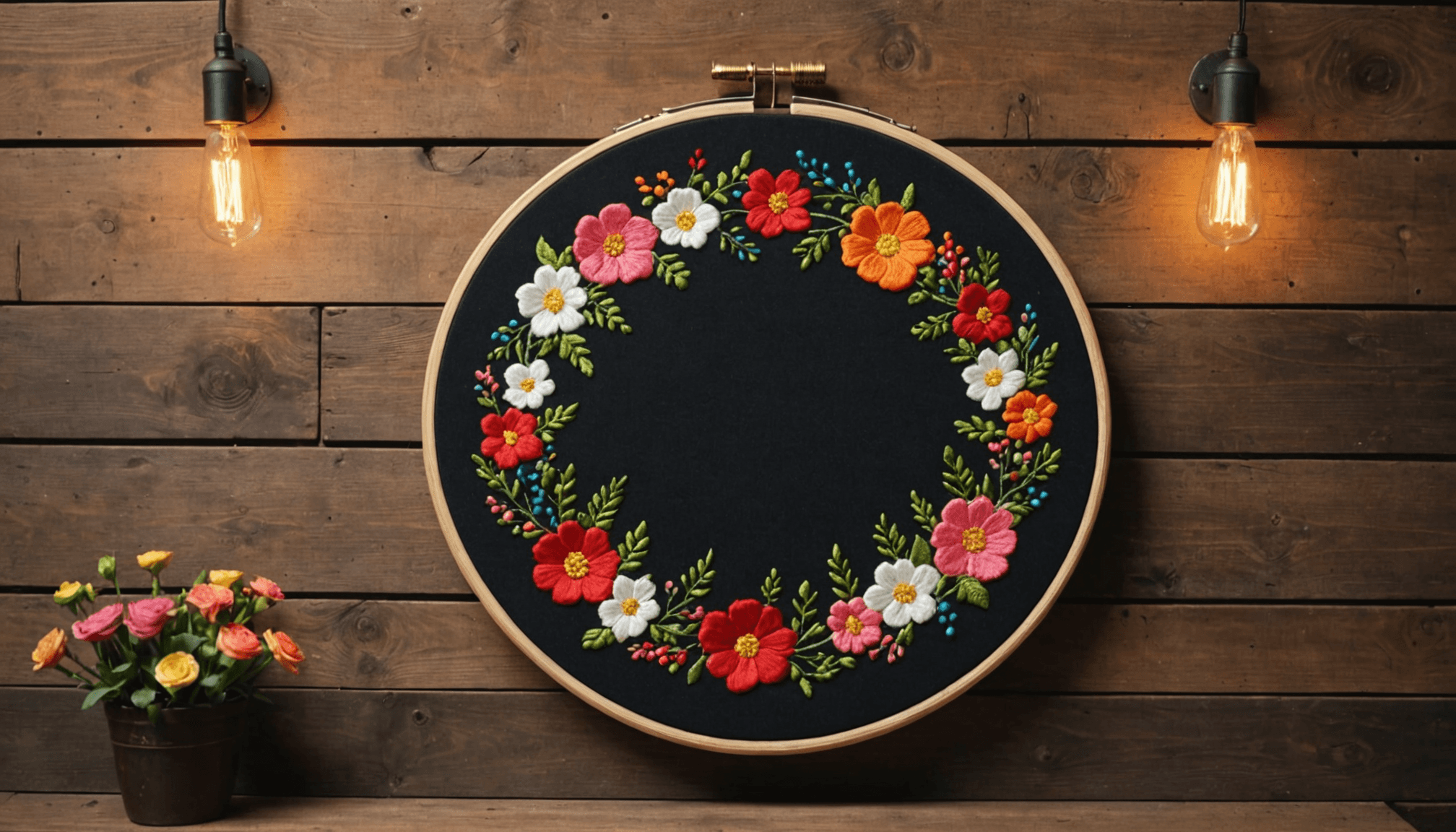
- What is the best way to display my embroidery hoop projects?
- Displaying your embroidery hoops can be achieved in various ways. Consider using a simple wall-mounted display, clustering several hoops together for a gallery effect, or utilizing stands for tabletop displays, which can also allow for easy rotation of your pieces.
- Can I wash my fabric after completing the project?
- It is generally not recommended to wash your finished embroidery projects, as this can affect the integrity of the stitches and colors. If necessary, spot clean with a damp cloth, and always ensure that any fabric paint or markers used are wash-safe before starting your project.
- How can I keep my stitches secure while displaying the embroidery hoop?
- To ensure your stitches remain intact, make sure the fabric is tightly placed in the hoop and secure the back with a small piece of felt or fabric tape. Regularly check the tension and adjust as needed to prevent any pulling or loosening over time.
- What types of hanging hardware work best for embroidery hoops?
- Using a small picture hanger, clip, or even adhesive wall hooks can be effective options for hanging embroidery hoops. Choose a method suitable for the weight of your project and the type of wall surface to which you’ll be attaching it.
- How can I incorporate lighting into my display for my embroidery art?
- Adding LED strip lights or spotlights can enhance the visual appeal of your embroidery pieces. Consider placing lights behind or around the embroidery hoops to create a soft glow that highlights the textures and colors of your embroidery.
- Is it possible to incorporate my embroidery into functional decor items?
- Absolutely! You can transform your embroidered pieces into functional items like cushion covers, tote bags, or decorative pillowcases, adding a personal touch to your home decor while maintaining the artistic flair of the embroidery.
- What should I do if my fabric starts to sag or lose tension over time?
- If you notice your fabric sagging in the hoop, you can gently tighten the screw of the hoop to restore tension. Alternatively, you may consider re-stretching the fabric or replacing it if the sagging persists.
