



Nature-Inspired Arts and Crafts Projects

- Nature-based Inspiration for Creative Projects
- Materials Sourced from the Outdoors
- Step-by-Step Guide to Nature Crafts
- Tips for Enhancing Your Projects
- Showcasing Your Nature-Inspired Art
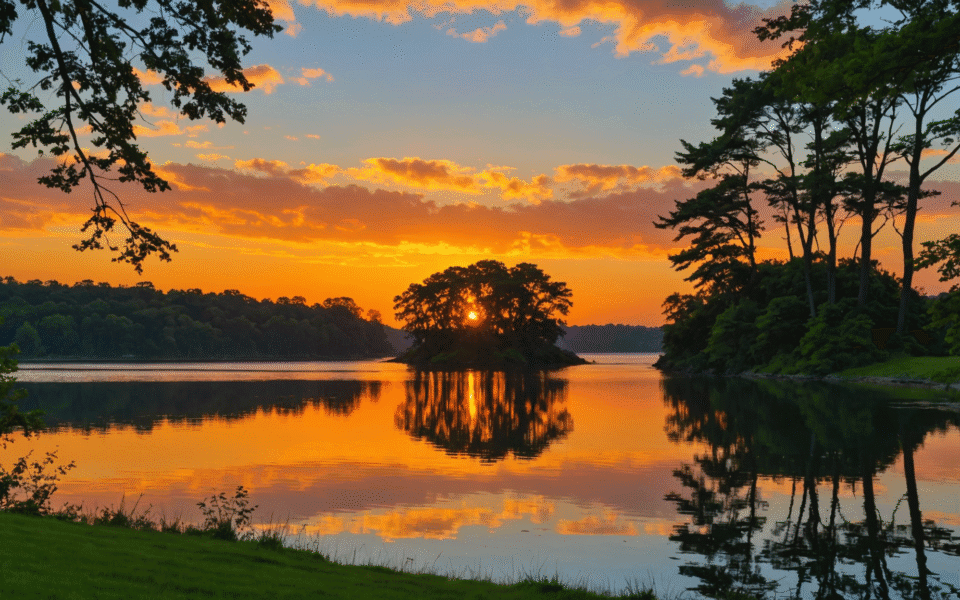
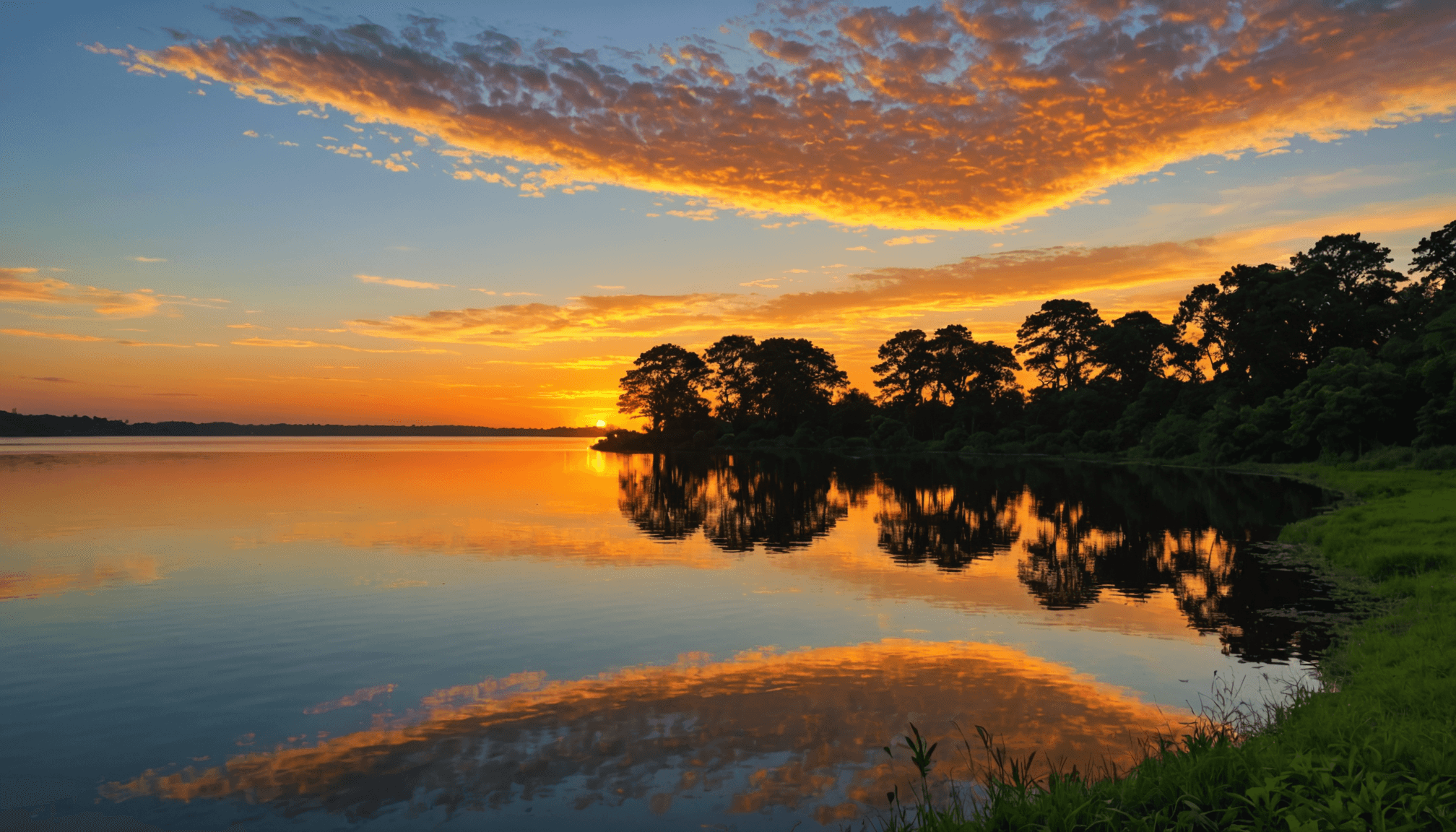
Color palettes inspired by serene landscapes can ignite creativity and warmth within any art piece. Imagine the soft blues of a clear sky melding into the gentle greens of lush foliage or the vibrant oranges and yellows of a sunset reflecting on the water’s surface. These hues can be translated into threads for your cross stitch projects, creating beautifully nature-inspired designs that invoke calm and connection to the outdoors.
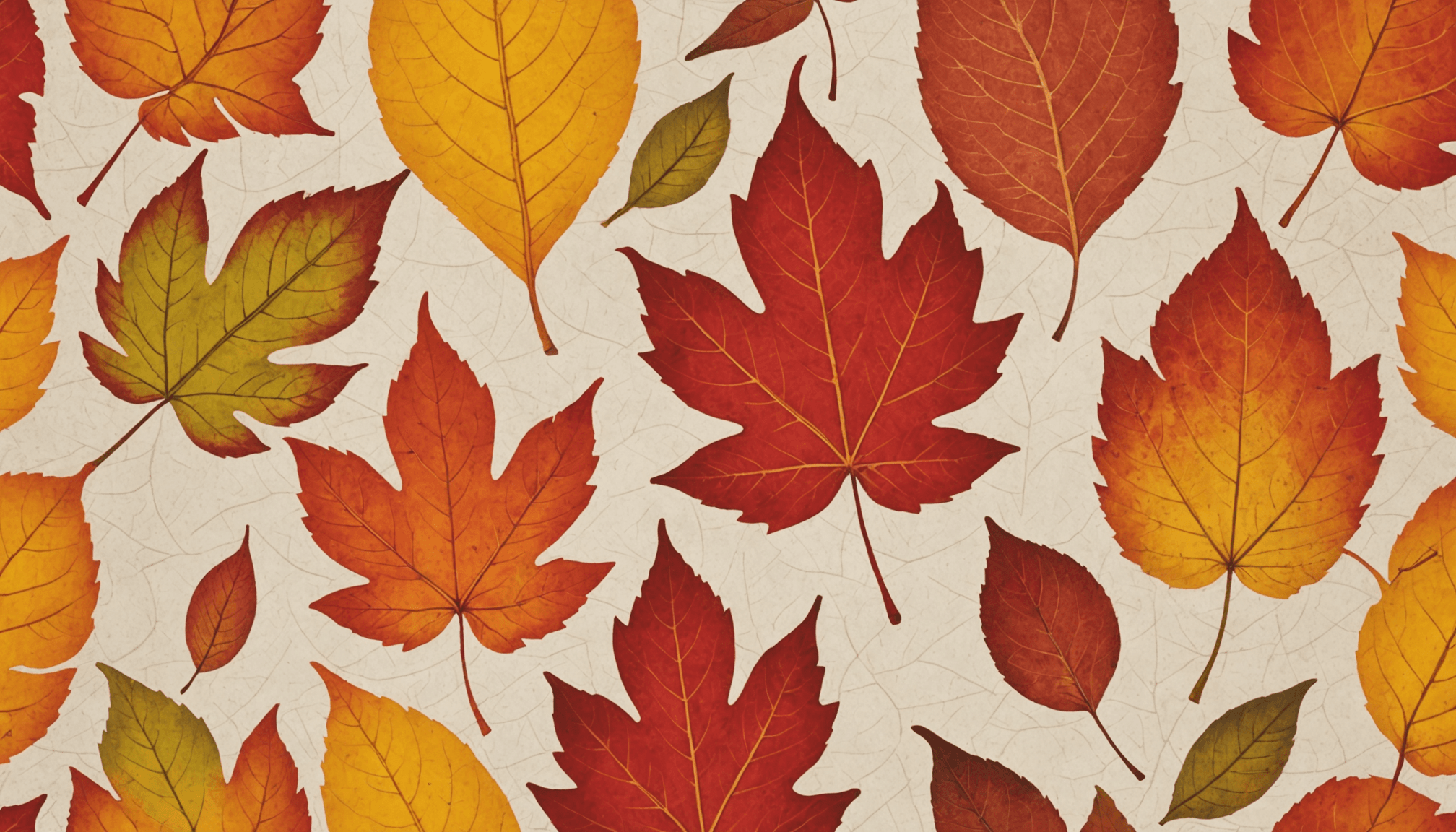
Consider incorporating different textures into your work as you draw inspiration from nature art. The delicate patterns of a leaf or the rugged surface of a tree bark can be represented through varying stitches and techniques. For instance, using a textured stitch like the French knot can mimic the dimpling effect found on a flower petal, adding a tactile quality to your embroidery. Visualizing these elements can help you create designs that resonate with the organic, intricate beauty found in nature.
Furthermore, the sheer diversity of nature can spark fresh ideas for motifs in your projects. Think of the myriad shapes you observe during a nature walk: from the elegant curves of a vine or the geometric patterns of a pine cone. Each of these elements can become a motif in your embroidery. You might choose to stitch a wildflower meadow scene on a tote bag, or an underwater landscape rich with fish and coral on a cushion cover. These outdoor crafts not only breathe life into your home decor but also reflect personal connections to nature’s artistry.
As you embrace these inspirations, don’t shy away from making bold choices. Nature is unpredictable and full of surprises, so let this guide your creativity. If woodland creatures inspire you, perhaps a whimsical representation of a fox or owl could become a focal point in your cross stitch design—inviting an element of storytelling into your work. By blending bright colors, textured stitches, and imaginative motifs, your projects will undoubtedly radiate the vibrant energy of the great outdoors.
Interactions with fellow artists and crafters can further enrich your experience. Share your creations, discuss your sources of inspiration, and collaborate on community projects to bring a wider appreciation of eco ideas to life. Craft events or workshops that focus on nature-inspired themes can bolster your skills while inviting likeminded individuals to create together. Such collaborations not only strengthen your craft but also foster a deeper appreciation for the artistry found within nature itself.
Materials Sourced from the Outdoors
Gathering materials from the outdoors opens a realm of possibilities for your nature-inspired arts and crafts projects. Nature provides a bountiful supply of unique elements that can elevate your artistic expression while allowing you to engage with your environment. This exploration can transform ordinary items into extraordinary art, creating a tangible link to the natural world.
Start by looking for items in your immediate surroundings. Leaves of various shapes and sizes can serve as stampers or templates for painting. Their veins and textures create stunning patterns when printed onto fabric or paper. Twigs and branches can be utilized to create frames for your artwork or to form the skeletons of whimsical sculptures. Pine cones, acorns, and pebbles can add a delightful touch to any craft, serving as embellishments or the main focus of your project.
Consider foraging for natural dyes as well. Many plants, fruits, and even spices can produce a palette of colors suitable for dyeing fabric or wool. For instance, marigold flowers can yield bright yellow hues, while red cabbage can give you a beautiful lavender. Experimenting with these natural resources not only fosters creativity but also encourages a sustainable approach to your crafting.
When gathering materials, it’s essential to do so responsibly. Ensure you’re not damaging the environment, and be mindful of local regulations regarding foraging. Only collect what you need, and leave certain items behind to maintain the ecosystem. Harvesting from your own garden or from ethical sources, like farmers’ markets, can also be great alternatives.
In addition to natural items, consider incorporating recycled materials into your projects. Ordinary objects, such as cardboard, glass jars, or old fabrics, can be reimagined into beautiful nature art. This practice not only reduces waste but also sparks creativity as you find inventive ways to give new life to discarded items.
Building your collection of outdoor crafts materials can be a fun and fulfilling activity in itself. Set aside time for regular nature walks, and bring a bag to collect interesting finds. Engaging with friends or family during these outings can enhance the experience, promoting bonding over shared creative interests.
- Always ensure responsible gathering of materials by being mindful of local laws and environmental impacts.
- Create a designated craft space where you can sort and store your natural finds for easy access.
- Experiment with natural dyes from common plants or foods around you to enhance your projects.
- Combine recycled materials to create unique pieces of nature art while contributing to sustainability.
- Consider collaborating with local artists to explore new ways of using outdoor crafts materials effectively.
Step-by-Step Guide to Nature Crafts
 A common mistake individuals make when embarking on nature crafts is not properly preparing their materials. Many overlook the significance of cleaning and drying natural elements before use. For example, leaves or flowers should be free of dirt and moisture to prevent mold from forming, which could ruin the final project. To avoid this, take the time to gently wash any collected items and allow them to dry thoroughly before incorporating them into your crafts.
Another error is failing to consider the longevity of outdoor materials. While using natural items can create a beautiful aesthetic, many elements can deteriorate over time. It’s important to choose materials that can withstand the test of time or be aware of how you will preserve them. For example, consider using resin or a sealant for leaves and flowers to retain their beauty, or choose sturdier components like twigs and stones that are less likely to fall apart.
Additionally, many crafters tend to rush the design process. Nature art often thrives on careful observation and experimentation, so it’s crucial to take your time when planning your project. Sketching out ideas and allowing them to evolve as you work can lead to a more meaningful and polished final piece. Avoid the urge to adhere strictly to a plan; embrace the spontaneity that nature’s inspiration offers.
Not organizing your workspace can lead to chaos and frustration, another common pitfall. A cluttered area makes it challenging to find materials and can stifle creativity. Create a tidy and designated craft space where everything is within reach. Use containers or baskets to categorize different natural finds like leaves, pressed flowers, and twigs, making it easier to visualize your project as you work.
Lastly, beginners often underestimate the impact of color and texture in their projects. Ignoring these elements can result in flat or uninspired nature crafts. Instead, aim to experiment with a variety of shades and materials. Layering colors and textures elevates the overall artistic expression of your work. For instance, combining the roughness of bark with the softness of petal fabric can create a dynamic visual contrast, enriching your nature art.
By being mindful of these common mistakes and approaching your outdoor crafts with careful consideration and creativity, you can enhance your projects, making them not only beautiful but also a true reflection of the natural inspirations that surround you.
Tips for Enhancing Your Projects
Explore the importance of incorporating unique techniques and additional elements to enhance your nature-inspired projects. To start, consider the overall design layout of your work. Utilize asymmetry to give your pieces a natural, organic feel, echoing the unpredictable beauty of the outdoors. Balance your chosen motifs with a variety of sizes and orientations for visual interest, ensuring that your composition feels dynamic and engaging.
Incorporating unexpected materials can also add depth to your crafts. For instance, infusing your nature art with metallic threads or beads can create stunning highlights that catch the light, mimicking the sparkle of dewdrops on grass or sunlight filtering through tree branches. Don’t hesitate to mix textiles with natural elements; combining soft fabric with harder materials like shells or stones can create a rich tapestry of texture that invites touch and exploration.
Experimenting with various techniques can broaden the scope of your outdoor crafts. Integrate techniques like decoupage using collected leaves or petals, layering them onto wood or fabric for a creative twist that brings your project to life. Creating natural dyes from flowers or fruits not only enhances colors but also adds an eco-friendly aspect to your work, inviting a deeper connection to the environment.
Engagement with nature can inspire the storytelling aspect of your projects. Each piece can carry a narrative—perhaps a stitched piece depicting a garden captured through seasons, with one panel showing blooming flowers and another showcasing fallen leaves. This layered approach brings a deeper meaning to your work, celebrating the cyclical nature of life and art.
Finally, seek inspiration from admired artists or historical naturalists. Discover their techniques and styles to inform your approach while adding your unique voice. Attend workshops, view exhibitions, or join online forums to share your work and gain feedback. Embrace communal creativity by engaging with others who share a passion for nature art. Collaboration can open new avenues for inspiration and skill development, enriching your understanding and appreciation of the craft.
As you dive into these strategies, remember that the journey is just as important as the finished piece. Allow your creativity to unfold naturally—trust the process, experiment boldly, and let nature guide your artistic expression.
Showcasing Your Nature-Inspired Art
- What are some easy nature-inspired crafts I can start with?
- Begin with simple projects like leaf printing, twig picture frames, or flower pressing. These options require minimal materials and can be completed quickly, making them ideal for beginners.
- How can I ensure my natural materials are preserved in my crafts?
- Properly clean and dry your materials before use to prevent mold and decay. Additionally, consider using sealants or resin to protect delicate items like leaves and flowers from deterioration over time.
- Can I use store-bought materials in my nature crafts?
- Absolutely! Combining store-bought materials, like fabrics or embellishments, with natural elements can create stunning contrasts and enhance your overall design. This approach allows for more creativity while maintaining the essence of nature art.
- What tools do I need for crafting with outdoor materials?
- Basic tools such as scissors, glue, paintbrushes, and a hot glue gun are essential for working with natural materials. Additional items like tweezers, a craft knife, or a sewing kit can help refine your projects.
- How can I make my crafts more eco-friendly?
- To promote sustainability, focus on using natural items responsibly gathered from your surroundings. Incorporating recycled materials and opting for eco-friendly adhesives and paints can also reduce your environmental impact.
- What should I do with my completed nature-inspired art?
- Consider showcasing your work in well-lit areas or using natural light to enhance its beauty. You can also participate in local craft fairs, community art shows, or online platforms to share your creations with a wider audience.
- Are there any safety considerations when foraging for materials?
- Yes, it’s crucial to identify plants accurately and avoid collecting items from polluted areas. Be mindful of local regulations regarding foraging, and practice sustainability by only taking what you need while leaving a healthy environment intact.
