



Arts and Crafts Ideas for Kids

- Creative Projects Using Recyclables
- Fun Painting Techniques for Kids
- Easy DIY Crafts for Every Season
- Engaging Activities for Fine Motor Skills
- Art Supplies Every Child Should Have
Reusing materials not only fuels creativity but also teaches kids the importance of sustainability. Imagine a rainstorm of colorful bottle caps cascading from a table as your little one decides they’re going to build a whimsical garden or a friendly monster. These creative projects using recyclables can transform everyday trash into treasured keepsakes and encourage children to think outside the box. Plus, it’s an excellent way to spark environmental awareness while having fun!
Start by gathering common household items such as cardboard boxes, egg cartons, plastic bottles, and paper towel rolls. Each item offers unique possibilities. For instance, an empty cereal box can become a mini puppet theater, while plastic water bottles can transform into marvelous flower vases when painted and decorated. Don’t forget to advocate for parental supervision during these tasks to ensure safety while navigating scissors or hot glue.
Let’s dive into some DIY for children projects. A popular one is creating a robot from small boxes and various recyclables. Let kids use markers, stickers, and scrap paper to decorate their robots, adding googly eyes made from bottle caps or buttons for added character. This project is not only fun but great for imaginative play, allowing children to narrate adventures with their new mechanical friends.
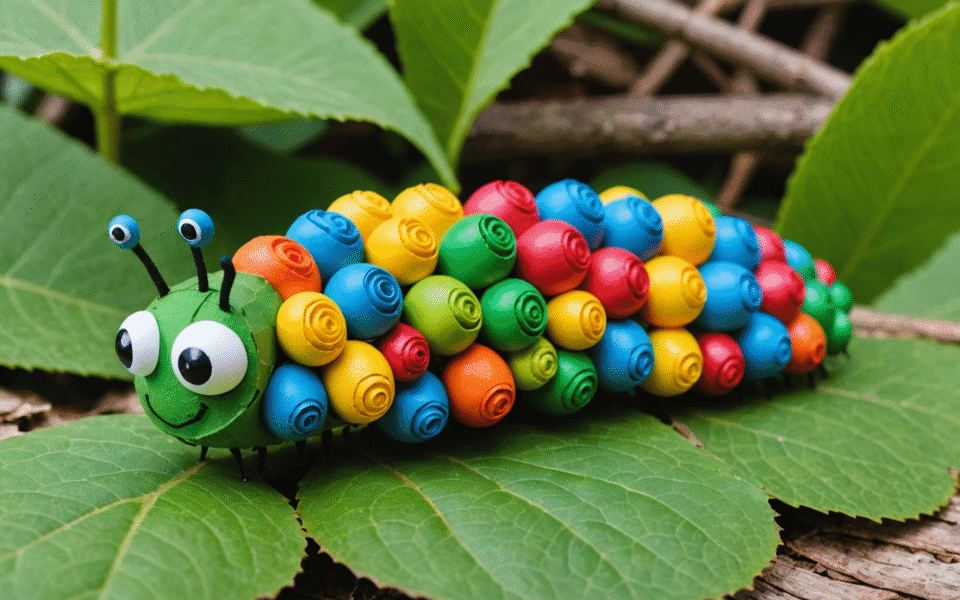
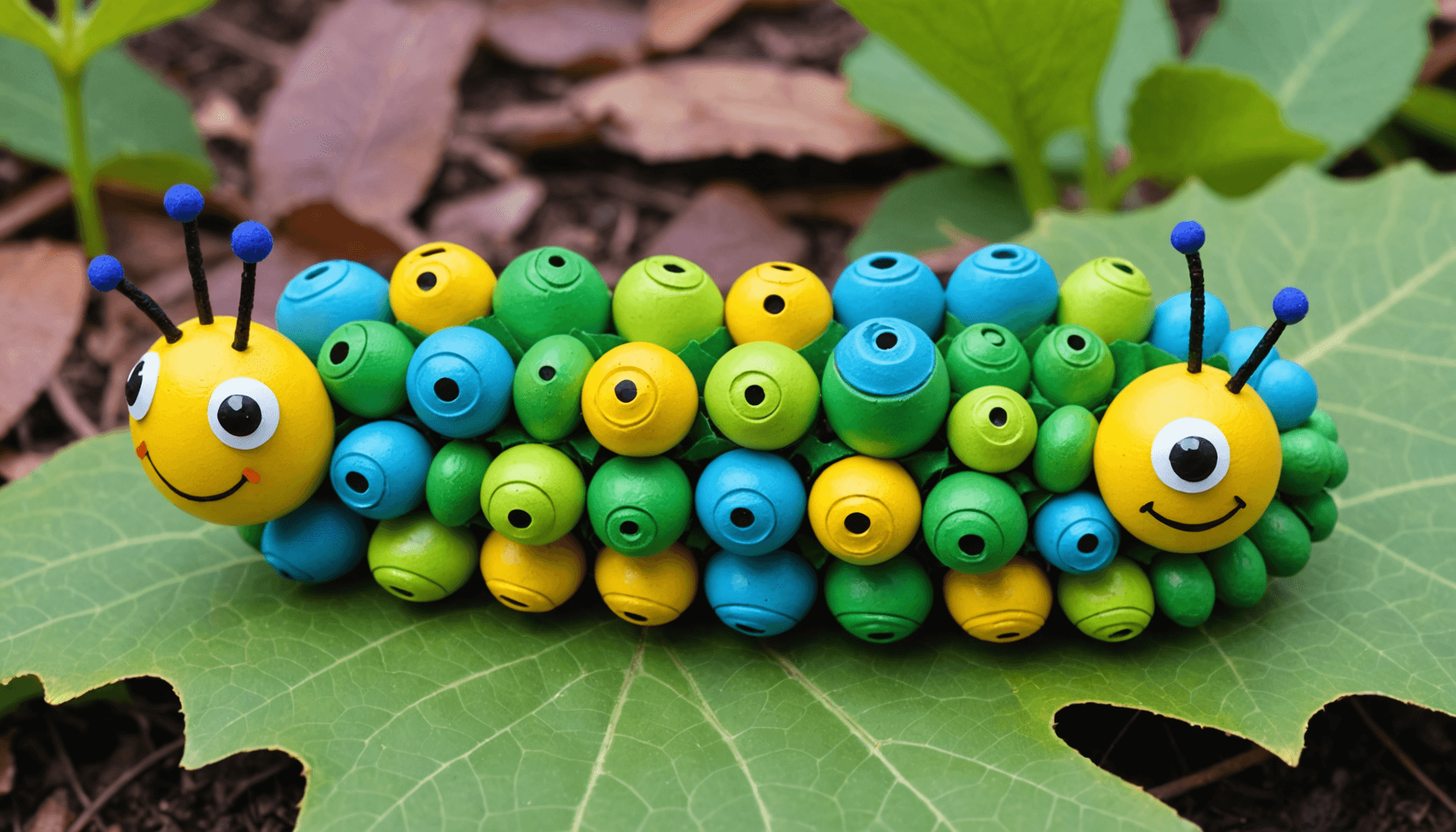
Another charming idea is using egg cartons to make colorful caterpillars. Each section of the carton can be painted a different color, and googly eyes can easily be glued on top, creating a lively character straight from the garden. These caterpillars can then be strung together on a piece of yarn, giving a crafty twist to classic playtime activities, inspiring imaginative storytelling and roleplay.
Encourage kids to collect recyclables throughout the week, perhaps setting up a dedicated “craft box” to store these treasures. That way, when inspiration strikes, they’ll have a variety of materials handy for spontaneous creative projects. Engage with your child by brainstorming new ideas and helping them envision what their artwork might become. This collaborative aspect strengthens their sense of creativity while also nurturing your bond.
Using recyclable materials not only fosters artistic expression but also instills valuable lessons about resourcefulness. So the next time you find a cardboard box or a plastic container, remember it could be the start of an exciting project that offers both fun and learning.
Fun Painting Techniques for Kids
Painting is a joyous and liberating activity for kids that nurtures their creativity while helping them develop fine motor skills and coordination. Introducing children to various painting techniques can ignite their passion for art and allow them to explore different textures, colors, and styles. Here are some engaging methods to make painting fun and innovative for kids.
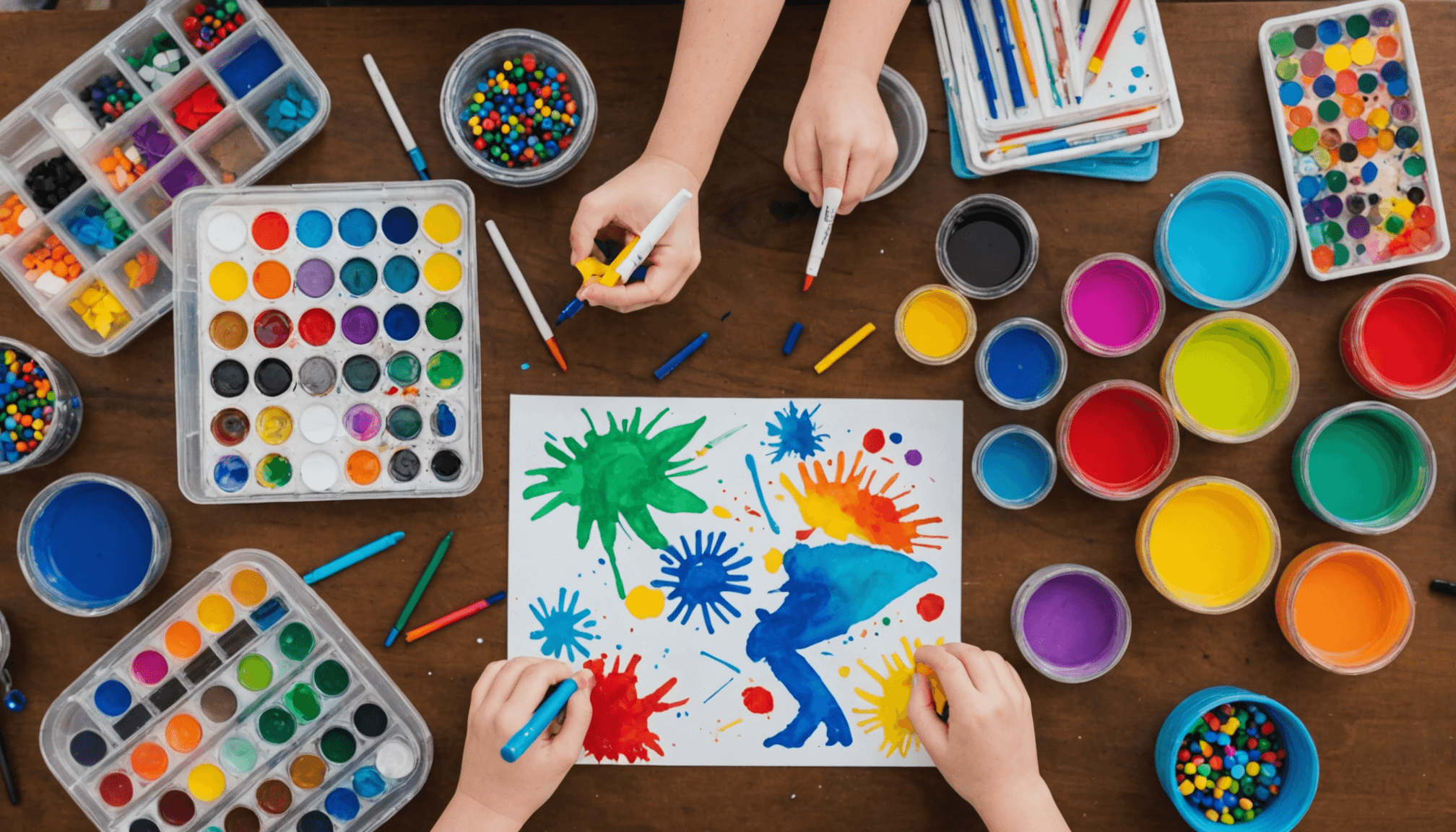
One exciting technique is sponge painting, where kids can use sponges dipped in different color paints to create a textured masterpiece. This method not only produces wonderful effects but is also easy for little hands to manage. Kids can cut sponges into different shapes, adding an element of play as they stamp and dab their way to creativity. Encourage them to mix and blend colors to see what new hues they can create, adding an educational aspect to their artistic exploration.
Another fun painting method is blow painting, which involves using a straw to blow paint across the paper. Start by placing a few drops of liquid watercolors or watered-down acrylic paint on the paper, then let kids blow through the straw to spread the paint, creating unique shapes and patterns. This technique is not just playful but also teaches kids about the movement of air and how it can affect their creations.
Marble painting is yet another delightful technique that can keep children engaged. By placing a piece of paper in a shallow box and adding a marble dipped in paint, kids can tilt the box to roll the marble around, leaving colorful trails behind. This method allows for both a creative outcome and some exciting physics lessons on motion. Each marble provides a different pattern, ensuring that no two pieces of art look alike.
Additionally, resist painting offers a fascinating way to introduce kids to color contrast and layering. Using tape, kids can create designs or patterns on their paper before applying a wash of paint over the entire surface. Once the paint dries and the tape is removed, the bare spots reveal a striking pattern underneath. This technique encourages patience and adds an element of surprise to the final artwork.
To enhance the painting experience, it’s also essential to have the right supplies on hand. Here are a few important tips:
- Choose non-toxic, washable paints to keep the painting experience safe and easy to clean up.
- Invest in a variety of brushes, sponges, and even everyday items like forks or cotton balls for diverse textural effects.
- Provide a large workspace covered with newspaper or a plastic tablecloth to protect surfaces from spills and splatters.
- Encourage children to select their favorite colors and experiment with mixing them, promoting a sense of ownership over their creative process.
- Make painting a social activity by hosting a painting party where kids can collaborate and learn from each other in a fun setting.
These painting techniques not only inspire kids to express their artistic side but also allow them to discover their unique styles, creating memorable and cherished pieces of art.
Easy DIY Crafts for Every Season
 When engaging in easy DIY crafts for every season, people often make some common mistakes that can hinder the fun and creativity of the experience. Understanding these pitfalls and learning how to avoid them can make crafting time both enjoyable and productive.
One major mistake is underestimating the importance of preparation. Many parents and caregivers jump right into projects without gathering all necessary supplies or preparing the workspace. This can lead to frustration, as kids may lose interest while waiting for materials. To prevent this, take the time to collect everything you’ll need before starting. Set up a designated space that is easy to clean and allows kids to work comfortably. This not only makes the process smoother but also teaches children the value of being organized.
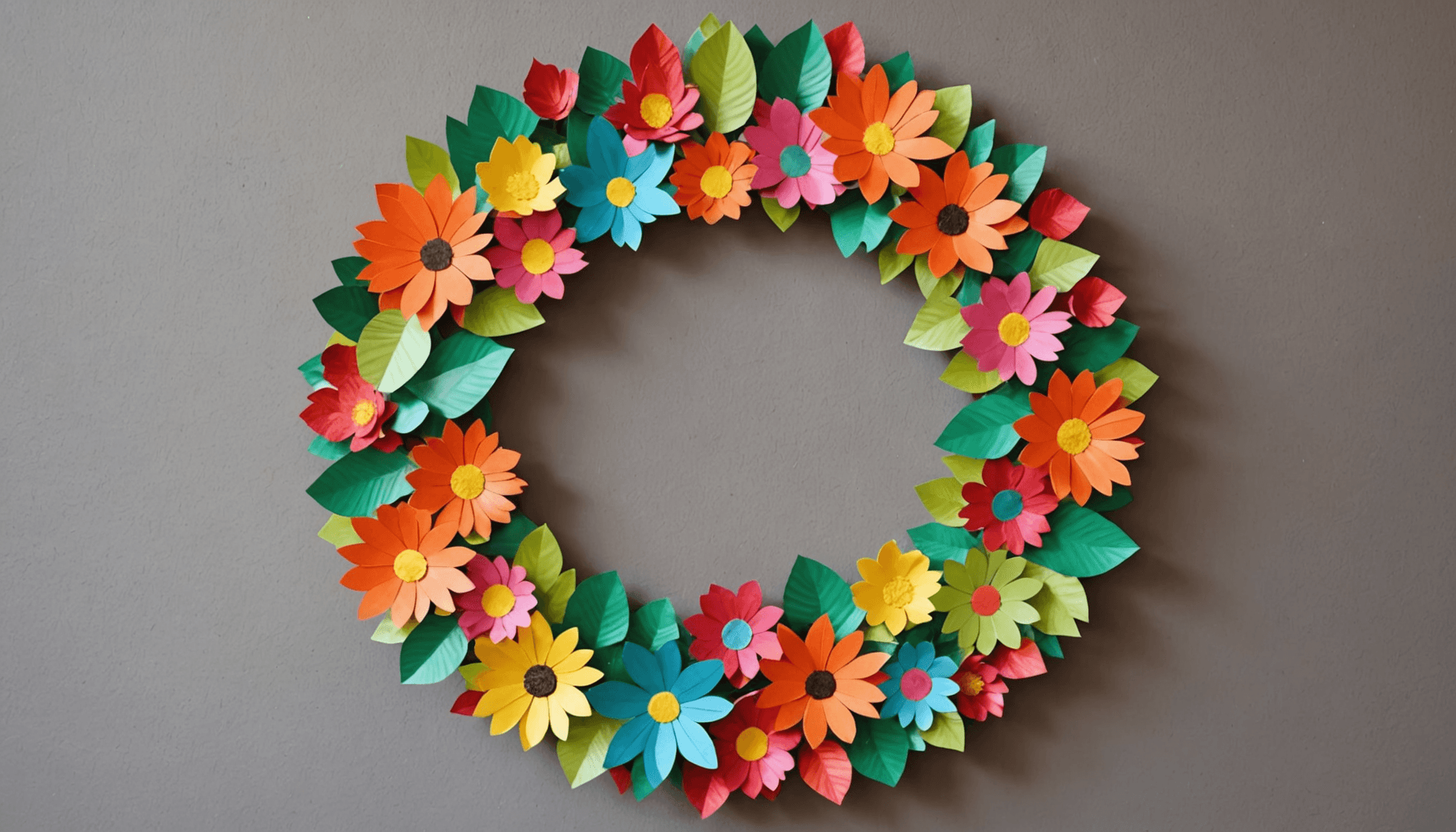
Another frequent oversight is choosing overly complex projects for young children. While it’s exciting to introduce kids to various crafts, selecting DIY for children projects that are age-appropriate is crucial. Complex tasks can lead to feelings of failure or disappointment. Instead, opt for simpler crafts that allow for creativity but are still achievable. For instance, while a seasonal wreath could sound fun, starting with paper plate crafts or simple holiday decorations made from colored paper can be more appropriate for little hands.
Some may also overlook the benefits of encouraging creative expression. When parents offer too much direction or impose their ideas on children, it may stifle their imagination. The goal of crafting should be to let kids explore their own creativity. Instead of guiding them with strict rules, provide loose templates and allow them to make their own choices regarding colors and decorations. Offer suggestions if they seem stuck but give them room to experiment.
Additionally, some children may be hesitant to fully engage in crafts because they fear making a mess. Parents often worry about the cleanup that follows creative projects, which can lead to overly restrictive environments. To avoid this, reinforce the idea that making a mess is part of the fun in arts and crafts. Use washable materials and protect surfaces to make cleanup easier. By normalizing the idea of getting a little messy, children can embrace their artistic processes without fear.
Lastly, a common mistake is failing to follow up on completed projects. Many crafts, especially seasonal ones, are often created in isolation, and kids may feel a lack of accomplishment once the project is complete. Encourage kids to share their work with family members and friends, displaying their crafts around the house or making a seasonal gallery wall. This not only boosts confidence but also reinforces the value of their creative efforts, making them feel proud of their work.
By being mindful of these common pitfalls, parents can create a more positive and encouraging environment for kids to engage in easy DIY crafts each season. Keeping the focus on fun, creativity, and exploration ensures that children enjoy the process just as much as the final result.
Engaging Activities for Fine Motor Skills
Engaging children in activities that develop fine motor skills is a fantastic way to blend education with play. These activities enhance coordination, dexterity, and control while fostering creativity and confidence. Begin by incorporating everyday items that children can manipulate and transform into art.
One fun activity is stringing beads. Provide a mix of colorful beads and some string or yarn. Kids can create unique bracelets or necklaces while practicing their fine motor skills as they grasp, thread, and arrange the beads in any combination they desire. This task also encourages pattern recognition and color coordination, making it both a creative project and an educational experience.
Another engaging activity is creating DIY collages. Gather various materials such as magazines, colored paper, fabric scraps, and natural items like leaves or flowers. Let kids cut or tear the materials into pieces of their choosing, which helps improve their scissor skills. Once they have enough pieces, they can arrange and glue them onto a base, creating a beautiful and personalized collage. This activity not only enhances their fine motor abilities but also allows them to express their thoughts and feelings through visual art.
Introduce a tactile element with playdough or modeling clay. Kids can mold, shape, and sculpt as they create their figures or objects. Simple tasks like rolling the dough into balls or forming snakes improve their hand strength and coordination. For added fun, introduce tools that can cut or imprint patterns in the dough, encouraging creativity while practicing fine motor skills.
Another promising idea is to have kids engage in origami. Start with simple designs, allowing them to fold paper into shapes like boats, animals, or flowers. This art form is not only about creating beautiful pieces but also involves precise movements and concentration, significantly enhancing their fine motor control. As they progress to more complex designs, they will be amazed at their ability to create intricate works of art.
For a seasonal twist, consider incorporating activities that align with different holidays or seasons. Creating paper snowflakes during winter or colorful flowers in spring can be a delightful way to celebrate while working on those essential skills. Have kids cut out shapes, experiment with folding techniques, or decorate their pieces with art supplies for a festive flair.
To further inspire engagement, create themed sensory bins filled with materials such as rice, beans, or sand. Provide scoops, tweezers, and small containers for kids to explore and manipulate, which will enhance their fine motor skills while ensuring endless hours of educational fun.
By integrating these engaging activities into your child’s routine, you’ll help them develop essential skills while allowing them to experience the joy of artistic expression. Encourage them to explore their creative projects fearlessly, reminding them that every small step contributes to their growing abilities. Let’s celebrate their artistic journey and nurture their confidence!
Art Supplies Every Child Should Have
- What are the essential art supplies for kids?
- Essential art supplies for kids include washable markers, crayons, colored pencils, non-toxic paints, brushes of various sizes, scissors, glue sticks, and a good quality sketchbook or drawing paper. It’s also beneficial to have some craft supplies on hand like pipe cleaners, beads, and construction paper for creative projects.
- How can I encourage my child to be more creative in their art?
- Encouraging creativity can be achieved by providing a variety of art supplies and giving your child the freedom to explore their ideas without restrictions. Invite them to try different materials, techniques, and themes, and be supportive of their artistic choices to help them develop confidence in their abilities.
- Are there specific supplies for painting that I should consider?
- When it comes to painting, it’s important to have high-quality, non-toxic paints that are washable for easy cleanup. Additional supplies such as sponges, brushes of various sizes, and even unexpected tools like cloths or old toothbrushes can enhance their painting experience and encourage experimentation.
- What craft materials are best for fine motor skill development?
- Materials that are great for developing fine motor skills include beads for stringing, scissors for cutting paper, playdough for molding, and origami paper for folding. These activities help enhance dexterity and coordination while allowing children to engage in fun and creative projects.
- How often should I provide new art supplies for my children?
- This depends on how often your child uses their art supplies and their interest in different projects. Regularly updating supplies by introducing new materials or tools can keep their creative spark alive, but it’s also important to allow them to use what they have before introducing more.
- What is the best way to store art supplies?
- Art supplies should be stored in a clean, organized manner to make them easily accessible for kids. Consider using clear bins or baskets labeled by type (e.g., paints, markers, paper) that can be easily viewed and reached by children to encourage independent use.
- How can I make art time more engaging for my child?
- To make art time more engaging, incorporate themes, seasonal decorations, or collaborative projects that involve family members. You can also organize small art challenges or events, such as whole-family painting nights, to create a fun atmosphere that nurtures creativity.
