



Rainy Day Arts and Crafts for Kids

- Fun Craft Ideas for Rainy Days
- Essential Supplies for Kids’ Crafts
- Step-by-Step Craft Instructions
- Creative Variations and Personalizations
- Tips for Encouraging Creativity in Kids
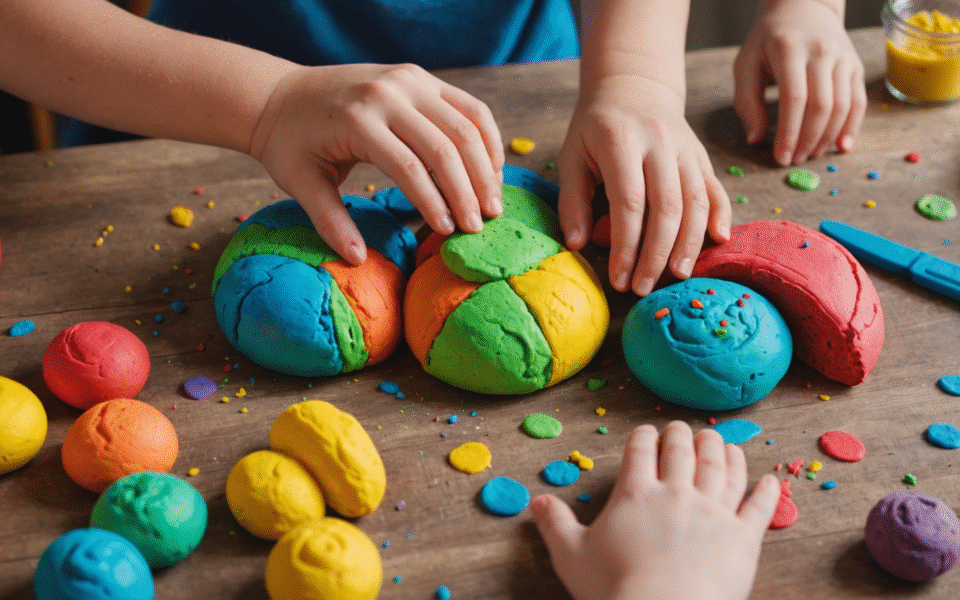
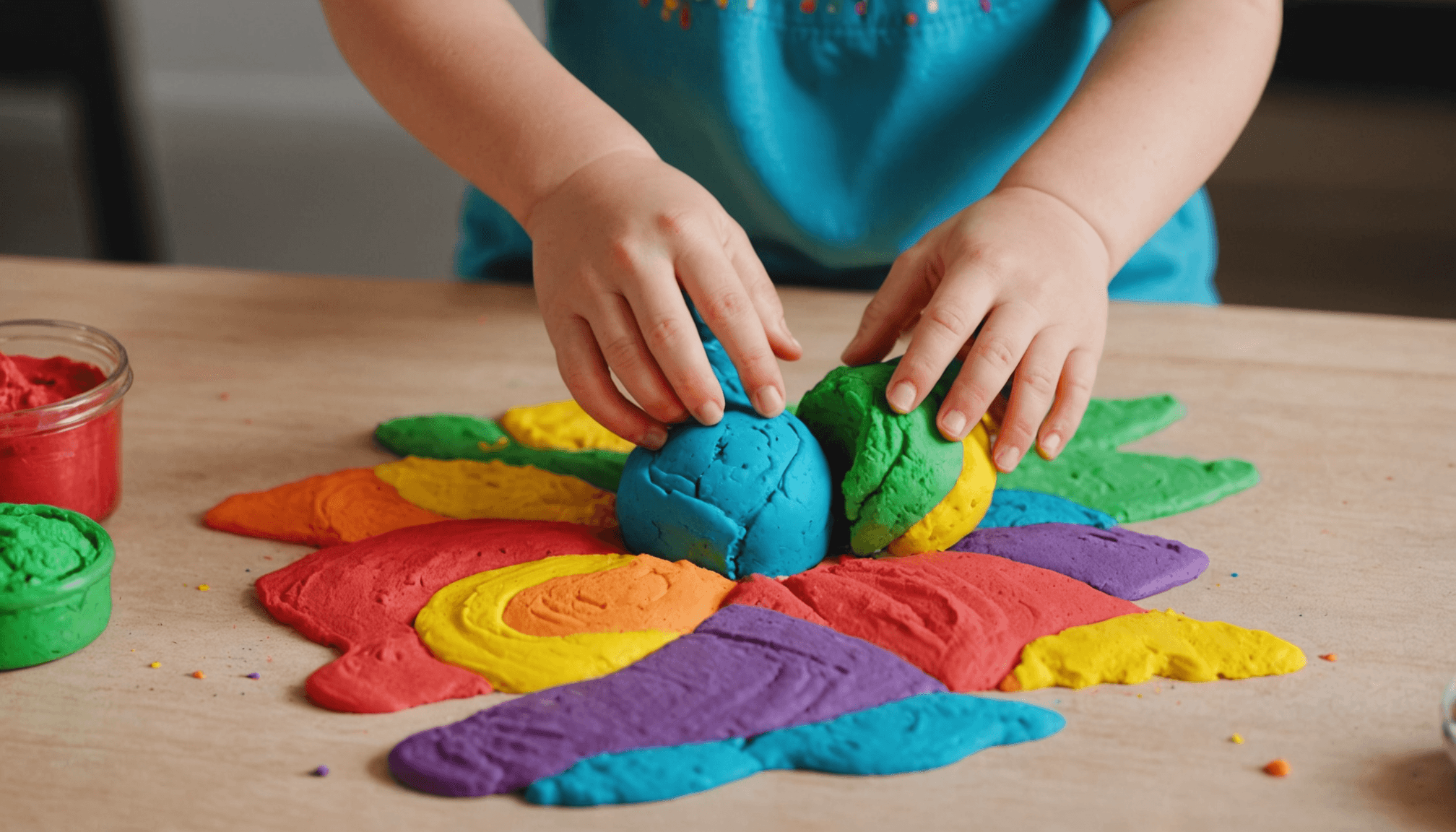
One fantastic idea to keep the little ones entertained on a dreary rainy day is the classic homemade play dough. Not only is it a tactile experience that children love, but it also offers endless possibilities for creativity. With just flour, salt, water, and food coloring, you can whip up a batch in no time. Engage the kids in the process by letting them knead the dough and choose their colors. Once it’s prepared, they can mold and shape it into whatever their imagination conjures—whether it’s a rainbow, a strange creature, or even their favorite cartoon character.
Another delightful project is to create friendship bracelets using colorful beads and strings. This craft not only enhances fine motor skills as children thread the beads but also serves as a social activity where they can make gifts for friends and family. Encourage them to choose colors that represent their personality or to craft matching bracelets for best friends—a wonderful way to express their feelings and strengthen their bonds.
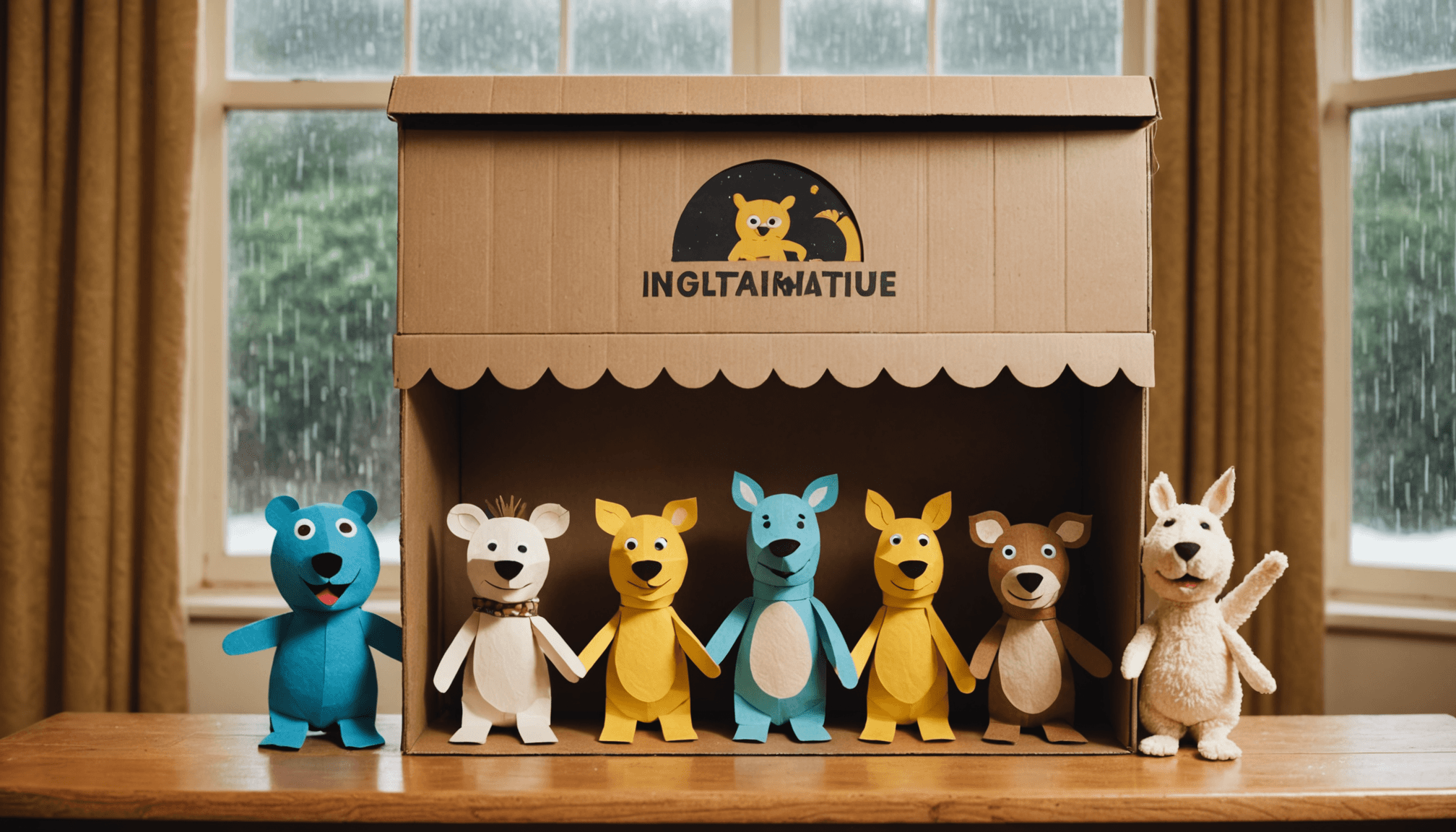
For those who love storytelling, why not transform an old cardboard box into a puppet theater? The kids can paint it, decorate it with fabrics, and even add a curtain made from an old towel. After that, they can create puppets using socks or felt, allowing them to act out their favorite stories or come up with their own fantastical tales. This not only ignites their imagination but also provides an opportunity for collaborative play, which is incredibly valuable for their development.
And let’s not overlook the ever-popular painting! Set up a mini gallery by covering a table with old newspapers and handing out paintbrushes, watercolors, and canvases or thick paper. Let the children explore various techniques like splattering, sponge stamping, or blending colors. A fun twist is to have them create a themed painting, such as a rainy landscape or underwater scene, which taps into their experience of the rainy day itself. Display their masterpieces on the refrigerator or a designated gallery wall at home. This act not only gives them a sense of accomplishment but also encourages them to think about how each piece of art reflects their unique perspective.
These engaging ideas make for perfect indoor activities, turning a gloomy rainy day into a joyous craft-filled adventure! Kids will have a blast while unknowingly developing essential skills like coordination, concentration, and communication throughout these creative pursuits.
Essential Supplies for Kids’ Crafts
Having the right supplies on hand is crucial for a smooth crafting experience and for maximizing creativity. Stocking up on a variety of materials allows children to explore different techniques and ideas fully. Here’s a list of essential supplies that can help set the stage for a day of indoor activities filled with fun and creation:
- Art Paper: Provide various types, including construction paper, watercolor paper, and cardstock, to give kids a range of textures and colors to work with.
- Adhesives: Ensure you have glue sticks, liquid glue, and tape available. These can be used for everything from collages to securing pieces together.
- Scissors: A pair of child-safe scissors is essential. These allow kids to cut out shapes and materials, fostering their fine motor skills.
- Marking Tools: Stock up on colored markers, crayons, colored pencils, and pastels. These tools can bring drawings to life and are perfect for embellishing craft projects.
- Recyclable Materials: Save items like cardboard, egg cartons, and plastic containers. These not only encourage creativity but also teach children about reusing and recycling.
In addition to these supplies, having a well-organized crafting space can enhance the experience. Designate a specific area where kids can freely express their creativity without the fear of making a mess. Equipping the space with aprons or old t-shirts can also help protect their clothing, allowing them to dive into those fun kids crafts without hesitation. Creating a vibrant and accessible crafting environment will inspire children to innovate and enjoy their rainy day fun!
Step-by-Step Craft Instructions
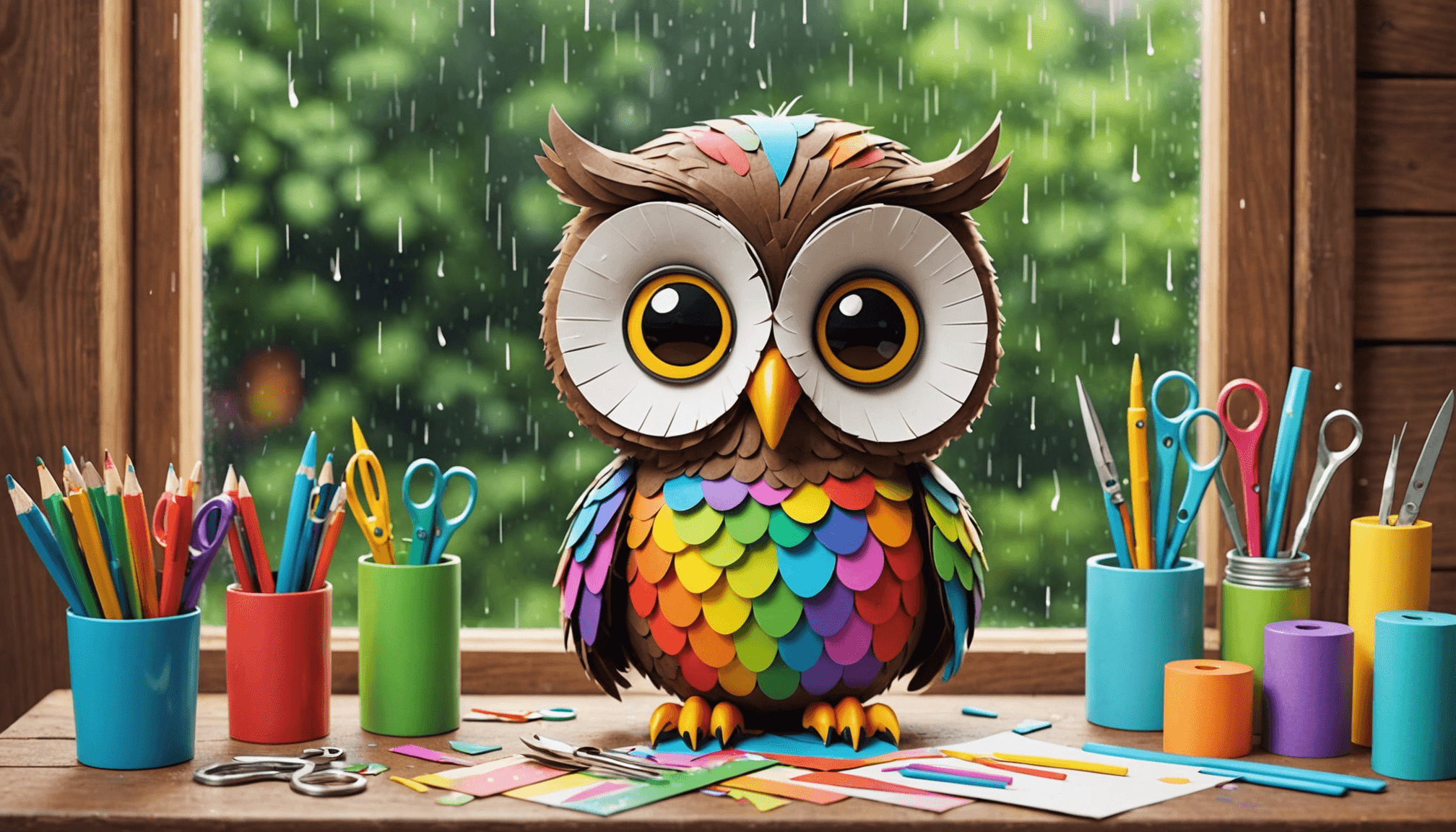 To create engaging step-by-step craft instructions, it’s vital to avoid common mistakes that can lead to frustration or half-finished projects. One common error is providing overly complex steps without considering the skill level of the children involved. It’s essential to break down each project into manageable parts, using simple and clear language. For instance, if you’re guiding kids in making a paper mache project, outline each stage separately — from preparing the paste to applying it to the balloons.
Another mistake is assuming that kids will have all the required skills for the craft. It’s important to demonstrate techniques, especially those that involve cutting, gluing, or any intricate movements. Instead of saying, “Cut out a shape,” show them the action slowly and clearly, and be patient as they practice.
Overloading kids with choices can also lead to decision fatigue, especially during indoor activities. While encouraging creativity is important, it’s beneficial to provide a few selected options that spark their interest without overwhelming them. For example, if the project involves painting, offer two or three color palettes and allow them to mix or choose from those, which gives them freedom while still providing guidance.
When giving instructions, timing is crucial. Children often have shorter attention spans, so keeping explanations brief and engaging is key. Avoid lengthy discussions about the project before starting; get them involved and excited right away. Additionally, make sure to check in with them throughout the process to answer questions and encourage them as they create, keeping the momentum going.
Safety is another critical aspect. Always remind kids about the use of sharp tools like scissors and ensure an adult supervises when needed. Setting clear boundaries around the materials and workspace can also prevent accidents, allowing kids to focus on their crafting.
By following these guidelines, you can facilitate a smoother crafting experience that keeps kids engaged, encourages their creativity, and minimizes frustration throughout the crafting process. This approach not only leads to fun rainy day crafts but also provides a strong foundation for their artistic expression.
Creative Variations and Personalizations
Encouraging kids to explore their creativity doesn’t have to be confined to a specific craft or technique; it’s all about inspiring them to make each project their own. For instance, when working with homemade play dough, challenge them to create a theme for their shapes, like a zoo or a space scene, and allow them to add different textures or scents using spices or essential oils from the pantry. Suggest using cookie cutters and household items to create patterns and textures, adding a tactile dimension to their creations.
In bracelet-making, encourage children to think beyond traditional designs. They can create patterns based on their favorite colors, seasonal themes, or even patterns that tell a story. Adding charms or letters can personalize each bracelet, making it a unique gift or keepsake. Remind them to think of ways to incorporate personal elements, such as their initials or favorite animals, to reflect their personalities in each piece.
When it comes to the puppet theater, highlight the importance of storytelling by letting them choose stories they love or even invent new ones. They could add props, backgrounds, and sound effects for a multi-sensory play experience. Encourage them to write scripts or create a sequence of acts, further enhancing their storytelling skills.
In painting, introduce new techniques that can spark excitement, such as using sponges or fingers instead of brushes. Organizing a mini art exhibit at home can be a fantastic way for the kids to present their artwork, allowing them to describe their pieces and share their creative process with family members.
Adapting any craft to fit the child’s style fosters a sense of ownership and pride in their work. The key is to celebrate their individuality; whether they choose colors that express their mood or incorporate elements that reflect their interests, every variation becomes a meaningful expression of their creativity. By encouraging these adaptations and explorations, you’re not just keeping them busy with indoor activities but also nurturing their unique artistic voices. Let their imaginations run wild and watch them flourish in their creative endeavors!
Tips for Encouraging Creativity in Kids
- What are some simple craft ideas for a rainy day?
- Some simple craft ideas include making homemade play dough, creating friendship bracelets, or turning a cardboard box into a puppet theater. These activities are not only fun but also promote creativity and fine motor skills.
- How can I encourage my child’s creativity during indoor activities?
- To encourage creativity, provide a variety of materials and give your child the freedom to explore different craft techniques. Encourage them to personalize projects and express their unique styles, which helps them feel more invested in their creations.
- What supplies do I need for kids’ crafts?
- Essential supplies include art paper, scissors, glue, reusable materials (like cardboard and plastic containers), and a range of marking tools such as crayons and markers. Having these items on hand makes it easier to jump into crafting without delays.
- Are there any safety tips to consider while crafting?
- Always supervise children when they are using scissors or other sharp tools. Set clear boundaries regarding materials and ensure the crafting area is safe and organized to prevent accidents during crafting.
- How can I make crafts more engaging for my kids?
- Enhance engagement by introducing themes to your crafts, offering hands-on demonstrations, and integrating storytelling into projects. Asking open-ended questions can also encourage kids to think creatively about their craft.
- What are creative variations for common kids’ crafts?
- Creative variations include adding unique textures or themes to clay projects, personalizing jewelry with initials, or transforming simple paintings into themed artwork using sponges or fingers. These adaptations can make familiar crafts feel fresh and exciting.
- How can crafts help with my child’s development?
- Crafts support development by enhancing fine motor skills, promoting creative thinking, and improving concentration. Through these engaging indoor activities, children learn to express themselves while building confidence in their abilities.
