



DIY School Crafts for Kids


- Creative Craft Ideas
- Materials You Can Use
- Step-by-Step Instructions
- Safety Tips for Kids
- Showcasing Your Projects
When it comes to engaging kids in arts and crafts, the possibilities are endless! Infusing creativity into school projects not only facilitates learning but also provides a wonderful opportunity for self-expression. If you’re looking to inspire some imaginative fun, here are several creative craft ideas that will surely capture the attention and enthusiasm of young crafters.
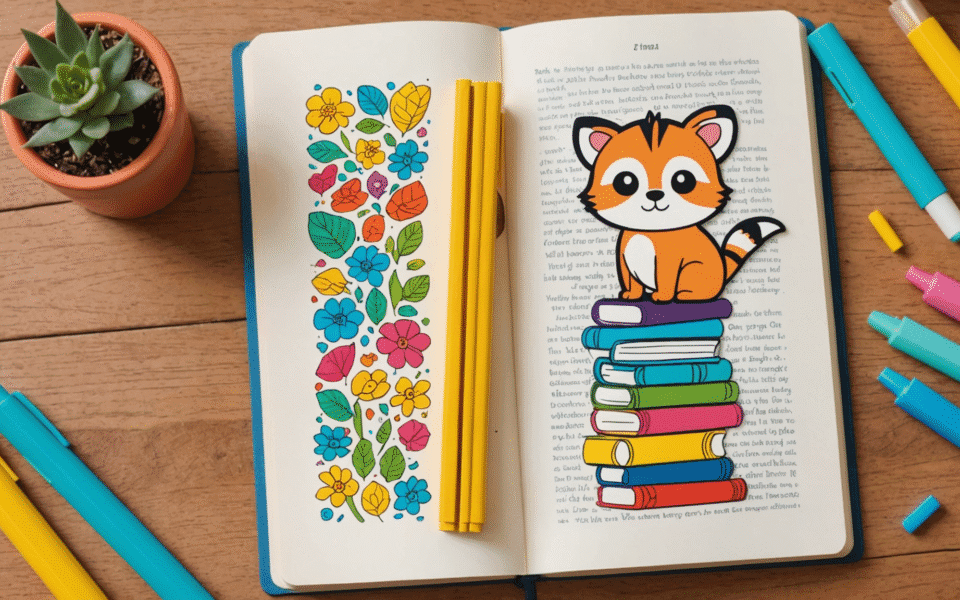
One popular project that’s a delightful favorite is personalized bookmark crafting. Begin by using card stock or thick paper and let your child’s imagination run wild by decorating the surface with colorful doodles, stickers, or even mini cross-stitch designs. This project also serves a practical purpose – encouraging reading by creating something unique that they can use daily. To add a fun twist, consider introducing some basic embroidery techniques to embellish bookmarks. Tiny, simple patterns featuring their favorite animals or shapes can be stitched along the edges, making the bookmarks not only pretty but also a fun skill-building exercise.
Another fantastic idea is creating handmade greeting cards. This project can be adapted for any occasion – from birthdays to thank-you cards. Gather a variety of supplies, like colored paper, markers, and embellishments such as sequins or ribbon. Encourage kids to think about the emotions they want to convey and to express those feelings through their designs. For instance, a bright, sunshiny card with a cheerful message could be adorned with hand-drawn sun rays and stitched accents that mimic the sunshine. Making cards for family or friends also promotes sharing and caring, enhancing social bonds.
Additionally, upcycling projects are trendy and promote sustainability. Have kids collect items that would usually be discarded, like cardboard boxes or empty egg cartons. Challenge them to transform these materials into imaginative sculptures or functional items. For example, an old cereal box can become a creative storage solution for their craft supplies, decorated beautifully with paint and fabric scraps. Not only does this teach resourcefulness, but it ignites the passion for creativity by encouraging kids to see potential in what others might overlook.
Consider incorporating seasonal themes into crafts as well. Autumn lends itself beautifully to leaf art. Collect colorful leaves outdoors and use them to make leaf prints or create stunning collages. Kids can experiment with varying colors of paints or ink, stamping the leaves onto paper to create unique designs. Winter projects could involve making ornaments from felt or fabric, which allows them to explore different textures and colors while preparing for the holiday season.
Each of these projects not only serves as a fun outlet for creativity but also builds essential skills and confidence in young artists. Encouraging kids to choose their materials and express their unique perspectives fosters a sense of ownership in their work, making their creations even more special. With these craft ideas, your little ones will not only make memorable school projects but might also discover newfound passions in arts and crafts along the way!
Materials You Can Use
When it comes to embarking on DIY school crafts, having the right materials is crucial for both the quality of the projects and the enjoyment of the process. Here are some common and creative materials that can spark inspiration and facilitate crafting:
Cardstock and Construction Paper: These versatile papers are foundational for kids crafts, perfect for making everything from greeting cards to intricate models. Their various colors and weights allow for endless creative ideas, enabling children to choose the best paper type for their specific project needs.
Recyclable Items: Encourage crafting with items that might otherwise end up in the trash or recycling bin. Things like cardboard boxes, plastic bottle caps, and tin cans can be transformed into amazing art projects. Not only does this promote sustainability, but it also helps kids think outside the box when considering materials for school projects.
Natural Elements: Items such as leaves, twigs, and stones can be great materials for crafts, especially when creating nature-themed art. Children can collect these during walks and use them for collage, painting, or even sculpture. Working with natural materials fosters a connection with the environment and inspires imaginative uses of what they find in nature.
Adhesives and Fasteners: A variety of adhesives, including glue sticks, liquid glue, and tape, are essential for sticking materials together. Additionally, items such as scissors and staplers come in handy for assembling projects easily. For more advanced crafts, consider introducing techniques using clips or even sewing to create durable items.
Decorative Elements: These can include stickers, buttons, washi tape, glitter, and enamel dots. Having a selection of embellishments allows kids to add flair and personal touches to their projects, enhancing the visual interest of their crafts and encouraging them to express their unique styles.
- Always have a dedicated craft space with easy access to a variety of materials to inspire creativity.
- Encourage kids to explore their surroundings for recyclable and natural materials to use in their projects.
- Combine different materials to teach kids about texture and contrast, enhancing their artistic skills.
- Ensure that all materials are age-appropriate and safe for the kids to use, particularly with younger children.
- Plan projects around seasonally available materials to keep crafting fresh and relevant throughout the year.
Step-by-Step Instructions
 One common mistake people make is skipping the planning stage before diving into crafts. This often results in a lack of direction, wasted materials, or even frustration when kids realize they don’t have what they need. To avoid this, take some time to outline the project beforehand. Discuss what you want to create and list the necessary materials, ensuring you have everything ready to go before starting.
Another frequent error is not adapting the project to suit the abilities of the children involved. Some projects might be too complex, leading to discouragement. To prevent this, assess the skill levels and interests of the kids participating. Choose simpler projects for younger children while providing more challenging tasks for older kids. This promotes a sense of achievement and keeps the crafting experience enjoyable.
Many also underestimate the importance of mess management. Kids naturally explore and experiment, which can get messy, leading to a chaotic environment that detracts from the fun. Ensuring you have a designated crafting area and covering tables with newspaper or plastic can help contain the mess. Provide aprons or old shirts for the kids to wear, making cleanup easier and allowing them to fully engage in the creative process without worry.
Overloading children with too many supplies can overwhelm them. Instead of allowing access to all materials at once, introduce a limited selection relevant to the project. This focused approach can guide their decisions and help them use what’s available more thoughtfully, fostering creativity rather than distraction.
Additionally, it’s essential to emphasize the process rather than just the end product. Many parents might focus on how the final craft looks, which can create pressure for the kids. Encourage them to enjoy the making process and remember that mistakes are a natural part of creativity. Acknowledge their efforts and give positive feedback on their imaginative ideas, reinforcing the value of self-expression.
Lastly, people often forget to celebrate the completed projects, which can dampen the enthusiasm for arts and crafts. Create a space to showcase their works, such as a dedicated display area or a digital photo album. This not only helps kids feel proud of their creations but can also inspire them to keep exploring new creative ideas in their school projects. Acknowledging their efforts makes crafting a more fulfilling and enjoyable experience.
Safety Tips for Kids
When engaging kids in crafts, safety must always come first to ensure a fun and worry-free experience. Begin by establishing clear guidelines about which tools and materials are appropriate for different age groups. For instance, while younger children may need supervision when using scissors or glue, older kids can be encouraged to handle more advanced tools with proper instruction. Always keep safety scissors readily available for younger crafters, as they are designed to be less sharp while still effective for cutting paper and other light materials.
Ensure that the crafting area is well-organized and free from clutter to minimize accidents. Designate a specific workspace for projects, limiting the crafting materials to that area to prevent spills and messes from spreading. It is advisable to cover surfaces with protective layers such as old newspapers or plastic sheets, making cleanup easier and keeping surfaces in good condition.
When using adhesives, paints, or other potentially harmful substances, it’s vital to read labels carefully and follow any safety instructions. Non-toxic materials should always be prioritized, especially for younger children, and ventilation is essential when working with materials emitting strong odors. Ensure kids understand the importance of washing their hands after using such materials and provide aprons or old clothes to protect their garments.
For projects involving tools, such as hot glue guns, it’s crucial to supervise closely and demonstrate proper handling to avoid burns or injuries. Make sure kids understand the concept of waiting for tools to cool down and never leaving them unattended. Similarly, ensure that they understand how to properly store materials and tools after use, which not only keeps the crafting area safe but also instills a sense of responsibility.
Furthermore, while working with natural elements like leaves or rocks, remind children to be gentle and mindful of their surroundings. Connecting with nature should be an enjoyable experience, free from any potential hazards, such as sharp objects or plants that could cause skin irritation.
Encourage open communication about safety with your kids, allowing them to voice any concerns or ask questions while crafting. This can create an atmosphere of trust, where they feel comfortable seeking help if they encounter difficulties. By emphasizing the importance of safety at every crafting session, you equip kids with the skills they need to navigate crafting and enhance their overall enjoyment of school projects.
Through establishing these safety practices, kids will not only develop their crafting skills but also gain confidence in making safe choices during creative activities. Remember, the goal is to inspire creativity while creating a secure environment for young crafters to flourish. So gather those materials, unleash your imagination, and craft with confidence!
Showcasing Your Projects

- What are some simple DIY school projects for kids?
- Simple DIY school projects include creating colorful bookmarks, handmade greeting cards, and fun nature crafts using leaves or twigs. These projects allow children to express their creativity while developing essential skills.
- How can I display my child’s completed crafts?
- Displaying your child’s completed crafts can be done in various ways, such as setting up a dedicated art wall or creating a scrapbook. Digital photo albums are also great for showcasing their work without taking up physical space.
- What materials are safe for younger children to use for crafts?
- Young children can safely use materials such as non-toxic glue, washable paints, and safety scissors. Always supervise their activities and choose age-appropriate supplies to ensure a safe crafting experience.
- How can I motivate my child to participate in crafting?
- Try to engage your child by discussing potential projects they might enjoy and allowing them to choose their materials. Making crafting a regular activity and setting aside dedicated time for creativity can also boost their enthusiasm.
- What are some eco-friendly craft ideas?
- Eco-friendly craft ideas include upcycling materials like cardboard boxes into sculptures or using natural elements such as leaves and stones in art projects. These crafts promote sustainability and creativity in fun ways.
- How can I help my child improve their crafting skills?
- Encourage experimentation with different materials and techniques, and allow your child to take the lead on creative projects. Providing constructive feedback and celebrating their efforts can also boost their confidence and skill development.
- What are some fun themes for kids’ crafts throughout the year?
- Fun themes for kids’ crafts can include seasons like making autumn leaf prints or winter ornaments. Incorporating holidays can also inspire unique projects, such as spring flower decorations or summer beach-themed crafts.
