



DIY Origami and Paper Folding Projects


- Understanding Origami Techniques
- Essential Tools and Materials
- Step-by-Step Projects for Beginners
- Intermediate and Advanced Folding Techniques
- Tips for Creating Unique Paper Art
Understanding origami techniques involves grasping the foundational principles that govern this beautiful art form. Origami is not just about folding paper; it’s about transforming a flat piece of material into a three-dimensional work of art through careful manipulation of folds and creases. At its core, origami employs a series of basic techniques that are the building blocks of more complex designs. Understanding these techniques is crucial, as they empower you to create both simple and intricate figures.
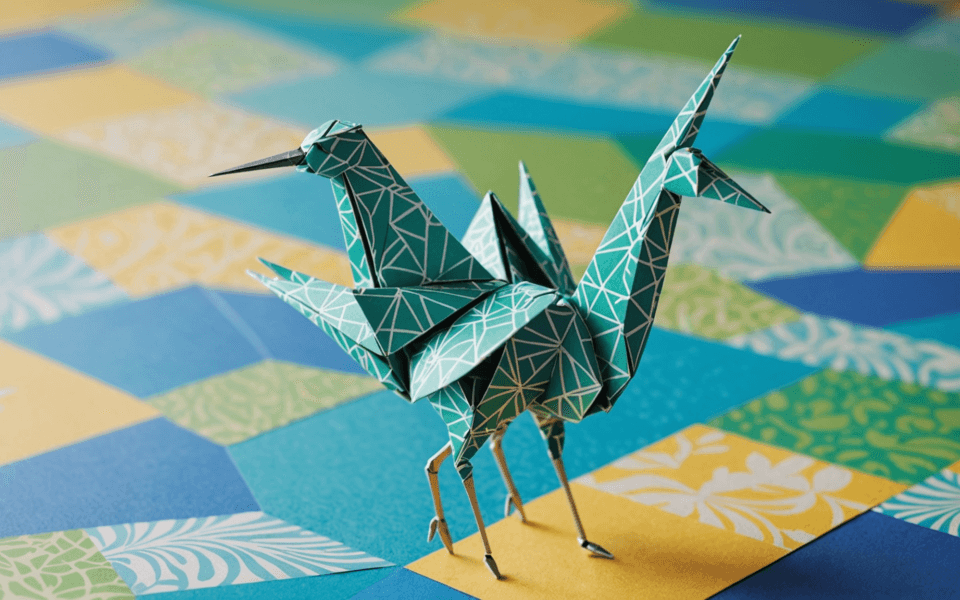
A common starting point in origami is the valley fold and mountain fold, two fundamental folds that help create the structure of the design. The valley fold is formed by folding the paper away from you, creating a “V” shape, whereas the mountain fold is the opposite, folding the paper towards you. Mastering these folds allows for the creation of various shapes, such as cranes, frogs, or even complex geometric designs. Additionally, techniques such as reverse folds, squash folds, and petal folds further enhance your repertoire, enabling you to tackle more ambitious projects as your skills progress.
Exploring origami techniques also means incorporating pleats into your designs, which not only add detail but also flexibility in shaping your paper creations. By combining different types of folds and manipulating them in unique ways, you can produce stunning patterns and intricate textures. As you delve deeper into the world of paper folding, don’t hesitate to experiment with these techniques. Each attempt, whether successful or not, is a step towards refining your skills and expressing your creativity.
Visualize laying out your paper canvas, with the colors and patterns you desire reflecting your personality and style. Imagine the excitement of successfully executing a complex fold and watching your flat paper transform into a beautiful shape—each crease a testament to your dedication and creativity. Keep your craft space inviting and organized, making it easy for you to access your preferred origami papers, which come in an endless variety of colors and textures. This versatility ignites your imagination, inspiring you to create without limits.
Engaging with origami also encourages community interaction, whether through local clubs or online platforms. Sharing your creations and techniques with others can offer you fresh perspectives and new ideas. So, don’t be shy; showcase your progress, ask questions, and be part of this spirited community. Your journey into origami is only limited by your willingness to try, explore, and connect with fellow enthusiasts.
Essential Tools and Materials
To embark on your origami journey, it’s crucial to gather the right tools and materials that will assist you in executing your paper folding projects with precision and ease. The most fundamental item you’ll need is, of course, origami paper. This specialty paper is lighter and often comes pre-cut into squares, making it ideal for folding. While traditional origami paper features vibrant colors and unique patterns, don’t hesitate to explore other types of paper such as scrapbook paper, wrapping paper, or even newspaper. Each medium can bring its own charm and aesthetic to your creations.
Alongside paper, a good pair of scissors is essential for trimming or refining your materials. Having a cutting mat beneath your work can protect your surfaces and ensure clean lines. A bone folder, although optional, can be invaluable. This tool helps create sharp creases, especially in more intricate designs where precision is key. For beginners, using your fingernail can suffice, but investing in a bone folder can dramatically improve the quality of your folds.
It’s also beneficial to have a ruler and pencil on hand for making measurements and marking guidelines, particularly in more complicated projects. Adaptability in your workspace is important too; a flat and well-lit area allows you to focus on your folding without distraction. If you’re venturing into projects that require assembling multiple pieces, glue might come into play. Clear-drying glue will ensure neat edges and a professional finish without the mess.
Additionally, incorporating decorative elements can elevate your origami art. You might find it fun to experiment with embellishments such as markers to add details or glitter to bring sparkle to your pieces. There is no limit to how you can personalize your projects, making each one a unique expression of your creativity.
- Choose origami papers that are specifically designed for folding; they are often lighter and easier to manipulate.
- Having a bone folder can help achieve crisp and precise folds, enhancing the overall quality of your work.
- Experiment with different types of paper for unique textures and visual effects; don’t limit yourself to traditional origami paper.
- Keep your workspace organized and well-lit to facilitate concentration and accuracy while folding.
- Feel free to add personal touches with decorative elements like markers or glitter to make your handmade crafts stand out.
Step-by-Step Projects for Beginners
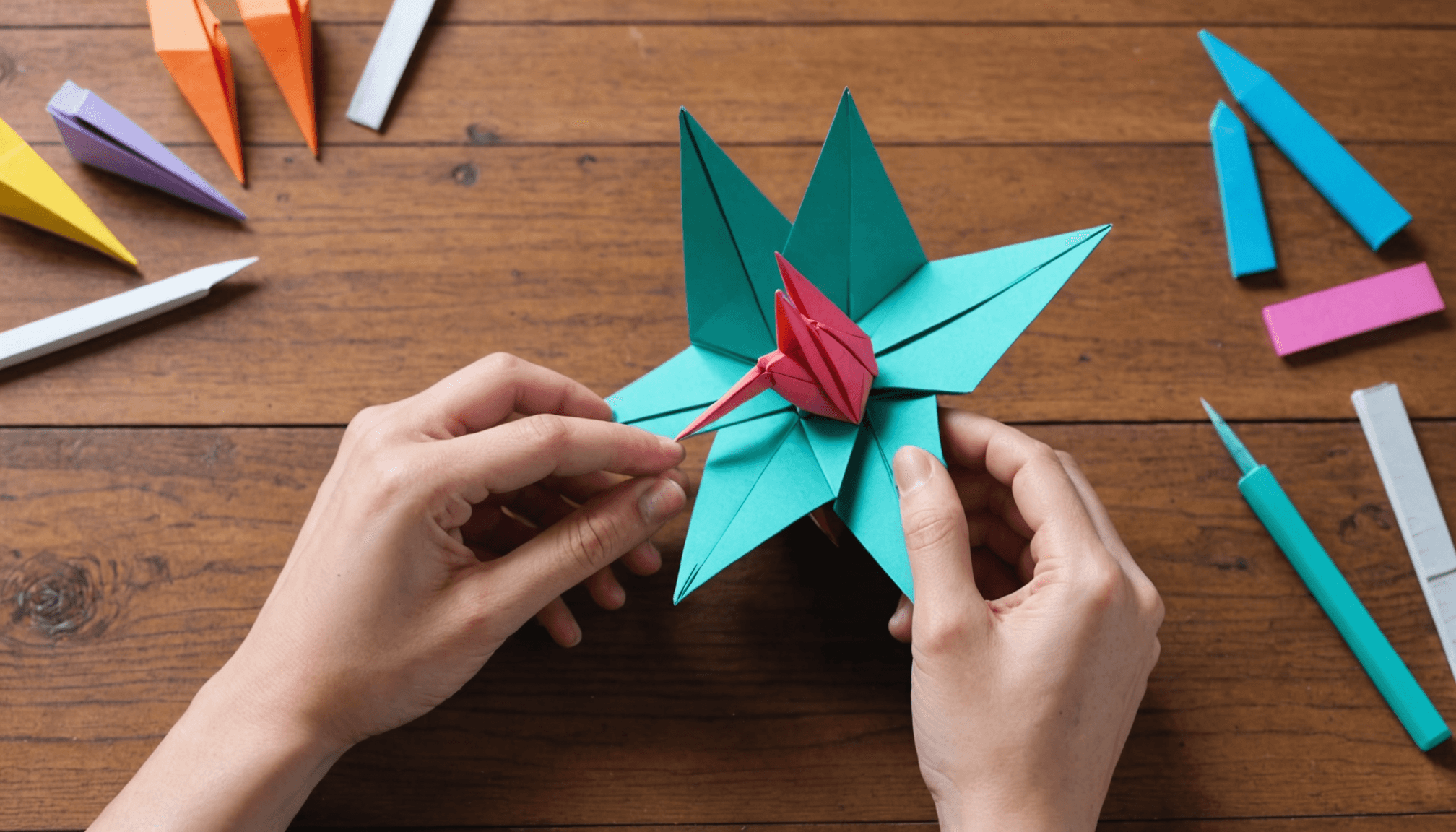 One common mistake beginners make is rushing through the folding process. It’s important to take your time with each fold to ensure accuracy. If a fold is not precise, it can throw off the entire project, especially in intricate designs. To avoid this, always follow the step-by-step instructions carefully and pause to check the alignment of your paper before making the next fold.
Another frequent issue is the selection of paper. Beginners might use paper that is too thick or not designed for origami, leading to difficulties in folding and creasing. To prevent this, stick to origami paper or lighter weight papers that can hold creases well without tearing. If you decide to use other types of paper, avoid anything too glossy or heavy, which can make folding more challenging.
Additionally, some people overlook the importance of creases. If the creases are not well-defined, the finished piece will lack the crispness that makes origami visually appealing. To achieve sharp creases, utilize tools like a bone folder or your fingernail to press down firmly along the edges. Practice will help you develop a feel for how much pressure to apply without damaging the paper.
Moreover, neglecting to check the orientation of the paper can lead to frustrating mistakes. Ensure that you know the difference between the sides of your paper, especially if you’re working with double-sided designs. Starting with the correct side facing up is essential for achieving the desired look. A simple tip is to always refer back to the instructions if you’re unsure about the placement.
Finally, many beginners feel discouraged by their initial results and may give up too quickly. Remember, paper folding takes practice. Start with simpler projects and gradually move to more complex designs as your skills improve. Celebrate small successes along the way, as each completed piece builds your confidence and motivates you to continue exploring the art of origami. Embrace the learning process, and don’t hesitate to make mistakes—they’re part of your creative growth.
Intermediate and Advanced Folding Techniques
Mastering intermediate and advanced folding techniques opens up a world of intricate designs and artistic expression in origami. As you progress, it’s essential to familiarize yourself with advanced folds like the pleat fold, which allows for the creation of layered and textured forms. This fold can add depth to your creations and is often used in designs such as flowers or intricate geometric models.
Another exciting technique to explore is the sink fold. This method involves folding a section of paper down into the model, which can lead to captivating shapes and forms. It often requires multiple steps and a good eye for placement, but the results can be stunning and worthwhile. Similarly, the frog base and bird base are foundational structures that serve as starting points for a variety of complex designs. Learning how to create these bases will greatly expand your origami repertoire, enabling you to tackle models like the classic origami crane or advanced creatures like dragons and intricate insects.
Additionally, consider combining various folds to create original pieces. By experimenting with different techniques, you can unlock new possibilities and innovate within your designs. This is where creativity thrives, allowing you to adapt traditional patterns and incorporate your personal style, resulting in one-of-a-kind handmade crafts.
Don’t shy away from seeking out tutorials and patterns that challenge your skills while keeping excitement alive. Video tutorials can be particularly beneficial for visual learning, presenting a step-by-step approach that may simplify more complicated techniques. Engaging with a community of fellow origami enthusiasts will also provide you with inspiration and share valuable tips that can elevate your folding skills.
Above all, remain patient and persistent. Creating complex origami designs requires practice and dedication. Each completed piece will enhance your skills and understanding of paper folding, serving as a springboard for your next creative endeavor. Embrace the challenge of more difficult projects, for each crease and fold you master brings you closer to becoming a true origami artist. Remember, your journey in paper folding is as essential as the final piece itself; so keep folding, keep experimenting, and let your imagination soar!
Tips for Creating Unique Paper Art

- What is origami?
- Origami is the traditional Japanese art of paper folding, where flat sheets of paper are transformed into intricate designs and sculptures without using scissors or glue. It combines creativity, precision, and geometry to create visually stunning pieces of art.
- Do I need special paper for origami?
- While traditional origami paper is recommended due to its lightness and ability to hold creases, you can use a variety of paper types, including scrapbook paper and even printer paper. However, using paper designed specifically for origami can make the folding process easier and improve the final result.
- How can I improve my origami skills?
- Practice is key to improving your origami skills; start with simpler projects and gradually tackle more complex designs. Additionally, seeking tutorials, using quality paper, and engaging with the origami community can provide both guidance and inspiration.
- What tools should I use for origami?
- The basic tools for origami include high-quality origami paper, a bone folder for sharp creases, and scissors for any necessary trimming. A ruler and pencil can also be helpful for creating precise measurements and guidelines.
- Can children learn origami?
- Yes, origami is a fantastic activity for children as it encourages creativity, fine motor skills, and patience. Simple designs, like paper cranes or boats, are great starting points to introduce kids to the art of paper folding.
- What are some common mistakes in origami?
- Common mistakes include not making precise folds, using unsuitable paper, and rushing through the steps. It’s important to take your time, follow instructions carefully, and practice regularly to avoid these pitfalls and improve your creations.
- Can I use origami in my DIY projects?
- Absolutely! Incorporating origami into DIY projects can add unique decorative elements to crafts, gifts, and home decor. It allows you to personalize your creations and showcase your artistic flair through handmade crafts.
