



Arts and Crafts Ideas for Teachers and Classrooms

- Creative Projects for Students
- Inexpensive Materials for Crafting
- Incorporating Art into Daily Lessons
- Seasonal Themed Activities
- Tips for Organizing Craft Supplies
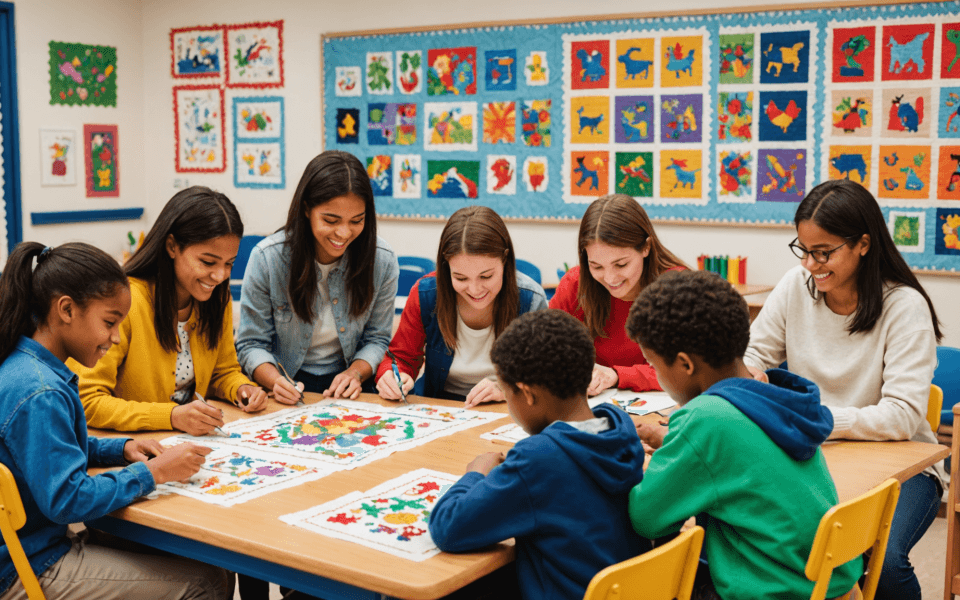
Engaging students in hands-on creations opens avenues for self-expression, boosts creativity, and enhances learning outcomes. One remarkable way to achieve this is through classroom projects that integrate various techniques, such as cross stitch and embroidery, which are not only enjoyable but also teach valuable skills. By weaving in arts and crafts, you create an immersive environment that fosters collaboration, introduces fine motor development, and encourages students to share their unique artistic perspectives.
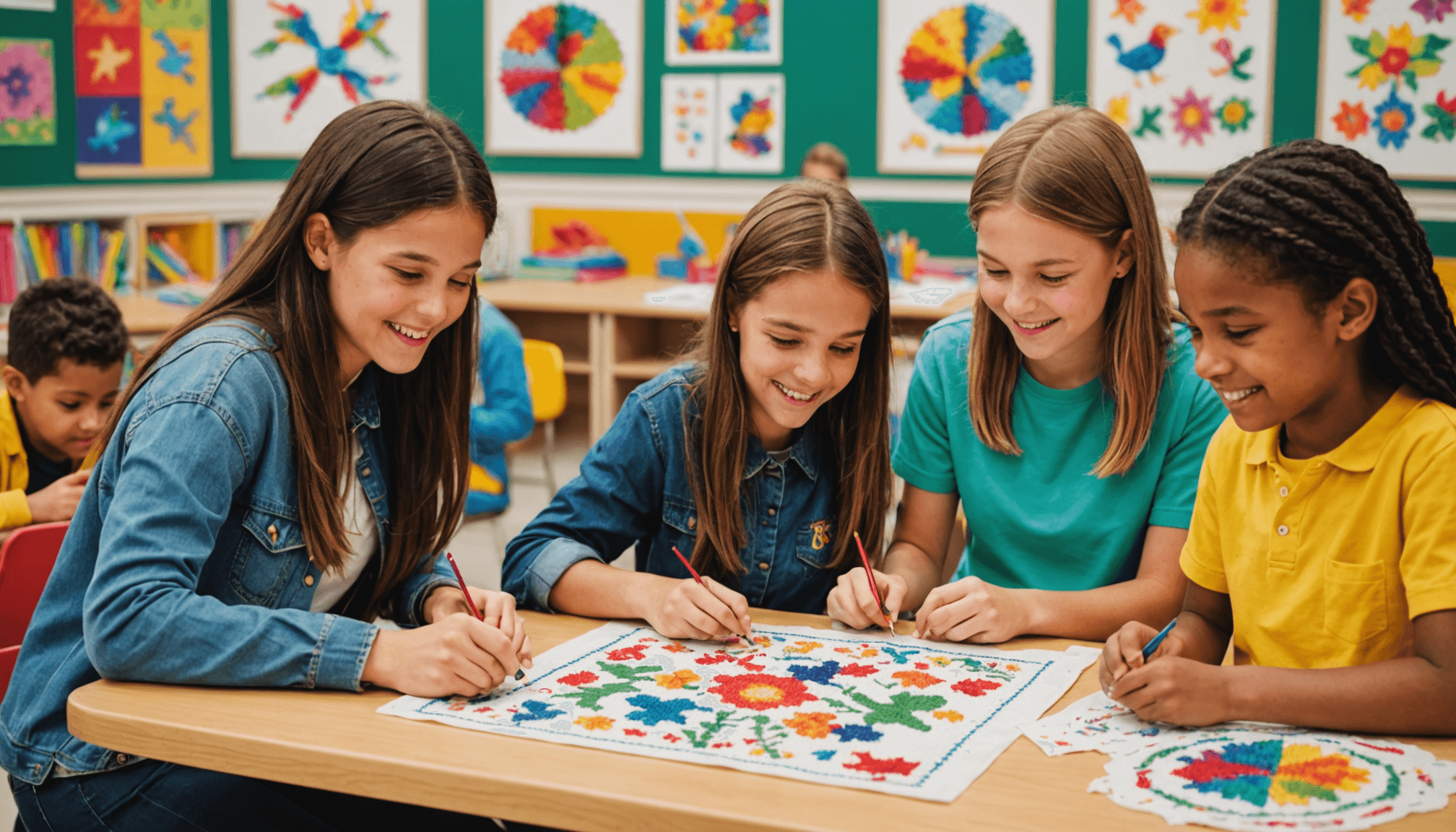
Consider a cross stitch project aimed at students of different ages. For younger learners, introducing simple patterns, such as animals or flowers, can spark excitement and instill confidence as they see their skills develop. Use bright, colorful threads and fabric that capture their interest. For older students, offer them the chance to design their own patterns or incorporate meaningful symbols from their culture or personal interests. This not only empowers them creatively but encourages critical thinking and storytelling. Imagine a classroom adorned with personalized cross stitch pieces that reflect each student’s individuality—this not only beautifies your space but also boosts pride in their craftsmanship.
Another fun educational DIY is sewing small fabric pouches that can hold supplies or personal items. This project is practical, as students will see direct benefits from their work, and it can be easily adapted for various skill levels. Younger students can start with pre-cut fabric and simple straight stitches, while older students can design and sew their own pouches from scratch, learning about measurements and pattern making. As they create these functional items, you can encourage discussions about design elements such as color theory or textile choices, weaving in subjects like math and science in a seamless, engaging way.
To elevate the experience, consider a group mural project involving fabric squares. Each student can contribute their section, which you can later assemble into a larger piece to display in the school entrance or a common area. This not only fosters teamwork but gives students ownership of their collective creation. Imagine them bustling with excitement as they choose patterns and colors, ultimately creating a vibrant portrayal of your classroom’s spirit.
Incorporating projects like these not only enriches the learning experience but also cultivates a sense of community. Encourage student reflection by having them share their creations with their peers, explaining what inspired their designs and what they learned throughout the process. This open dialogue nurtures an atmosphere of support and admiration, reinforcing the value of each individual’s work.
Inexpensive Materials for Crafting
When it comes to crafting in the classroom, using inexpensive materials can fuel creativity while keeping costs manageable. Many common items can easily be repurposed into engaging school crafts, making art accessible for all students. Here are some ideas to help you maximize creativity without breaking the bank.
Start by collecting materials that are often discarded. Empty cereal boxes can become sturdy bases for dioramas or journals, while plastic bottle caps can serve as colorful game pieces or unique embellishments on art projects. Encourage students to bring in materials from home, such as old magazines, fabric scraps, and buttons—these items can provide a tactile experience that fosters imaginative play and resourcefulness.
Utilize nature as an inexpensive source of crafting materials. Leaves, twigs, and stones can be transformed into stunning artwork or educational DIY projects. For example, students can glue leaves onto paper to create seasonal collages, or paint stones to create garden markers. This not only provides hands-on experience with natural textures but also promotes an appreciation for the environment.
Consider using bulk supplies to reduce costs. Craft stores often offer discounts on larger quantities of items like construction paper, glue, and paint. Establish a craft supply stockpile, where students can access materials whenever needed. This encourages them to explore different projects without worrying about individual costs, fostering a culture of creativity.
Community donations can also be an excellent way to acquire materials. Reach out to local businesses or parents to collect items like fabric, yarn, and other crafting supplies that may be lying around unused. A “craft supply swap” event can be organized, allowing students and families to trade materials they no longer need for items that can inspire new classroom projects.
Establish guidelines to ensure that materials are used creatively rather than wasted. Encourage students to brainstorm before starting a project, guiding them to think critically about how they can use what’s at hand to achieve their desired results. Emphasizing reusability and sustainability in your crafting efforts not only enriches their artistic experience but also imparts valuable life skills.
- Repurpose everyday items like cardboard boxes and bottle caps for creative school crafts.
- Use natural materials from outdoors to add texture and uniqueness to projects.
- Purchase supplies in bulk to save money and provide ample resources for students.
- Engage the community by soliciting donations of unused craft materials.
- Encourage brainstorming sessions to maximize the use of available materials before starting projects.
Incorporating Art into Daily Lessons
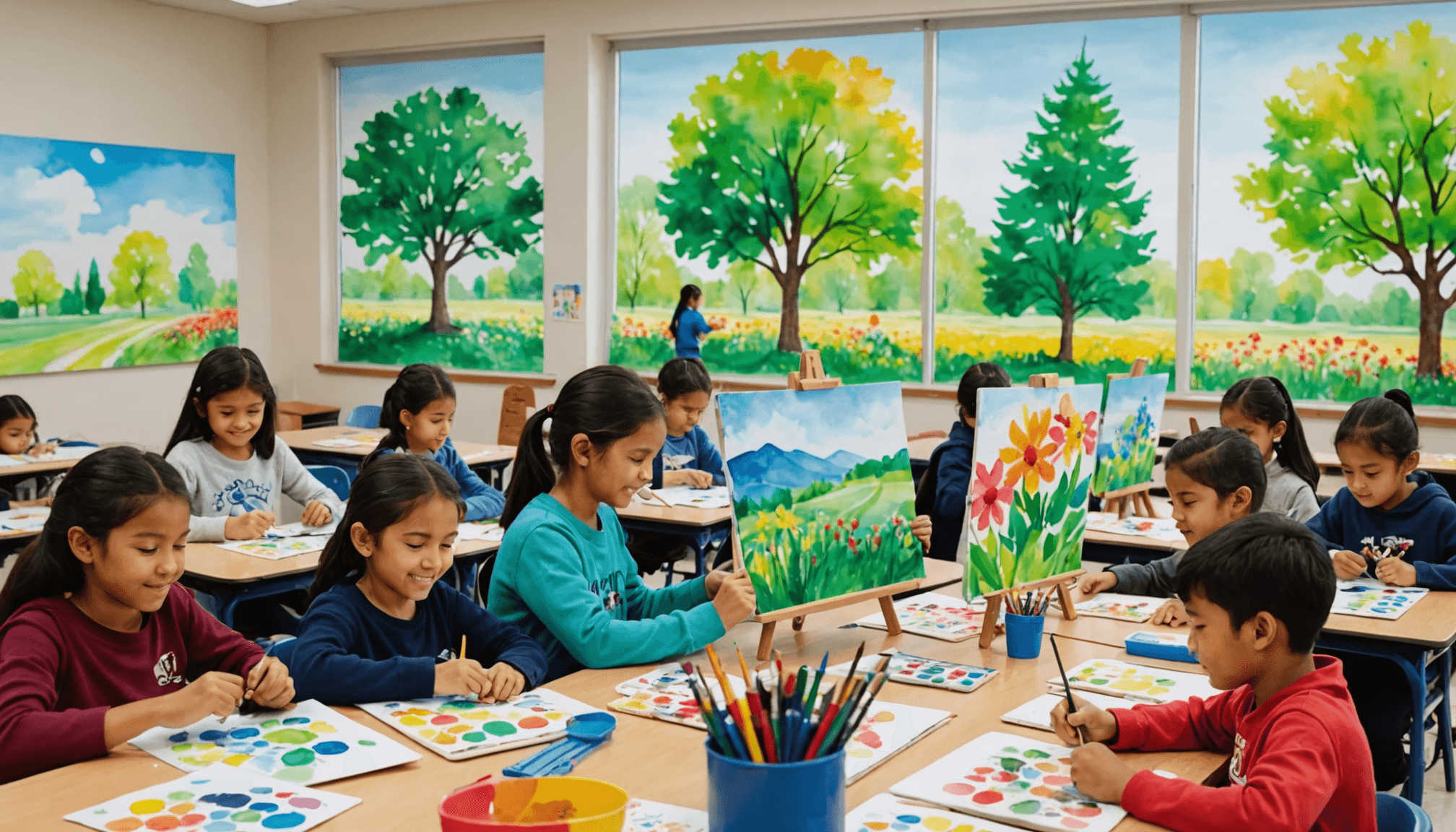 When teachers aim to integrate art into daily lessons, there are common pitfalls that can hinder the effectiveness of these creative initiatives. One of the most significant mistakes is treating art as a standalone subject rather than a tool that enhances other areas of learning. To avoid this, it’s crucial to make connections between art projects and the core subjects being taught. This means creating lesson plans where art activities are directly linked to themes in literature, science, math, or social studies. For example, while discussing seasonal changes, students could create watercolor paintings of different landscapes, thereby reinforcing their understanding through visual representation.
Another mistake is underestimating the students’ ability to explore and express themselves. Some educators may feel the need to control the artistic process too much, leading to a lack of creative freedom. Instead of providing overly specific instructions or templates, teachers should encourage students to take ownership of their projects. Offering options and letting them propose their ideas not only boosts their confidence but also fosters a more authentic learning environment. To facilitate this, consider dedicating a portion of the lesson to brainstorming, where students can share concepts or styles they want to experiment with.
Insufficient preparation of materials can also inhibit the creative process. Teachers sometimes fail to have the necessary supplies ready, causing interruptions during lessons and leading to wasted time. To mitigate this, it’s essential to plan ahead by ensuring that all needed materials are on hand before introducing the project. For example, if a lesson involves making collages from old magazines, prepare a selection of materials in advance and have them organized for easy access. Having everything prepared allows students to dive into their projects without distraction.
Additionally, neglecting to promote a positive critique culture can lead to students feeling discouraged about their work. When feedback sessions focus only on what could be improved, students may feel criticized rather than supported. Instead, educators should model constructive criticism by highlighting strengths before addressing areas for growth. Encourage peer reviews where students can share what they appreciate about each other’s artwork. This not only builds confidence but strengthens the classroom community by fostering mutual respect and understanding.
Failing to continuously link art activities back to real-world applications is another common error. Students often benefit from seeing how their artistry connects to broader contexts. When discussing a historical period, allow students to create pieces inspired by the art of that time; when studying ecosystems, encourage them to produce art reflective of the biodiversity they learn about. These connections make classroom projects relevant and engaging, demonstrating how art is not just subjective but a powerful means of communication and understanding.
By addressing these common mistakes, educators can enrich their classrooms with art that complements and enhances daily lessons. This approach fosters a vibrant learning environment where students can practice creativity, critical thinking, and collaboration through engaging school crafts and educational DIY projects.
Seasonal Themed Activities
As the seasons change, so too do the opportunities for creativity in the classroom. Seasonal themed activities offer a unique chance for students to connect with nature, embrace the changes in their environment, and express their creativity through art. Each season presents its own palette of colors, textures, and themes that can be explored through various projects, making learning more relatable and enjoyable.
During autumn, for instance, students can collect leaves and use them to create beautiful leaf rubbings or collages. Encourage them to experiment with different colors and sizes, discussing the various shapes and types of leaves they can find. This hands-on project integrates science and art, as students not only learn about the changing seasons but also about the different tree species in their area. Make it even more interactive by organizing a “leaf hunt” around the school grounds, where they can gather materials for their art while appreciating the environment.
Winter brings with it a host of crafting possibilities centered around themes of giving and reflection. Students can create handmade holiday cards using markers, stamps, and collaged materials, which can be sent to local nursing homes or resold at a school fundraiser. Engage students in discussions about the importance of community and kindness during this festive season, enhancing their understanding through meaningful projects. Alternatively, consider making snow globes with clear jars, water, and small figurines, allowing them to design their own winter scenes—a project that combines creativity with a little science about density and buoyancy.
Spring awakens the sense of growth and renewal, making it a perfect time for students to engage in flower-themed crafts. Simple activities like creating paper flowers or planting seeds in decorated pots not only spark their creativity but also tie in lessons on biology and ecology. Hands-on planting projects can also encourage students to take responsibility for caring for their plants, combining art with life skills and environmental stewardship.
As summer approaches, students can reflect on their experiences throughout the school year by embarking on projects that celebrate their favorite memories. For example, they can create a scrapbook or a visual timeline that showcases highlights from each season, connecting personal stories with artistic expression. This allows students to not only reminisce but also develop storytelling skills as they choose which moments to capture and how to present them visually.
Using seasonal themes in your classroom projects fosters a deep appreciation for the world around them. Students will feel a sense of belonging as they share their ideas and contribute to class displays with their seasonal crafts. Encourage them to work collaboratively, discussing their perspectives and choices throughout the crafting process. This interaction not only builds a more inclusive classroom atmosphere but also promotes the importance of cooperation and community.
Tap into the magic of each season by implementing themed activities that could bring joy and inspiration to your students. As they dive into these projects, remember that the goal is to encourage exploration, creativity, and self-expression. Let the changing seasons ignite their passion for art and learning, leading them to discover new ways to communicate their thoughts and feelings through the beauty of seasonal crafts. Embrace the opportunity to create lasting memories—after all, these engaging classroom experiences can plant the seeds of creativity that flourish well beyond their school days.
Tips for Organizing Craft Supplies
- What are some quick tips for organizing my craft supplies?
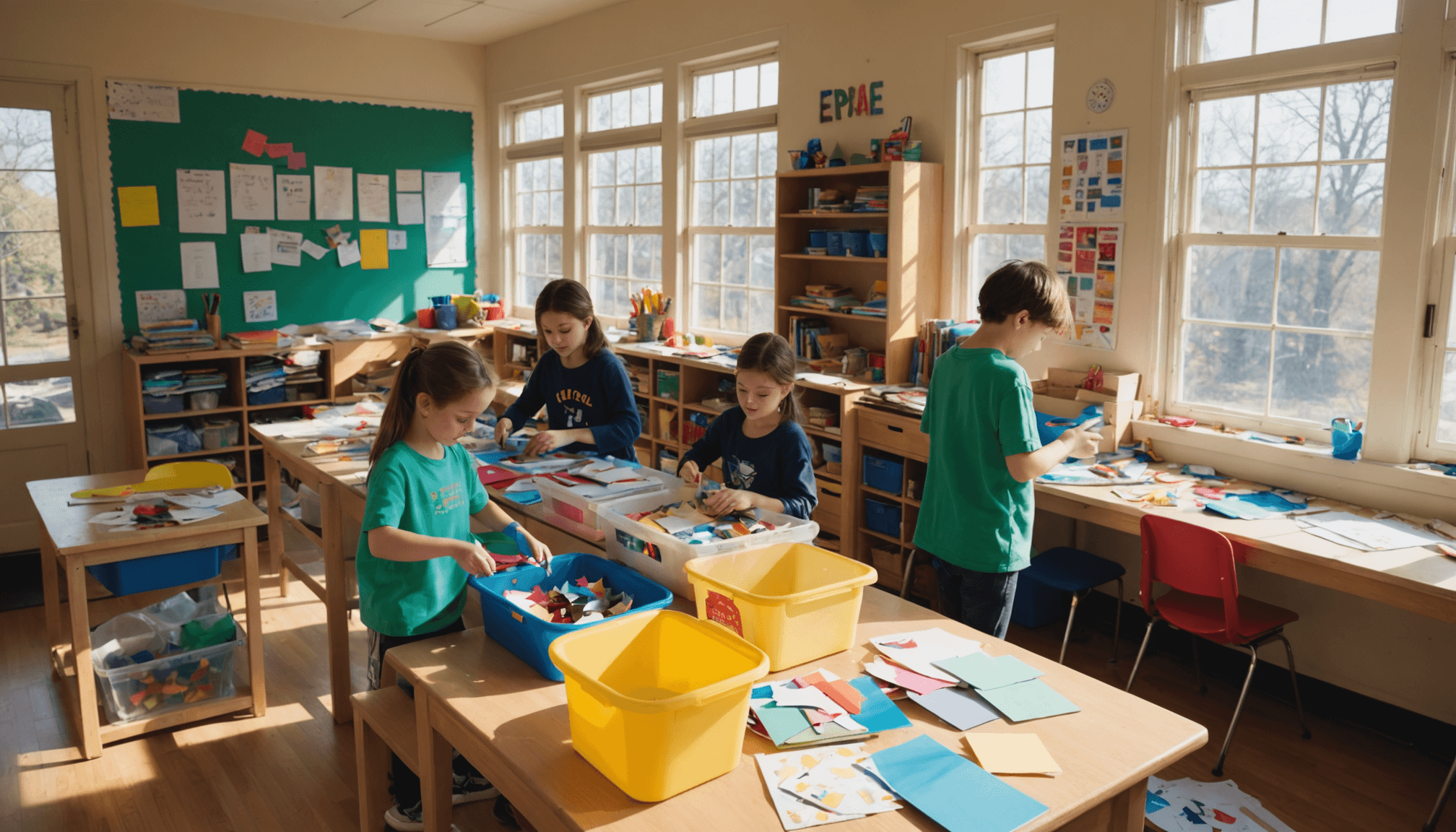
- Begin by sorting materials into categories, such as paper, fabric, and tools. Use transparent bins or labeled drawers to store items, making it easy to locate and access supplies during classroom projects. Maintain an inventory to keep track of materials and restock when necessary.
- How can I involve students in the organization process?
- Involve students in the organization by having them help sort materials and create labels for bins. Turn it into a fun activity by allowing them to decorate boxes or containers. This gives them ownership over their craft area and teaches responsibility in maintaining an organized workspace.
- What should I do with leftover materials from previous projects?
- Leftover materials can be repurposed into new school crafts or saved for future activities. Organize a “scrap bin” where students can access these materials for spontaneous creativity. Encouraging reuse not only saves money but also fosters environmental awareness.
- What are some good storage solutions for small items like beads and buttons?
- Small items like beads and buttons can be stored in divided containers or small jars with labels. This keeps them visible and easy to find. Using tackle boxes with adjustable compartments can also be an effective method to customize storage based on the size of your collection.
- How can I keep my craft area tidy during projects?
- Establish ground rules for tiding up as projects progress. Encourage students to clean their immediate area before starting a new task and to return materials after use. Having designated clean-up times can instill discipline and respect for shared spaces.
- Can I share organizing tips with other teachers?
- Absolutely! Sharing organizing tips can benefit all teachers, as effective organization creates a more efficient and creative classroom environment. Consider hosting a collaborative session with other educators to exchange ideas and solutions for organizing craft supplies.
- How often should I reassess my craft supply organization?
- It’s beneficial to reassess your organization at the start of each new term or season. This allows you to evaluate what supplies are being used and what might need to be replenished. Regular check-ins will ensure that everything remains organized and suitable for upcoming classroom projects.
