




Recycled Paper Art Projects

- Recycled Paper: An Eco-Friendly Medium
- Creative Techniques for Paper Art
- Step-by-Step Projects to Try
- Tips for Sourcing and Preparing Materials
- Showcasing Your Recycled Paper Art
Recycled paper is not just a simple alternative; it’s an eco-friendly medium that opens the door to a world of creativity while supporting sustainability. By transforming discarded paper into vibrant works of art, you can take part in paper recycling and reduce environmental waste. Each sheet of recycled paper carries a story, a blend of texture and color that can inspire your next project, whether it’s creating wall hangings, greeting cards, or intricate decor pieces.
Utilizing recycled paper allows artisans and crafters to experiment with textures and tones that aren’t typically available in new paper products. The variances in color, saturation, and weight create unique opportunities to explore your artistic voice. Imagine working with crinkled pages from old books, vibrant cereal boxes, or even the textured leftovers from packaging. These materials can be blended into mixed media pieces that capture both the eye and the essence of sustainability. The versatility of recycled paper means it can be spray painted, glued, cut, or layered, allowing you to unleash your creativity without the constraints of traditional materials.
For those who are new to using recycled paper, it can also serve as an excellent introduction to various crafting techniques. You might find yourself torn between wanting to preserve the original beauty of a vintage page or daring to transform it into something entirely new. This journey encourages not just the creation but also mindful consumption and respect for resources. So grab those old magazines, that heap of unnecessary packaging, and get ready to craft, knowing that each piece you create contributes positively to the environment. As you dive deeper into this medium, let your imagination lead the way, embracing both the innovative and the whimsical aspects of recycled art.
Creative Techniques for Paper Art
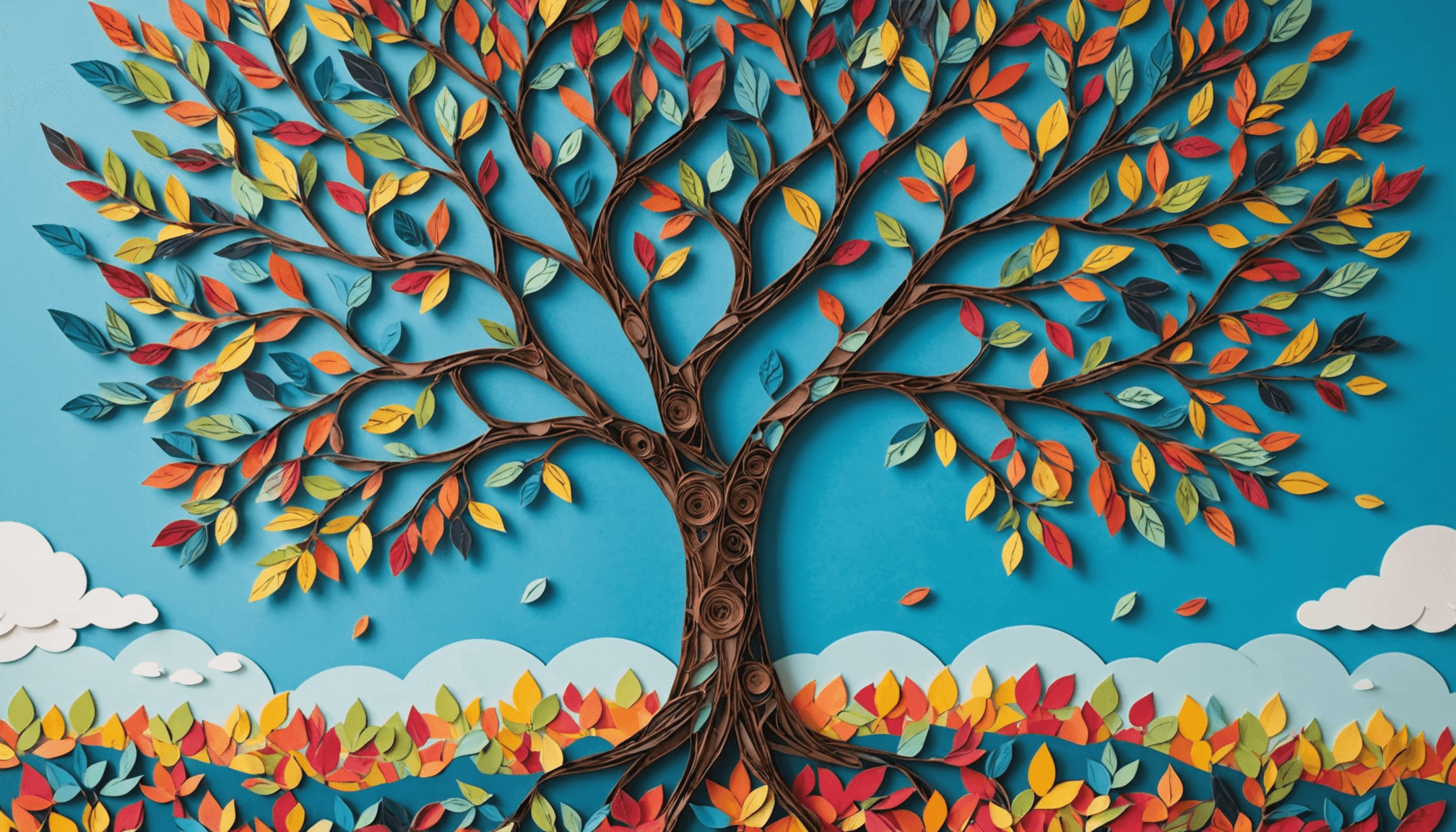
Exploring various techniques in recycled paper art can transform your crafting experience and results. One popular method is paper quilling, which involves rolling, shaping, and gluing strips of recycled paper into intricate designs. By experimenting with different shapes and sizes, you can create stunning three-dimensional artworks that showcase the beauty of recycled materials. Additionally, layering pieces of paper can add depth and texture to your projects, allowing you to create visually captivating compositions.
Collage is another effective technique for utilizing recycled paper, where you can mix and match various colors, patterns, and textures to form new images. This method encourages creativity as you can integrate different elements such as images from magazines, pages from old books, or colorful packaging to tell a story or convey a message. Moreover, incorporating techniques like paper mache can further enhance the durability and appearance of your projects. By mixing torn paper with a glue-water solution, you can create sculptural pieces or ornaments that are both lightweight and eco-friendly.
Stenciling is also a fun way to personalize your recycled paper creations. Cut shapes from stencils and use natural dyes or watercolors to create unique patterns on your papers, which can serve as backgrounds or focal points in your artwork. Experimenting with texture can bring your pieces to life; consider using embossed paper or combining different paper weights to see how they interact in a project.
- Try using paper strips of varying widths for paper quilling to create interesting shapes and patterns.
- Layering different types and colors of recycled paper can result in striking visual contrasts.
- Combining paper mache techniques with recycled paper can enhance the strength and texture of your art pieces.
- Explore stenciling to add personalized designs that reflect your artistic style.
- Always test your adhesives and coloring methods on scrap pieces to see how the recycled paper reacts before starting your final project.
Step-by-Step Projects to Try
 When diving into paper art projects, it’s easy to overlook some key aspects that can make or break your experience. One common mistake is not adequately preparing the recycled paper before use. Since materials can vary in thickness, texture, and adhesive compatibility, beginners might find that some papers don’t hold up as well as expected. To avoid this, always test your materials with a small project first to understand how they behave—this prevents frustration during larger projects.
Another frequent issue is trying to use too many types of paper at once without considering how they will work together. Mixing papers with drastically different weights or textures can lead to unbalanced compositions that may not adhere properly. Stick to a few complementary materials to ensure your artwork maintains a cohesive look. Additionally, remember that some recycled papers can be sensitive to moisture, so it’s wise to limit the use of heavy liquid adhesives that could cause warping.
Many crafters also make the mistake of rushing through the drying process. Proper drying time is crucial for ensuring that the layers adhere well and the finished project maintains its shape. If you’re impatient and move on too quickly, you might end up with pieces that peel apart or lose their form. Allow enough time for each layer or component to dry thoroughly, especially when using glue or paint.
When cutting and shaping recycled paper, another pitfall is failing to use the right tools. Scissors that are not sharp enough can cause tearing instead of clean cuts, which can ruin the aesthetic quality of your work. Always use a sharp blade or specialized paper cutting tools, as this will help ensure precise shapes and smoother edges for a more professional finish.
Lastly, some creators neglect the importance of proper storage for their recycled paper materials. Leaving papers exposed can lead to damage from dust, moisture, or direct sunlight, which can affect their color and usability. Store your papers in a cool, dry place, ideally stacked flat to prevent creasing or curling. With a bit of foresight and planning, you can significantly enhance your success in DIY crafts involving recycled papers, ultimately leading to art pieces that are not only beautiful but also eco-friendly.
Tips for Sourcing and Preparing Materials
Sourcing materials for your recycled paper art projects can be both fun and rewarding. Start by looking around your home for items that may otherwise end up in the trash or recycling bin. Old newspapers, magazines, greeting cards, and packaging can all serve as fantastic resources. Don’t hesitate to reach out to friends and family to see if they have any materials they’re willing to part with. Social media groups focused on recycling or DIY crafts often have community members who share or swap materials.
When sourcing recycled paper, consider the type of projects you want to create. For instance, if you’re interested in making intricate designs, you might want to prioritize thinner papers that can be easily manipulated. On the other hand, sturdy cardboard is ideal for constructing structural pieces or three-dimensional art. Once you’ve gathered your materials, it’s essential to prepare them properly.
Begin by sorting your papers based on texture, color, and weight. This will not only streamline your creative process but will also help you visualize how different pieces will work together. You may want to tear, cut, or even crumble the papers to achieve the effects you desire. This adds interesting texture and gives each piece a unique character. Remember that some papers may need to be reinforced with glue, especially if you’re combining different weights or types. Be mindful of the adhesives you choose; opting for eco-friendly glues will ensure that your projects remain sustainable.
Cleaning your materials is also a critical step. If you’re working with printed materials, such as magazines, ensure that any glossy pages are suitable for your planned techniques. You can do a simple test by applying adhesive to a hidden corner to see how well it adheres. For projects that involve paint or ink, consider priming the surfaces of recycled paper to prevent bleeding and to enhance color vibrancy.
Storage is another aspect that deserves attention. Keep your recycled materials organized and stored in a dry, cool space. Using plastic bins or labeled envelopes can help protect your papers from damage and make it easier to find the right materials when inspiration strikes.
As you embark on your recycled paper art journey, remember that the limit is your imagination. The more you experiment with different sourcing techniques and preparation methods, the more unique and vibrant your creations will become. Embrace the process and know that every piece of recycled paper holds the potential for eco-friendly art. Dive in and start transforming your found materials into beautiful works of art. Your creativity not only fosters skill but also contributes positively to sustainability.
Showcasing Your Recycled Paper Art
- What are the benefits of using recycled paper in my art projects?
- Using recycled paper is eco-friendly and helps reduce waste by repurposing materials that would otherwise end up in landfills. It also offers unique textures and colors that can enhance the creativity of your projects.
- How can I source recycled paper for my DIY crafts?
- Look around your home for newspapers, magazines, greeting cards, and packaging materials. You can also connect with friends or family for additional resources or check social media groups focused on recycling and crafting.
- What techniques work best for cutting and shaping recycled paper?
- Using sharp scissors or specialized paper cutting tools will provide clean cuts and prevent tearing. Always ensure that your cutting tools are appropriate for the thickness of the paper you’re using.
- Can I use any adhesive with recycled paper?
- Not all adhesives work well with recycled paper, especially if it has a glossy finish. It’s advisable to test different adhesives on scrap pieces to see which ones hold best before applying them to your main project.
- What are some easy projects to start with recycled paper?
- Some simple projects include making greeting cards, collages, or paper ornaments. These projects allow you to explore various techniques and get familiar with handling recycled materials.
- How do I preserve my finished recycled paper art?
- To preserve your artwork, store it in a cool, dry place away from direct sunlight. You can also frame your pieces under glass to protect them from dust and damage.
- Is it safe to paint on recycled paper?
- Yes, but you should consider priming the surface first if you plan to use paints or inks that may bleed through. Experimenting on sample pieces can help you determine the best approach for your specific paper type.
