



Creative Scrapbooking and Journaling Ideas

- Creative scrapbooking techniques
- Inspiring journaling prompts
- Materials and tools for scrapbooking
- Tips for organizing your scrapbook
- Showcasing your finished projects
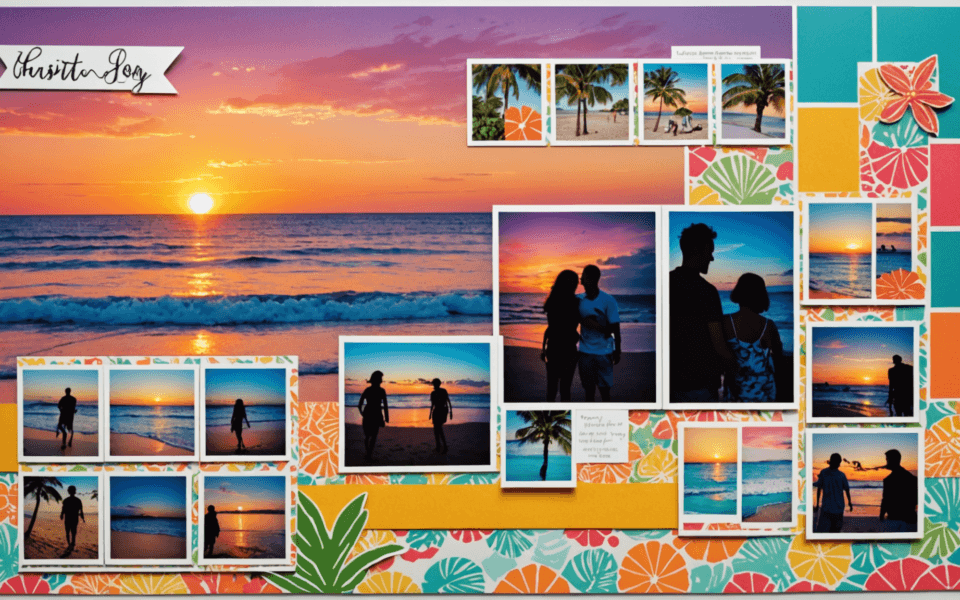
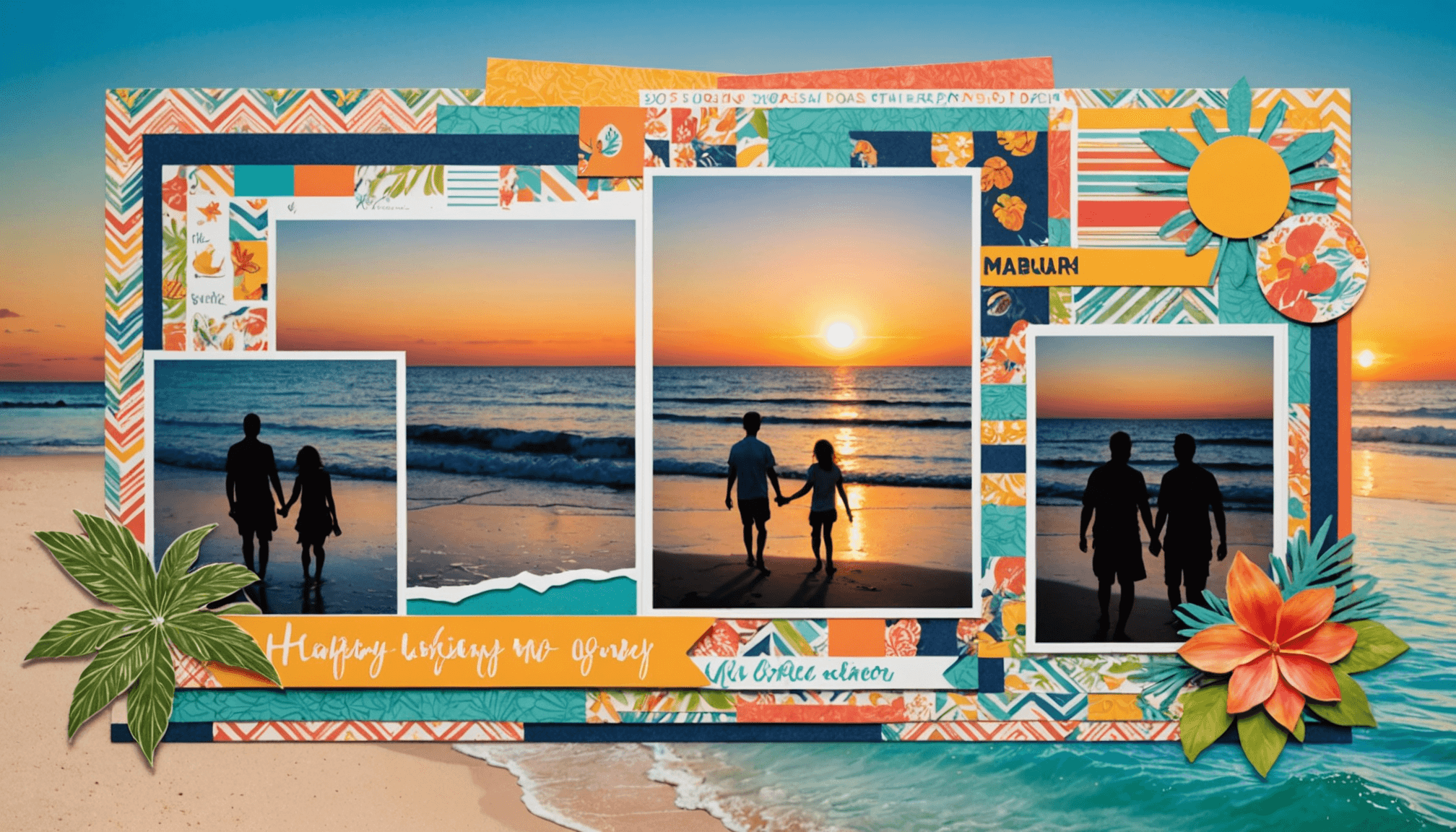
Incorporating creative scrapbooking techniques into your projects can elevate your paper art, turning each page into a unique masterpiece that tells a vivid story. One popular method is using layering; by stacking various elements like photos, patterned papers, and embellishments, you can create depth and visual interest. Start by choosing a themed color palette to unify your layout. For example, if you’re documenting a summer vacation, utilizing bright colors and tropical-themed papers can evoke warmth and fun. Use foam adhesive squares to lift certain elements off the page, making them pop while adding a tactile experience to your scrapbook.
Another exciting technique is the incorporation of mixed media. This approach blends traditional scrapbooking materials with unconventional items like fabric, washi tape, or even dried flowers. Imagine adding a layer of watercolor background behind your photos for a soft, dreamy effect, or using fabric scraps to create a textured border. Not only does this give your scrapbook a unique flair, but it also reflects your personality and creativity.
Stencils and stamps can transform your scrapbook pages with minimal effort. By using theme-appropriate stamps, you can embellish your journaling sections or the borders of photos. For instance, a travel-themed stamp set with compass designs can enhance the narrative of your trips. Pairing stamped images with hand-lettered notes can create a charming, personalized touch.
Consider trying pocket pages for a modern twist on scrapbooking. This method allows you to quickly insert layouts and memorabilia into protective sleeves, creating an easy way to incorporate elements like ticket stubs or postcards without altering them. You can even mix traditional layouts within pocket pages for a dynamic look. Utilize smaller cards to jot down personal anecdotes or quotes that capture the essence of the moments you’re preserving.
To keep your creativity flowing, try using unexpected materials such as recycled paper, magazine cutouts, or fabric scraps. Repurposing these items not only makes your scrapbook more sustainable but also brings an element of surprise to your designs. Combining different textures and patterns can lead to stunning visual contrasts, making your scrapbook truly one-of-a-kind.
Lastly, don’t hesitate to seek inspiration from other crafters. You can join social media groups or local crafting circles to exchange ideas and techniques. Sharing your completed projects can also inspire others and boost your creative confidence. When you engage with fellow enthusiasts, you deepen your understanding of the artistic possibilities within scrapbooking, ultimately enriching your own practice.
Inspiring journaling prompts
Journaling can be an immensely personal experience, allowing you to express emotions and reflect on your life. To enhance this artistic expression, consider these prompts that can inspire your writing and add depth to your scrapbook pages.
Imagine recalling a cherished moment from your childhood. Write about the sights, sounds, and feelings associated with that day. Describe not only the event itself but also your emotions. This could capture a birthday party, a family vacation, or a favorite place you visited. Pair your writing with photos from that time or related memorabilia to create a richly layered narrative.
Another engaging prompt is to pen a letter to your future self. What are your hopes, dreams, and fears? How do you envision your life in five or ten years? This reflection can help clarify your goals and provide a meaningful context for the photos and stories you include in your scrapbook. When revisiting this letter later, you’ll appreciate the journey you’ve taken.
You might also explore the theme of gratitude. Create a list of things, people, or experiences that bring you joy. Take a moment to elaborate on why these aspects are significant to you. This practice not only enriches your journaling but can also serve as a reminder of positivity during challenging times.
Lastly, consider writing about a favorite quote or mantra that resonates with you. Reflect on why it holds significance and how it has influenced your life. Incorporating this into your scrapbook can serve as a motivating touchstone and provide visual inspiration alongside your written musings.
- Use sensory details to enrich your journaling; describe how something looked, felt, or sounded to immerse the reader in the experience.
- Consider creating themed pages that explore different facets of your life, such as “Travel Adventures” or “Family Traditions,” to maintain focus and coherence.
- Incorporate doodles or sketches if the written word isn’t enough; this adds a personal touch and can make your scrapbook more visually engaging.
- Don’t shy away from experimenting with your writing style—try poetry, prose, or even song lyrics to express your thoughts uniquely.
- Set aside regular time for journaling to develop a habit; this can lead to a treasure trove of memories for your scrapbook in the future.
Materials and tools for scrapbooking
 When it comes to gathering materials and tools for your creative scrapbooking journey, there are several common pitfalls to be aware of, which can impact your projects negatively. One mistake many beginners make is overloading themselves with supplies. While having a variety of materials can be beneficial, hoarding tools and papers without a clear idea of how to use them can lead to confusion and overwhelm. To avoid this, start by selecting a manageable selection of essential items that you will actually use, such as basic papers, adhesive, scissors, and a few embellishments. As you gain experience, you can gradually expand your collection based on your projects and preferences.
Another frequent error is using low-quality materials, particularly when it comes to adhesive. Using inferior glue or tape can result in elements falling off your pages over time, ruining the integrity of your scrapbook. It’s important to invest in quality adhesives that are acid-free, especially if you’re working with photographs. Researching reputable brands and reading reviews will guide you in making informed choices.
Additionally, some crafters overlook the importance of organization within their workspace. A cluttered area can stifle creativity and make it difficult to find the materials you need. To prevent this, set up a dedicated scrapbooking station with storage solutions like bins, folders, and trays that categorize items by type. This will streamline your process, allowing you to focus on your creative expression instead of searching for tools.
Procrastination is yet another stumbling block. Many people avoid starting their projects due to fear of making mistakes or not achieving perfection. This can keep you from enjoying the scrapbooking experience. To combat this, remember that the beauty of paper art lies in its process, not just the finished product. Embrace imperfection, and consider creating simple layouts or working on smaller projects when starting out. This will allow you to build confidence and gradually refine your skills.
Finally, neglecting to take care of materials can result in wasted supplies. For example, leaving your glue exposed can cause it to dry out, or not storing papers properly can lead to bends and tears. Always put lids back on adhesives after use and store papers flat or in protective sleeves to maintain their quality. By being conscientious about the care of your materials, you can preserve their condition and ensure they last for future projects.
Tips for organizing your scrapbook
Organizing your scrapbook can significantly enhance your creative process, making it easier to find materials and stay inspired. Start by establishing a designated workspace that is comfortable and inviting. Clear off a dedicated table or using a spare room to set up your crafting area can help you focus only on creativity without distractions. Ensure that this space is well-lit and stocked with inspiring decor or artwork to stimulate your imagination.
Next, consider sorting your supplies in a manner that makes sense to you. Use clear bins or drawers to categorize materials by type—papers in one area, adhesives in another, and embellishments in their own section. Labeling is key here; it allows you to quickly locate what you need without disrupting your flow. For instance, you might create sections for seasonal materials, colors, or themes, depending on the projects you tend to work on most.
Utilizing a binder system is another effective method for organization. You can store loose papers, stickers, and other embellishments in sheet protectors, grouped by theme or color. This not only keeps your materials flat and unwrinkled but also allows you to flip through your options easily, sparking inspiration for new layouts or ideas.
In terms of your actual scrapbook pages, consider creating a layout plan before diving into the decorative process. Sketching a rough outline of where photos and embellishments will go can save you time and help visualize the final product. This planning stage can serve as an exciting brainstorming session, leading to more cohesive designs and ensuring that each page feels thoughtfully arranged.
Regularly revisit and declutter your scrapbooking supplies. Holding onto materials you no longer love or that no longer inspire you can lead to overwhelm. Every few months, go through your collection and donate or toss items that you haven’t used recently. This not only makes room for fresh supplies but also refreshes your creative spirit.
Lastly, maintain an idea journal for scrapbooking concepts or techniques you’d like to try. Jot down thoughts, sketches, or clippings that catch your eye. This will not only keep your ideas centralized and accessible but also provide a wellspring of inspiration when you’re feeling stuck.
As you put these organizational tips into practice, remember that the journey of scrapbooking is just as important as the final product. Embrace the creative process, stay inspired, and watch as your scrapbook evolves into a cherished collection of memories and artistry. Keep creating, and let your imagination run wild!
Showcasing your finished projects

- What is the best way to showcase my scrapbook projects?
- There are several creative ways to display your scrapbook projects, such as using frames or shadow boxes to highlight selected pages. You can also create a mini exhibit by hanging a clothesline-like system in a designated area to clip up your favorite pages, allowing for easy rotation.
- How can I protect my scrapbook from damage over time?
- To protect your scrapbook, use acid-free materials for both binding and embellishments, as these prevent deterioration. Store your scrapbook in a cool, dry place away from direct sunlight, and consider using protective covers or archival-quality boxes to keep your projects safe.
- Should I include digital elements in my scrapbooking?
- Incorporating digital elements is a great way to enhance your scrapbook. You can print digital photos, use computer-generated embellishments, or even create digital layouts that can be printed and added to your traditional scrapbook.
- What size scrapbook should I choose for my projects?
- The size of your scrapbook largely depends on personal preference and the types of materials you plan to include. Common sizes include 8×8, 12×12, or even smaller formats for mini albums, each offering a different way to express your creativity.
- How often should I update my scrapbook?
- Updating your scrapbook is a personal choice and can vary based on how frequently you capture new memories. Setting a regular schedule, such as monthly or seasonally, can help you stay organized and ensure you’re documenting important life events as they happen.
- Can I use non-traditional materials for my scrapbook?
- Definitely! Scrapbooking encourages creativity, and using non-traditional materials such as fabric, newspaper clippings, or even small objects can add a unique flair to your project. Just ensure that these materials are safely adhered and appropriate for archival storage.
- What if I’m not good at drawing or embellishing my pages?
- Many scrapbooks thrive on personal touches rather than artistic ability. Consider using stickers, pre-made embellishments, or patterned papers that require minimal artistic skill. Focus on telling your story, and remember that the memories are what truly matter.
