



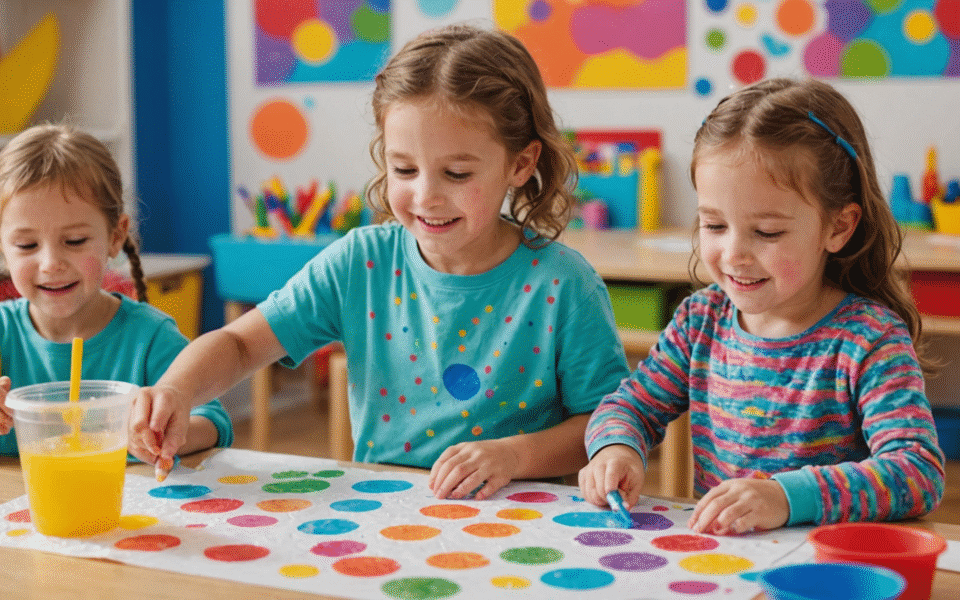
Educational Arts and Crafts Ideas for Preschoolers

- Creative Art Techniques for Young Learners
- Fun Craft Projects Using Recyclables
- Incorporating Nature into Art Activities
- Seasonal Arts and Crafts Ideas
- Enhancing Fine Motor Skills Through Crafts
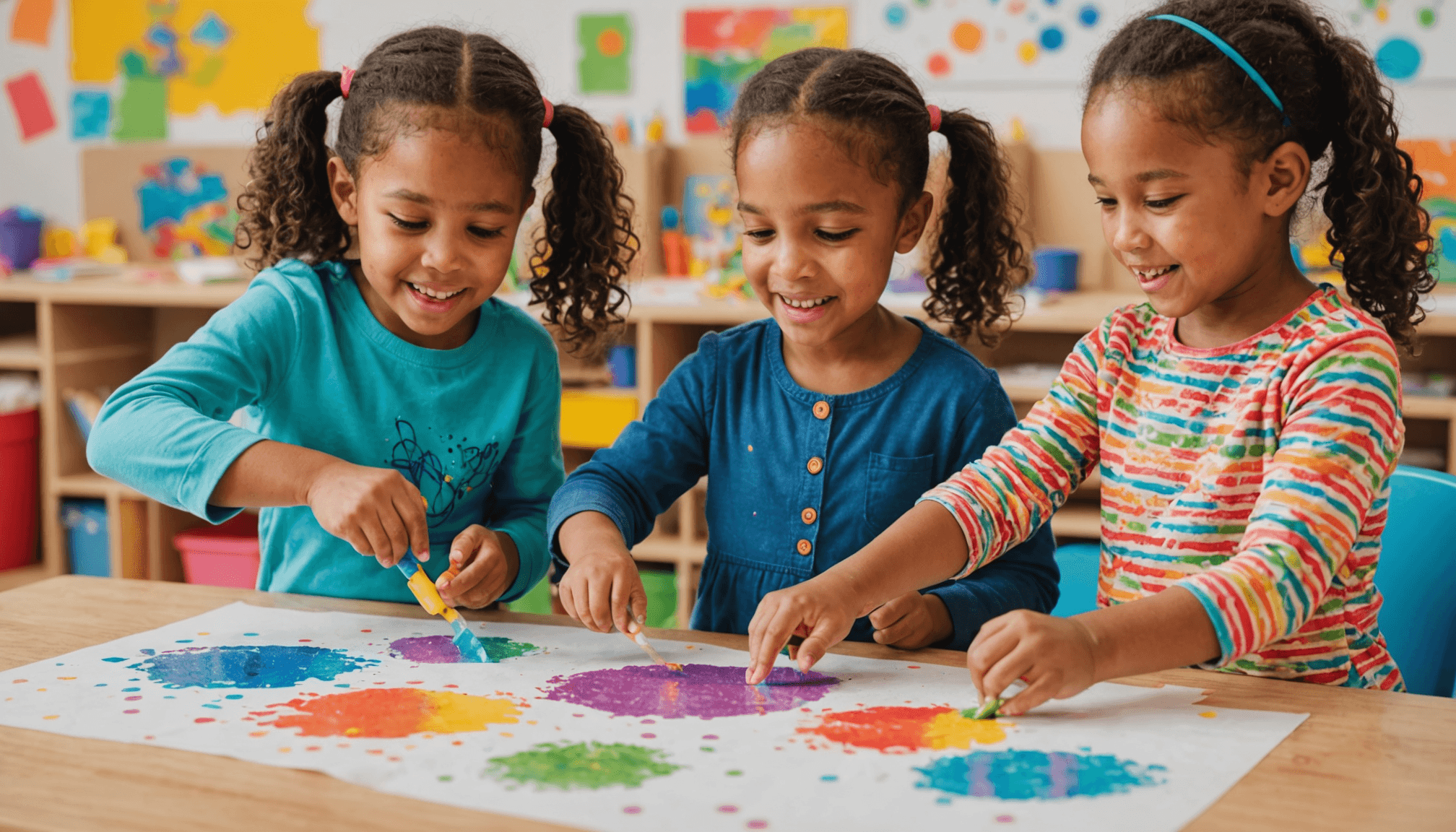
Engaging preschoolers in creative art techniques opens the door to a world of imagination and expression, perfectly suited for their developmental stage. One effective method to inspire young learners is through the use of various painting techniques. For instance, using bubble wrap as a stamp creates delightful textures on paper when the kids dip it in paint and press it down. This playful technique not only excites their senses but also encourages experimentation with colors and patterns, leading to stunning artistic outcomes.
Another popular approach is water marbling, which is both mesmerizing and accessible. By adding drops of food coloring to a shallow pan of water and using a stick or straw to swirl the colors together, children can dip paper into the mixture to reveal beautiful, one-of-a-kind marbled designs. This activity not only captivates their attention but also promotes fine motor skills as they learn to manipulate the paper carefully in the water.
Moving beyond traditional methods, consider introducing texture painting with materials such as sand, fabric, or even small pebbles mixed into paint. This multisensory experience enhances preschool crafts and allows children to explore tactile differences while creating vivid artwork. Encourage them to use their fingers or brushes to apply the textured paint onto canvas or paper, fostering both creativity and a deeper understanding of artistic concepts.
To bring an element of surprise and excitement, try sponge painting, where children use different sponge shapes dipped in paint to create unique images. With vibrant colors and varying sponge forms, they can craft everything from abstract designs to recognizable shapes, all while enjoying the process of creative play. This not only sparks their imaginations but also cultivates their ability to make choices and express themselves.
To tie in learning activities, you can integrate elements of storytelling into their art. After they create their masterpieces, invite them to share a story about what their artwork represents. This verbal exchange not only enhances their language skills but also deepens their connection to their creations, making the art experience richer and more meaningful.
Incorporating these fun and innovative art techniques will not only provide preschoolers with an outlet for their creativity but also inspire a lifelong love for arts and crafts. As they dive into these activities, they’ll develop core skills that are essential for their growth, all while having fun and exploring their artistic potential.
Fun Craft Projects Using Recyclables
Using recyclables for craft projects can be an exciting way to foster creativity in preschoolers while also teaching them the value of reusing materials. From cardboard boxes to bottle caps, there is an abundance of items that can be transformed into imaginative works of art. One of the most engaging projects is creating a robot using an empty cardboard box, which not only sparks their imaginations but also allows them to practice problem-solving as they decide how to structure their creation. Kids can decorate the robot using colored paper, markers, and other found objects, turning simple trash into treasure.
Another popular craft project is making homemade musical instruments. Shaking a container filled with dried beans or rice creates a simple maraca that children can decorate with paint or stickers. This project combines recycling with learning activities, as kids can explore sound and rhythm while also having fun. Encourage them to experiment with different container shapes and sizes to understand how this affects the sound produced.
Egg cartons are particularly versatile; they can be cut into individual cups and transformed into colorful caterpillars or flowers with the help of paint and pipe cleaners. Not only does this activity promote fine motor skills as children cut and glue, but it also offers countless opportunities for imaginative play as they create different characters and scenarios with their crafts.
Plastic bottle crafts can also offer boundless creativity. For instance, cutting a bottle in half can turn it into a bird feeder. After decorating it with paint and hanging it in the garden, kids can observe the birds coming to feed, linking their craft project to real-world learning about nature.
By utilizing items that might otherwise be discarded, children develop an understanding of sustainability and the importance of taking care of the environment. Each craft project emphasizes creative play and allows preschoolers to express themselves while nurturing their artistic abilities.
- Encourage children to think outside the box and find creative uses for everyday items.
- Infuse learning activities by discussing the importance of recycling and sustainability as they craft.
- Incorporate various art mediums, such as paint, fabric scraps, or natural elements, to enhance their projects.
- Allow for open-ended crafting sessions, where there are no strict guidelines, enabling true creative play.
- Showcase their finished projects, celebrating their efforts and boosting their confidence in their creative abilities.
Incorporating Nature into Art Activities
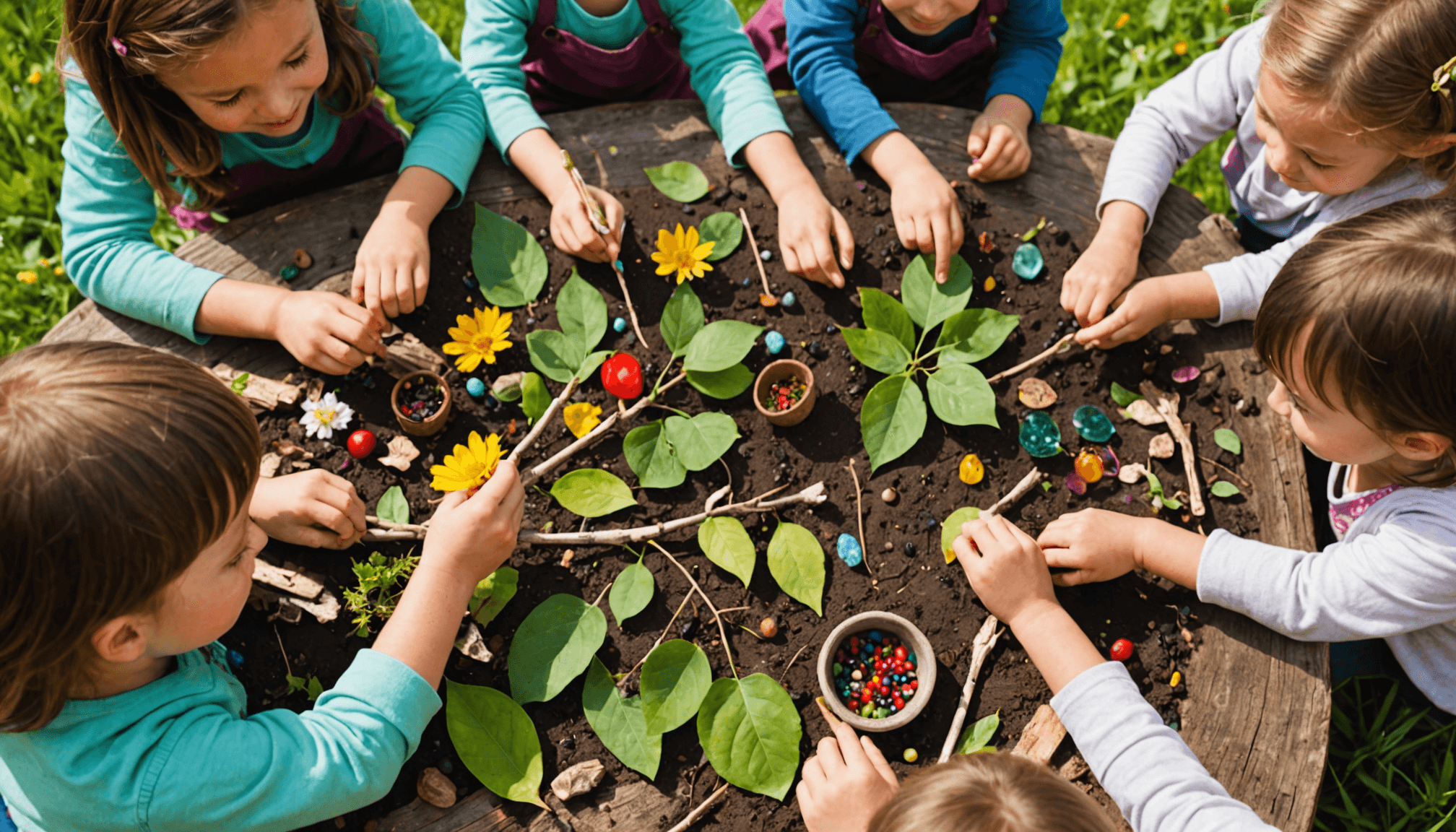 When engaging preschoolers in art activities that incorporate nature, it’s common to encounter several pitfalls. One frequent mistake is relying too heavily on structured projects without allowing creativity and exploration. While it’s nice to have a goal, too much direction can stifle a child’s imagination and limit their expression. To avoid this, provide a variety of natural materials—like leaves, twigs, stones, and flowers—and let the children decide how to use them. Encourage open-ended creative play where they can freely explore and combine elements to make their art.
Another common issue is neglecting safety. Natural materials can sometimes be sharp or pose choking hazards. Always inspect the items before use to ensure they are safe for preschoolers. If you’re using items from outside, teach kids to recognize which plants are safe and which are not. Having a discussion about safety before starting the activity can help instill awareness and responsibility.
It’s also important to be mindful of the mess that can come with outdoor activities. Some caregivers may shy away from projects involving dirt or paint because of the cleanup that follows. However, instead of avoiding mess, embrace it! Prepare an area that can be easily cleaned with water or set out plastic coverings for protection. Equip children with smocks or old t-shirts to wear during the activities, helping them enjoy the process without the stress of getting dirty.
Many adults also make the mistake of overemphasizing the final product rather than the experience itself. Focusing too much on creating a perfect piece of art can lead to disappointment for both the child and the adult. Instead, frame the activity as a journey of discovery. Emphasize the joy of the creative process by celebrating unique creations, encouraging experimentation, and discussing what they learn about colors, textures, and forms found in nature.
Lastly, be cautious about time constraints. Allowing children only a short period to engage in their artwork may rush their creative process, leading to frustration. Allocate generous time for play and exploration, enabling them to fully enjoy their experience and create art that truly reflects their individual perspectives. By giving them the freedom to linger on their projects as inspiration strikes, you’ll nurture their artistic spirit and create meaningful learning activities related to nature and art.
Seasonal Arts and Crafts Ideas
As the seasons change, so too can the themes and materials used for arts and crafts projects, offering endless opportunities for preschoolers to explore and create. Each season brings its own unique colors, textures, and natural elements that can be transformed into beautiful projects. For instance, during the spring, children can collect colorful flowers and leaves to press and create stunning nature collages. They can use construction paper as a background and layer their pressed botanicals to design a vibrant display that celebrates the beauty of nature.
In the summer, engaging preschoolers in water-themed crafts can be a lot of fun. Projects such as creating sea creature puppets using paper plates or fabric scraps allow kids to use their imaginations while learning about marine life. They can also paint stones to resemble fish or dolphins, which later can be hidden in a garden as a delightful treasure hunt activity. The excitement of searching for these painted creations adds an interactive element to the craft, encouraging active play and exploration.
When autumn arrives, the bounty of fall can be used in numerous ways. Children can gather fallen leaves to create leaf rubbings by placing the leaves under paper and rubbing crayons over them, revealing the intricate patterns. This classic technique not only sparks creativity but also enhances fine motor skills as they press down on the crayon with different intensities. Furthermore, they can craft pumpkins from oranges or paper-mache, allowing for discussions around harvest time and seasonal changes.
As winter approaches, the spirit of the season can be captured through crafts like making handmade ornaments. Simple salt dough ornaments can be shaped and decorated, serving as a fun way to practice measuring and mixing, which ties into essential learning activities. Kids can also create holiday cards using seasonal stickers or their own drawings to share with family and friends, nurturing a sense of community and generosity.
During each of these seasons, materials such as crayons, markers, paints, and natural items not only contribute to the aesthetic of the projects but also promote sensory experiences. Encourage preschoolers to mix colors and try new techniques, allowing them to express themselves freely. Celebrate their unique creations and the stories behind them, reinforcing the significance of their art.
By immersing preschoolers in seasonal arts and crafts, you’ll not only cultivate their creativity but also teach them about the world around them, helping them form connections between their art and nature. Embrace the changing seasons as opportunities for creative play, fostering a lifelong curiosity and appreciation for art and nature in your little ones.
Enhancing Fine Motor Skills Through Crafts
- What are some easy crafts to enhance fine motor skills in preschoolers?
- Straightforward crafts, such as threading beads onto strings or using clothespins to pinch and pinch-down papers, are excellent for developing fine motor skills. Simple cutting and gluing activities can also help children practice their dexterity and hand-eye coordination.
- How can I make craft time more educational for my preschooler?
- Incorporating counting, letters, or shapes into craft projects can turn fun activities into valuable learning experiences. For instance, while creating a collage, ask your child to count how many items they are using or identify colors and shapes as they work.
- Are there specific materials that are best for crafting with young kids?
- Child-safe scissors, washable glue, and non-toxic paints are ideal for preschool crafts. Materials like paper, fabric scraps, and natural items ensure that the crafts are accessible and safe while enhancing the creative play experience.
- How long should a craft session last for preschoolers?
- Craft sessions for preschoolers should ideally last between 20 to 30 minutes, depending on their attention span. Allowing a flexible timeframe encourages them to explore their creativity without feeling rushed.
- Can outdoor activities help with fine motor skill development?
- Yes, outdoor activities like painting with brushes, playing with clay, or building with sticks can significantly enhance fine motor skills. Natural settings often inspire creativity and can make learning activities more engaging for young learners.
- How do I encourage creativity during craft time?
- To foster creativity, provide a variety of materials and encourage open-ended projects without specific outcomes. Allowing children to explore freely and make choices promotes creative play and self-expression in their crafting.
- What are some signs that my child is developing fine motor skills?
- Signs of developing fine motor skills include a child’s ability to manipulate small objects, such as buttons or puzzle pieces, and their ability to draw simple shapes. Increased precision in tasks like coloring within lines shows growth in their motor skills.
