




DIY Wall Art and Painting Projects


- Essential Tools and Materials
- Techniques for Creating Unique Wall Art
- Step-by-Step Painting Projects
- Customizing Store-Bought Art
- Tips for Displaying Your Creations
When embarking on your wall decor journey, having the right tools and materials at your fingertips is essential for unleashing your creativity. For anyone passionate about crafts, particularly in the realm of cross stitch and embroidery, the good news is that many of the tools you already own can be tweaked for painting projects and wall art. Let’s delve into the essentials that will help you bring your artistic visions to life.
Start with quality canvas or a suitable wood panel. A primed canvas can accommodate various paint techniques, whether you’re using acrylics or watercolors. If you prefer a wooden base, opt for a smooth, untreated wood panel that you can sand down for a polished finish. Next, consider brushes of different styles and sizes. A flat brush is ideal for bold strokes, while detail brushes will help you finesse the intricate touches on your piece. For those with an embroidery background, applying your needlework techniques to painting can be exciting; think of a brush as your new needle.
Don’t overlook the importance of color. A palette of high-quality paints can elevate your art projects significantly, allowing your creations to pop with vibrancy. Acrylic paints are especially popular among DIY enthusiasts for their quick drying time and versatility. You can create stunning effects by layering these colors. For a more textured approach, consider investing in some modeling paste or gel mediums, which can add depth and dimension to your painted surfaces.
Lastly, don’t forget about the smaller but equally crucial tools: a reliable palette, a sturdy easel for your canvas, and sealing agents like varnish to protect your finished art. For those who enjoy the tactile process of embroidery, using textured materials like fabric swatches or even fibers is a fun way to create mixed media wall art that incorporates your cross stitch patterns into painted designs. Be inspired to blend these mediums, and let your wall decor reflect a unique fusion of your crafting passions.
Techniques for Creating Unique Wall Art
There are numerous techniques that can elevate your wall art to a new level of creativity and uniqueness. Exploring different styles and mediums can yield results that are not only visually stunning but also deeply personal and reflective of your artistic journey.
One popular approach involves layering paint to create depth and interest. Start by applying a base color to your canvas, allowing it to dry completely. Then, experiment with a second color, using a dry brush technique to gently apply it over the first layer. This creates a soft, textured effect that gives your wall decor a dynamic look. You can also add harsh contrasts by incorporating stencils or masking tape to create sharp lines and geometric shapes.
Another effective technique is utilizing natural materials and textures. Consider collaging pieces of fabric, leaves, or other organic elements onto your canvas before painting. This not only introduces a different dimension to your artwork but also connects it to nature, making the piece feel grounded and alive. You can further enhance this effect by using a sponge or palette knife to apply paint over the textures, allowing the underlying materials to show through.
Pour painting is an exciting method that results in abstract, marbled designs. Mix your acrylic paints with a pouring medium to create a liquid consistency, then pour the colors onto your canvas in various patterns. The paints will blend and flow, creating unexpected and beautiful designs. This technique can be a great way to embrace spontaneity and see where the colors take you, making it perfect for those looking for a less controlled approach to wall art.
Don’t shy away from unconventional tools either. Things like combs, straws, and even credit cards can be used to create interesting marks and patterns. Dragging a comb through wet paint can create intricate lines, while blowing through a straw can generate interesting splatter effects. These painting ideas are not only fun but can lead to surprising results that make your art projects stand out.
Lastly, incorporation of mixed media can significantly enhance the visual appeal of your work. Combine techniques like painting and embroidery by integrating stitched elements into your canvas. Use your embroidery skills to add texture and color that contrast with the painted background, creating a captivating interplay between the two mediums.
- Layer your paint for a dynamic and textured look; try a dry brush technique for softness.
- Use natural materials like fabric or leaves to add depth and authenticity to your art.
- Experiment with pour painting for unique, fluid designs that showcase spontaneity.
- Utilize unconventional tools, such as combs and straws, for unexpected textures and effects.
- Incorporate mixed media by combining painting with stitching to create intricate, dimensional art pieces.
Step-by-Step Painting Projects
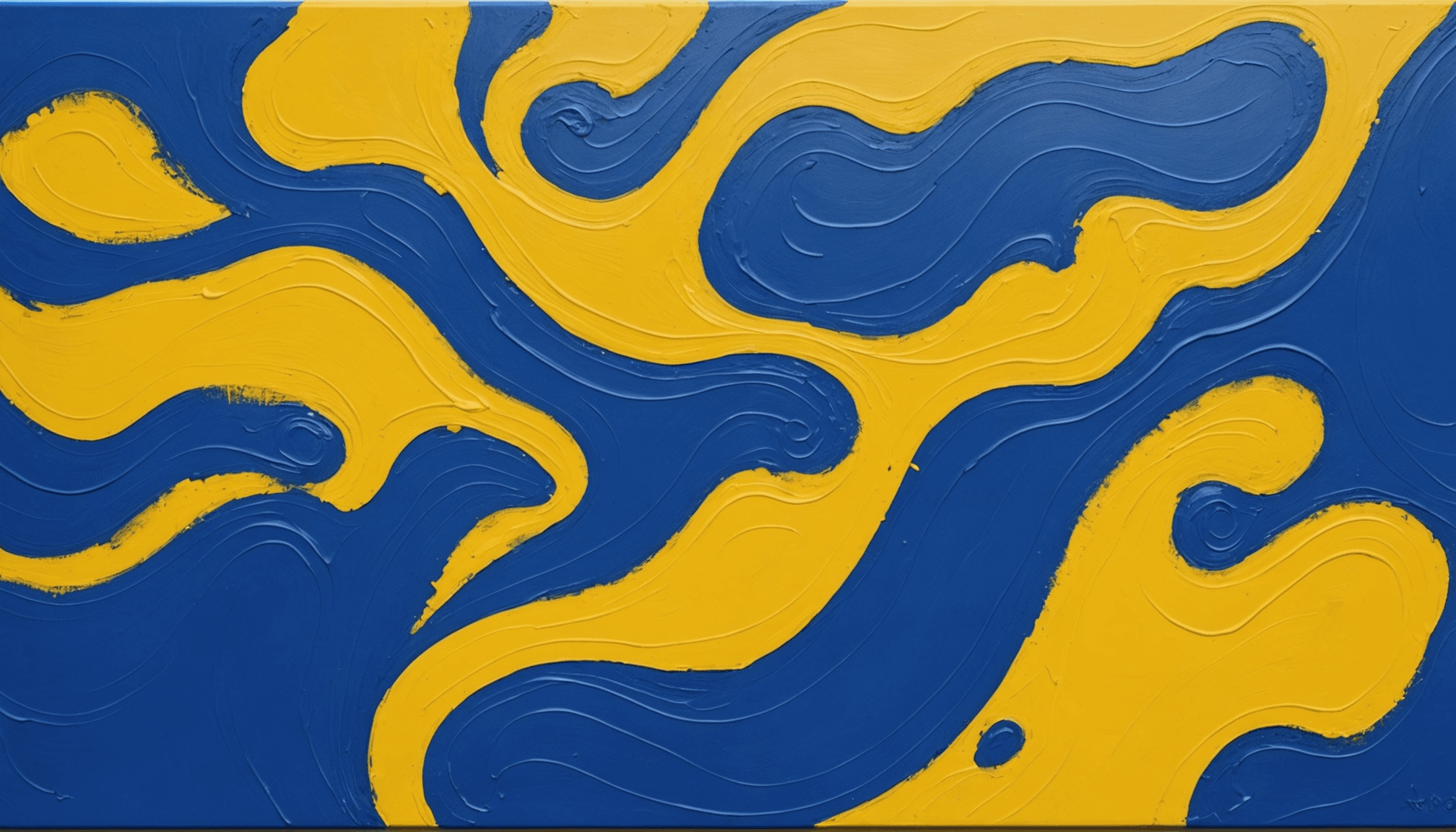 One common mistake people often make during painting projects is skipping the preparation phase. Not properly priming your canvas or surface can lead to uneven paint distribution and poor adhesion, causing your piece to chip or peel over time. Avoid this by ensuring your chosen material is clean and primed if necessary. A good quality primer can create a smooth surface that enhances the vibrancy of your colors.
Another frequent error is not testing colors in advance. What looks good on a palette may not translate well to your canvas. Always try out colors on a scrap piece of material or in a corner of your canvas first. This allows you to see how the paint interacts with the surface and whether the shade is as expected when dry. It also gives you a chance to experiment with blending or layering before committing to the full piece.
Many beginners also apply too much paint at once, which can lead to drips and an unintentional mess. To achieve a more controlled application, use a lighter touch and build up layers gradually. This approach not only helps with precision but also enhances texture and depth in your wall decor. If you do make a mistake, don’t panic. Acrylics can be layered and painted over once dry, so corrections are part of the creative process.
Time management is crucial, too. Rushing through each stage without allowing paint to dry can smudge your work and ruin your design. Plan your projects to include sufficient drying time between layers, especially when using techniques like pouring or applying thick paint. Being patient with the process will result in a cleaner, more professional finish.
Lastly, it’s easy to overlook the finishing touches. Applying a protective sealant is often skipped, which can leave your artwork vulnerable to damage from moisture, dust, and UV rays. Ensure you invest in a suitable varnish to protect your final piece and enhance its durability. This not only helps preserve the artwork but also brings out the colors, making your painting projects truly stand out.
By being aware of these common pitfalls and taking proactive measures to avoid them, you can enhance your experience and outcomes throughout your painting endeavors, ultimately leading to stunning wall decor that reflects your unique artistic vision.
Customizing Store-Bought Art
Customizing store-bought art pieces offers a wonderful opportunity to infuse your personal style and flair into existing decor. Start by selecting items that resonate with you, whether they’re prints, canvas artwork, or even thrifted frames. Once you have your base, consider how you can enhance or alter the piece to better suit your surroundings or preferences.
One effective method is to change the color scheme. If you find a print with beautiful elements but the colors clash with your aesthetic, grab some acrylic paints and a fine brush. Carefully apply new shades that would harmonize with your other wall decor, being mindful of creating a smooth transition between colors to maintain a cohesive look. Another approach is to use stencils or painter’s tape to add sharp geometric patterns or borders, transforming a simple piece into a bold statement.
Texture can also be a game changer when customizing art. You might want to add layers to a flat print using modeling paste or a gel medium. This addition creates depth and intrigue, making the piece visually appealing up close and from afar. Experiment with applying texture directly onto the canvas or by layering fabric swatches and embellishments that complement the original artwork, allowing for an engaging mixed-media effect.
Don’t hesitate to embellish your art with additional elements. Incorporating three-dimensional materials like wooden shapes, string, or even your own embroidered patches can make the piece feel uniquely yours. These additions can create a playful contrast against the original artwork while retaining its core beauty. Alternatively, consider adding vinyl decals or quotes that resonate with you to any piece, allowing for personalization that speaks to your daily inspirations.
Finally, you can change the framing of the art altogether. A simple frame upgrade can breathe new life into a piece—opt for a color or style that matches other elements in your room, or even DIY a frame with paint or embellishments. If you’re feeling adventurous, create a gallery wall that showcases your customized pieces alongside other art projects or photographs, giving your space an eclectic, curated look.
Embrace the possibilities with store-bought art. Let your creativity run wild as you reimagine existing pieces and transform them into reflections of your artistic spirit. There are no strict rules; let your instincts guide you in this exciting process and watch as your art transforms to truly encapsulate your style. Your walls will tell a story that’s uniquely yours, inspiring everyone who enters your space!
Tips for Displaying Your Creations

- What type of wall art is easiest for beginners?
- For beginners, abstract painting projects or simple canvas art using acrylics are great starting points. These techniques allow for creativity without the pressure of precision, giving you the freedom to experiment with colors and textures.
- How can I display my wall art effectively?
- Displaying wall art effectively can involve grouping pieces together on a gallery wall or using a statement frame. Consider the color scheme and style of your existing decor to create a harmonious look that enhances your space.
- What materials do I need to start a painting project?
- Essential materials include a canvas or wood panel, acrylic paints, a variety of brushes, and a palette. Depending on your project, you might also want to include stencils or mixed media elements for added texture and interest.
- Can I customize existing wall art?
- Absolutely! Customizing existing wall art can involve changing colors, adding textures, or incorporating mixed media elements. This allows you to create a personalized piece that aligns with your style and home decor.
- How do I protect my finished wall art?
- To protect your finished wall art, apply a clear varnish or sealant once it’s dry. This layer will shield your art from dust, moisture, and UV rays, helping to maintain its vibrancy and integrity over time.
- What are some popular painting ideas for wall decor?
- Popular painting ideas for wall decor include abstract designs, nature scenes, and geometric shapes. Experimenting with different techniques like pouring or layering can also yield unique results that stand out in your home.
- How do I choose the right colors for my art projects?
- Choosing the right colors involves considering your existing decor and the mood you wish to convey. Utilize a color wheel for guidance on complementary colors, and always test paint shades together before applying them to your final piece.
