



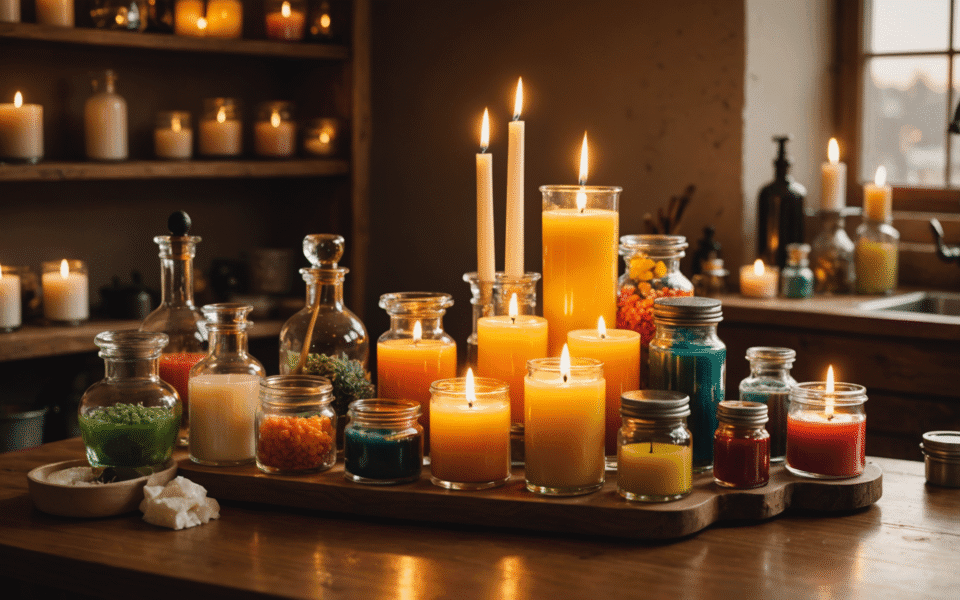
DIY Candle and Soap Making Projects


- Essential Tools and Materials
- Candle Making Techniques
- Soap Making Methods
- Creative Project Ideas
- Safety Tips for DIY Crafting
When diving into the world of crafting, having the right tools and materials can make all the difference between a seamless experience and a frustrating one. Crafting, whether it’s candle making or soap making, requires more than just enthusiasm; it demands an understanding of what essentials you need to bring your creative vision to life.
For candle making, you’ll start with a few fundamental tools. First and foremost, invest in a good quality double boiler or a melting pot. This setup allows you to gently melt wax without scorching it. Some crafters prefer using a dedicated wax melter which can handle larger quantities and maintain the perfect temperature, making it easier to infuse fragrances and colors. Next on your list should be a thermometer to monitor the wax’s temperature, ensuring that it’s cool enough to add your fragrance oils without affecting their scent.
Don’t forget about your pouring containers. Glass or metal containers are ideal, as they can withstand heat and add an aesthetic appeal to your finished candles. Choose molds that resonate with the themes you love; you can find everything from simple cylinder molds to intricate shapes that can reflect personal tastes or seasonal themes. Additionally, wick types and sizes matter, so do some research to pair the right wick with your chosen wax and container size for optimal burning.
In soap making, similar attention needs to be paid when gathering tools. A simple melting pot is still a key player, but you’ll also want a precision scale for measuring your ingredients accurately. The measurement of lye (if you’re making cold process soap) needs to be precise to ensure safety and effectiveness. Using an immersion blender can speed up the process of reaching “trace” while also allowing for more control over your soap’s texture.
Containers for pouring soap can be plastic or silicone, but make sure they’re durable. Many soap enthusiasts also appreciate using some unique soap molds, like decorative shaped molds or even repurposed household items, to give their creations a personal touch. Don’t overlook safety gear, such as gloves and goggles, particularly when working with caustic lye; your well-being comes first.
As you dive into your crafting adventure, gather these essentials, and allow them to empower your creativity. Transform your space into a mini-studio filled with possibilities, where the only limit is your imagination! And remember, to have fun with it! Each project is an opportunity to express yourself, experiment with colors, scents, and patterns, and ultimately create functional art that you or others can enjoy.
Candle Making Techniques
The process of candle making offers various techniques that can enhance both the aesthetic and functional qualities of your candles. One popular method is the layer pouring technique, where different colors of wax are poured in layers to create a beautiful striped or layered effect. Each layer must be allowed to cool and harden slightly before adding the next to ensure that the layers bond well without mixing.
Another technique is the marbling method, which involves swirling two or more colored waxes together in the pouring pot before transferring them into your container. This creates a stunning marbled look in the finished product. To achieve this, pour a small amount of each color wax into your container or mold at the same time, and then use a skewer or wooden stick to gently swirl them together, being careful not to mix them completely.
For those looking to incorporate fragrance, consider using the cold pour technique. In this method, the wax is heated and poured into your container at a lower temperature, allowing you to add the fragrance oils without losing their potency. This technique is especially useful for types of wax that would otherwise lose scent if poured too hot.
When it comes to finishing touches, don’t overlook embellishments. You can decorate the surface of your candles with dried flowers, spices, or glitter. Just make sure any added materials are safe to burn and won’t pose a hazard during use.
- Always test new techniques with small batches before committing to larger projects to ensure desired results.
- Experiment with different wax types, such as soy, paraffin, or beeswax, to see which best suits your crafting style and preferences.
- Consider using natural dyes for a more eco-friendly approach to coloring your candles.
- Ensure the wick you choose is appropriate for the type of wax and container you’re using to maintain an even burn.
- Keep meticulous notes on your techniques and changes during the process to replicate successful candles in the future.
Soap Making Methods
 When exploring soap making methods, it’s crucial to recognize common mistakes many beginners encounter and learn how to avoid them for a successful crafting experience. One of the most prevalent errors is not accurately measuring ingredients, particularly lye in the cold process method. Since sodium hydroxide (lye) is a caustic substance, precise measurements are vital. Using a reliable kitchen scale to weigh both your oils and lye is essential to ensure the right chemical reaction occurs. A mistake in measurement can lead to a batch that might not saponify correctly, leading to soap that is either too harsh or too oily.
Another frequent issue arises from not mixing the oils and lye thoroughly enough. It’s important to blend until “trace” is achieved, where the mixture thickens and leaves a trail on the surface. Inadequate mixing may result in uneven saponification, causing parts of the soap to remain oily, while others may harden too much. Using an immersion blender makes this step more manageable and reduces the risk of over-mixing.
Temperature control also plays a critical role in soap making. Many enthusiasts overlook the importance of both the lye solution and oils reaching the appropriate temperatures before combining them. Ideally, both should be between 100°F to 110°F. If the lye is too hot or cold, it can affect the final outcome, leading to issues such as overheating, separation, or a high risk of cracks forming in the finished bars.
Additionally, failing to account for additives is another common mistake. While it might be tempting to throw in fragrant oils, color, or exfoliants without consideration, each ingredient should be evaluated for its compatibility with the soap mixture. For instance, some essential oils may accelerate trace more than others, and certain colorants require specific techniques to incorporate properly without clumping.
Safety precautions are often neglected, especially among beginners. It’s essential to use protective gear when working with lye, including gloves, goggles, and long sleeves, as lye can cause burns. Additionally, always work in a well-ventilated area and store lye safely away from children and pets.
Lastly, impatience can lead to mishaps. Many crafters hastily demold their soap before it has fully cured, which can result in a crumbly texture. Allowing soap to cure for the recommended duration—typically four to six weeks for cold process—ensures the bars are safe to use and have hardened correctly.
By being mindful of these common pitfalls and employing best practices, you can enhance your soap making projects and enjoy the satisfaction of creating beautifully crafted soaps.
Creative Project Ideas
Exploring creative project ideas for candle making and soap making opens up a world of artistic potential. Consider enhancing your crafting repertoire with the following exciting projects that can infuse your home with delightful fragrances or add a personal touch to your gift-giving.
For candle making, try your hand at creating layered or marbled candles. Select a palette of colors that resonate with your personal style or match a particular season. Begin by pouring one color of wax into your container, allowing it to set slightly before adding another hue. This method not only produces beautiful candles but also allows you to experiment with color combinations, ensuring each piece is unique. You can also create themed candles by adding elements like dried herbs, spices, or even little charms that align with occasions such as holidays or birthdays.
Another idea is to craft scented candles using botanical elements. Consider infusing your wax with natural ingredients like essential oils, lemon peels, or lavender sprigs. These additions not only enhance the aesthetic appeal but also provide subtle fragrances that vary with each burn. Think about packaging your creations in reusable jars or decorative tins, turning them into charming gifts for friends and family.
In the realm of soap making, embark on projects such as making layered soaps. Similar to candles, you can create stunning visual layers by pouring different colored soap mixtures into a mold at different times. Adding textures like loofah or exfoliating herbs can also give your soap an extra dimension, making it both beautiful and functional.
Consider the cold process method for a more advanced technique. Experiment with natural colorants derived from clays or plant-based ingredients to create soaps that are as lovely as they are skin-friendly. Incorporating unique additives such as honey, oatmeal, or activated charcoal can elevate your soap’s appeal and offer varying benefits for the skin.
For a fun twist, create themed soap bars for special events. You can make heart-shaped soaps infused with rose oil for Valentine’s Day or peppermint soaps for the winter holidays. Not only do these projects yield delightful products, but they also provide a personal touch to celebrations, making them even more special.
Each project is an opportunity to express your creativity and develop your skills. Don’t be afraid to combine ideas or add unique elements that reflect your personality. Document your progress and findings to refine your techniques along the way. Dive into these creative project ideas, and watch as your crafting journey leads to beautiful, functional works of art! Embrace the adventure and let your imagination guide you to new horizons in candle making and soap making!
Safety Tips for DIY Crafting

- What should I wear while making candles or soap?
- When making candles or soap, it’s essential to wear protective gear, including gloves and goggles, especially when working with lye or hot wax. Additionally, consider wearing long sleeves to protect your skin from any splashes or spills.
- Is it safe to use essential oils in my candle and soap projects?
- Yes, essential oils can be safely used in both candle making and soap making, but it’s crucial to select oils that are suitable for the specific medium. Always check for proper usage rates and any specific properties that might affect melting or saponification processes.
- How do I know if my candle or soap is properly made?
- To determine if your candle or soap is properly made, check for consistency in texture and temperature during the process. For soap, ensure it achieves “trace,” while for candles, confirm that wax cools and hardens without defects, and burns evenly.
- Can I reuse candle or soap containers?
- Yes, you can reuse containers for candle making or soap making, provided they are cleaned thoroughly to remove any residue. Make sure the containers can withstand heat and are appropriate for the materials you’ll be using.
- What kind of wax or oil is best for beginners?
- For beginners in candle making, soy wax is often recommended due to its ease of use and clean burn. In soap making, consider starting with melt-and-pour bases, as they simplify the process and allow for creative customization without dealing with lye directly.
- How can I safely handle lye when making soap?
- Always wear gloves and goggles when handling lye, and use an accurate scale to measure it. Work in a well-ventilated area and avoid breathing in fumes while mixing lye with water to ensure a safe environment.
- What are some craft ideas for using leftover candle wax or soap?
- You can melt down leftover candle wax to create new candles or blend them with fresh wax for layered effects. For leftover soap scraps, consider making a “soap confetti” bar, where you melt the bits down for a colorful, fun soap that adds visual interest to your bathing experience.
