



Creative Arts and Crafts Challenges to Try

- Creative arts challenges for adults
- Fun craft ideas for kids
- Seasonal themed projects
- Collaborative art challenges
- Tips for overcoming creative blocks
Engaging in creative arts challenges can be a refreshing and stimulating way to express yourself while honing your skills. These challenges offer an opportunity to step outside your comfort zone, explore new techniques, and delve into different mediums, ultimately enriching your artistic journey. Taking on various DIY challenges not only provides a sense of accomplishment but also fuels your creativity and inspires those around you.
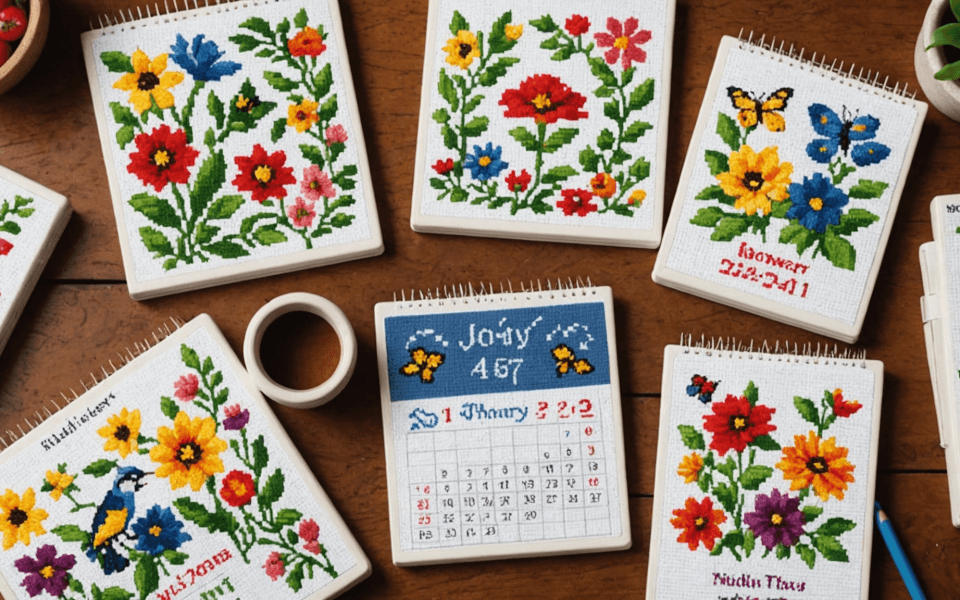
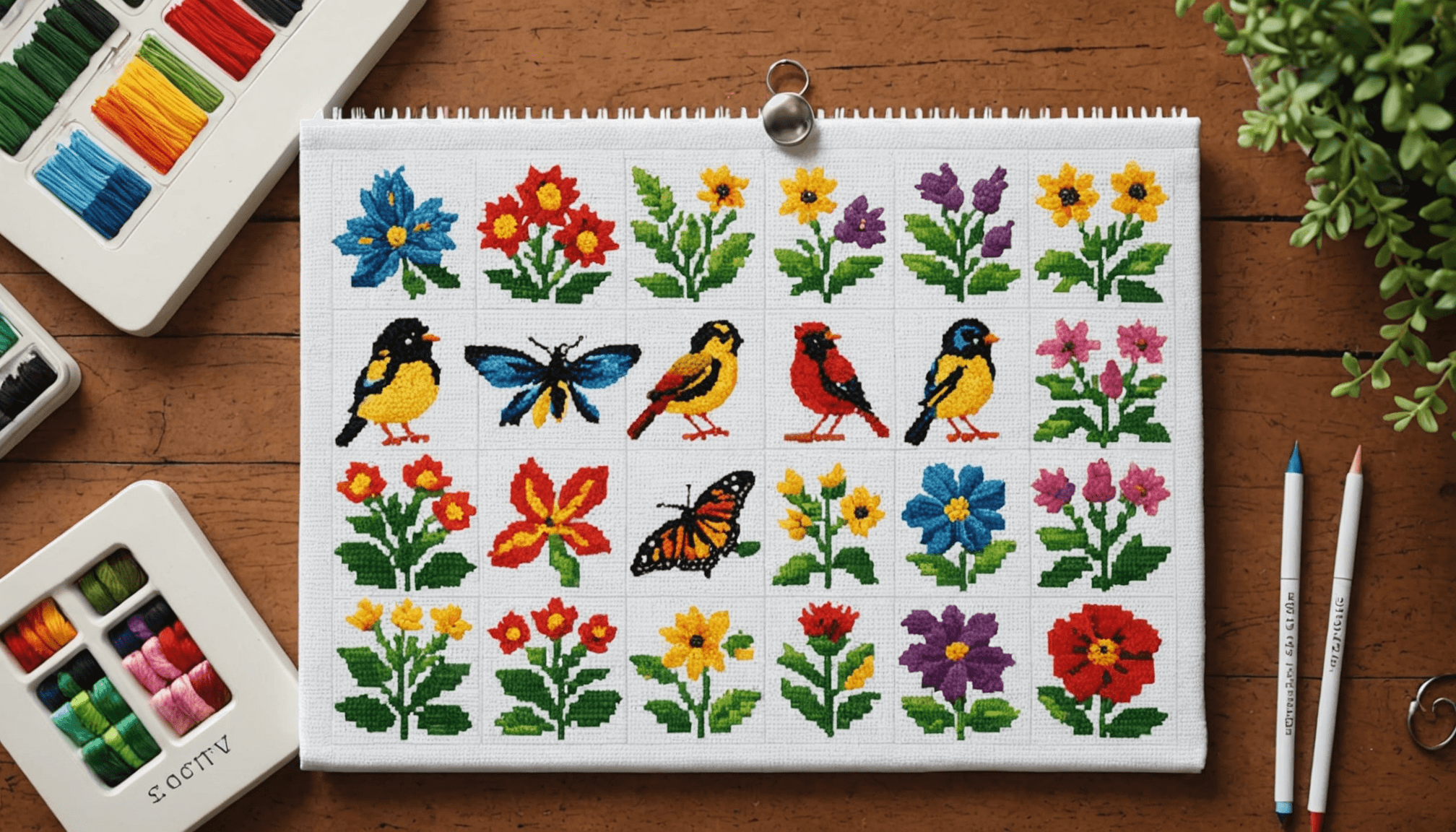
Consider setting a theme for your next project. For instance, you could embark on a “30-Day Stitch Challenge,” where each day you create a small cross-stitch design based on a predetermined theme. Maybe it’s flora and fauna one week and geometric patterns the next. This structure not only keeps you engaged but allows you to experiment with color palettes and stitch techniques. A visual representation for such a challenge could be a vibrant calendar filled with mini drawings of what each day’s creation will entail, making the challenge feel even more inviting and visually appealing.
Another enriching avenue is to recreate famous pieces of art using your own unique materials. Imagine replicating Van Gogh’s “Starry Night” through a series of textured stitches—each swirl and twinkle crafted with different threads. This not only encourages you to interpret the piece through your eyes but can also lead to exciting discoveries about how various textures and colors can completely redefine a work of art. Documenting this journey—perhaps through a blog or social media—can inspire others as you share your process, challenges, and triumphs.
For those who love a good competitive edge, consider creating a friendly competition with fellow crafters. Set a theme, share your progress, and let your peers vote on their favorite pieces. This collaborative approach not only enhances your artistic endeavors but also fosters a supportive community that celebrates creativity together. Share images of your works in progress, ask for feedback, and build connections—it’s truly an enriching experience that combines creativity and social interaction for a boost of art inspiration.
Techniques can also taper from traditional forms by integrating modern art styles or methods—like combining embroidery with digital art. You might explore augmented reality apps to see how your creations interact with a digital environment, or use fabric paint to alter your cross-stitch pieces after the needlework is complete, adding a burst of personality and flair.
Remember, the key to overcoming creative blocks lies in the diversity of your engagements—reinventing the wheel, trying something utterly unique, or simply giving yourself the space to fail gloriously. There’s no wrong way to create; the mere act of attempting something new can often lead to unexpected discoveries and renewed passion.
Fun craft ideas for kids
Crafting projects for children can be both fun and educational, encouraging their creativity while helping them develop fine motor skills. Here are some exciting ideas that will captivate kids of all ages and keep them engaged for hours:
One fantastic project is creating homemade playdough. It’s an easy and fun recipe, allowing kids to mix ingredients like flour, salt, water, and food coloring to create their own colorful dough. Once it’s ready, the possibilities are endless! Children can use cookie cutters, rolling pins, and other tools to sculpt their favorite characters or imaginative shapes. You can elevate this DIY challenge by organizing a playdough art contest, where they showcase their creations and even give prizes for categories like “Most Colorful,” “Biggest Creature,” or “Funniest Shape.”
Another exciting idea is to transform ordinary paper plates into imaginative masks. Kids can cut and decorate paper plates with paints, feathers, and stickers to represent animals, superheroes, or even mythical creatures. This encourages self-expression and storytelling, as they can wear their masks and act out scenarios together. Completing this creative activity with a mini parade around the house can enhance the fun and creativity, allowing for a whimsical atmosphere full of laughter.
Painting with unconventional materials can also spark creativity. Using items like fruits, vegetables, and household objects as stamps can lead to fascinating textures and patterns. For example, slicing a potato in half and using it to stamp paint onto a canvas will produce unique shapes that children can enhance with paintbrushes or markers afterward. This technique introduces young artists to new textures and processes, enhancing their art inspiration while merging play with learning.
Lastly, create a collaborative mural or large-scale artwork on butcher paper. Gather the kids, roll out the paper, and let them draw, paint, or collage whatever they imagine. This giant canvas can be a space for them to brainstorm and collaborate, combining their creative activities into one masterpiece. Make it a regular event, allowing them to add to the mural each week, fostering a sense of ownership and pride in their collective creation.
- Encourage kids to explore their creativity by mixing materials—like using painting and collage techniques together.
- Introduce simple techniques like marbling with shaving cream and food coloring to create beautiful paper art.
- Incorporate storytelling by having kids draw scenes from their favorite books or create their own stories through art.
- Have fun with recycling by turning everyday items like toilet paper rolls or egg cartons into art supplies or canvases.
- Set challenges and themes for each project to keep things exciting and varied, allowing kids to explore new ideas in their craftsmanship.
Seasonal themed projects
 When diving into seasonal themed projects, it’s easy to get carried away with ideas but often common mistakes arise. One frequent error is overcomplicating the crafts. Many people may feel the need to create intricate designs or detailed pieces that often lead to frustration. To avoid this, try simplifying your projects by focusing on the essence of the season. Choose a straightforward concept that captures the spirit, such as crafting simple leaf decorations for autumn or basic snowflakes for winter. This will not only keep the process enjoyable but also allow you to complete the projects without feeling overwhelmed.
Another pitfall is neglecting preparation. Seasonal projects can sometimes require specific materials that may not be readily available. To ensure a smooth crafting experience, make a checklist of all necessary supplies ahead of time. Whether you’re gathering supplies for a spring wreath or preparing for a summer tie-dye session, ensuring you have everything on hand will help keep your creative flow uninterrupted.
Time management is also critical. Many people set ambitious timelines that can lead to rushed work and unsatisfactory results. Instead, break your projects down into manageable steps, allowing yourself enough time to enjoy each stage of the creative process. For example, if you’re working on a festive holiday centerpiece, plan your crafting sessions over several days. This way, you can take your time to perfect each element, resulting in a more polished final piece.
Moreover, it’s easy to become too attached to the end result. This fixation can stifle your creativity and diminish the enjoyment of the crafting experience. Emphasize the process itself rather than worrying about how the project will turn out. Allow yourself the freedom to experiment and embrace imperfections; sometimes the most unexpected outcomes can lead to delightful surprises and new art inspiration.
Lastly, don’t forget to include others in your seasonal crafting. Many people attempt these projects alone, which can lead to burnout. Collaborating with friends or family can infuse fresh ideas and shared inspiration into your creative activities. Consider hosting a seasonal crafting day where everyone brings their unique perspective. This can lead to a supportive environment that encourages everyone to share techniques and explore new concepts, making the crafting experience richer.
By avoiding these common mistakes, you can ensure that your seasonal themed projects remain a joyful exploration of creativity, leading to fulfilling DIY challenges without the stress.
Collaborative art challenges
Engaging in collaborative art challenges can be one of the most enriching experiences for any artist, no matter their skill level. By inviting others to join your creative endeavors, the process becomes much more dynamic and fluid. One approach is to start a themed creative activity where each participant works on their interpretation of a central idea, then share the final results. For example, a group might choose a theme like “nature” for a month and each person can create paintings, drawings, or crafts that reflect that theme. This not only promotes teamwork but also provides a wealth of perspectives on the same topic, yielding varied and unique outputs.
Consider organizing a “pass-the-art” project. Each participant starts with a blank canvas or art piece and works on it for a set amount of time before passing it on to the next person. This continuous rotation not only promotes spontaneity but also allows for unexpected artistic twists that each person brings to the piece. At the end of the challenge, unveil the collective artwork, celebrating everyone’s contributions and the transformative journey of the art.
Another engaging format is to leverage social media platforms for a broader collaborative challenge. Create a hashtag and invite others online to participate in a specific art prompt. Whether it’s a daily doodle or weekly themed creations, people can share their works using the designated hashtag, fostering an online community of artistic exchange. This digital collaboration breaks down geographical barriers, allowing artists from different backgrounds to connect, inspire, and motivate one another.
Virtual art gatherings can also serve as a perfect opportunity for collaboration. Using video conferencing tools, gather a group of artists to work on their individual projects while providing a supportive environment for each other. This setting encourages real-time feedback and sharing, cultivating a creative atmosphere where inspiration can flourish organically. Whether it’s hosted weekly or monthly, ensure there’s an element of challenge, such as completing specific tasks together or sharing tips and techniques in real-time.
As you engage in these collaborative experiences, remember that the journey is as valuable as the outcome. Share your progress, learn from each other’s techniques, and embrace the diversity of styles within the group. Collaborative challenges not only enhance your skill set but can also help dissolve creative blocks by exposing you to new ideas and methods.
Make the most of these opportunities by providing constructive feedback and actively participating in discussions. This approach nurtures a community of support and motivation, propelling everyone toward greater artistic heights. Embrace the synergy of collaborative art challenges and watch how they can spark new inspiration and elevate your creative activities to remarkable levels!
Tips for overcoming creative blocks
- What are some effective ways to overcome a creative block?
- Engaging in new experiences, such as trying different materials or techniques, can stimulate inspiration. Additionally, taking breaks and allowing your mind to wander can help reset your creative process, often leading to new ideas when you return.
- How can I find inspiration for my arts and crafts projects?
- Inspiration can be found everywhere—nature, art history, and even everyday objects can spark new ideas. Consider visiting galleries, browsing social media platforms, or participating in community art events to gather fresh perspectives.
- Should I work on multiple projects at once when facing a creative block?
- Working on multiple projects can help keep your creativity flowing without becoming overly attached to one piece. Switching between tasks can offer a refreshing change of pace and help maintain enthusiasm throughout your creative activities.
- How can setting themes for my projects help with creativity?
- Setting themes provides a framework that can inspire and guide your work. Themes can encourage exploration within specific boundaries, which can unleash more creativity than working without a direction.
- Are there any specific DIY challenges I can use to enhance my creative skills?
- Yes! Consider taking on challenges like the “30-Day Art Challenge” where you create something daily, or “Recreate a Masterpiece” where you reinterpret well-known artworks. These structured tasks can push you out of your comfort zone and hone your skills.
- How important is it to share my creative work with others?
- Sharing your work can foster valuable feedback and support from fellow artists. It also builds a sense of community that can motivate you and provide new avenues for inspiration and collaboration.
- What if I feel pressure to create something perfect?
- It’s important to remember that the process of creating is more valuable than the final product. Embrace experimentation and imperfection, as making mistakes often leads to new discoveries and growth in your artistic journey.
