



DIY Home Décor Crafts on a Budget

- Budget-Friendly Materials for Your Projects
- Creative Upcycling Ideas
- Simple DIY Techniques to Enhance Your Space
- Seasonal Decor on a Dime
- Tips for Personalizing Your Home Décor
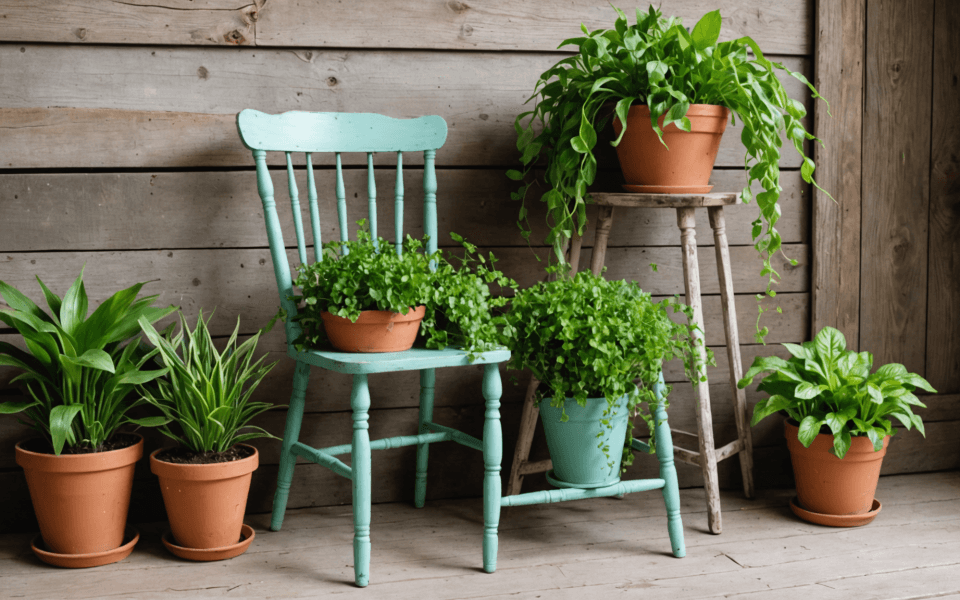
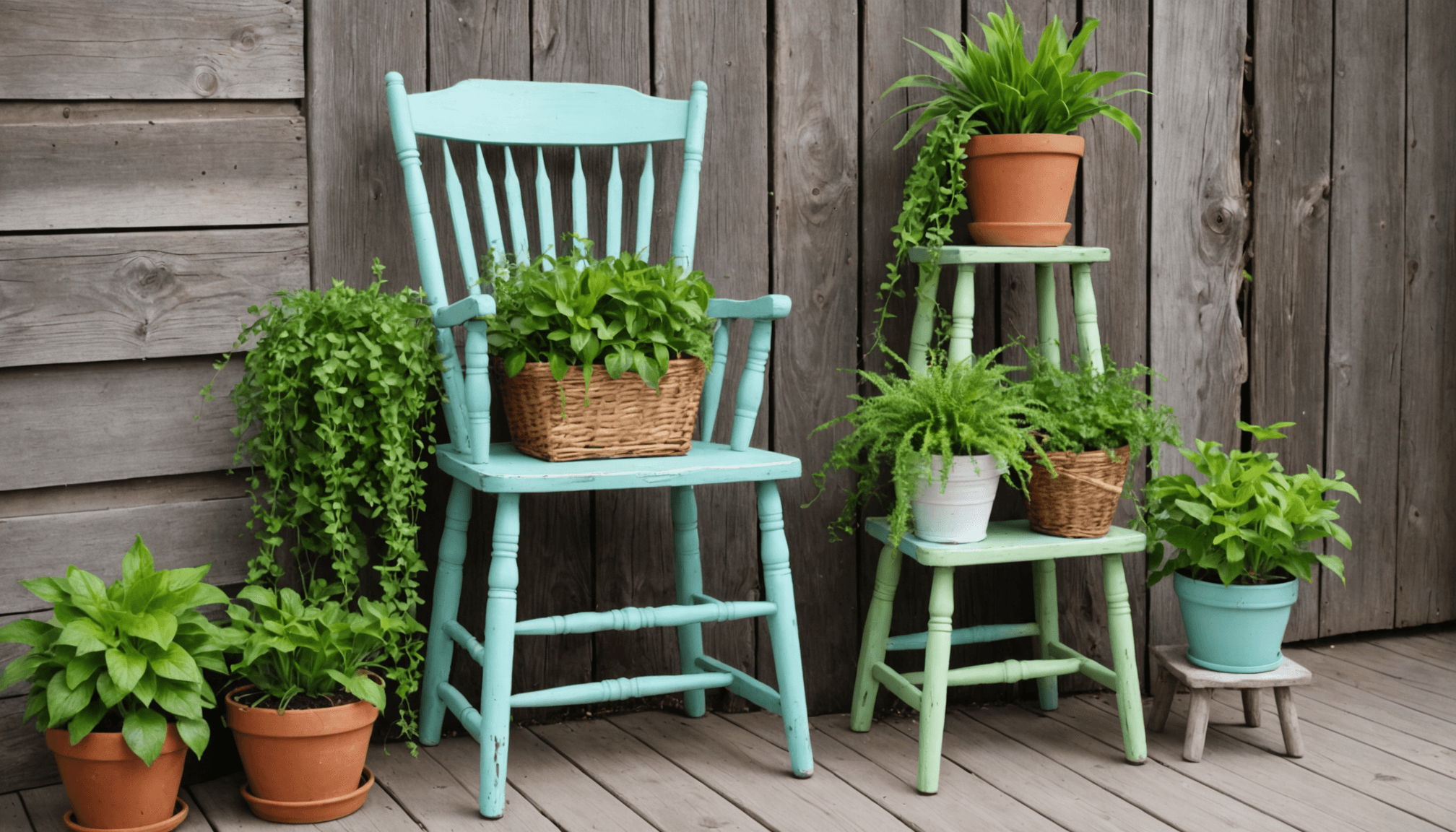
When embarking on your DIY home décor journey, choosing budget-friendly materials is key to creating beautiful projects without breaking the bank. The good news is that many affordable options not only fulfill functional needs but can also add a unique twist to your handmade art. Start by exploring your local thrift shops, garage sales, and even your own home—these venues are treasure troves for finding items that can be transformed into something spectacular. Imagine turning an old wooden chair into a chic plant stand with just a splash of paint and some stencils. Look for wooden crates, picture frames, and fabric remnants; these can serve as the backbone of your design while keeping costs low.
For stitch enthusiasts, fabric remnants are particularly valuable. They’re perfect for cross-stitching and embroidery projects, allowing you to create beautiful textures without hefty expenses. Consider visiting your local fabric store’s discount section or checking online marketplaces for bulk fabric sales. Additionally, upcycling old clothing into pillow covers or creating fabric wall hangings can offer a stunning backdrop for your cross-stitch designs. Thrifted towels can be luscious backdrops for embroidery; their unique colors and textures can bring unexpected elegance to any project.
Another excellent source of budget decor is nature itself. Collect branches, pinecones, or pebbles from your yard or local park to introduce natural elements into your home projects. A simple branch can be transformed into a delightful rustic coat rack or utilized as a unique frame for your stitched pieces. For an uplifting twist, consider displaying your cross-stitch and embroidery pieces in shadow boxes made from inexpensive frames found at discount retailers. This not only protects your art but also gives your handmade creations an impressive gallery-style presentation.
Don’t forget about paint—it’s a versatile way to breathe new life into almost any item you come across. A simple coat of chalk paint can turn an outdated lamp into a trendy statement piece. Similarly, a bit of spray paint can give metal items a modern look. Using paint can also help unify a color scheme in your home, making each piece of decor feel thoughtfully curated rather than just thrown together.
In the spirit of personal expression, seek inspiration online through platforms like Pinterest or Instagram, where countless DIY enthusiasts share their budget-friendly finds and transformations. By sharing your own creations, you contribute to a community of like-minded crafters who appreciate the beauty of handmade art. This interaction not only inspires your projects but can lead to even more creative ideas!
Creative Upcycling Ideas
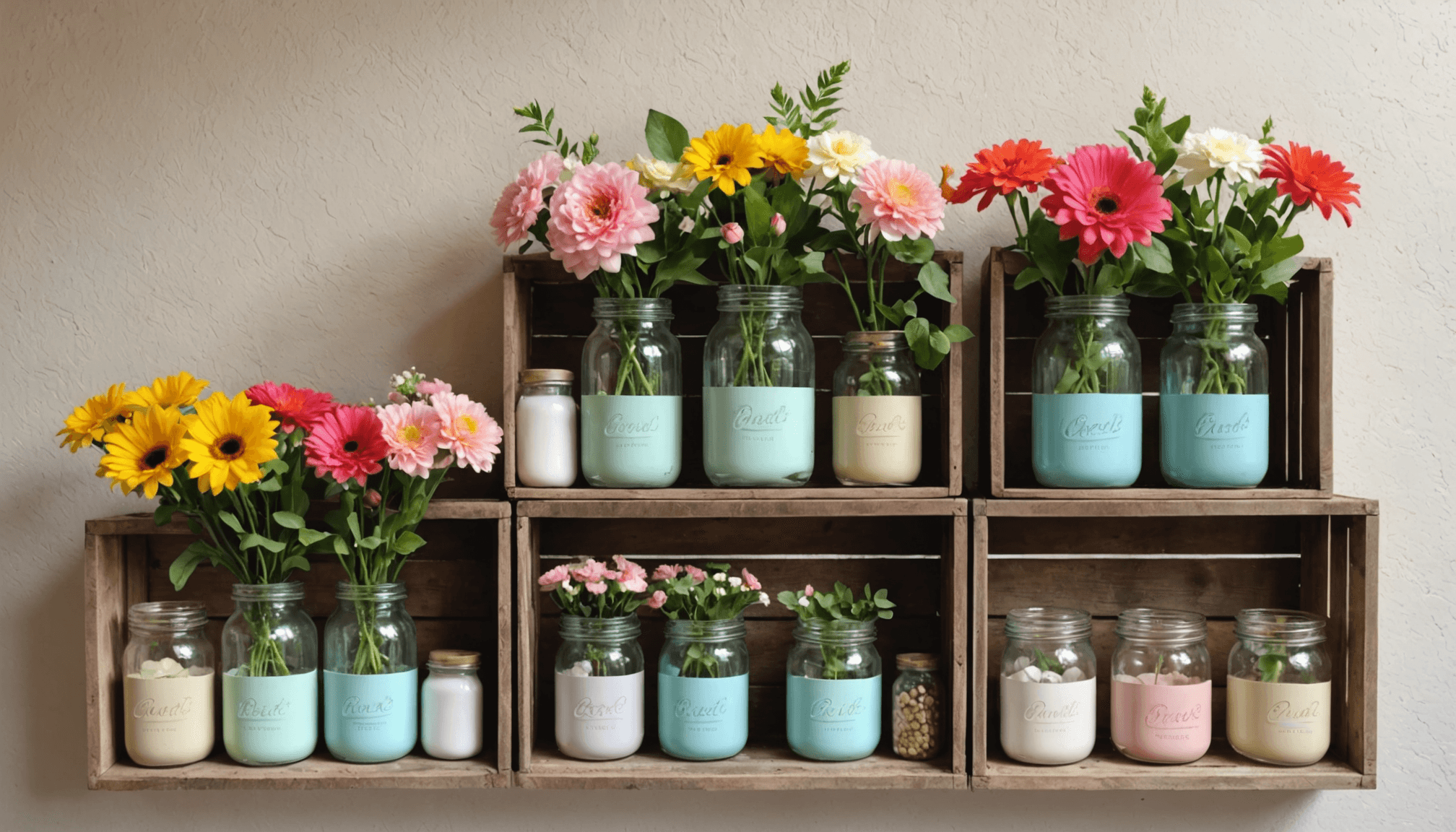
Transforming items that you might otherwise discard into charming pieces of art is the essence of creative upcycling. Begin by examining your environment for items that can serve new purposes. For instance, old glass jars can be converted into stylish vases or storage containers. A little paint, some ribbon, or decorative twine can turn these plain jars into attractive accent pieces that complement your home decor. You can also use jars to organize craft supplies or kitchen utensils, enhancing both functionality and aesthetics.
Furniture is another area ripe for upcycling. A tired wooden table can be sanded down and stained for a fresh look, or it can be painted in a bold hue to make it a focal point in a room. Stenciling designs or adding new hardware can further elevate old furniture and make it truly unique. Remember, it’s about making personal choices that resonate with your style and enhance your handmade art collection.
Textiles also provide ample upcycling opportunities. Old curtains can be repurposed as tablecloths or cushion covers, while worn-out bed linens can be sewn into decorative throw pillows. The eclectic mix of patterns and textures resulting from these transformations can inject character into your space. Try combining various fabrics to create a visually striking patchwork design, adding a personalized touch that reflects your taste.
Additionally, consider upcycling old books or magazines. A stack of vintage books can be used as decorative pedestals for displaying small plants or art pieces, while pages can be decoupaged onto various surfaces for a literary touch. This not only recycles materials but also infuses a sense of nostalgia into your home projects.
Finally, do not overlook the power of framing. Old windows or doors can be transformed into beautiful wall art by adding a few photos or your own pieces of handmade art. This method not only preserves the character of the original item but also allows you to create a stunning display that tells a story in your space.
- Utilize old glass jars as vases or storage for a stylish and organized look.
- Refinish and paint tired furniture to create unique focal points in your home.
- Repurpose old textiles into cushion covers or table linens for a cozy feel.
- Transform vintage books into decorative accents for unique home decor.
- Frame old windows or doors with art or photos for a nostalgic display.
Simple DIY Techniques to Enhance Your Space
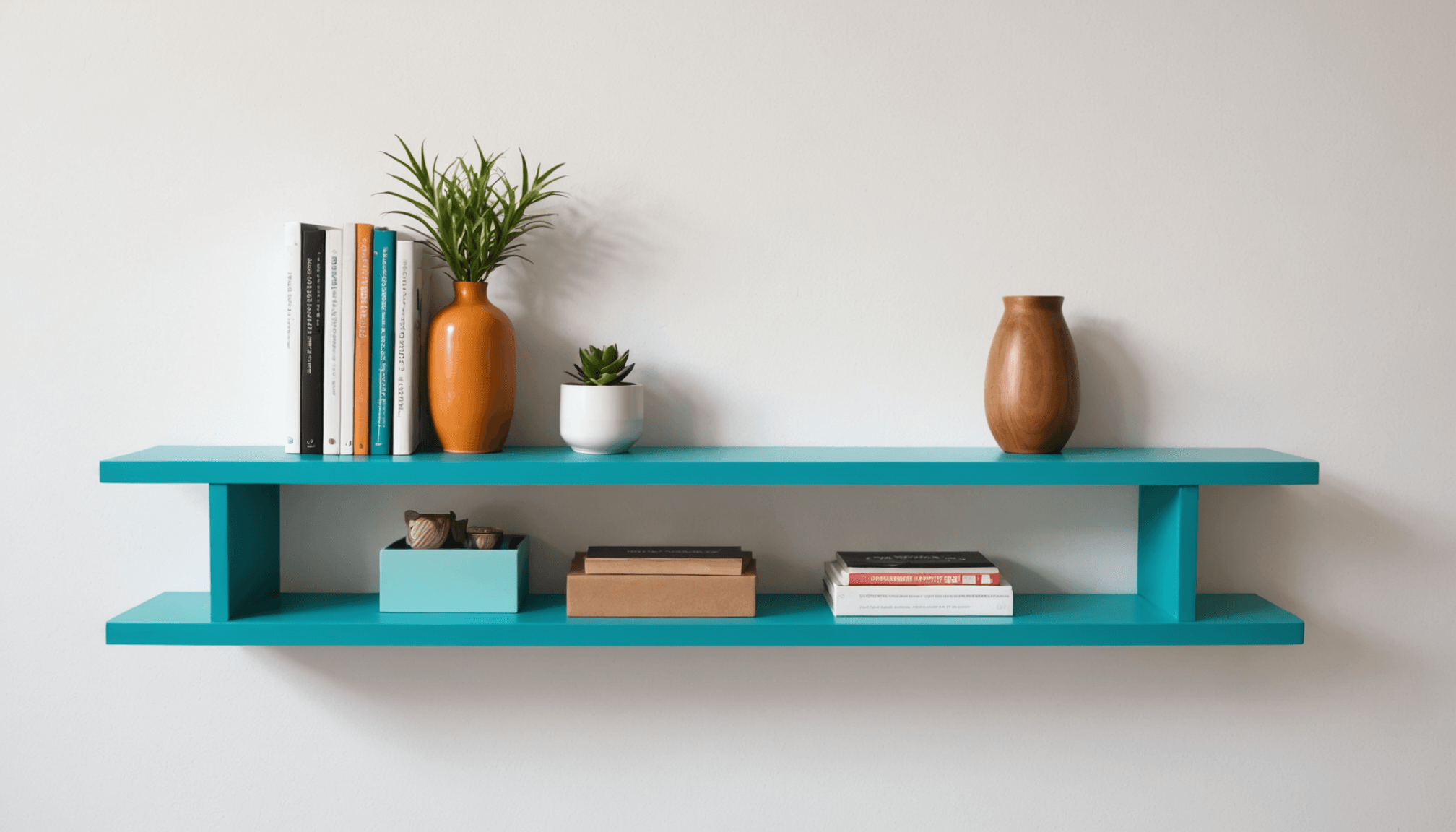 One common mistake people make in their DIY home projects is overcomplicating designs. Many assume that a successful piece needs to be intricate or detailed. However, simplicity often yields the most striking results. Instead of getting bogged down by complex techniques, focus on clean lines and functionality. For instance, a simple wooden shelf can be enhanced by choosing a bold color that adds character without overwhelming the space. To avoid this mistake, start with basic shapes and forms, then gradually layer in additional elements as confidence builds.
Another frequent misstep is failing to properly measure and plan. This can lead to purchasing materials that are the wrong size or color, ultimately driving up costs. Before beginning a project, always take measurements of your space and create a rough layout or sketch. This can help you visualize the end result and make informed decisions when selecting materials. By ensuring that your pieces fit well within the intended area, you can avoid costly mistakes and achieve a harmonious look.
People also often neglect preparation before starting their DIY endeavors. Skipping the prep work may seem like a time-saving technique, but it can lead to messy results and wasted materials. For example, surfaces should be clean and primed as needed before painting. Not taking the time to sand and clean surfaces can cause paint to chip or peel. To avoid this issue, always follow the recommended preparation steps for each material, ensuring that your finished product is durable and visually appealing.
Another mistake is focusing too much on trends rather than personal style. While it can be tempting to follow the latest design fads, this may not resonate with you or complement your home. Instead, prioritize projects that reflect your personality and interests. For instance, creating your own textiles with cross-stitch designs that have personal significance will result in unique, handmade art that feels more meaningful than any trendy piece.
Lastly, many DIY enthusiasts overlook the importance of proper finishing techniques. Rushing this step can lead to an unfinished look that detracts from an otherwise beautiful project. Whether it’s sealing wood, finishing a painted surface, or adding embellishments, taking the time to properly finish each piece will enhance its overall appearance and longevity. To improve, make finishing a priority on your project checklist, ensuring that you allow time for drying and details.
By being mindful of these common pitfalls and taking steps to avoid them, your DIY projects can thrive, resulting in stylish, budget decor that showcases both your creativity and resourcefulness.
Seasonal Decor on a Dime
Embracing the seasons with delightful decorations doesn’t have to be an expense-ridden endeavor. Instead, you can create a welcoming atmosphere that reflects the time of year by utilizing imaginative, budget-friendly ideas.
Start by considering the various elements that define the seasons. For spring, gather fresh flowers from your garden or local farmer’s market to craft simple arrangements in glass jars or repurposed containers. You can enhance these floral displays with natural twine or burlap, creating a charming rustic feel that adds warmth to your home. During summer, think about incorporating bright, cheerful colors. Fabric pennant banners made from leftover fabric scraps or old clothing can transform your space with a festive vibe. Just cut the fabric into triangles, sew or glue them onto a string, and hang them across a room or patio for an inviting touch.
As autumn approaches, the vibrant hues of nature inspire a new wave of creativity. Utilize pinecones, leaves, and acorns collected during nature walks to create stunning centerpieces or wreaths. For a quick project, simply attach these elements to a foam wreath form using hot glue for an eye-catching piece that captures the essence of fall. You might also consider painting small pumpkins in various colors and patterns, showcasing them as playful table decor.
When winter rolls in, the décor can really shine. Use materials like twinkle lights to add warmth and sparkle. Frame your windows with sheer fabric or string lights for a cozy look that beats the winter chill. You can also create an advent calendar from recycled materials, which adds excitement and anticipation leading up to the holidays. Simply hang small bags or matchboxes on a string, filling each with treats or messages to unveil as the season progresses.
By being resourceful and tapping into what’s available around you, you can craft stunning seasonal décor that enhances your home projects without adding financial strain. Remember to let nature’s colors inspire you and to always keep an eye out for materials you can repurpose creatively.
In the end, your goal is to create a space that feels personal and inviting, reflecting the beauty of each season in a unique way. So gather up your materials, unleash your creativity, and bring a touch of magic into your home, all while sticking to a budget. Step boldly into your next crafting adventure, and let your home bloom with the changing seasons!
Tips for Personalizing Your Home Décor
- What are some budget-friendly materials for DIY home décor?
- Common budget-friendly materials include thrifted items like wooden crates, jars, and old furniture. Additionally, natural materials such as branches and pebbles can be used for unique crafting purposes.
- How can I personalize my home décor without spending much?
- Personalizing your décor can be achieved through DIY projects using upcycled items, incorporating meaningful colors, and adding handmade art that reflects your personal style. Consider using fabric remnants or thrifted finds to create custom pieces.
- What are some simple DIY techniques that can enhance my space?
- Focus on clean lines and functionality when creating your decor. Simple techniques like painting furniture in bold hues, using stencils, or neatly arranging art can significantly enhance your space without much complexity.
- How can I incorporate seasonal décor on a budget?
- You can collect natural materials like leaves and pinecones for fall decor, or create fabric banners for summer from scrap materials. Engaging in seasonal crafts using inexpensive, natural elements can refresh your home décor throughout the year.
- Are there tips for avoiding common DIY mistakes?
- Planning your projects and measuring your materials beforehand can save time and reduce waste. Additionally, preparing surfaces properly before painting and focusing on your unique style rather than trends will enhance project outcomes.
- What role does paint play in DIY home projects?
- Paint is incredibly versatile and can transform outdated items into stylish focal points. A simple coat can unify various pieces within a room, making your budget decor feel cohesive and well-thought-out.
- Where can I find inspiration for my DIY crafts?
- Online platforms like Pinterest and Instagram are excellent sources of inspiration. They allow you to explore various styles, techniques, and DIY ideas shared by other crafters, enhancing your creativity.
