



Creative Art Journaling and Mixed Media Ideas

- Creative techniques for art journaling
- Exploring mixed media materials
- Inspiring prompts and themes
- Tips for enhancing your art journal
- Showcasing completed projects and examples
Art journaling offers a stunning platform to explore creativity through a variety of techniques that can transform a simple blank page into a vibrant expression of thoughts, feelings, and dreams. One of the most intriguing aspects of art journaling is how it marries different mediums, allowing for an endless play of creativity that blends traditional art with modern twists.
Begin with layering as a foundational technique; this involves applying different materials one on top of another to build depth and texture. Start with a base layer using watercolors or acrylics, letting the colors bleed and merge. As you add subsequent layers, consider incorporating elements like magazine cutouts, fabric scraps, or even cross-stitch. For example, you might stitch a small motif onto a canvas page before layering over it with translucent paint, allowing the stitching to subtly peek through, offering an intriguing visual texture.
Another popular technique is the use of mark-making tools, which can vary from brushes and stencils to everyday objects. Think of using a simple sponge to dab paint in specific areas or even your fingers to create tactile effects. Embrace imperfections; they often lead to the most delightful surprises in your journal. Engaging with stamps—whether they’re store-bought or ones you carve yourself—can add intricate designs that complement your artwork beautifully. Consider a personal theme for your stamping, perhaps floral motifs that resonate with your personality, elevating the whole page.
Incorporating writing into your artwork fuels the narrative dimension of your journal. Whether it’s a stream-of-consciousness piece or a list of things you love, mixing ink and paint can create a visually striking background. For instance, after splattering colorful paint across the page, let it dry, and then write your thoughts in a fine-tip pen to maintain clarity against the vivid backdrop. This technique not only keeps your thoughts organized but also turns your written words into an essential part of the visual art instead of an afterthought.
Next, don’t shy away from unconventional materials. Glitter, beads, and textured pastes can form dynamic surfaces, while incorporating natural elements—like pressed flowers or twigs—adds a whimsical, organic touch. Imagine a page adorned with earthy tones and dimension, where a stitched border frames a cluster of dried lavender that you glued down. This element evokes a sensory connection to nature and inspires exploration of new textures.
Finally, a technique that resonates is embracing spontaneity through gesture. Allow yourself to paint or doodle without a defined purpose. This organic creation often leads to unexpected masterpieces. In one of your journal entries, splash colors freely, then see where your creativity takes you; it could inspire a whole series of pages around themed emotions or events. Invite your friends to engage in this exploration with you—swap journals for a day and see how different techniques and ideas manifest through each other’s perspectives.
Engage with these techniques while allowing your artistic voice to shine through. Each layer, stroke, and stitch tells your unique story, celebrating the beauty of creativity through the art of journaling.
Exploring mixed media materials
Exploring mixed media opens up a vast realm of possibilities for art journaling, allowing artists to combine various materials and techniques to convey their thoughts and emotions. One of the most exciting aspects of mixed media is the opportunity to use anything from traditional art supplies to everyday items, transforming the page into a tactile and visual wonderland.
Start with choosing your base. Heavyweight papers, canvas boards, or even repurposed items like cardboard serve as excellent foundations for mixed media art. Each surface responds differently to paint, glue, and other materials, so consider experimenting with a few options to see what resonates with your artistic vision. A smooth canvas, for instance, might be ideal for painting, while textured cardboard could add an interesting dimension for collage.
When it comes to paint, acrylics and watercolors are favorites among mixed media artists due to their versatility. Acrylics can be layered, allowing for vibrant color play, while watercolors introduce a fluid quality that can create ethereal backgrounds. Mixing these two mediums can yield unique effects. Try wetting the page and applying watercolor first, followed by acrylic details—this juxtaposition can add depth and complexity.
Incorporating found objects is a hallmark of mixed media art journaling. Items like ticket stubs, fabric scraps, or even plastic packaging can inject personality into your pages. Consider creating a layout where these objects tell a story or represent a memory. For example, a page documenting a trip might include a pressed flower from your destination nestled alongside a ticket or postcard, creating a nostalgic feel.
Texturing your pages enhances the visual impact significantly. Incorporating materials like modeling paste, gesso, or textured gels creates a 3D effect. Apply a layer of modeling paste through a stencil for an exciting motif, then paint over it once dried for a dynamic surface that invites touch. Additionally, consider ways to incorporate threads, fibers, or wire into your work, giving your pages additional visual interest and dimension.
Don’t overlook the beauty of collage in mixed media. Layering various papers, images, and even fabrics can create striking combinations. Creating a theme for each collage—whether nature, dreams, or personal growth—can guide your selections, leading to cohesive and meaningful art. Try cutting out magazine images that evoke emotion and arranging them into a composition that inspires a new piece of writing or drawing on that same theme.
Finally, always keep a journal for experimentation. Use it as a space to test color combinations and materials without the pressure of creating a finished piece. This will foster creativity and encourage you to try new techniques and approaches without the fear of judgment. The beauty of mixed media lies in its freedom—there are no mistakes, only opportunities for discovery.
- Explore various surfaces to find what works best for your mixed media projects; different textures can dramatically affect the end result.
- Combine paint types, like acrylics and watercolors, to create unique layering effects on your pages.
- Incorporate found objects and personal memorabilia to add a storytelling element to your art journaling.
- Experiment with textural materials like modeling paste and fibers for added dimension.
- Keep a dedicated experimentation journal to freely test new ideas without the pressure of producing a perfect page.
Inspiring prompts and themes
 Art journaling can be a deeply personal and inspired practice, yet many find themselves facing common pitfalls that hinder their creative flow. Recognizing these mistakes is the first step in elevating your journaling experience and maximizing the joy derived from your artistic exploration.
One prevalent mistake is overthinking the process. Many artists, especially those new to mixed media, often feel pressured to create a masterpiece rather than simply enjoy the act of creation. To avoid this, give yourself permission to create without expectations. Instead of striving for perfection, focus on the enjoyment of experimenting with colors, textures, and materials. Establishing a mindset of play allows freedom in your art, leading to unique and unguarded expressions.
Another common error is not allowing layers to dry properly, which can lead to muddied colors and unintended effects. Whether you’re using paint or glue, remember to pause and give each layer adequate time to dry before applying the next. This practice not only enhances the vibrancy of your mixed media projects but also preserves the textures you worked hard to create.
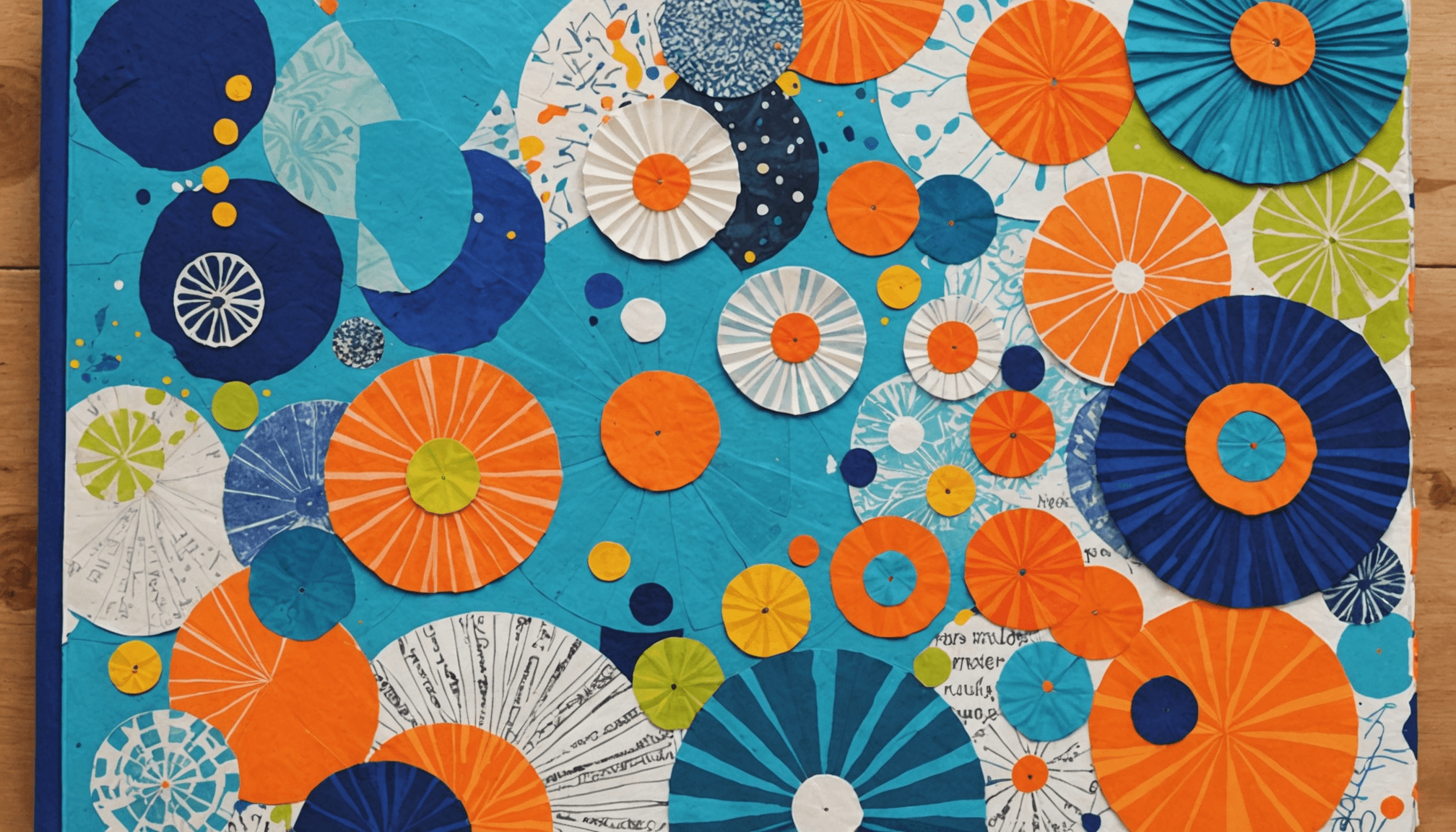
Many journalers also struggle with the idea that a page must contain cohesive elements or a clear theme. This can limit creativity, making you hesitate to combine odd materials or concepts. Instead, embrace the beauty of randomness. Allow your themes to evolve naturally without forcing connections. If inspiration strikes in the form of a bright orange scrap against a background of blues, go with it! Often, the most unexpected combinations can spark profound ideas.
Overlooking the potential of ordinary materials is another mistake. Artists sometimes stick to traditional supplies and miss out on the rich textures and stories that everyday objects can bring. To combat this, broaden your scope of materials. Consider incorporating items like receipts, fabric remnants, or even coffee filters. These can introduce depth to your pages while telling your personal narrative. Challenge yourself to include at least one non-traditional item in each entry, making your journal a treasure trove of memories and creativity.
Furthermore, neglecting to document your process can lead to missed opportunities for reflection and growth. Jotting down thoughts, feelings, or even snippets of dialogue while working can provide future insight into your creative journey. If a specific technique or material inspired excitement, take note of it. This can guide you in revisiting or building upon that idea in future entries, enriching your overall practice.
Lastly, many people compare their work to others, which can be discouraging and detrimental to one’s creative spirit. Remember, your art journal is a personal space where your unique voice thrives. Try to limit exposure to social media during your journaling time or focus solely on your work without seeking external validation. By nurturing your style and celebrating your progress, you’ll find the creative freedom to explore more boldly.
Focusing on the journey rather than the end result and avoiding these common pitfalls can help you cultivate a richer art journaling practice. Embrace the messiness of creativity, and allow yourself to learn and grow with every page you fill.
Tips for enhancing your art journal
Enhancing your art journal can be a rewarding endeavor, transforming it into a personalized sanctuary for your creativity to flourish. Start by establishing a regular journaling routine. Consistency can amplify your artistic growth and help you develop your unique style. Designate specific times during your week to dedicate to your art journal, ensuring that you treat these moments as essential appointments rather than optional ones. This commitment can foster a deeper connection to your work and encourage regular experimentation.
One effective way to enrich your art journal is by introducing diverse formats. Experiment with different sizes and orientations, including vertical and horizontal layouts or even fold-out pages. These variations can inspire fresh ideas and encourage new approaches to your compositions. Additionally, consider creating themed pages or sections. You might dedicate one part of your journal to exploring emotions, another to nature, and yet another to quotes that inspire you. This thoughtful categorization can help guide your creative flow.
Incorporating mixed media techniques is another excellent strategy for enhancing your journal. Use collage, paint, stitching, and even digital prints to create visually compelling pages. Mixing materials not only adds texture but also opens the door to unexpected combinations that can invigorate your work. Embrace spontaneity and allow your intuition to lead your creative process—if a certain color or pattern resonates with you, don’t hesitate to include it, even if it doesn’t seem to fit the current theme.
Maintaining an inspiration board or digital collection may prove to be invaluable for your artistic journey. Gather images, quotes, color palettes, and patterns that captivate your imagination. Dive into Pinterest, nature, or local art shows to fuel your creative psyche. This curated pool of inspiration can serve as a wellspring for your future art journal entries, helping you explore new themes and techniques when the creative well feels dry.
Engagement with other artists can provide new insights and motivation. Share your journal with friends, join a local art group, or participate in online communities dedicated to art journaling and mixed media. Interaction with fellow creatives can stimulate ideas and offer new perspectives on your work that you might not have considered. Collaboration—even just sharing techniques or prompts—can rekindle inspiration and enhance your practice.
Integrate writing into your work, whether that’s through journaling your thoughts, penning poetry, or reflecting on your day’s experiences. The beauty of art journaling lies in its ability to blend visual art with personal narratives. This integration deepens the connection between your thoughts and the art you create, adding layers of meaning to your pages.
Finally, remember to embrace imperfections and allow mistakes to guide your learning. Each page in your art journal can reflect your journey, highlighting the evolution of your creativity. Don’t be discouraged if something doesn’t turn out as you envisioned; instead, view it as a stepping stone to greater artistic discovery. Let go of perfectionism and instead focus on the joy of creating, trusting that every mark, color, and texture contributes to your unique artistic narrative.
These tips can help you cultivate a richer, more fulfilling art journaling practice. As you enhance your journal, let your creativity run wild and infuse every page with your personal stories and experiences. Embrace the beauty of creativity, and allow your art journal to become a true reflection of your artistic journey!
Showcasing completed projects and examples
- What is art journaling, and how is it different from other forms of journaling?
- Art journaling combines visual art with written reflection, allowing for both creative expression and personal storytelling. Unlike traditional journaling, which may focus solely on text, art journaling incorporates various materials and artistic techniques to enhance the narrative component.
- Do I need to have artistic skills to start art journaling?
- No prior artistic skills are required to begin art journaling. It’s about exploring your creativity and expressing your thoughts and feelings, so even beginners can enjoy experimenting with various materials and techniques.
- What types of materials should I use for mixed media art journaling?
- You can use a wide array of materials, including paints, markers, collage papers, fabric scraps, and even found objects. The essence of mixed media is to combine different types of materials, so feel free to explore and include anything that inspires you.
- How can I overcome creative blocks while working on my art journal?
- Creative blocks can be tackled by engaging in prompts or exercises that inspire spontaneous creativity. Try dedicating a page to free doodling or a color exploration session, allowing yourself to create without pressure to produce a “perfect” piece.
- Can I include written content in my art journal?
- Absolutely! Incorporating written content such as poetry, quotes, or personal reflections can enhance the emotional depth of your art journal. Consider blending text with visual elements to create cohesive and impactful pages.
- How important is the theme when creating a page in my art journal?
- Themes can guide your creative process, but they’re not mandatory. Allow your interests and feelings to dictate your journal entries, embracing spontaneity when a new idea inspires you, regardless of existing themes.
- What are some effective methods for organizing my art journal?
- Consider categorizing your art journal by themes or techniques, using dividers or sections for different styles. You might also date your entries or include a table of contents to easily track projects and inspiration over time.
