



Paper Arts and Crafts Ideas

- Creative Paper Techniques
- Fun Paper Crafts for Kids
- How to Make Paper Flowers
- DIY Paper Decorations for Home
- Upcycling Paper into Art Projects
Exploring creative paper techniques can open up a world of imaginative possibilities for your crafting endeavors. One approach is to experiment with layering different types of paper, creating depth and texture in your projects. For instance, try using patterned scrapbook paper as a base and layering it with translucent tissue paper. This can create a stunning effect when backlit, perfect for crafting unique lanterns or window decorations. By mixing colors and patterns, you can invite a flow of creativity that transforms simple paper crafts into artistic masterpieces.
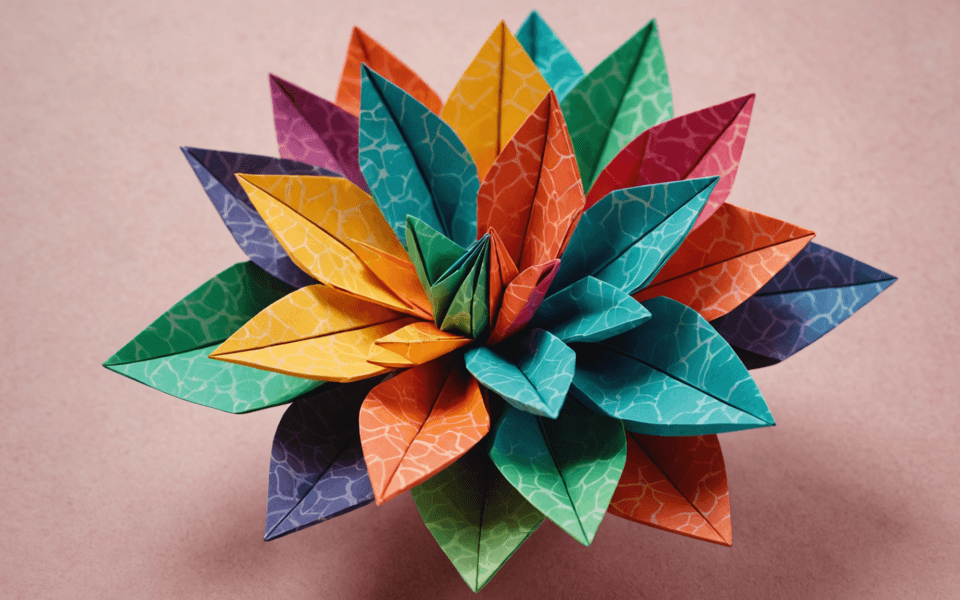
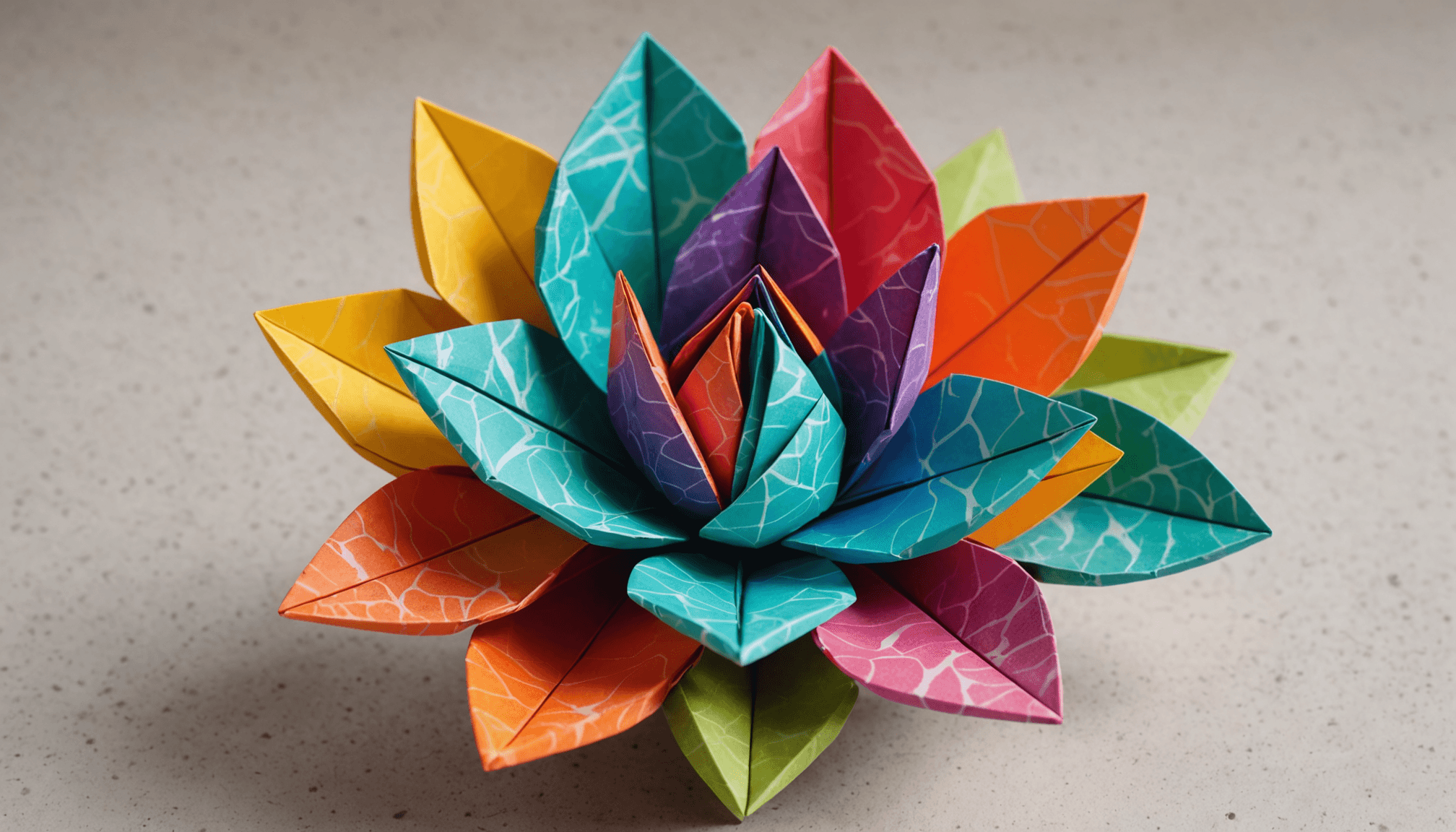
Another technique worth exploring is folding and cutting, which seamlessly leads us to the wonderful world of origami. By mastering a few basic folds, you can create intricate designs, from delicate cranes to elaborate flowers. Incorporate bright colors and interesting prints to make your origami pieces more visually engaging. You might even consider adding a personal touch—write a meaningful quote or message on the origami paper before folding it, making each piece a thoughtful gift or keepsake.
Don’t overlook the potential of paper marbling either. This age-old technique involves floating ink on water and swirling it into unique patterns before carefully transferring that design onto paper. It’s an eye-catching way to produce remarkable stationery or covers for your crafting projects. With a bit of practice, you can develop your style, whether you prefer vibrant colors or subtle pastels. Use this method for gift-wrapping paper, not only to impress the recipient but also to showcase your crafting skills.
For a fun twist, try combining these techniques. Imagine crafting an origami flower adorned with marbled leaves; it’s a showstopper that blends various methods into a singular piece. Don’t hesitate to document your creative process and share your progress through social media groups or crafting forums. This not only inspires fellow enthusiasts but also fosters a sense of community around your shared passion for paper crafts. So gather your supplies and let your imagination soar with these innovative paper techniques!
Fun Paper Crafts for Kids
Children love to engage in hands-on activities, and paper crafts are perfect for sparking their creativity while developing fine motor skills. There are numerous fun and simple projects that kids can enjoy, and many of them require minimal supplies. One enjoyable craft is making paper masks. By cutting out eye holes from a paper plate, children can then decorate it with paints, markers, or even stickers, creating fun characters or animals. This project encourages imaginative play, as they can wear their creations afterward.
Another delightful paper craft involves making greeting cards. Kids can utilize colored paper, washi tape, and stamps to create personalized cards for family and friends. This project not only nurtures artistic expression but also introduces them to the concept of giving and receiving art, making it a meaningful experience.
For those interested in origami, simple models such as paper boats or hats can be a fantastic starting point. As children learn the basic folds, they can progress to more complex designs, all while developing patience and problem-solving skills. Origami not only enhances dexterity but also provides a sense of accomplishment as they successfully complete each piece.
Creating paper chains is another classic and fun project. With strips of colorful paper, children can practice their cutting and gluing skills by interlinking the chains to decorate rooms or for festive occasions. This activity can easily be adapted to suit any holiday theme, allowing kids to engage in seasonal crafts throughout the year.
Lastly, scrapbooking is a wonderful way for children to commemorate memories while developing a knack for storytelling. They can gather photos, drawings, and various papers to create their unique storybooks. This craft encourages writing and creativity as they put together their thoughts and ideas into beautifully crafted pages.
- Encourage creativity by allowing children to choose their colors and decorations freely during crafting.
- Pair each project with a related story or theme to enhance engagement and make learning enjoyable.
- Ensure that scissors and any small materials are age-appropriate to maintain safety during crafting activities.
- Consider hosting a “craft day” where kids can collaborate and share ideas for projects.
- Use recycled materials whenever possible to teach kids about sustainability while crafting.
How to Make Paper Flowers
 When making paper flowers, many people fall into a few common traps that can hinder their creative projects. One frequent mistake is not choosing the right type of paper. While heavier cardstock is excellent for stability, it can be challenging to manipulate for detailed petals. Conversely, crepe paper is flexible and ideal for creating soft, realistic flowers. To avoid this pitfall, spend some time experimenting with various paper types to see how they behave when cut, folded, and shaped.
Another common issue is not paying attention to proportions. Flower petals that are too large or too small can throw off the balance of your design, making it look awkward. A good way to ensure proper proportions is to start by sketching your flower on paper first. This allows you to visualize how each part fits together before you cut your final pieces. Additionally, using templates or digital designs can help maintain consistent sizes and shapes for each petal.
Many people also underestimate the importance of layering when making paper flowers. Simply sticking flat petals together can lead to a one-dimensional appearance. Instead, try layering different sizes and colors of petals to create depth. For example, start with larger petals as a base and build up with progressively smaller petals on top. This adds a realistic touch and makes your flower more visually appealing.
Adhesive choices can also lead to frustration. Some people use too much glue, which can seep out and ruin the delicate appearance of their flowers, while others don’t use enough, resulting in pieces that don’t stick together. A quick tip is to use a glue stick or double-sided tape for paper flowers, as these apply a thin layer of adhesive that holds but doesn’t make a mess.
Finally, failing to secure the flower centers properly can make your flowers appear incomplete. This detail can truly elevate your project. Instead of simply gluing a pom-pom or bead, consider wrapping it in more petals or using a contrasting color to add interest. This small adjustment can make a big difference in the overall look of your paper flower.
By being aware of these common pitfalls—such as paper choices, proportions, layering techniques, adhesive application, and flower centers—you can make the crafting process smoother and more enjoyable. Implementing these tips will not only help avoid frustration but also enhance the quality of your beautiful paper flowers, allowing your creative projects to flourish.
DIY Paper Decorations for Home
Elevating your home decor with DIY paper decorations is an accessible and enjoyable way to express your creativity. Numerous techniques can transform ordinary spaces into vibrant, personalized havens. One effective method is creating paper garlands. You can make a stunning garland by cutting out shapes such as hearts, stars, or flowers from colorful cardstock. String them together with twine or ribbon for a cheerful touch that adds depth to any room. Consider scaling the sizes of the shapes or using different patterns to create visual interest.
Another idea is to design paper wall hangings. Utilizing larger sheets of paper, you can create stunning abstract designs by folding, cutting, and layering various colors. For a dynamic effect, experiment with adding texture by using embossed or patterned paper. Once assembled, these hangings can serve as stunning focal points that showcase your creative flair while sparking conversation among guests.
If you’re looking for something functional yet decorative, try designing paper coasters. Simply cut circles or squares from thick cardstock or chipboard, and then decorate them with paint or decoupage techniques. These coasters not only protect your surfaces but can also tie together a room’s color scheme, acting as practical art pieces on your coffee table.
For those who enjoy a bit of whimsy, creating paper lanterns can bring warmth and ambiance to any setting. Cut and fold decorative paper into lantern shapes, add a tea light or string lights inside, and hang them in your living area or garden. This project can be customized for different seasons or events, creating a welcoming atmosphere whenever needed.
Additionally, consider making personalized gift wraps or gift tags from unique paper choices. Use newspapers, old maps, or wrapping paper remnants to craft one-of-a-kind wrappings that convey thoughtfulness and creativity. These thoughtful details can elevate the giving experience, showcasing not only the gift but your imaginative spirit.
Don’t forget that upcycling is a fantastic way to incorporate paper decorations into your home. Repurpose old magazines, flyers, or even sheet music into decorative collages or framed art pieces. This not only gives new life to materials that might otherwise be discarded but also allows for unique art that reflects your style.
Remain inspired by trying new projects and adapting techniques that resonate with your personal aesthetic. Share your creations with friends and family and enjoy the fulfilling process of crafting with paper. Each project offers a chance to cultivate your skills, infuse your home with charm, and celebrate the artistry of paper crafts. Let your creativity unfold and watch how your environment transforms with your unique touches!
Upcycling Paper into Art Projects
- What is upcycling in paper crafts?
- Upcycling in paper crafts involves repurposing used paper items, such as magazines, newspapers, or old books, into new creative projects. This practice not only reduces waste but also sparks creativity by giving new life to materials that might otherwise be thrown away.
- How can I start an upcycling paper project?
- Begin by collecting paper items that you no longer need, such as wrapping paper, gift boxes, or scraps from previous crafts. Look for inspiration online or in crafting books, then choose a project that excites you, ensuring you gather any additional supplies needed for your chosen creation.
- What are some easy upcycling paper crafts for beginners?
- Some great beginners’ projects include creating collages from old magazines, making greeting cards from scrap paper, or crafting decorative bookmarks. These projects are simple yet rewarding, providing a fun way for novices to dive into the world of upcycling.
- Can I use old books for upcycling paper crafts?
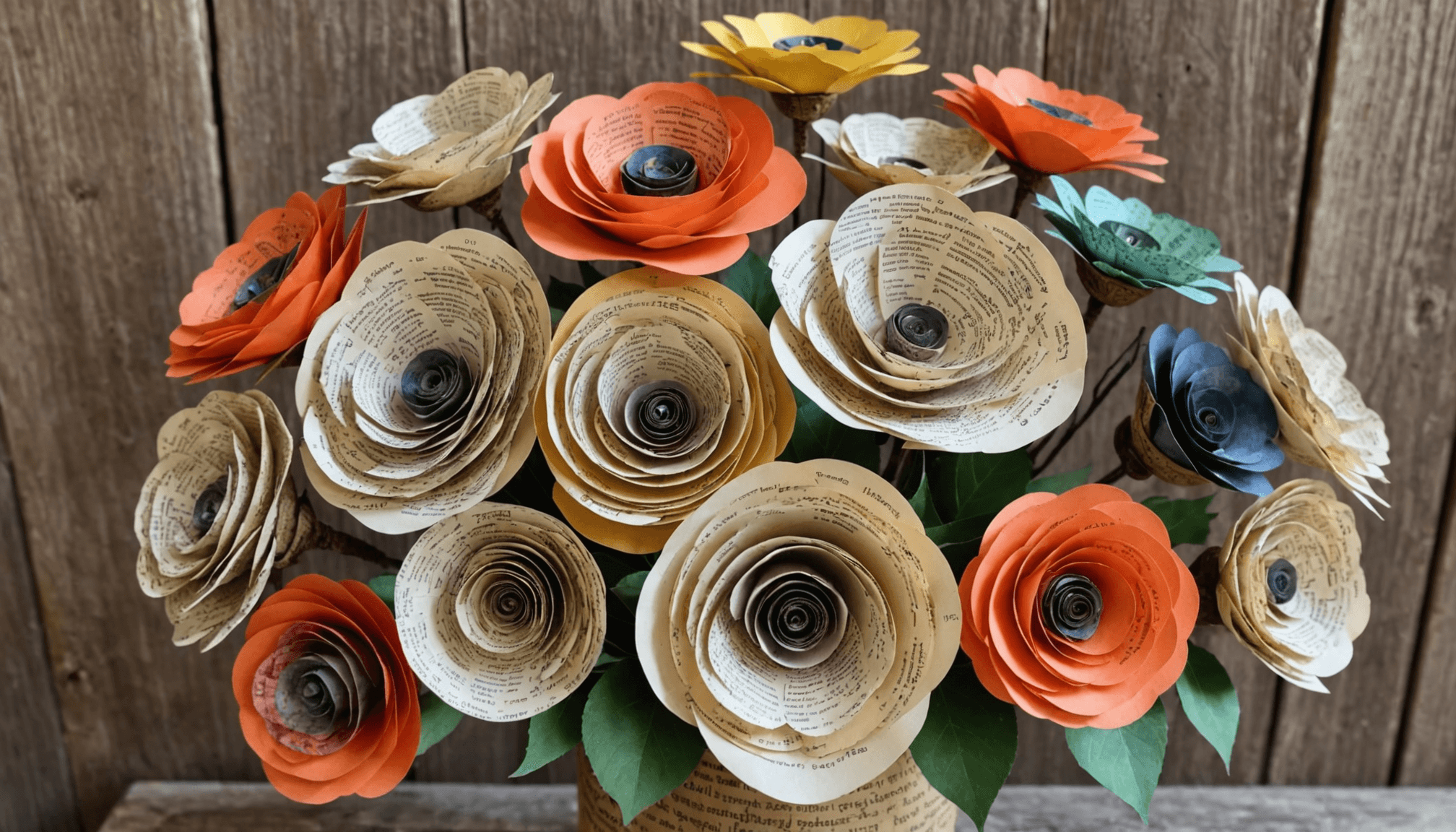
- Absolutely! Old books can be transformed into beautiful art pieces, such as paper flowers, bookmarks, or even wall art. Just be mindful to choose books that you don’t mind altering, as their pages will be cut or reconfigured.
- Are there any specific tools I need for upcycling paper projects?
- While basic supplies like scissors, glue, and paper cutters are essential, you may also want to invest in a cutting mat and specialty tools for more intricate designs. A quality paper trimmer can help ensure clean cuts, while decorative edge scissors can add flair to your projects.
- How can I ensure my upcycled crafts are durable?
- To enhance the durability of your upcycled crafts, consider sealing your projects with a layer of mod podge or clear acrylic spray. This protection prevents wear and tear while keeping your creations looking fresh and vibrant.
- What are some resources for finding upcycling paper craft ideas?
- There are countless resources available, including crafting blogs, social media platforms like Pinterest and Instagram, and books focusing on paper crafts. Joining crafting groups online can also provide support, inspiration, and ideas from fellow crafters.
