




Spring and Summer Arts and Crafts

- Springtime Art Projects
- Summer Craft Ideas for Kids
- Nature-Inspired DIY Decorations
- Eco-Friendly Materials for Crafting
- Seasonal Art Events and Workshops
As the days grow longer and the world awakens from its winter slumber, spring presents a unique opportunity for creativity. Channeling the fresh energy of the season into your art projects can lead to delightful outcomes, both visually and personally. Engaging in seasonal crafts not only allows for self-expression, but also serves as a means to connect with nature as it bursts forth in an array of bright colors and new life.
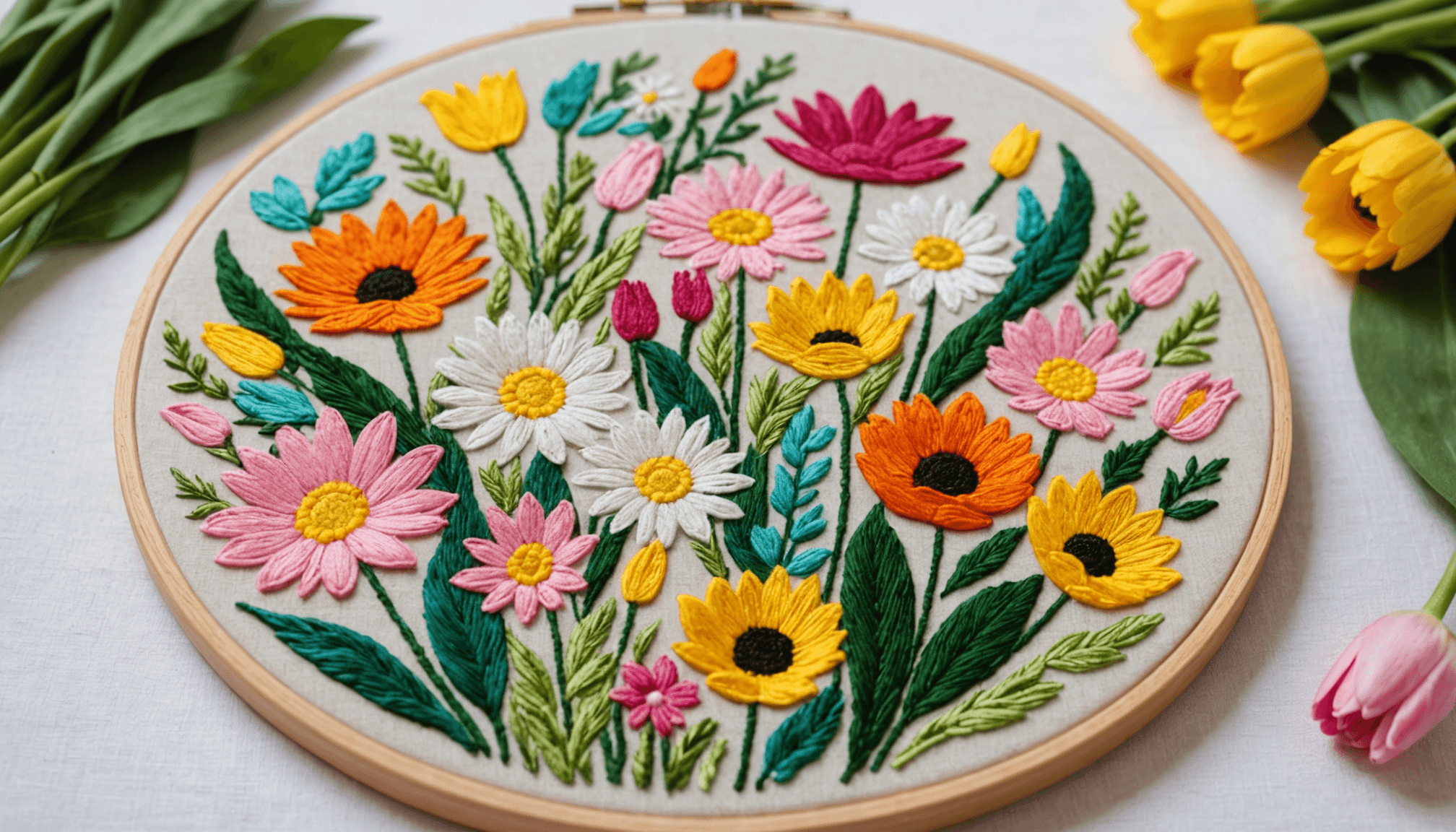
One of the joys of springtime art projects is the variety they offer. Whether it’s creating cheerful wall hangings adorned with florals or embarking on fun projects that incorporate the beauty of blooming gardens, there is something for every skill level. Consider starting with a simple embroidery piece that features spring motifs like daisies or tulips. Choose vibrant threads to capture the essence of the season – think soft pinks, sunny yellows, and fresh greens. The rhythmic process of stitching can be quite meditative and allows one to appreciate the subtle shifts in nature.
If you’re feeling adventurous, try your hand at crafting miniature flower pots using recycled materials. This project not only encourages eco-consciousness but also provides an avenue for creativity. Use assorted fabrics to cover tin cans or glass jars, transforming them into charming homes for small indoor plants or seedlings. This hands-on approach merges both art and gardening, presenting a tactile experience that can be enjoyed by crafters of all ages.
For those inclined towards painting, watercolor blooming scenes can capture the ephemeral beauty of spring flowers. Set up your workspace with the brightest hues you can find and let your imagination guide you as you paint fantastical gardens or serene landscapes. The fluid nature of watercolor will allow for a beautiful blending of colors, mirroring the gradual transition of spring foliage.
To enhance your creations, consider incorporating seasonal elements like pressed flowers or leaves into mixed media art. These natural materials can add a lovely tactile quality and represent the freshness of spring. Collect flowers and leaves during your walks, then dry and preserve them for your projects. Attach them to canvas artwork, or incorporate them into your embroidery by sewing them into your designs for a unique touch.
Engaging in these springtime art projects not only brings joy and beauty into your home but also fosters a sense of connection to the emerging season. Embrace the inspiring colors and textures around you; let them guide your hands as you create memorable pieces that celebrate this vibrant time of year. Whatever project you choose, allow the spirit of spring to infuse your work, transforming it into something that not only looks beautiful but feels meaningful as well.
Summer Craft Ideas for Kids
Summer is the perfect time for kids to explore their creativity through fun projects that not only entertain but also encourage skill development. One popular idea is to create colorful tie-dye shirts. This project is a fantastic way for children to express themselves with bright colors and unique patterns. Simply provide them with white cotton shirts, fabric dye, rubber bands, and gloves. Kids can twist and bind the fabric in various ways before applying the dye, resulting in vibrant designs that they can wear proudly throughout the summer.
Another engaging craft is making personalized garden markers. Using wooden popsicle sticks, paint, and markers, children can design their own markers to label herbs and vegetables in the garden. This project promotes an understanding of gardening and is an interactive way to teach kids about where food comes from. Encourage them to use seasonal crafts like painting flowers, vegetables, or even fun characters to bring their markers to life.
DIY wind chimes are another enjoyable project that combines art and sound. Using materials like seashells, beads, twigs, and yarn, kids can assemble their own wind chimes. This craft blends creativity with the science of sound, as they experiment with different materials and arrangements to create beautiful chimes that tinkle in the summer breeze. Hanging these from porches or trees adds a delightful touch to outdoor spaces.
Additionally, creating sensory bins filled with sand, shells, and small toys can provide endless hours of imaginative play. Kids can customize their bins with elements from nature, like small rocks or flowers, turning them into beach scenes or magical landscapes. This hands-on activity encourages exploration and tactile experience while promoting imaginative storytelling.
Lastly, scrapbooking is an excellent way for children to document their summer adventures. Provide them with a variety of craft supplies such as colored paper, stickers, and photos. This project not only fosters creativity but also enhances fine motor skills as they cut, arrange, and decorate their scrapbook pages.
- Encourage color mixing during the tie-dye process for unexpected and vibrant results.
- When creating garden markers, involve kids in planning out a small garden space to plant their labeled items.
- Experiment with different materials for wind chimes to discover unique sounds.
- In sensory bins, incorporate mini activities like treasure hunts to make it interactive and fun.
- Start a scrapbook by setting aside specific times each week for children to add new memories.
Nature-Inspired DIY Decorations
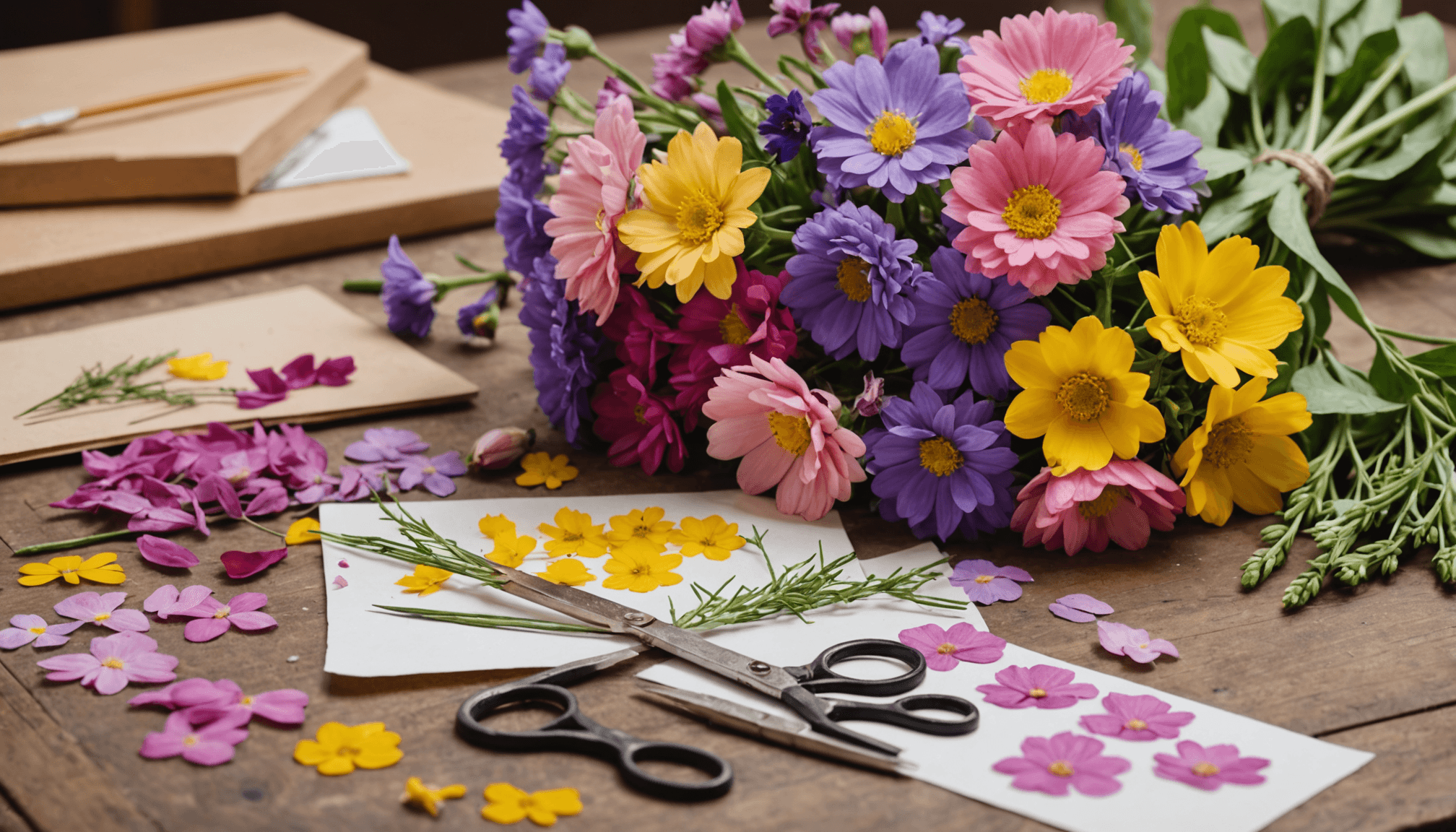 One common mistake people make while creating nature-inspired DIY decorations is overlooking the importance of preparation and organization. Disorganized workspaces can lead to wasted time and frustration, which diminishes the enjoyment of the crafting process. To avoid this, set up a designated area before starting your project. Gather all necessary materials like twigs, leaves, flowers, and tools, ensuring that everything is within reach. This will foster a smoother crafting experience and make it easier to focus on your creative vision.
Another frequent error is not properly preserving natural materials before using them in decorations. Fresh flowers and leaves can wilt quickly, leading to disappointment when they fail to maintain their appearance. To circumvent this, take the time to dry and preserve your collected elements. A simple method for preserving flowers is to press them between the pages of a heavy book for a couple of weeks. This technique enhances their longevity and allows you to use them in various projects, from wall art to embellishments on wreaths.
People often underestimate the power of design and composition in their decorations. A haphazard arrangement can detract from the natural beauty of the materials used. To achieve a more cohesive look, consider sketching out your ideas ahead of time. Visualizing the final product can help you balance colors, shapes, and textures effectively. Incorporate bright colors from seasonal flowers to create eye-catching contrasts that capture attention. This planning step can greatly enhance the overall aesthetic of your decorations.
Additionally, some crafters might use too many different materials at once, creating a cluttered or overwhelming final piece. To avoid this, stick to a specific color palette or theme. For instance, if your project incorporates beach elements, focus on shades of blue, white, and sandy beige. This approach is particularly effective for seasonal crafts, as it allows you to create a unified and professional-looking decoration using natural elements.
Lastly, it’s easy to overlook safety when using tools and materials for crafty decorations. Sharp scissors, hot glue guns, and other tools can pose risks, especially when children are involved. Always supervise young crafters and ensure they understand how to use tools safely. Consider using safer alternatives, such as non-toxic adhesive or child-friendly scissors, when crafting with kids. By prioritizing safety, you can create a positive crafting experience for everyone involved while avoiding unnecessary accidents.
Eco-Friendly Materials for Crafting
Choosing eco-friendly materials for crafting not only supports sustainability but also encourages creativity. Start by exploring your home and local environment for items that can be repurposed. Items such as old newspapers, cardboard boxes, glass jars, and fabric scraps can be transformed into beautiful art pieces. For example, you can create colorful paper mâché sculptures using torn strips of newspaper and a simple paste of flour and water. This fun project allows you to experiment with textures and forms while reducing waste.
Another sustainable option is using natural materials found in your surroundings. Pinecones, stones, and various plant elements can be incorporated into your crafting. For instance, using twigs and leaves, you can create rustic picture frames or hanging decorations that bring the beauty of the outdoors into your home. Painting these items in bright colors can add a vibrant touch to your nature-inspired decor, making them stand out as unique art pieces.
Consider using non-toxic paints and eco-friendly glues that are safe for the environment and your family. Look for materials that are marked as biodegradable or made from recycled components. If you’re sewing, options like organic cotton or linen are not only safer for the planet but also provide a lovely tactile quality to your fabric-based creations. When crafting with kids, you can teach them about the benefits of using these materials, promoting a sense of responsibility towards the environment while they enjoy their artistic endeavors.
To elevate eco-friendly crafting, look out for local plant swaps or community events where you can exchange supplies or materials. This not only gives new life to items that may otherwise be discarded but also fosters a sense of community among crafters. Engaging in these seasonal crafts can further encourage environmental awareness while making your creations truly one-of-a-kind.
As you embark on your eco-friendly crafting journey, remember that the process can be just as fulfilling as the final product. Embrace the joy of exploring materials and let your creativity shine through. Whether it’s through vivid colors or imaginative designs, you have the power to create art that resonates with your values while celebrating the beauty of nature. Keep experimenting and let your passion for crafting inspire others to join you in making a difference!
Seasonal Art Events and Workshops
 Seasonal art events and workshops offer exciting opportunities for individuals of all ages to engage with the vibrant world of arts and crafts during spring and summer. Many organizations and local communities host a variety of classes that allow participants to explore different mediums, techniques, and themes. From painting and pottery to textile arts and DIY home decor, these events can cater to both beginners and more experienced crafters looking to expand their skills or simply enjoy a fun project surrounded by like-minded individuals.
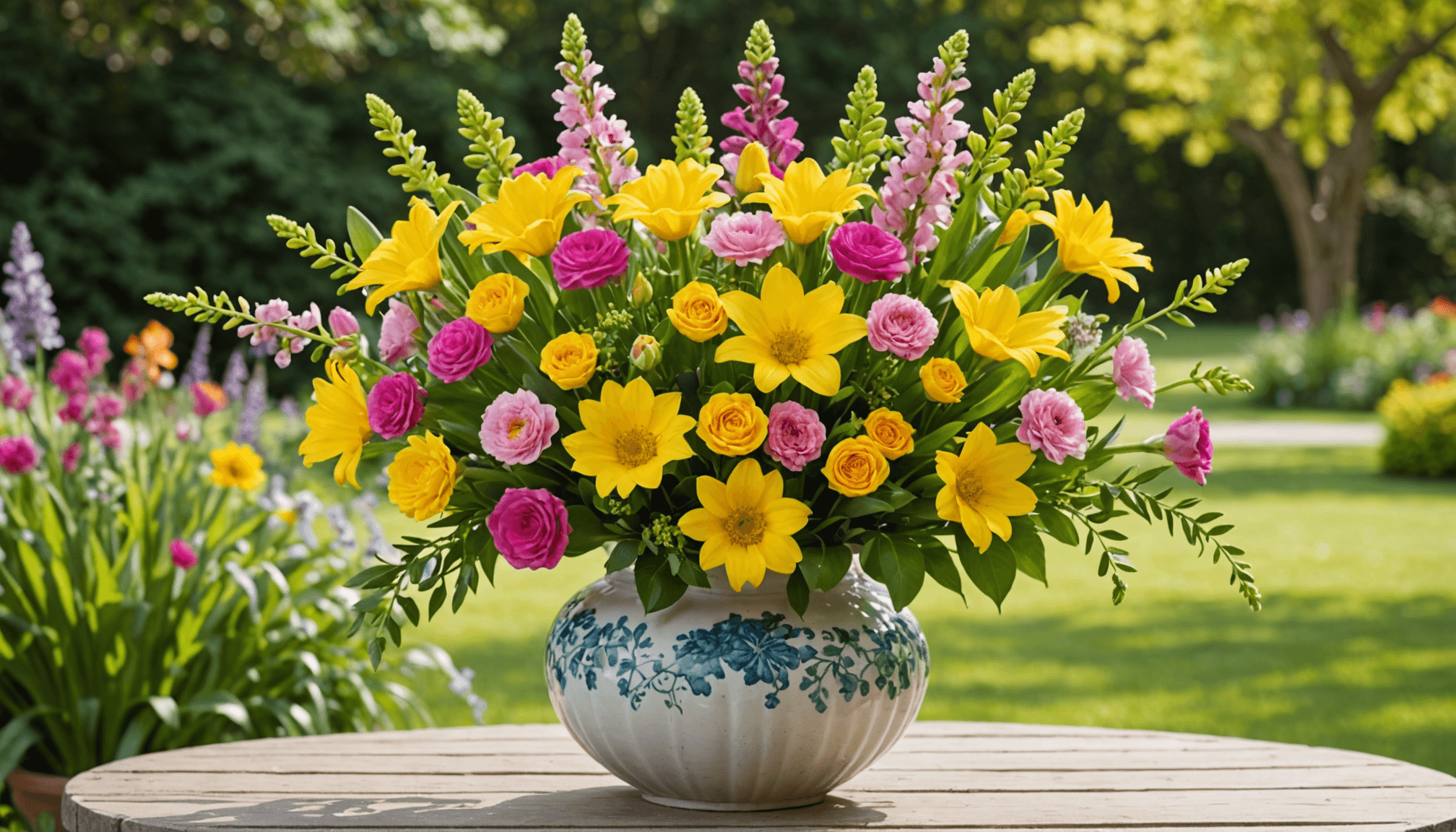
Joining a workshop can ignite your passion for creativity while helping you build connections within your community. Many of these events are structured to provide hands-on experiences, allowing attendees to create pieces they can take home. For example, floral arrangement workshops often incorporate seasonal blooms, showcasing the beauty of spring and summer while teaching participants about color theory and composition. Meanwhile, pottery classes might include techniques for glazing and sculpting that produce unique, personalized pieces.
In addition to skill-building, art events often feature the use of sustainable or eco-friendly materials, aligning with contemporary crafting trends. Workshops focusing on upcycling encourage the use of previously discarded items to craft new creations, promoting environmental awareness while producing stunning art. These initiatives celebrate creativity and innovation, guiding participants to see the potential in everyday objects, thus allowing them to produce vibrant, eye-catching designs.
Local art fairs and seasonal markets also serve as platforms for talented artisans to showcase their work. Attending these events can provide inspiration and foster an appreciation for the diverse skills within your community. Visitors can interact with artists, learn about their processes, and even participate in live demonstrations or mini-classes. These opportunities make for an engaging experience, turning a casual stroll into an educational journey filled with creativity and discovery.
Consider registering for a workshop or visiting an art event in your area this spring or summer. It’s a fantastic way to immerse yourself in the arts scene, explore new techniques, and bring out your creativity as you produce one-of-a-kind pieces embodying the spirit of the season. Connecting with fellow artists and crafters can provide motivation and inspiration, making crafting a rich and rewarding endeavor.
- What types of seasonal art events can I find?
- Seasonal art events range from workshops focused on specific techniques, such as painting or pottery, to art fairs and markets showcasing local artists. Many community centers and art studios also host classes tailored to various age groups and skill levels, often featuring seasonal themes and materials.
- Are art workshops suitable for beginners?
- Yes, most art workshops cater to all skill levels, including beginners. Instructors typically guide participants through the creative process, ensuring everyone feels supported and empowered to explore their artistic potential.
- How do I find seasonal art events in my area?
- You can find local art events by checking community arts councils, social media platforms, or event listing websites. Many craft stores and art studios also post information about upcoming workshops and happenings.
- What materials should I bring to a workshop?
- While many workshops provide materials, it’s a good idea to check in advance for any specific supplies you may need to bring. Common items include sketchpads, brushes, paints, or any personal tools that you’d like to use.
- Can children participate in seasonal art events?
- Many seasonal art events and workshops are designed for children and include age-appropriate activities. However, it’s best to verify beforehand to ensure a suitable experience for younger participants.
- What is the cost of attending art workshops?
- The cost of art workshops can vary widely based on factors such as location, duration, and materials provided. While some events may be free or low-cost, others could require a fee to cover supplies and facilitation.
- Are eco-friendly materials used in these workshops?
- Many art events now prioritize sustainability and utilize eco-friendly materials. Workshops focusing on upcycling and natural materials are becoming more popular, allowing participants to create while being mindful of the environment.
