



Arts and Crafts Ideas for Adults

- Creative Projects to Explore
- Materials and Tools You Will Need
- Techniques and Tips for Success
- Inspiring Themes and Ideas
- Showcasing Your Finished Work
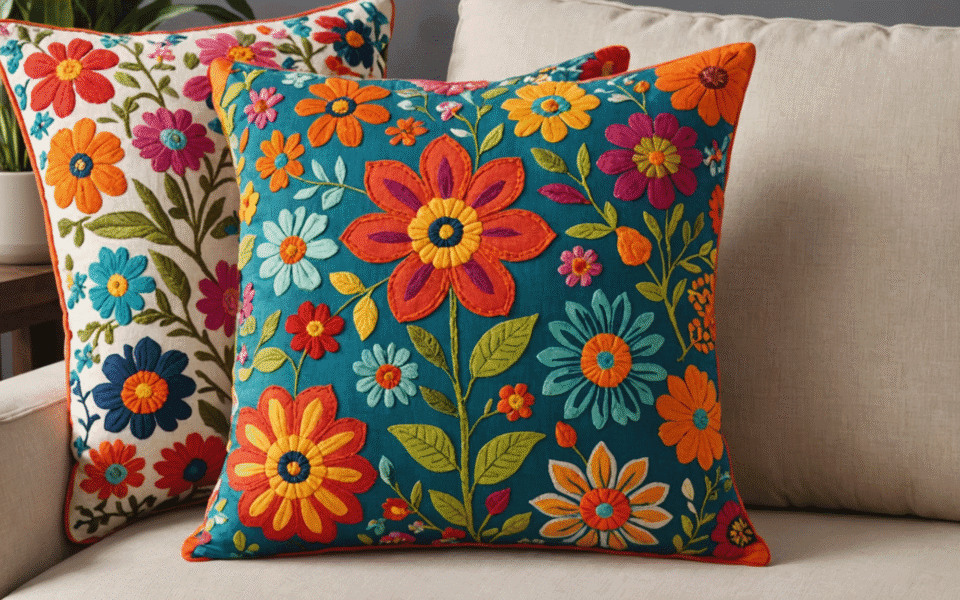
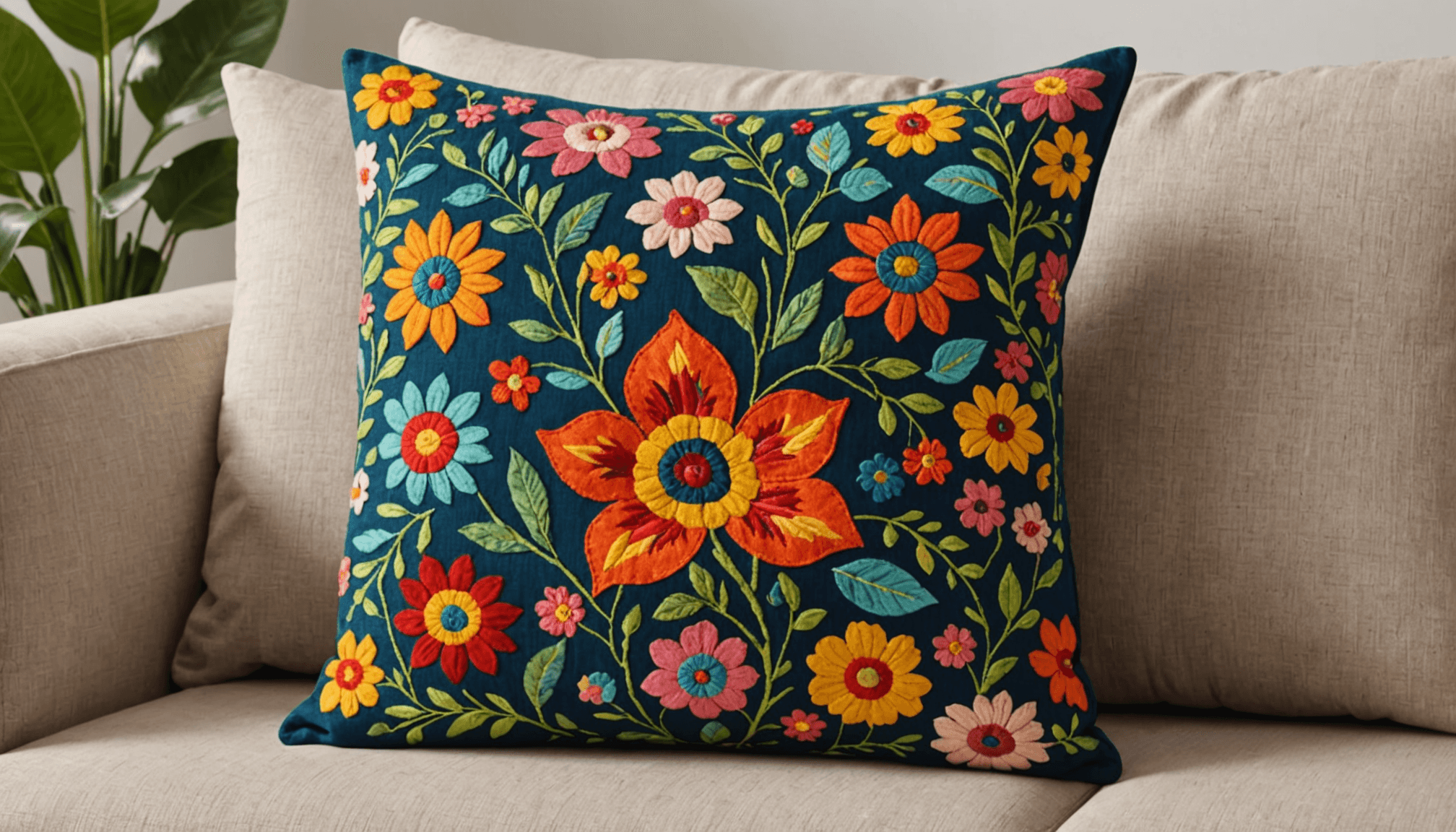
Exploring creative projects in the realm of cross stitch and embroidery is a delightful adventure that opens up a world of possibilities for creating unique pieces that reflect your personality and style. One fun approach is to incorporate cross stitch into home decor items. Picture a vibrant, hand-stitched pillow cover adorned with whimsical floral patterns or a personalized wall hanging that features your favorite quote stitched in a beautiful font. These pieces not only add charm to your space but also serve as fulfilling adult crafts that allow you to showcase your creativity.
Another exciting project idea is creating seasonal decorations. Imagine crafting an intricate wall tapestry featuring autumn leaves or a charming festive banner for winter holidays. Each season offers a perfect opportunity to express your craft talents and refresh your home decor. You could even host a fun DIY decor night with friends where everyone brings their own unique touch to a shared project, allowing for laughter and inspiration as ideas bounce around the room.
If you’re looking for something a bit more adventurous, consider merging embroidery techniques with other craft forms. For instance, cross stitch could be beautifully combined with fabric painting to create a mixed media piece. This fusion allows you to expand your artistic horizons and create a stunning piece of wall art or a centerpiece for your dining table. The process of layering stitches with color can create depth and interest, turning a simple fabric into an extraordinary piece that will definitely spark conversation.
For the more ambitious crafters, consider taking on an embroidering project on clothing, such as personalizing a denim jacket or an everyday tote bag. This not only adds flair to your wardrobe but also makes a statement about your love for DIY crafts. The satisfaction of transforming a plain item into something uniquely yours can be immensely rewarding.
When choosing a project, think about what resonates with you personally. Opt for themes that are meaningful, whether it’s representing a cherished memory, an interest, or a color palette that brings you joy. This connection will not only motivate you throughout the crafting process but will also ensure that your finished pieces hold sentimental value, adding a personal touch to your home projects. Don’t forget to take snapshots of your progress and share them with fellow craft enthusiasts; sometimes, the journey is just as inspiring as the finished work!
Materials and Tools You Will Need
To embark on your creative journey in the world of adult crafts, it’s essential to gather the right materials and tools that will facilitate your projects. The selection can vary based on the type of craft you choose, but having a well-equipped crafting space will set you up for success.
Firstly, consider investing in a good-quality fabric suitable for your projects. Cotton is a versatile and durable choice that works well for cross stitch and embroidery, while canvas can provide a sturdy base for mixed media projects. Choose fabrics in colors and patterns that resonate with your personal style, as they will greatly influence the final look of your creations.
Next, proper tools are crucial. A sharp pair of fabric scissors will make cutting your materials a breeze, minimizing fraying and ensuring clean edges. Additionally, a rotary cutter can be a handy alternative for cutting straight lines quickly. For your sewing tasks, a high-quality embroidery needle with a larger eye will allow for easier threading of various types of thread, such as cotton, silk, or even metallic threads for that added sparkle.
Thread is another key component of your crafting toolkit. Look for an assortment of embroidery floss in a range of colors to give you the flexibility to create intricate designs. It’s also beneficial to have some specialty threads, such as variegated or glow-in-the-dark options, for unique effects.
Moreover, a well-lit workspace can enhance your crafting experience. Good lighting will reduce eye strain and help you see details more clearly, ensuring that your stitches and designs remain precise. Consider investing in a magnifying lamp if you work on more intricate pieces or if you prefer finer detail in your work.
Finally, don’t forget about some essential accessories like a crafting mat for cutting, an assortment of pins for securing fabrics, and a storage solution to keep everything organized. These essentials will not only streamline your process but also make your crafting environment more enjoyable.
- Always choose high-quality fabrics and threads that suit your crafting projects to ensure durability and visual appeal.
- Invest in proper tools, such as sharp scissors and high-quality embroidery needles, to improve your crafting efficiency.
- Create a well-lit workspace to enhance visibility and reduce eye strain during meticulous work.
- Maintain an organized crafting area with storage solutions for easy access to materials and tools.
- Don’t hesitate to experiment with various threads and fabrics to discover unique textures and styles in your DIY decor.
Techniques and Tips for Success
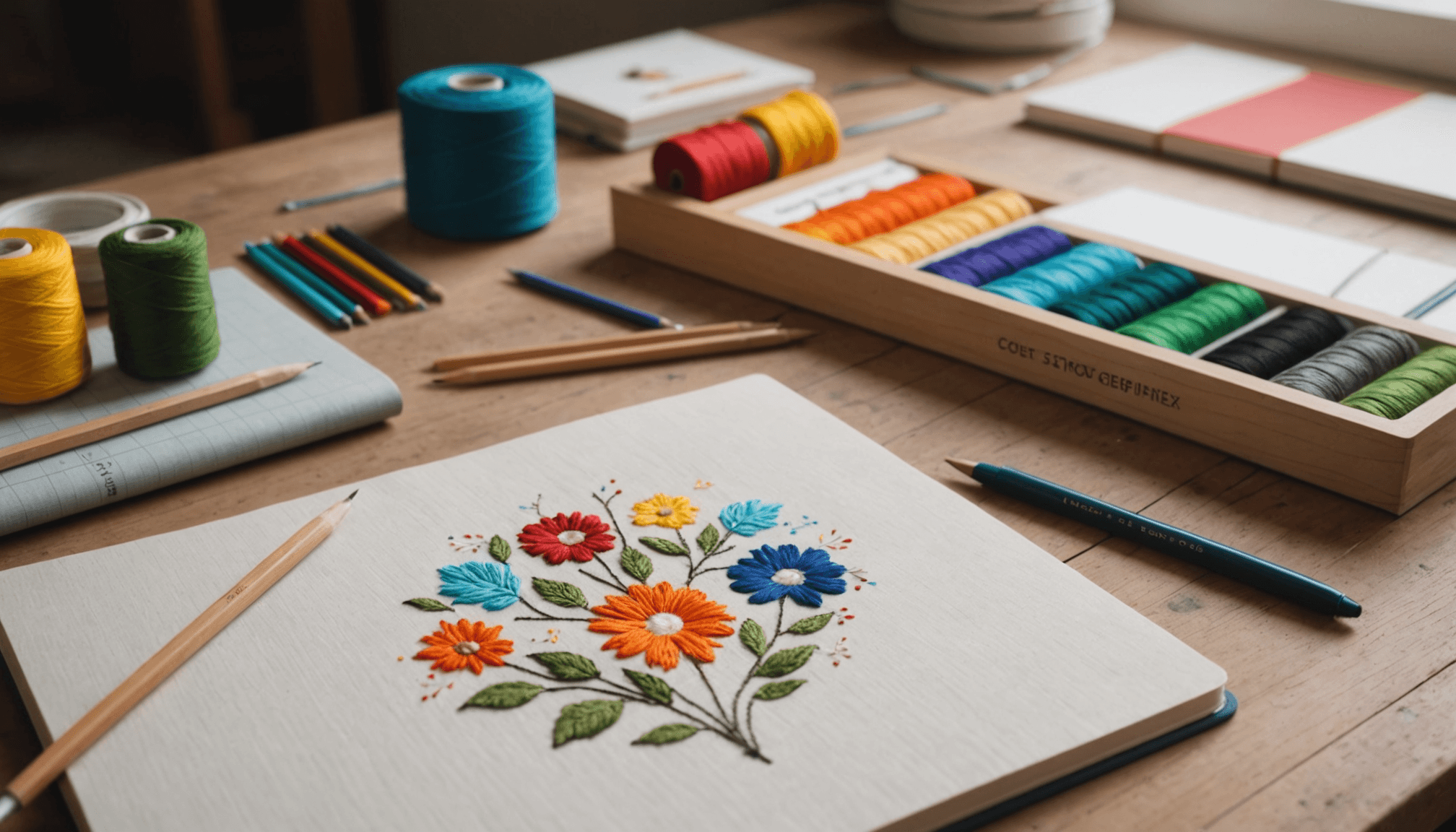 Many crafters often fall into common traps that can stifle their creativity and progress. One major mistake is rushing into a project without proper planning. Many may get excited about a new idea and dive right in, only to find that they lack the necessary materials or a clear vision of the final piece. To avoid this, take the time to sketch your design and create a list of required materials. This preparation will not only save time but also reduce frustration during the crafting process.
Another frequent pitfall is underestimating the importance of practicing techniques before tackling a complicated project. For instance, if you’re new to embroidery, jumping straight into a complex pattern can lead to disappointment. It’s wise to start with simpler designs to build your skills and confidence. Consider setting aside a small piece of fabric for practice; this will allow you to experiment with stitching styles and thread tension without the pressure of ruining a final piece.
Overcrowding a design is also a common error. Many crafters want to include every idea they have in one project, which can lead to a cluttered appearance and confusion in the overall visual appeal. To prevent this, focus on a central theme or element and allow that to guide your design choices. Simplicity often leads to striking results, so consider choosing a few colors or motifs that complement each other instead of overwhelming the piece.
Moreover, neglecting to take breaks during long crafting sessions is another mistake. This can lead to eye strain, physical fatigue, and even frustration, which may compromise the quality of your work. Scheduling short breaks can refresh your mind and keep your creative juices flowing, ensuring that you can approach your project with a clear head.
Lastly, many crafters underestimate the power of finishing touches. After completing a project, it’s easy to think it’s done, but neglecting to weave in loose threads, add a final layer of protection, or properly frame your work can diminish its overall quality. Always allocate time to review your finished piece, make necessary adjustments, and add those final details that will enhance its presentation.
By recognizing these common pitfalls and implementing simple strategies to avoid them, your crafting experience can become much more fulfilling, allowing you to create beautiful DIY decor that you’ll be proud to display.
Inspiring Themes and Ideas
Selecting a theme for your next project can be an enriching experience that deepens your connection to your craft. Consider exploring different cultural motifs, which can inspire creativity and add an educational component to your crafting. For instance, delve into Japanese sashiko, known for its intricate geometric patterns, or try your hand at traditional Mexican embroidery, which often features vibrant colors and floral designs. Each culture carries its own stories and techniques, allowing you to not only create art but also celebrate diversity through your work.
Nature is another inspiring theme that can guide your crafting journey. Often, the beauty of the outdoors can be translated into stunning designs. Think about creating pieces that reflect your favorite landscapes, whether it’s the beach, forests, or mountains. You could depict serene floral arrangements that bring life to your space or weather-inspired patterns that change with the seasons. Nature-based themes can evoke feelings of tranquility and connection, making your home projects a sanctuary of comfort.
Additionally, personal milestones and memories can serve as powerful sources of inspiration. Whether it’s capturing a favorite vacation spot or commemorating a life event, translating these cherished experiences into art can make your creations truly unique. Consider creating a special piece that represents your family, such as a family tree design complete with names and dates, or a treasure map of significant locations in your life. This not only adds personality to your DIY decor but also serves as a constant reminder of what matters most.
Art movements can also spark creativity, from the bold colors of Abstract Expressionism to the elegance of Art Deco. Research various styles and let them influence the shapes, colors, and textures in your projects. For instance, if you admire Impressionist art, you might focus on creating soft, blended colors and focusing on the play of light through your stitching or painting techniques.
When choosing a theme, don’t hesitate to think outside the box. Mix and match ideas from different sources; perhaps draw inspiration from both cultural motifs and natural elements. The beauty lies in your ability to combine these themes into something that articulates your personal story and creativity.
To fuel your creative process, try setting a mood board for your project. Collect images, fabrics, and color swatches that resonate with your chosen theme and display them in a way that inspires you daily. This visual representation not only serves as a guideline throughout your crafting but also keeps the excitement alive as you watch your vision come together.
Embrace the journey of exploration and allow yourself the freedom to experiment! Each piece you create through adult crafts embodies your unique perspective, and they collectively tell the story of your artistic journey. So, gather your materials, take those inspirations to heart, and let your imaginative ideas take flight. Your creations are waiting to be brought to life—let your passion shine through every stitch and stroke!
Showcasing Your Finished Work
- What types of projects can I work on to showcase my finished crafts?
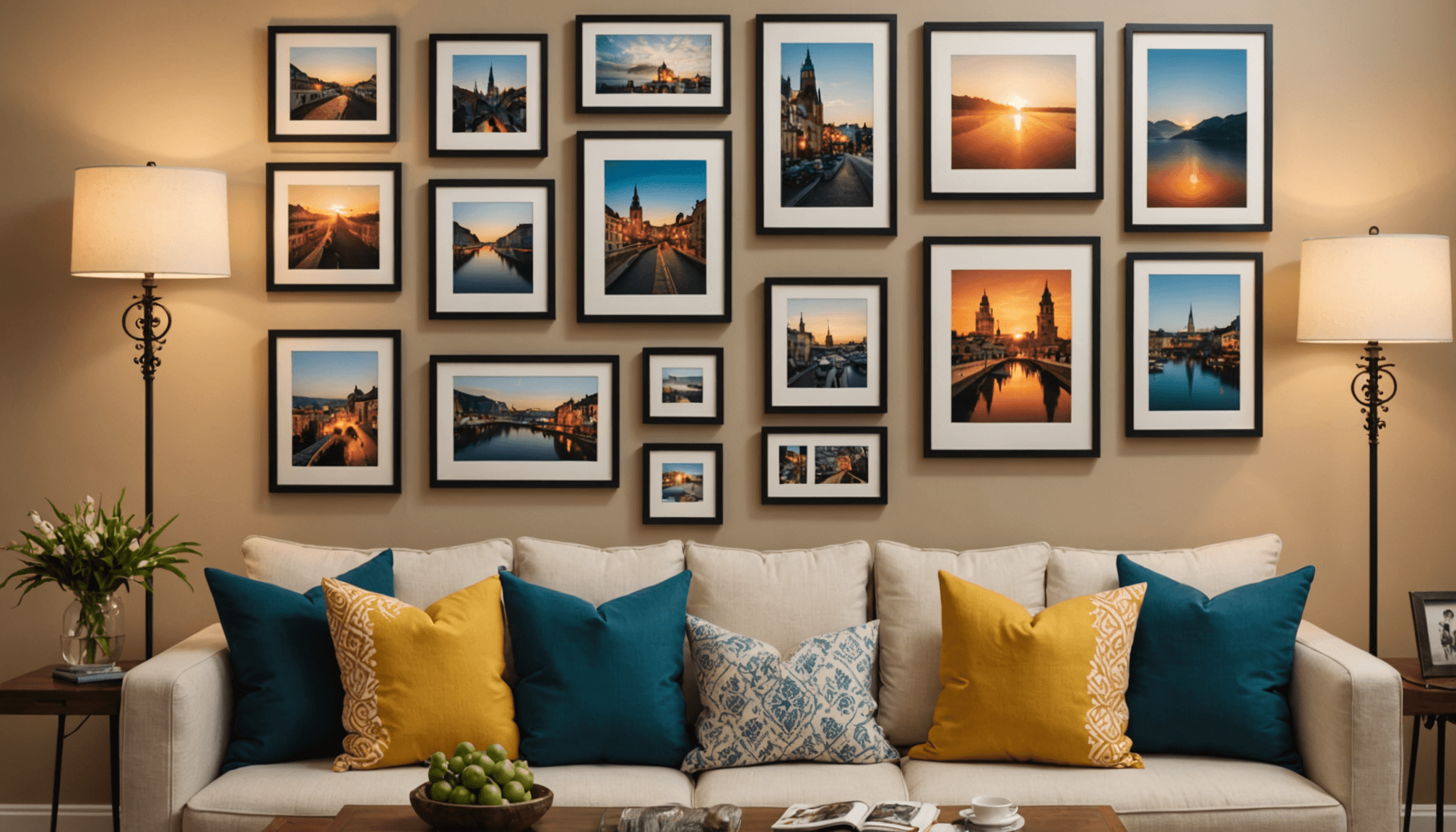
- You can create various projects such as personalized wall art, decorative pillows, or seasonal decor pieces. Consider showcasing your finished crafts through a gallery wall, a craft fair display, or even social media platforms to share your creativity with others.
- How can I ensure my crafts are presented well?
- Presentation is key; use quality frames or mounting options for wall art, and ensure any fabric items are neatly finished. Adding the right lighting to your display can enhance the visual appeal, making your creations stand out even more.
- Can I sell my finished crafts, and if so, how?
- Yes, selling your finished crafts is a great way to share your passion and possibly earn an income. You can set up an online store, attend craft fairs, or showcase your work on platforms like Etsy, ensuring you follow any local regulations regarding selling handmade goods.
- What are some effective ways to photograph my crafts for social media?
- Good lighting is essential; natural light works best. Use a plain background to highlight your craft, and consider showcasing it in use or staged in a lovely setting to inspire potential buyers or followers.
- How do I handle feedback about my crafts?
- Receiving feedback can be invaluable for growth—be open to constructive criticism and use it to improve your skills. Celebrate positive comments and remember that everyone’s taste is different; focus on your style and what brings you joy.
- Should I document my crafting process?
- Absolutely! Documenting your crafting process can not only showcase your skills but also engage your audience. Sharing progress photos or stories can inspire others and build a community around your work.
- How do I keep my crafts organized for display?
- Use decorative bins or shelves to organize your finished pieces, ensuring that each item is clean and accessible. You may also consider using a rotating display for seasonal crafts, allowing you to keep your decor fresh and aligned with the time of year.
