




Crafts from Household Items

- Crafting with Recyclables
- Creative Ways to Repurpose Old Clothing
- DIY Home Decor from Everyday Materials
- Fun and Easy Kids’ Crafts
- Sustainable Crafting Tips and Ideas
One of the most rewarding aspects of crafting is the ability to breathe new life into materials that might otherwise be discarded. With an increasing emphasis on sustainability and creativity, turning recyclables into household crafts not only keeps items out of landfills but also fosters a sense of accomplishment and innovation. The beauty of working with recyclables lies in the endless possibilities and the excitement of transforming something ordinary into a cherished piece.
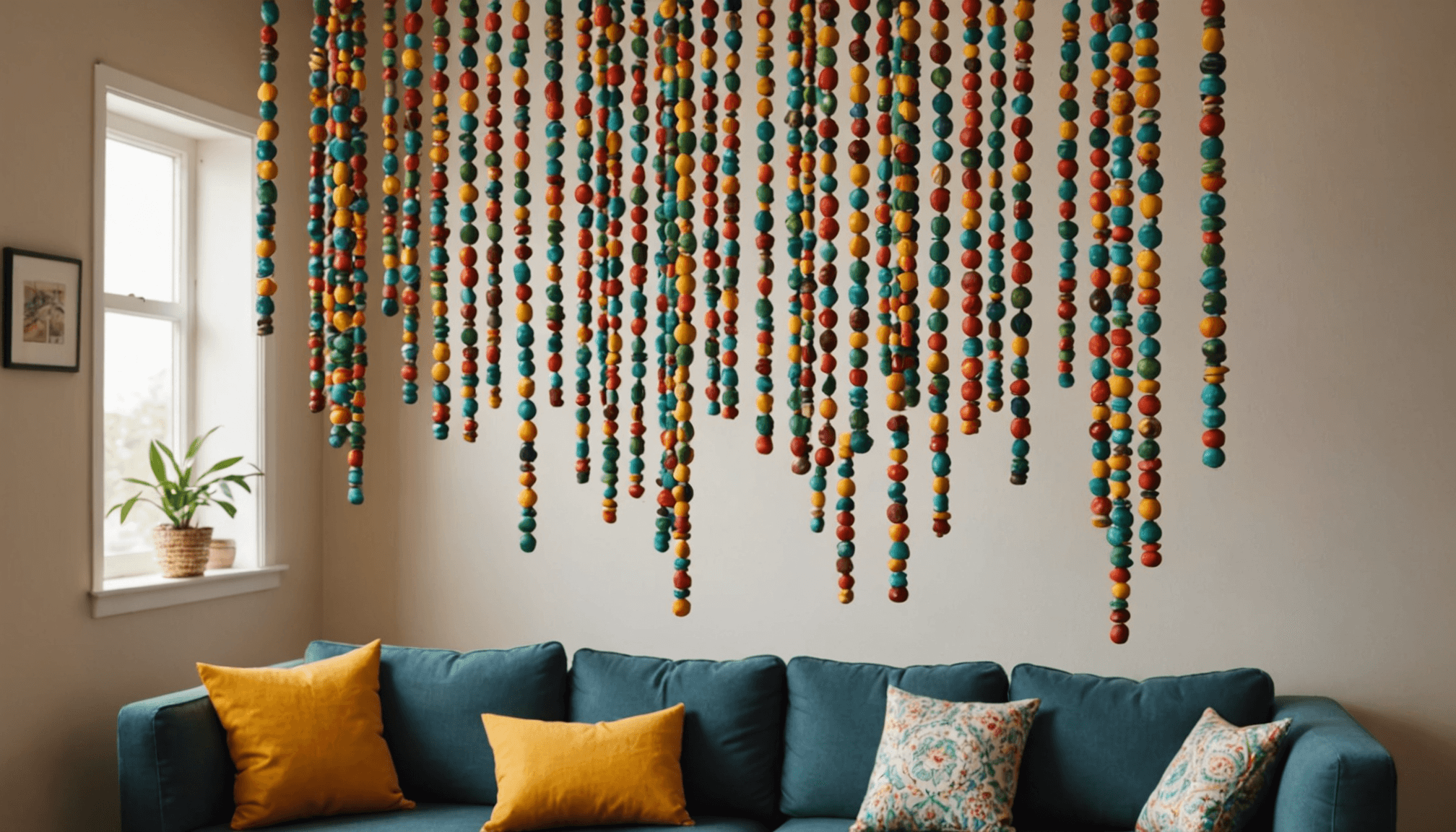
Let’s dive into some fabulous ideas! First, consider using old newspapers and magazines for crafting. An easy way to start is by creating handmade paper beads. Cut strips of paper, roll them around a toothpick, and seal them with a bit of glue. You can string these beads together to make eye-catching jewelry or chic home décor items. Imagine hanging a colorful garland of paper beads in your living space—how lovely!
Next, think about repurposing glass jars. They can become anything from storage solutions for your sewing supplies to stylish planters for small indoor plants. Simply clean the jars, paint them in trendy colors or patterns, and voila! You can even transform a large mason jar into a terrarium by layering sand and small stones at the bottom and adding your choice of succulents. This not only adds a touch of nature to your home but also serves as a stunning conversation piece for visitors.
Plastic bottles can bring out your inner artist too. With a little cutting and gluing, you can create unique wind chimes or even a vertical garden. Cut the bottles into desired shapes, decorate them with paint or fabric, and hang them in your outdoor space. The gentle sounds of the wind chimes will remind you of your creative day-long craft session.
By integrating these recyclable materials into your crafting practice, you not only engage in a fun and fulfilling activity but also inspire others to think creatively about waste. Transforming items that were once seen as trash into beautiful, functional pieces is a delightful way to practice creative reuse and showcase your artistic skills. So gather those recyclables and let your imagination run wild with crafts that reflect your personality while making a positive impact on the environment!
Creative Ways to Repurpose Old Clothing
Old clothing presents an excellent opportunity for creative reuse, giving you the chance to turn worn-out items into stylish and functional creations. One of the simplest and most popular projects is making tote bags. Start by cutting off the sleeves and the neckline of a t-shirt. Then, tie the bottom of the shirt shut with a few knots or sew it closed. This no-sew project is practical and environmentally friendly, allowing you to say goodbye to plastic bags at the store.
Another great idea is transforming old jeans into a sturdy, vintage-style pencil case. Simply cut off the back pocket and attach it to a small piece of fabric for the base. Sew or glue around the edges, leaving the top open for easy access to your stationery. This easy and cheap DIY project merges function with nostalgia, showcasing the character of the denim.
Additionally, you can create unique fabric coasters from fabric scraps. Cut circles or squares from different pieces of fabric, and then sew or glue them together. These can add a pop of color to your coffee table while keeping it protected from stains and spills. Charm your guests with your personalised coasters, which can also serve as thoughtful gifts.
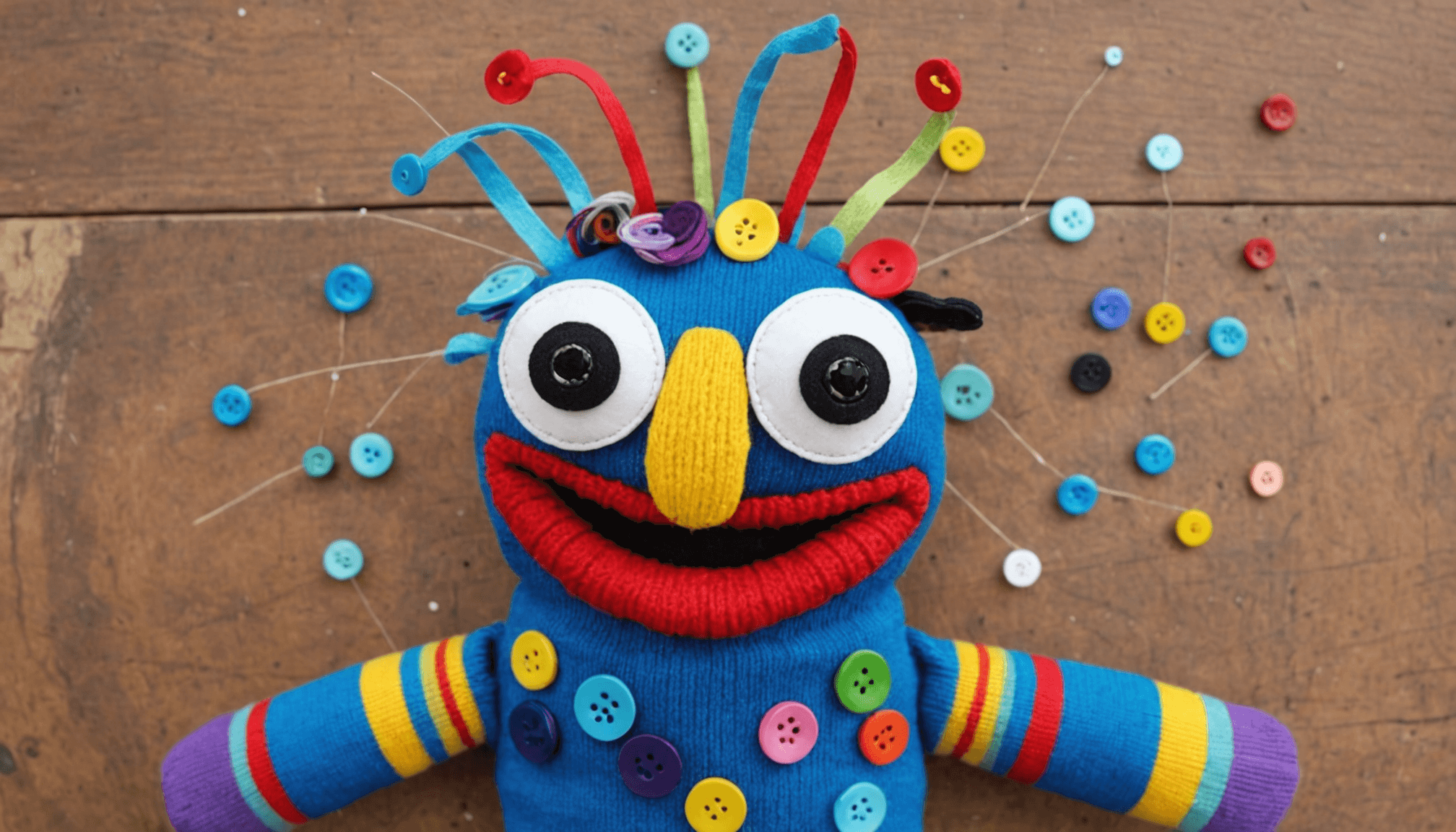
If you have an assortment of mismatched socks, don’t throw them away! They can be repurposed into adorable sock puppets for a fun kids’ craft. Simply use buttons for eyes and yarn for hair, and unleash a world of creativity through storytelling and play. This craft not only recycles but also encourages imaginative play, making it a double-win.
Lastly, consider making rag rugs from fabric scraps. Cut the material into strips and braid or crochet them together to form a colorful mat. This rustic décor item can add warmth and character to any room. Plus, it’s a great way to keep fabric out of landfills while creating something beautiful.
- Turn old t-shirts into tote bags by cutting and tying them for a stylish, eco-friendly solution.
- Create a pencil case from old jeans by attaching a back pocket to a fabric base for a vintage feel.
- Make coasters from fabric scraps to add colorful protection to your surfaces.
- Repurpose mismatched socks into sock puppets to promote imaginative play and storytelling.
- Craft rag rugs from fabric remnants to create unique home décor that showcases your creativity.
DIY Home Decor from Everyday Materials
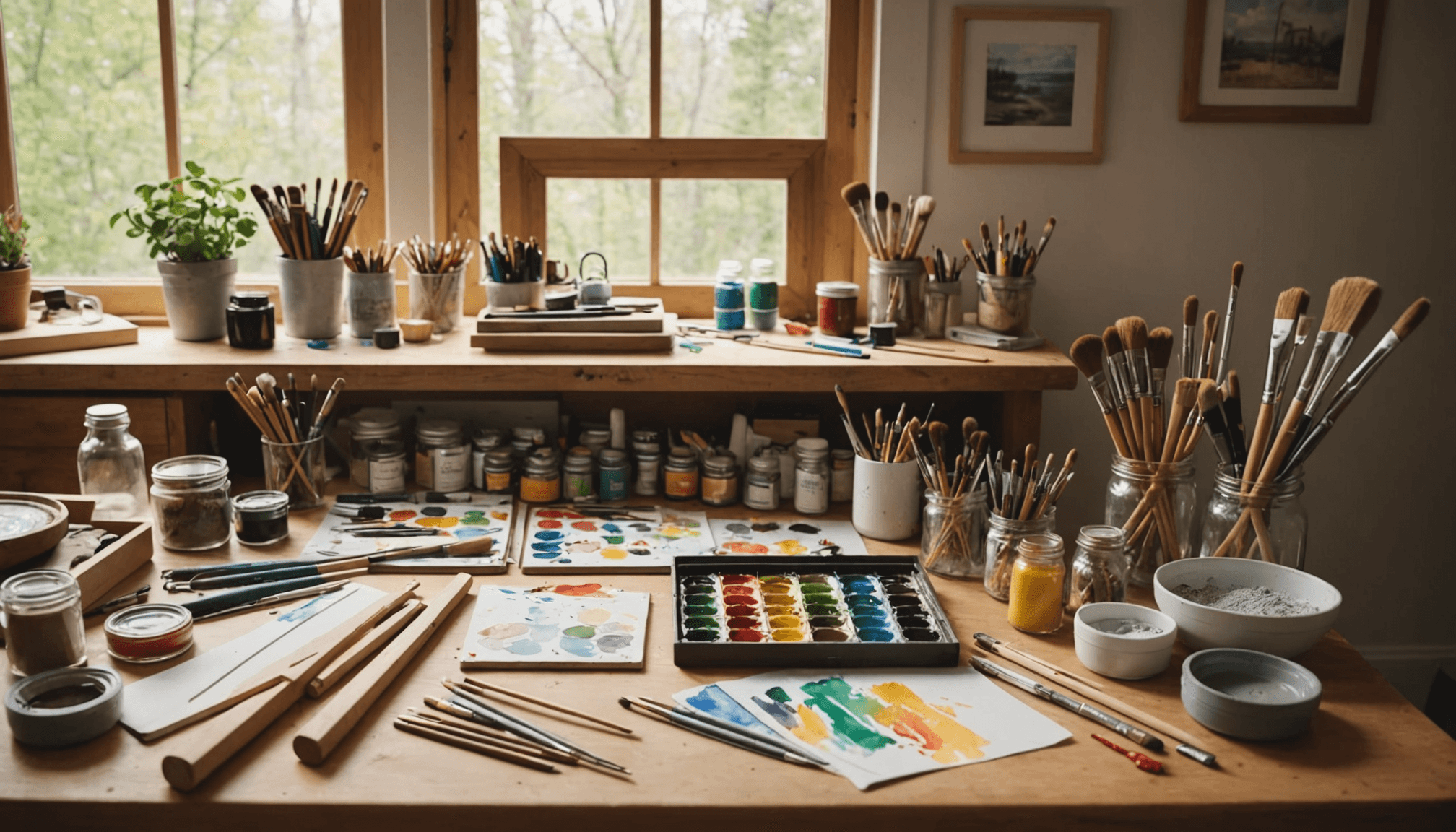 When embarking on DIY home decor projects, many people often overlook essential details that can lead to less-than-stellar results. One common mistake is not preparing the materials properly. For instance, when working with paint, it’s crucial to clean surfaces thoroughly and apply a primer if needed. Skipping this step can lead to peeling or uneven finishes, detracting from the overall appearance. To avoid this, take the time to clean, sand, and prime surfaces before painting. This simple preparation can vastly improve the final outcome.
Another frequent pitfall involves underestimating the importance of proper measurements. When creating items like picture frames, shelves, or wall art, incorrect measurements can result in ill-fitting pieces. Always measure twice and cut once, ensuring that your dimensions are accurate before you begin crafting. Using a square or level can help guarantee that everything is aligned perfectly, which is particularly important for functional pieces like shelves that need to bear weight.
Additionally, many crafters mistakenly choose materials based solely on aesthetics without considering their durability or suitability for a specific project. For example, using lightweight cardboard for items expected to hold weight can lead to collapse or breakage over time. Instead, consider the functionality of your materials and choose those that will stand up to wear and tear. If you’re unsure, test the material first in a small-scale version of your project.
People also often neglect to plan their projects carefully, jumping straight into crafting without a blueprint or a clear idea of the steps involved. This can result in wasted materials and time. To prevent this, sketch your idea and list out the steps you will take before you begin. Having a clear plan helps keep the crafting process organized and more enjoyable.
Lastly, not accounting for the drying time of paints or adhesives can throw off your schedule. Many crafters start working on additional components before the first layers are fully dry, leading to smudges or incomplete bonds. Always check the drying times and be patient. If a project requires multiple layers or pieces to be glued, allow each to dry completely before moving on. This attention to detail will ensure that your DIY home decor items turn out beautifully and last for a long time.
By being mindful of these common mistakes, you can elevate your household crafts, making them not only visually appealing but also durable and functional. Taking the time to prepare properly, measure accurately, select appropriate materials, plan ahead, and allow for drying will significantly enhance your crafting experience and results.
Fun and Easy Kids’ Crafts
Engaging kids in crafting can be both fun and educational, offering them the opportunity to express their creativity while developing fine motor skills. One easy project involves making paper plate masks. Grab some old paper plates, markers, scissors, and some string. Kids can cut eye holes in the plates and use markers to draw fun designs or characters. By attaching string or elastic bands, they can wear their new creations and put on an impromptu play or presentation.
Another imaginative idea is creating nature collages. Take a walk with the kids and collect items such as leaves, twigs, and flowers. Back at home, provide them with glue and a sturdy piece of cardboard or paper to arrange their finds into a collage that showcases their artistic vision. This not only inspires creativity but also teaches them about the beauty of nature.
For a fun, tactile experience, consider making sensory bottles. Use old plastic bottles and fill them with water, glitter, and small beads or sequins. Seal the bottles tightly and let kids shake and swirl to watch the mesmerizing movement of the contents. These bottles can serve as calming tools during moments of overstimulation or stress.
Simple toys can also be crafted from everyday household items. For example, turning cardboard tubes into binoculars can be an excellent adventure starter. Kids can decorate them with paints or stickers and get lost in imaginative play. Alternatively, colorful sock puppets are easy to make with old socks, some buttons, and yarn. They become companions for storytime and can spark creativity through narratives children create.
Encourage kids to create their own greeting cards using old wrapping paper, magazines, or even their artwork. Cutting and gluing these materials onto blank cards can foster a sense of pride and accomplishment when they share their personalized creations with friends and family.
Through these fun and easy kids’ crafts, you not only create lasting memories but also instill the value of creative reuse in young minds. Crafting with household items can inspire imaginative play, provide opportunities for learning, and remind us all of the joy that comes from creating something unique with our own hands. So gather the supplies, let the mess happen, and watch as your children’s creativity and confidence flourish!
Sustainable Crafting Tips and Ideas
- What are some great materials for sustainable crafting?
- Common materials for sustainable crafting include old newspapers, glass jars, plastic bottles, fabric scraps, and even old clothing. These items can be transformed into unique household crafts and decor, reducing waste and promoting creative reuse.
- How can I get started with sustainable crafting?
- To start sustainable crafting, gather recyclables from your home and think about how they can be repurposed. Begin with simple projects, such as creating decorations or storage solutions, and gradually experiment with more complex ideas as your skills improve.
- Are sustainable crafts suitable for children?
- Yes, sustainable crafts are very suitable for children! They provide an excellent opportunity for kids to learn about recycling and creativity while engaging in fun, hands-on activities. Projects like creating sensory bottles or sock puppets can be both educational and entertaining.
- Can I find sustainable craft supplies in my local stores?
- Many local stores carry eco-friendly craft supplies, but you can also source materials directly from your home. Items like cardboard, fabric scraps, and glass jars often go unnoticed but can serve as excellent starting points for your creative endeavors.
- What are some inexpensive sustainable crafting ideas?
- Inexpensive sustainable crafting ideas include turning old t-shirts into tote bags, using glass jars as planters, or making greeting cards from wrapping paper scraps. These cheap DIY projects are not only budget-friendly but also encourage creativity and resourcefulness.
- How do I properly prepare materials for crafting?
- Preparing materials properly is crucial for successful crafting. Clean surfaces, remove any labels, and, if needed, paint or prime items for durability. Proper preparation ensures that your finished products look great and last longer.
- Why is creative reuse important in crafting?
- Creative reuse is important because it promotes sustainability, reduces waste, and encourages innovative thinking. By reimagining everyday materials, crafters can help lessen our environmental footprint while discovering unique artistic opportunities.
