



Recycled Arts and Crafts Projects

- Recycled materials for creative projects
- Unique ideas for upcycling
- Step-by-step guides for popular crafts
- Eco-friendly benefits of recycled arts
- Tips for sourcing materials and inspiration
When diving into the world of recycled arts and crafts, the first step is to gather materials that might otherwise end up in the landfill. Everyday items can be transformed into stunning pieces of art or functional items with just a little creativity and effort. For instance, glass jars can become beautiful candle holders or storage containers, while old newspapers and magazines can be repurposed for collages or decorative paper mache projects. The beauty of these materials lies in their potential; almost anything can become a canvas for your imagination.
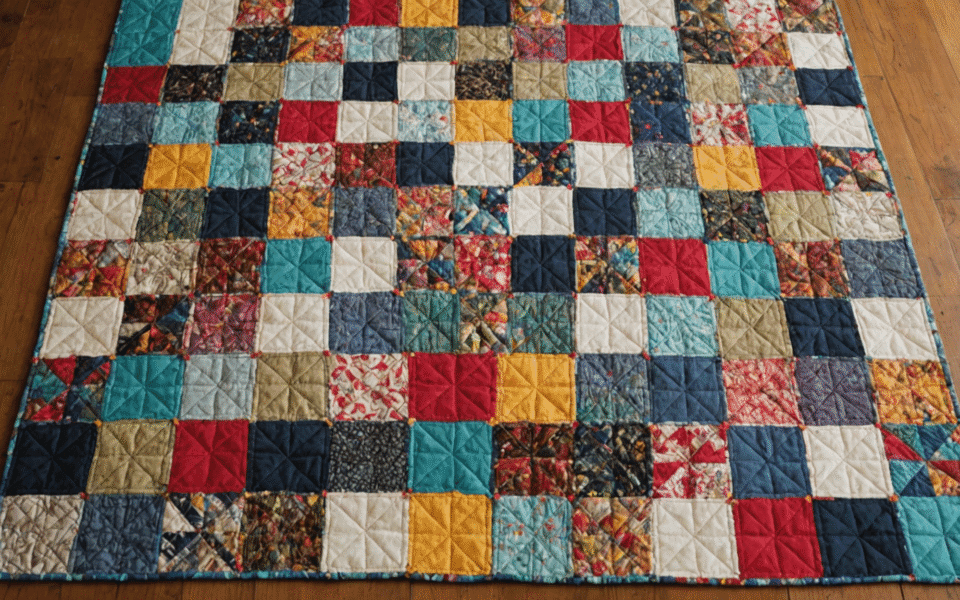
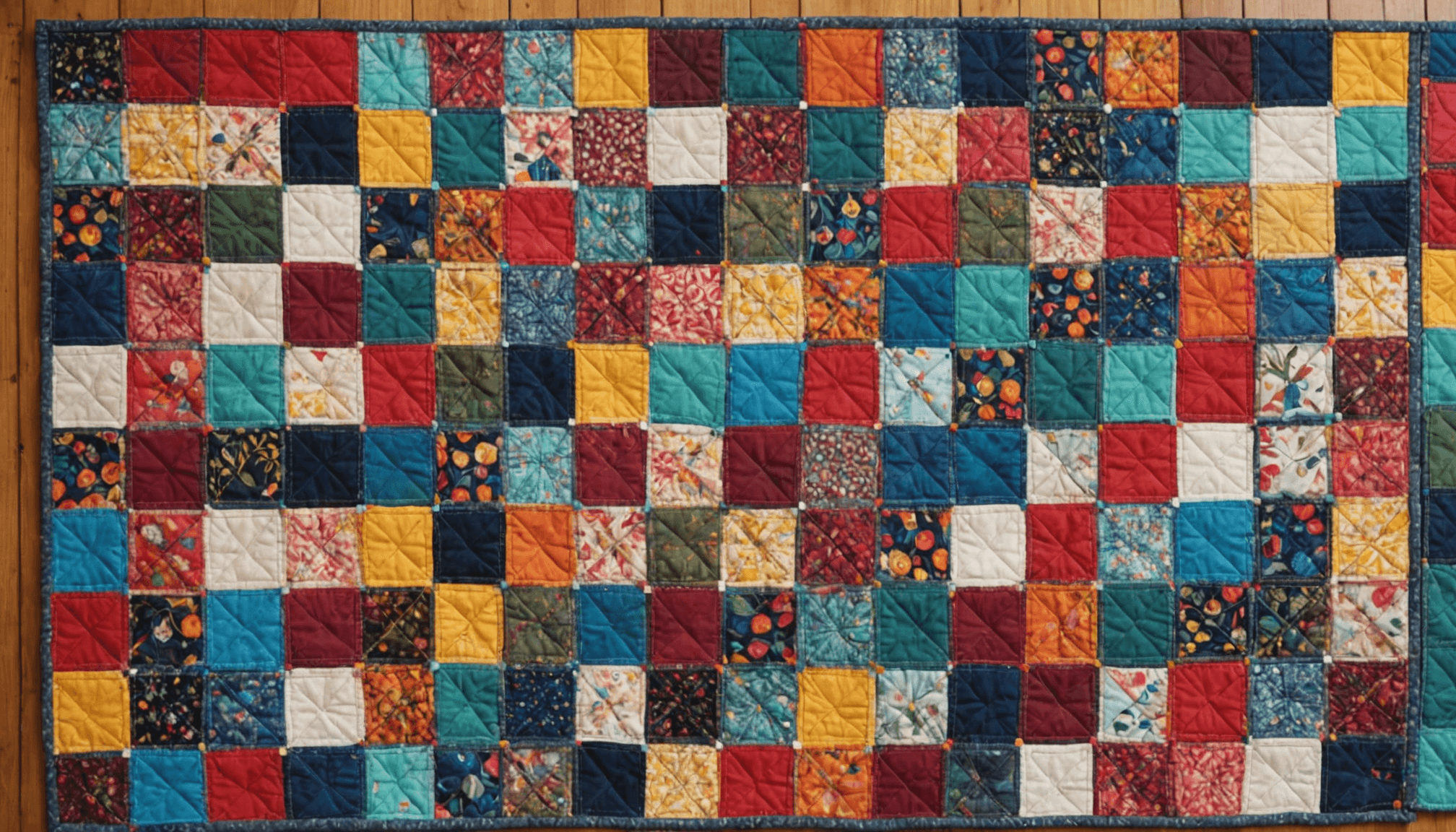
Consider items like fabric scraps left over from previous sewing projects. These remnants can be cut into shapes to create patchwork designs or even become the backbone of a charming quilt. You can also look at old clothing; with a few stitches, jeans can be turned into stylish tote bags, or t-shirts can be woven into unique wall hangings. Each piece you collect tells a story and holds memories, transforming your recycled materials into cherished creations.
Don’t overlook the potential of cardboard boxes, either. They can be cut, painted, and assembled into colorful organizers or toys for children. Egg cartons can serve as a fun base for painting activities, allowing for vibrant creations ranging from flowers to insects. By viewing everyday waste as a treasure trove, you not only engage in eco-friendly practices but also tap into the pure joy of crafting. Embrace these materials you would typically disregard, and let them inspire a new series of upcycled crafts that reflect your personal aesthetic and creativity.
Unique ideas for upcycling
One of the most exciting aspects of upcycled crafts is the endless variety of creative projects you can undertake. For instance, transforming old furniture can breathe new life into your living space. Consider repainting or reupholstering a vintage chair, giving it a fresh, modern look while retaining its unique character. You might also turn wooden pallets into outdoor furniture, garden planters, or even a vertical herb garden, each option enhancing your home’s aesthetic and functionality.
Another innovative idea is to use plant cuttings or old ceramic dishes to create beautiful garden decor. Broken pottery can be repurposed into stunning mosaics for flower pots, stepping stones, or decorative borders in your garden, allowing you to add artistic flair using materials that might otherwise be discarded. Old glass bottles can serve as colorful vases or garden lights when filled with fairy lights, adding ambiance to any outdoor space.
Old toys also offer a wealth of potential. A broken dollhouse can be reimagined as a whimsical birdhouse, or pieces of a jigsaw puzzle can be fashioned into unique wall art. Additionally, using scrap metal to create sculptures not only showcases your artistic talent but also highlights the beauty of reclaimed materials in surprising forms.
- Repurpose fabric scraps into colorful, patchwork quilts or tote bags to give old clothing a new life.
- Old furniture can be refreshed with paint or new upholstery, turning unwanted items into stylish home decor.
- Use broken ceramic dishes to create mosaics for gardens or home projects, making art from what would be waste.
- Glass bottles can be transformed into outdoor lanterns or vases with a bit of creativity and string lights.
- Old toys can serve as a base for unique art projects, encouraging imaginative reuse of materials.
Step-by-step guides for popular crafts
 When starting any crafting project, there can be challenges that may detract from the enjoyment and outcomes of your work. One common mistake is not adequately preparing your materials before diving into the creative process. For example, assuming that items like glass jars or bottles are ready to use without proper cleaning can lead to issues later on, such as lingering odors or residue affecting your finished product. Always ensure materials are clean and dry; this small step can have a significant impact on the final appearance of your upcycled crafts.
Another frequent error is overestimating the durability of recycled materials. While they can be sturdy, many items, like cardboard or paper-based products, may not stand up to certain uses without additional reinforcement. For projects intended for outdoor use, consider applying a protective sealant or using more durable materials to enhance the lifespan of your craft. Understanding the properties of each material will help you choose the right approach for your projects and prevent frustration down the line.
Time management is also crucial. Many creators underestimate how long a project will take, particularly with upcycled crafts that may involve multiple steps, like assembling, painting, or waiting for glue to dry. To avoid rushing or becoming overwhelmed, allocate realistic time slots to each phase of the project. If working with children, break the project into smaller sessions to maintain engagement and enthusiasm without fatigue.
Lastly, overlooking the potential of a simple concept can lead to uninspired creations. Embrace experimentation by allowing yourself to explore different techniques and ideas, rather than adhering strictly to tutorials. Try combining various materials in unexpected ways or repurposing items for purposes you had not initially considered. This expanded perspective can bring about innovative results and endless eco-friendly ideas, making each crafting experience rewarding.
By being mindful of these common pitfalls and avoiding them, you can make the most out of your recycled materials and genuinely enjoy the process of creating unique and sustainable crafts. Engaging in thoughtful preparation and staying open to new ideas will enhance your crafting journey while supporting your creative endeavors.
Eco-friendly benefits of recycled arts
Engaging in recycled arts not only ignites creativity but also fosters a profound connection with the environment. Each upcycled craft serves as a tangible reminder of our impact on the planet, highlighting the importance of reducing waste and embracing sustainability. By choosing to repurpose materials that would otherwise contribute to landfills, you actively participate in creating a cleaner, greener world.
Recycling brings about significant environmental benefits, including reduced energy consumption, lower greenhouse gas emissions, and the conservation of natural resources. For instance, recycling paper saves trees and decreases the need for harmful chemicals used in processing. Similarly, transforming plastic bottles into new items cuts down on the energy used in producing new plastic, sparing countless resources and promoting a circular economy.
Moreover, engaging in eco-friendly ideas through crafting not only nurtures creativity but also sets an example for others. By showcasing these projects, you inspire friends and family to consider the impact of waste and encourage them to explore their own creative outlets. Each craft can be a discussion starter about environmental responsibility, making art a powerful vehicle for education and change.
The joy of upcycled crafts lies in their ability to unite pleasure and purpose. As you create, you embody the principle of thoughtful consumption, reminding yourself and those around you of the significance of sustainability. Whether you’re turning old fabric into a vibrant quilt or repurposing glass jars into decorative pieces, you contribute to a movement that values creativity, resourcefulness, and ecological awareness.
Let your passion for eco-friendly arts inspire others. Every project not only symbolizes ingenuity but carries a larger message: that by choosing to recycle and upcycle, we all have the power to make a positive difference in our communities and the planet. Get started today, knowing that your creative efforts are shaping a future where art and environmental stewardship go hand in hand. Embrace the transformative journey of crafting, and let your imagination lead the way toward a sustainable tomorrow!
Tips for sourcing materials and inspiration
- What are some common materials I can use for recycled arts and crafts?
- Common materials include glass jars, cardboard, fabric scraps, old clothing, plastic bottles, and newspapers. Almost any item that you would typically discard can be repurposed into a creative project.
- How do I ensure my recycled materials are safe to use?
- Before using recycled materials, always clean them thoroughly to remove any residue or odors. For items like glass jars or bottles, ensure they’re free from sharp edges after cutting or modifying.
- Can children participate in upcycled crafts?
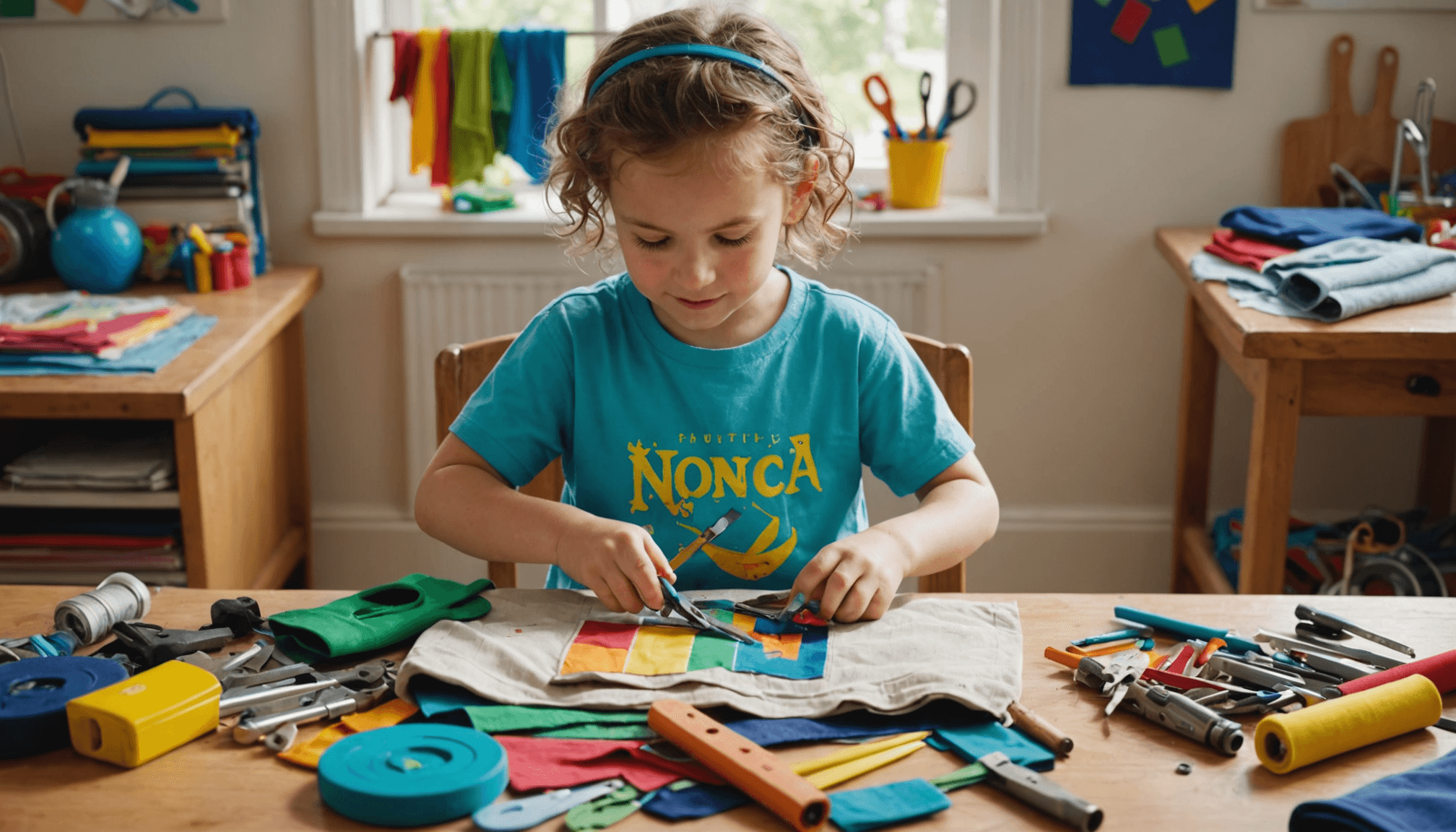
- Absolutely! Upcycled crafts are a great way for children to engage in creative activities. Just be sure to supervise them, especially when using tools or working with potentially hazardous materials.
- What are some easy upcycled craft ideas for beginners?
- Beginner-friendly projects include turning old t-shirts into tote bags, making greeting cards from old magazines, or creating decorative containers from glass jars. These projects are simple yet allow for plenty of creativity.
- How can I find inspiration for recycled arts and crafts?
- Inspiration can often be found in nature, online platforms like Pinterest or Instagram, or local art shows. Don’t hesitate to think outside the box and use your surroundings to spark new ideas.
- Do upcycled crafts really make a difference environmentally?
- Yes, upcycled crafts significantly reduce waste, conserving resources and reducing the energy needed for new materials. Each project contributes to a more sustainable and eco-friendly approach to art and crafting.
- What should I do if I encounter challenges during my craft project?
- First, take a moment to reassess the project and gather any additional materials or tools you may need. If you’re feeling stuck, consider looking for solutions online or asking fellow crafters for advice to overcome any obstacles.
