




Unique Arts and Crafts Ideas for Adults

- Creative Techniques for Unique Art Projects
- Upcycling Materials for Stunning Crafts
- Exploring Mixed Media Art Forms
- Seasonal Crafts to Brighten Your Space
- Mindfulness Through Arts and Crafts Activities
When we delve into the world of arts and crafts, the journey is as important as the finished piece. Creative techniques can transform simple materials into stunning artwork that reflects your individuality. Whether you’re looking to add a personal touch to your home decor or simply want to explore new avenues of expression, experimenting with different techniques can unlock your artistic potential.
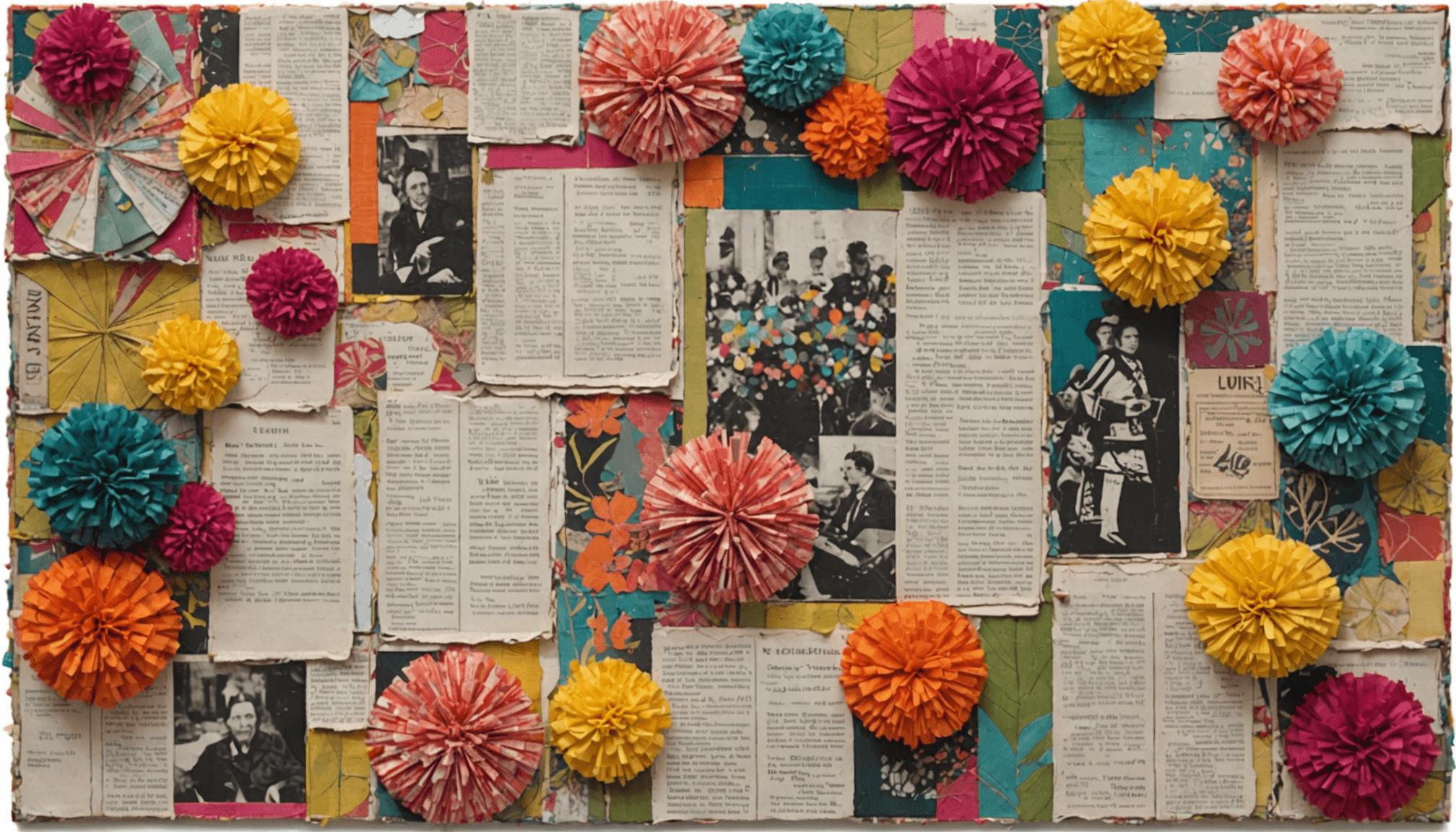
One popular method that has gained traction among avid crafters is the use of layering. This technique can be applied using various materials such as fabric, paper, and even found objects. Imagine creating a vibrant mixed media canvas where different textures are seamless against one another. Start with a base layer of painted canvas, then add torn newspaper clippings or fabric scraps that catch your eye. The key here is to keep layering until you achieve a rich, dimensional effect. You can finish it off with stitching or embroidery to further accentuate the interplay of materials. This not only enhances the visual appeal but also adds that all-important handmade art charm.
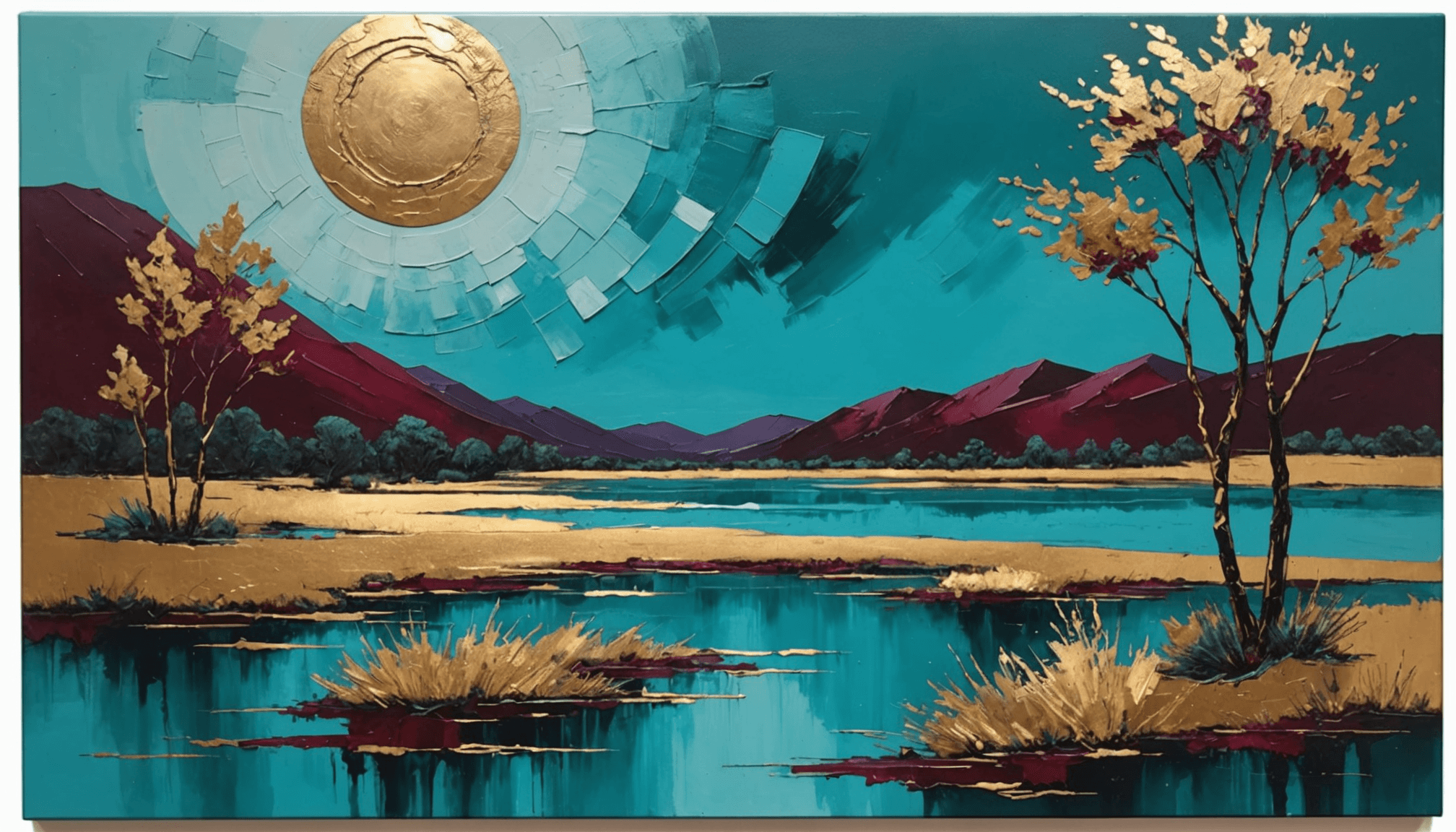
Another innovative approach is to embrace unconventional tools. Think beyond brushes or traditional sewing needles. How about using a spatula or old credit cards to scrape paint onto your canvas, creating an unexpected texture? In the realm of embroidery, consider using non-standard threads like metallic or glow-in-the-dark to stitch designs that come alive at night. These creative techniques not only make your projects unique but can also serve as conversation starters when you display them at home.
Tassels and pom-poms, for instance, have made a major comeback as decorative elements. You can make them by hand and attach them to your projects for that added flair. Craft a wall hanging featuring these colorful adornments, pairing them with stitched motifs that speak to your style. This blend of techniques not only results in a stunning piece of home decor but also gives insights into your creative journey.
Don’t forget about experimenting with color. Techniques such as color blocking can produce striking results, especially when combined with different patterns. Create a minimalist cross-stitch piece that uses just two or three contrasting colors but employs bold shapes and lines. This creates a focal point while allowing your unique artistic voice to shine through.
Lastly, consider collaboration as a technique in itself. Partnering with fellow artists can introduce you to fresh ideas and styles. Why not host a crafting night where you and your friends explore new methods together? This not only fosters creativity but creates beautiful memories and finished projects that have a story behind them. Your unique projects become a blend of your elements and your friends’ unique touches.
By integrating these creative techniques into your projects, you’ll not only elevate your craftsmanship but also stay aligned with current trends. Remember, the only rule in arts and crafts is there are no rules, so let your imagination soar!
Upcycling Materials for Stunning Crafts
Transforming everyday items into stunning crafts is an exciting way to express creativity while also being eco-friendly. Upcycling allows you to give new life to materials that might otherwise be discarded, turning them into beautiful, functional pieces for your home. A great starting point for upcycling is to assess what you already have on hand—old clothing, jars, furniture, or even paper—before embarking on your crafting journey.
For a fun and visually impactful project, consider using glass jars as vases or storage solutions. Simply clean them, remove labels, and decorate them with paint, twine, or fabric. You can create a cohesive look by using jars of varying heights and widths, all painted in a similar color palette. These DIY vases can be used to display fresh flowers or can serve as stylish organization for small items around the house.
Another popular method is reimagining old furniture. Instead of discarding a worn-out chair or table, breathe new life into it with paint or new upholstery. Try using bright colors or bold patterns to give the piece a modern twist. Adding stencils or decals can create custom designs that reflect your style. This not only makes for a unique piece of home decor but also adds a personal touch to your living space.
Fabric scraps can also lend themselves well to upcycling projects. Create a beautiful patchwork wall hanging or a cozy throw blanket by sewing together various pieces. This not only reduces textile waste but gives you the opportunity to showcase your fabric collection and create a handmade art piece that is both functional and decorative.
When it comes to paper, save those old magazines and newspapers! They can be transformed into collages, cards, or even handmade journals. Try cutting out images and words that resonate with you to create a unique piece of art that tells a story or evokes a feeling.
Here are a few important tips for successful upcycling projects:
- Start small with projects that can be completed in a few hours, building your confidence as you go along.
- Don’t be afraid to mix and match materials—combining different textures can create stunning visual effects.
- Consider the functionality of the item you are upcycling; make sure it not only looks great but serves a purpose.
- Involve friends or family in your projects to inspire collaboration and creativity.
- Document your upcycling journey, whether through photos or a blog, to inspire others to think twice before tossing their unused items.
Through these projects, you’ll discover that upcycling is not just about crafting but also about appreciating the beauty in what can be created from the ordinary.
Exploring Mixed Media Art Forms
 As you dive into mixed media art forms, it’s easy to become overwhelmed by the plethora of materials and techniques available. A common mistake is not planning your project before diving in, leading to a chaotic piece that lacks cohesion. To avoid this, take the time to sketch out your vision or make a list of materials you’ll need. This initial step will help you create a roadmap for your project, ensuring that each element works harmoniously together.
Another frequent pitfall is the tendency to overcomplicate your artwork by adding too many layers or elements. This can result in a cluttered and unfocused piece. Aim for balance by selecting a limited number of materials and sticking with them throughout your artwork. For instance, choose three to five colors or textures that complement each other. This restraint often leads to more striking and visually appealing results.
Additionally, beginners often fear making mistakes or ruining their work, which can stifle creativity. Embrace the idea that mistakes can lead to unexpected and beautiful outcomes. If something doesn’t go according to plan, consider how you might incorporate that error into your piece. For example, a paint spill might create an interesting dripped effect that adds character to your artwork.
Using inappropriate adhesives or mediums can also sabotage your project. Each material may require a specific type of glue or medium to adhere properly. Research the best options for the materials you’re using to ensure a lasting and durable finished piece. This knowledge is particularly essential when combining porous items, like paper, with non-porous items, like plastic or glass; the wrong adhesive can weaken the bond and lead to a disjointed piece over time.
Don’t overlook the importance of texture when exploring mixed media. Beginners often stick to flat surfaces without considering how layering different textures can add depth to their artwork. Take the time to experiment with rough, smooth, shiny, and matte finishes. By incorporating varied textures, you create visually engaging and tactile pieces that draw people in.
Finally, sharing your work with others can be intimidating, but it’s an essential part of the creative process. A common error is isolating oneself to the point of missing out on constructive feedback. Participating in local art groups or online forums can provide valuable insights and encouragement. Additionally, consider attending workshops where you can learn new techniques and connect with like-minded individuals who can inspire you in your mixed media journey.
In mixed media art, the possibilities are endless. By being aware of these common pitfalls and implementing strategies to navigate around them, you’ll not only enhance your skills but also be able to create stunning, cohesive handmade art that reflects your unique style and creativity.
Seasonal Crafts to Brighten Your Space
Transform your space and celebrate the rhythm of the seasons with delightful crafts that not only brighten your surroundings but also reflect your personal flair. Seasonal crafts provide an exceptional opportunity to infuse your home decor with vibrant colors, textures, and themes that resonate with various times of the year, creating an ever-evolving atmosphere.
During spring, consider welcoming the season with floral arrangements crafted from paper or fabric. Engage in making paper flowers using colorful cardstock or upcycled fabric, and arrange them in repurposed jars or vases to serve as lovely centerpieces. You can also add a touch of whimsy by incorporating painted rocks as garden markers or decorative elements on a spring-inspired wreath. This can easily be hung on your front door as a warm invitation to guests.
Summer brings with it the promise of brighter colors and outdoor gatherings. Embrace this season by creating your own outdoor lanterns using mason jars wrapped in twine or jute and filled with string lights. Not only do these add a cozy ambiance for summer nights, but they also serve as a beautiful complement to any garden or patio decor. To further elevate your outdoor aesthetic, try crafting colorful painted plant pots that reflect your summer vibe—choose bold hues or playful patterns that echo the lively spirit of the season.
As autumn settles in, the focus turns to warmth and natural elements. This is the perfect time to explore projects that celebrate the beauty of fall, such as crafting garlands made from leaves, acorns, and pinecones. String these elements together to create a stunning display that can drape along your mantel or hang above a dining table, ushering in the rich colors of the season. Don’t overlook the opportunity to turn old sweaters into cozy pumpkin decorations, giving them a new life as charming home decor pieces that evoke the spirit of fall harvest.
When winter arrives, tap into the charm of holiday-themed crafts. Handmade ornaments can be a fun activity to share with family and friends—try creating salt dough ornaments that can be painted or decorated with glitter. These ornaments can be hung on your tree or given as thoughtful gifts. Additionally, consider crafting festive wreaths adorned with pine needles, berries, and ribbons that exude holiday cheer and can be displayed throughout the winter months.
To engage in seasonal crafts is to not only create beautiful handmade art for your home but also to cultivate a spirit of joy and creativity that spills into your everyday life. Gather your supplies, set aside some time, and let the changing seasons inspire your artistry. No matter what time of year it is, your unique creations can serve as a reflection of your style, inviting warmth and a touch of magic into your living space. Embrace your creative journey—let your hands create, and watch your home transform into a canvas of seasonal splendor!
Mindfulness Through Arts and Crafts Activities
- What are some benefits of engaging in arts and crafts for adults?
- Engaging in arts and crafts can significantly reduce stress and anxiety by promoting mindfulness and concentration. Additionally, these activities foster creativity, allowing for personal expression and the creation of unique pieces that can enhance home decor.
- Can arts and crafts be a form of therapy?
- Absolutely! Many therapeutic practices incorporate arts and crafts as a means to express feelings and improve mental well-being. The process of creating can serve as a powerful outlet for emotions, providing a sense of accomplishment and joy.
- Do I need special skills to start with arts and crafts?
- No special skills are required to start; arts and crafts can be enjoyed by anyone, regardless of experience. Beginners can start with simple projects and gradually explore more complex techniques as they build confidence and skills.
- What materials do I need for basic crafts?
- Basic crafting materials can vary depending on the project, but common items include scissors, glue, paper, fabric, and paints. It’s best to start with a few versatile supplies and gradually expand your collection as you explore different crafts.
- How can I find inspiration for my crafts?
- Inspiration for crafts can come from various sources including nature, art books, social media platforms like Pinterest and Instagram, or simply around your everyday life. Joining crafting communities can also spark new ideas and provide a space to share experiences.
- Can arts and crafts be a group activity?
- Yes, crafting can be a wonderful group activity! Hosting crafting nights with friends or family allows for collaboration, sharing of ideas, and building connections while enjoying the creative process together.
- Are there specific crafts that promote mindfulness?
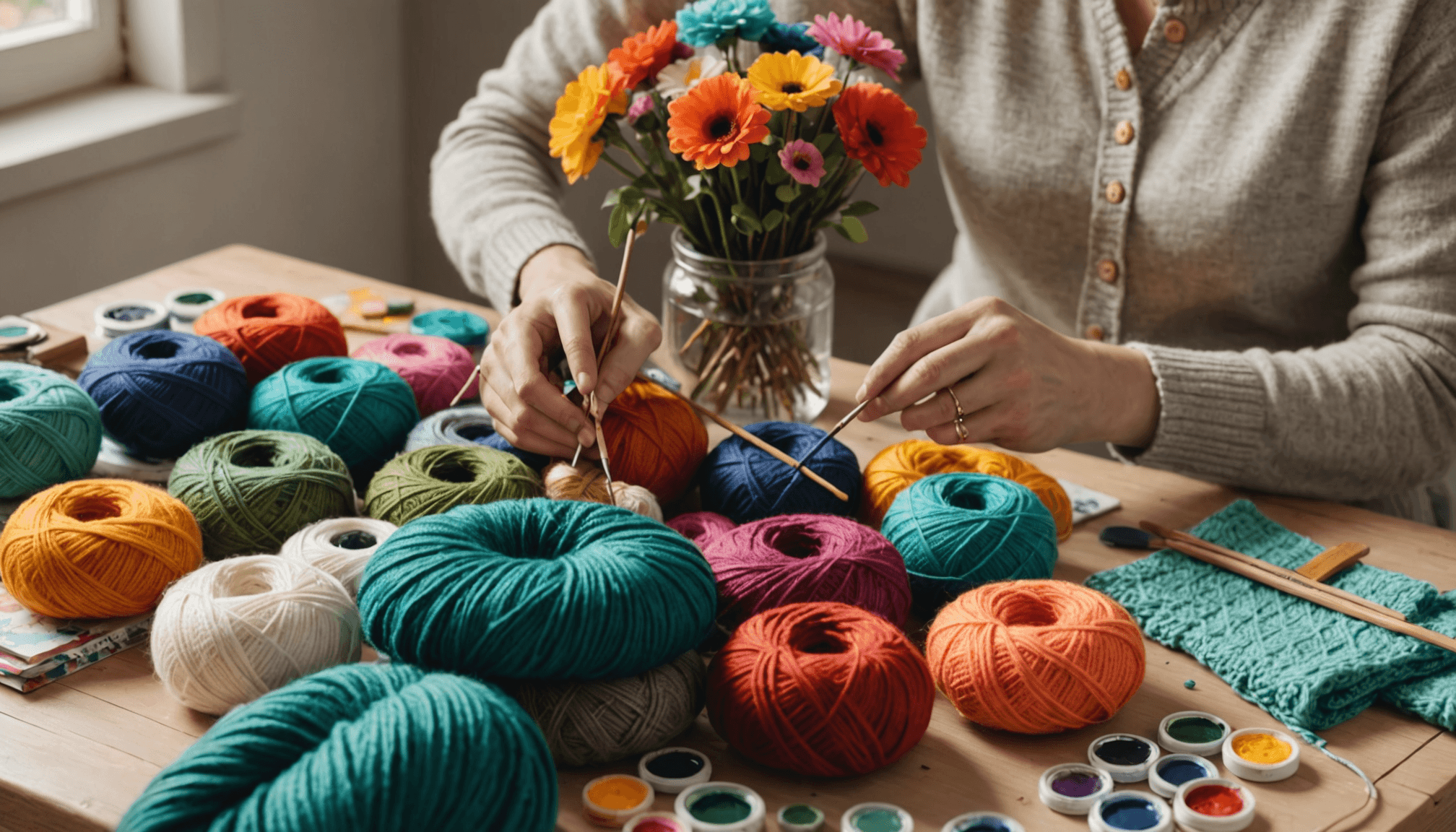
- Certain crafts such as knitting, painting, or pottery are particularly conducive to mindfulness as they require focus and presence in the moment. These activities can facilitate a peaceful state of mind and encourage relaxation through repetition and concentration.
