



Simple Arts and Crafts Ideas for Kids

- Creative Materials to Get Started
- Fun and Easy Craft Projects
- Seasonal Arts and Crafts Ideas
- Tips for Encouraging Creativity
- Safety Considerations for Kids’ Crafts
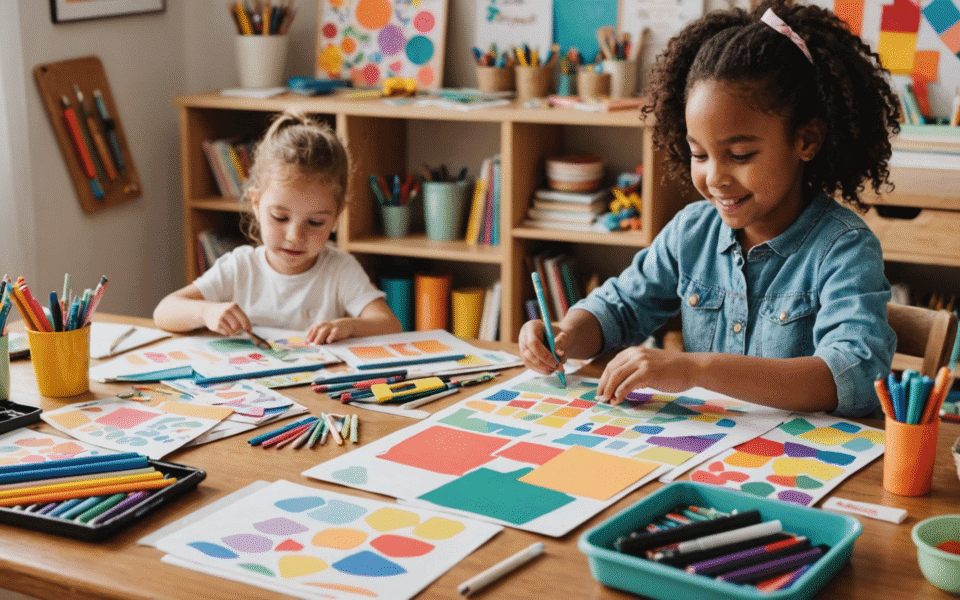
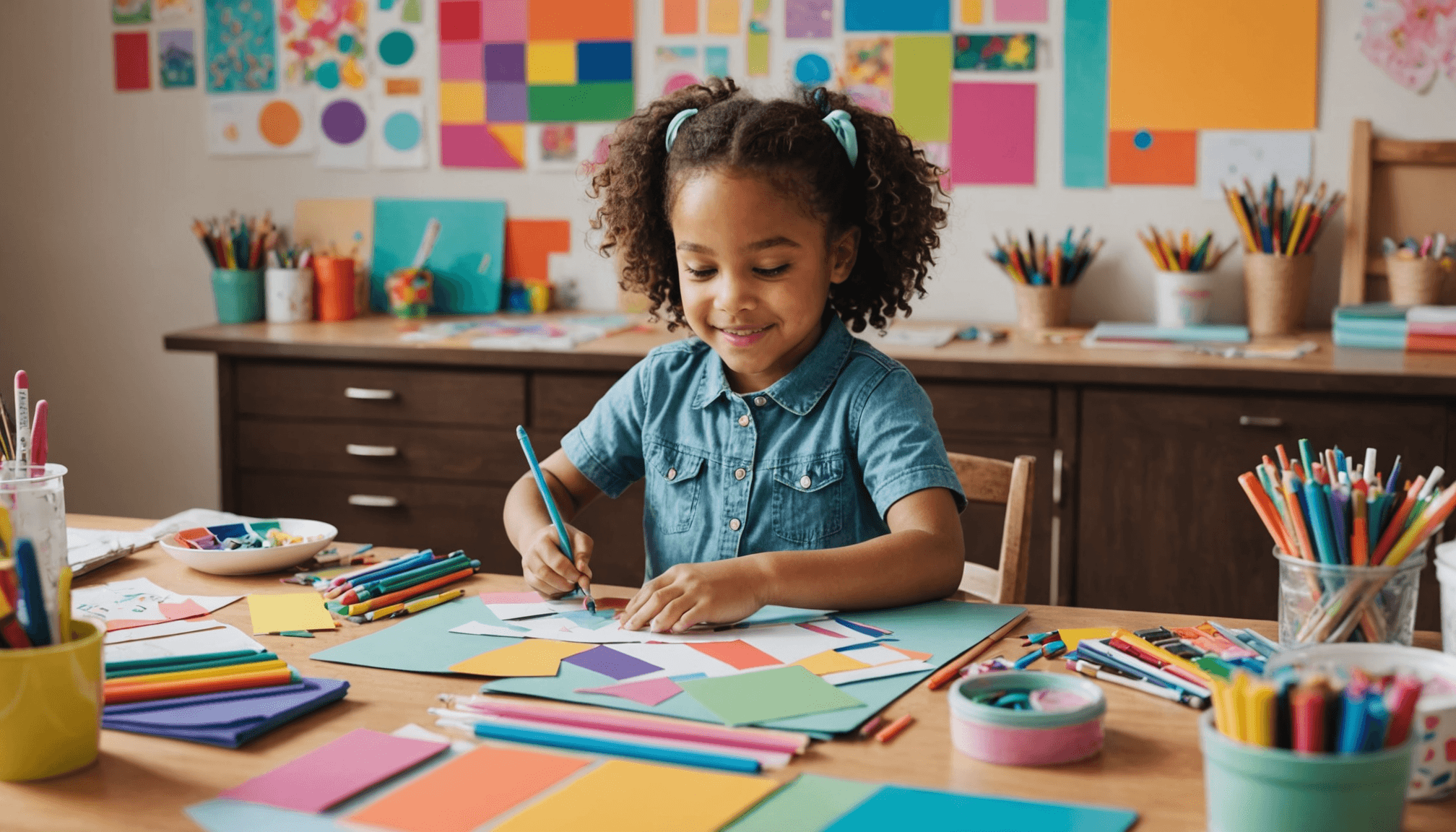
Creating a well-stocked craft space is the first step toward igniting creativity in your little ones. Investing in a range of materials not only keeps kids engaged but also allows for versatility in their artistic expression. Begin with the basics: colored paper, including construction and scrapbook varieties, serves as a fantastic canvas for countless projects—from card making to collage.
Next, consider adding different mediums to your collection. Watercolors, markers, and colored pencils offer variety in technique and style, while glue sticks and washable glue are essentials for any craft creator. Don’t forget about textures! Incorporate materials like fabric scraps, yarn, or felt; these are perfect for enhancing DIY activities that require a bit of tactile exploration. Beads and buttons can transform a simple art project into a colorful creation, giving children the opportunity to practice fine motor skills while they craft.
Incorporating recycled materials can also foster a sense of resourcefulness and environmental awareness. Empty jars, toilet paper rolls, and egg cartons can be turned into imaginative models or organizers. Encourage your kids to see these everyday items as potential treasures.
For those who want to dive deeper into the world of cross-stitch or embroidery, stock up on embroidery floss in a rainbow of colors, along with a variety of fabric bases—like Aida cloth or canvas. These materials lend themselves to creating everything from cute designs to personalized gifts. Don’t overlook embroidery hoops for easy handling while sewing; they provide stability, making the craft more enjoyable for young hands.
Lastly, involve your kids in the organization of their craft space. Allow them to choose storage solutions such as colorful bins or repurposed containers, helping them develop a sense of ownership over their creative journey. This not only keeps things tidy but also encourages them to think about what materials excite them the most. With a treasure trove of supplies at their fingertips, the fun projects they embark upon will be limited only by their imagination!
Fun and Easy Craft Projects
One of the most enjoyable aspects of engaging in arts and crafts with kids is the plethora of fun projects that can spark their imagination. Starting with simple DIY activities can help ensure that children remain interested and excited about creating. Here are a few standout projects that are both entertaining and easy to execute:
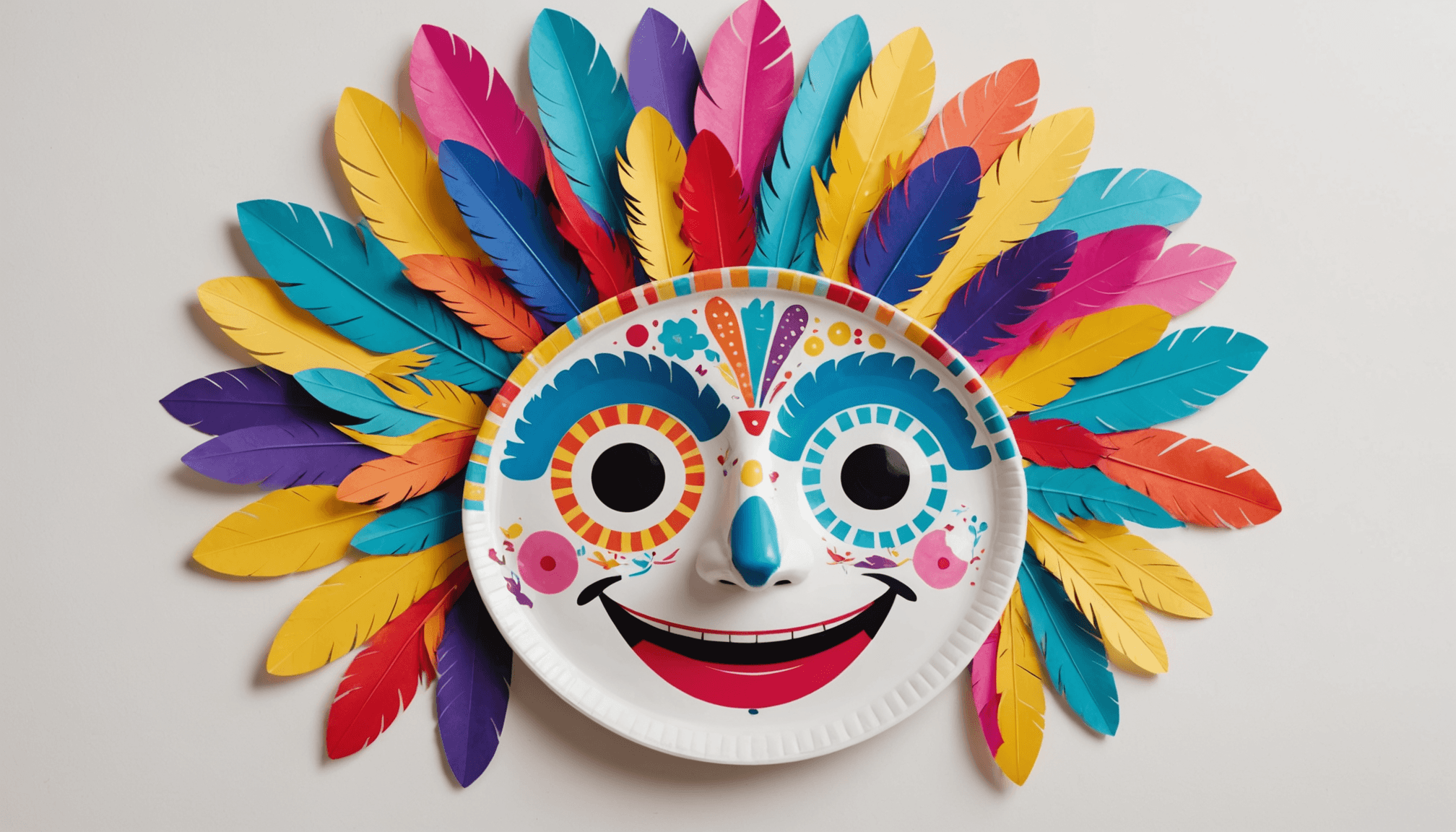
Begin with a simple paper plate mask. All you need are paper plates, markers, scissors, and elastic string. Kids can design characters or animals by cutting out eye holes and decorating the plate with paint or markers. Once they’re happy with their creations, attach the string so they can wear their masks. This craft is not only fun, but it also encourages dramatic play.
Next, consider making homemade greeting cards. Using construction paper, stickers, and other decorative elements, children can craft unique cards for birthdays, holidays, or just to say hello. This project enhances their creativity while also teaching them the importance of thoughtful gestures.
For a more tactile project, try creating a sensory bin. Fill a shallow plastic container with various materials like rice, beads, or sand, and then provide tools such as scoops or small toys for kids to explore. Sensory bins are fantastic for imaginative play and can be tailored to different themes, such as the ocean or a garden.
Another popular choice is rock painting. Collect smooth stones from outside and allow kids to paint them with bright colors or patterns. Not only does this project beautify the garden or home, but it also teaches kids about nature and encourages them to express themselves artistically.
Lastly, don’t underestimate the timeless joy of making friendship bracelets. Using colorful thread or beads, kids can learn simple braiding techniques while creating meaningful gifts for their friends. This not only hones fine motor skills but also fosters a sense of connectivity and thoughtfulness.
- Encourage kids to explore various types of materials, as this can inspire creativity and imaginative play.
- Keep projects simple to maintain engagement; success in smaller tasks boosts confidence.
- Incorporate seasonal themes into crafts to make projects relevant and fun throughout the year.
- Encourage collaboration by having kids work on projects together; this helps build teamwork and social skills.
- Have various examples or pictures available for inspiration, as visual aids can help spark creativity.
Seasonal Arts and Crafts Ideas
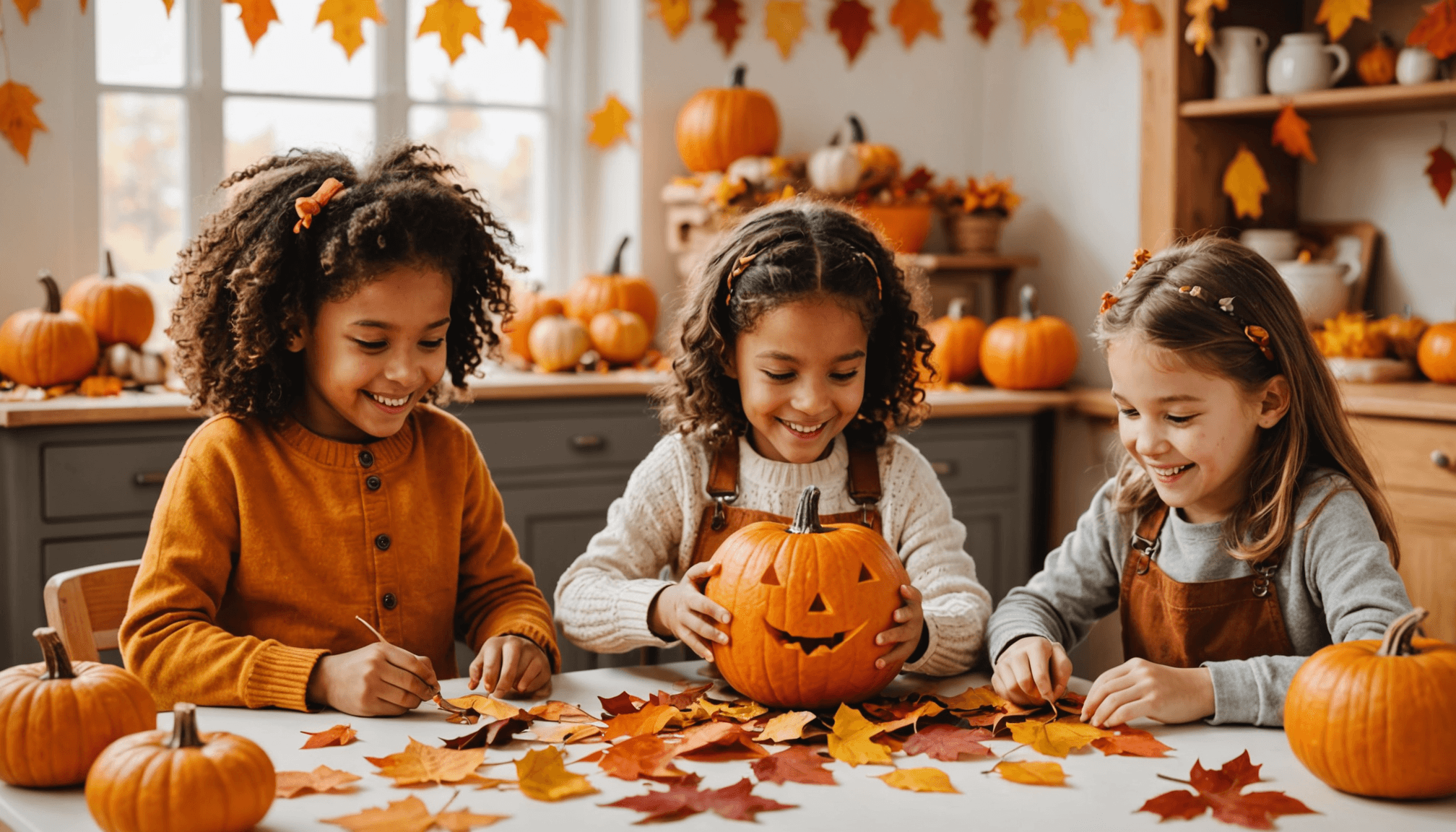 When it comes to seasonal arts and crafts, many people make the mistake of not aligning their projects with the seasonal themes or festivities. It’s important to choose ideas that reflect the time of year—this keeps the activities fresh and exciting. For example, during fall, crafting with leaves or making pumpkin decorations can create a more engaging experience for kids. To avoid missing out on the seasonal spirit, plan ahead. Create a list of seasonal activities suitable for each time of the year, ensuring that you have a variety of options ready when the season arrives.
Another common error is overcomplicating projects. While complex DIY activities can certainly be fun, they can also frustrate young crafters. To keep kids engaged, focus on simple fun projects that can be completed in a short amount of time. If a project requires multiple steps or extensive supervision, it’s easy for kids to lose interest. Stick to straightforward designs that they can execute with minimal guidance, ensuring success and enjoyment.
Some people also forget to consider the age and skill level of the children involved. A project that may be perfect for older kids can prove too challenging for younger ones, leading to disappointment. Tailor your seasonal crafts to be age-appropriate. Research a range of ideas and be flexible—what works for one group might not work for another. Encourage kids to make modifications or express their own style within the project to keep them engaged.
Additionally, it’s crucial to always have the necessary materials on hand before starting any craft. Many parents start crafting without checking if they have all the supplies needed, only to find themselves scrambling midway through the project. To avoid interruptions, build a well-stocked craft area that includes seasonal materials, ensuring you are ready to dive into holiday-themed crafts whenever the mood strikes.
Lastly, don’t overlook the importance of cleanup after crafting sessions. Seasonal arts and crafts can get messy, and failing to address this can deter parents from engaging in future DIY activities. Make cleanup a fun part of the process. Involve the kids by turning it into a game—who can put away the most items in a minute? By keeping the crafting space organized, you foster an environment where kids can feel excited about starting new projects without fearing the mess.
Tips for Encouraging Creativity
Encouraging creativity in children is about creating an environment where they feel free to express themselves and explore new ideas. Start by fostering an atmosphere of curiosity. Allow kids to ask questions and speak freely about their interests. Make it a point to actively listen to their ideas, no matter how wild or unconventional they may seem. This shows them that their thoughts are valued and can spark a fire of imagination.
Offer opportunities for open-ended projects that do not have a fixed outcome. Instead of providing them with a specific template, give them basic materials and let their creativity run wild. For example, hand them a roll of duct tape, some colored paper, and scissors, and let them create whatever they envision. They’ll surprise you with what they come up with when they are free from constraints.
Encouraging play-based learning is also crucial. Integrate fun projects into their daily routine that combine learning and crafting. For instance, if they are fascinated by animals, you could engage them in a crafting session where they create their favorite animal out of clay or paper. This not only enhances their crafting skills but also ties in educational elements, making learning fun.
Involve family members in crafting sessions. Collaborative projects can be bonding experiences that help children understand teamwork and the joy of sharing ideas. Create family art nights where everyone contributes to a large piece of artwork or creates individual projects side by side. This approach shows kids that creativity knows no age limit and can be a collective experience.
Encourage them to document their creative processes. Keeping a scrapbook or journal of their projects, ideas, and drawings can help kids reflect on their growth as artists. This reflection not only boosts their confidence but also encourages them to set and achieve personal creative goals.
Lastly, be a source of inspiration by showcasing various artistic styles and cultures. Expose children to different art forms, whether through visits to art museums, virtual galleries, or by exploring diverse artists’ works. Use these inspirations to jump-start their own projects, helping them to see creativity as a broad landscape of possibilities.
By nurturing these practices, you can contribute significantly to your child’s creative development. Remember, the most important ingredient is to keep it fun and allow space for imagination to flourish. Kids crafts and DIY activities are not merely tasks; they are gateways to creativity, self-expression, and boundless joy. Let their artistic journey begin!
Safety Considerations for Kids’ Crafts
- What age is appropriate for kids to start doing crafts?
- Children can start engaging in simple crafts as early as two or three years old, with age-appropriate activities tailored to their developmental skills. As they grow, you can introduce more complex DIY projects appropriate for their age and skill level.
- Are there any non-toxic materials I should use?
- Yes, always prioritize non-toxic, washable materials for kids crafts to ensure safety. Look for paints, glues, and markers specifically labeled as non-toxic and safe for children.
- How do I make sure my kids are safe while crafting?
- Supervision is key to keeping kids safe during craft activities. Be attentive when they use scissors or any cutting tools, and establish clear guidelines on how to handle materials safely to prevent accidents.
- What can I do with leftover craft materials?
- Leftover materials can be stored for future projects or repurposed in various ways. Encourage your children to think creatively by using scraps to make new creations or as part of mixed media art.
- Are there specific art supplies I should avoid for young children?
- Avoid art supplies that contain small parts or potential choking hazards, as well as anything with sharp edges. Also, be cautious with products that have strong odors or are difficult to clean.
- Can craft activities support my child’s learning?
- Absolutely! Engaging in crafty DIY activities helps develop fine motor skills, creativity, and problem-solving abilities. Many projects can also incorporate educational themes, enhancing their learning experience.
- What are some good beginner projects for young crafters?
- Beginner projects could include activities like paper plate masks, simple friendship bracelets, or rock painting. These fun projects are easy to execute, ensuring success and boosting confidence in young artists.
