



DIY Arts and Crafts Projects for Kids and Adults

- Fun and Engaging Projects for Kids
- Creative Craft Ideas for Adults
- Seasonal and Holiday-Themed Crafts
- Budget-Friendly Materials and Tools
- Tips for Successful DIY Crafting
Creating engaging projects for kids not only sparks their creativity but also enhances fine motor skills and encourages bonding with family. Activities such as cross-stitching can be a delightful way to introduce children to the world of crafting, and they can transform simple patterns into cherished keepsakes. Imagine a simple landscape pattern where kids can select their preferred colors to stitch vibrant flowers or a sunny sky, turning an age-old craft into a canvas of personal expression.
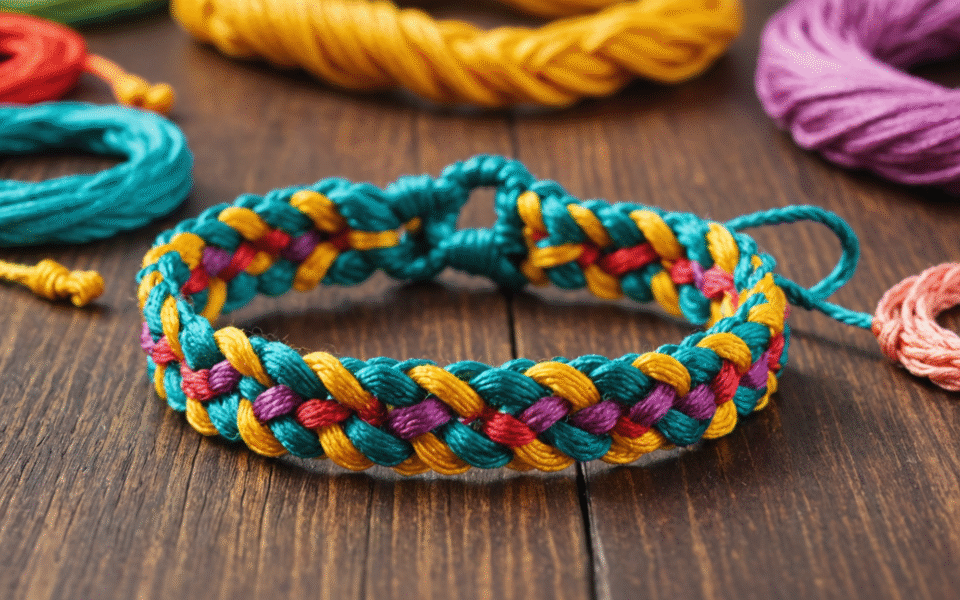
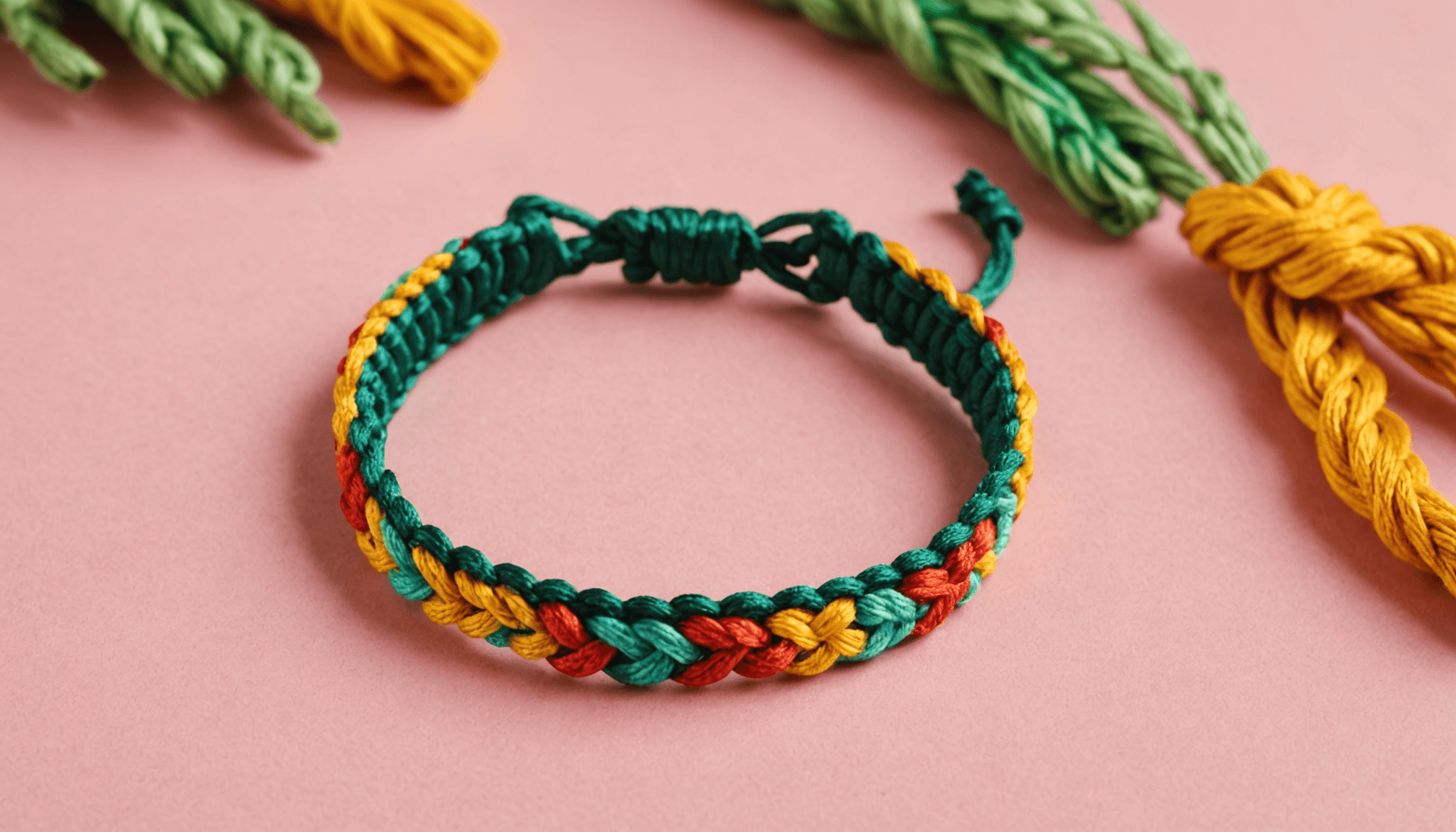
One delightful project is making DIY friendship bracelets using basic embroidery floss. Kids can learn how to create colorful braids or knots, allowing them to explore different textures and patterns while having fun with their friends or siblings. Pair it with a mini competition for the most creative design, where each child presents a bracelet reflecting their personality or favorite color scheme. This not only fosters creativity but also builds social skills as they share their crafty outcomes with pride.
Another engaging craft is creating a seasonal wall hanging using a mix of cross-stitch and simple sewing techniques. Seasonal themes such as autumn leaves or winter snowflakes can be stitched onto felt, which kids can then decorate with beads or buttons for added flair. This project not only teaches them the art of layering in their designs but also results in a decorative piece they can proudly display in their rooms. As they see their creation come to life, they’ll certainly gain confidence in their crafting abilities.
For a truly multi-sensory experience, consider making DIY sensory bottles, which can be both fun and relaxing. Kids can fill bottles with items like glitter, sequins, or even colored water, creating mesmerizing visual effects. While making these sensory bottles, you can offer suggestions about color combinations and encourage them to experiment, fostering a sense of ownership over the design. Once crafted, these bottles can become a source of calm during a hectic day, making them a practical craft that blends fun with functionality.
Encouraging kids to craft their way through these projects not only enriches their creativity but also creates lasting memories to cherish as a family. By integrating a variety of materials and themes, you can inspire your young creators to express themselves while developing essential skills in the process.
Creative Craft Ideas for Adults
For adults seeking to channel their creativity, a variety of projects can be both fulfilling and enjoyable. Exploring DIY crafts not only serves as a great pastime but also enhances one’s living space with personalized items. One popular craft is creating homemade candles. By using simple materials such as wax, wicks, and essential oils, you can personalize your candles with different scents and colors. Melt the wax, add in your favorite fragrance, and pour the mixture into decorative jars. This project offers an opportunity to experiment with different scents and colors that resonate with your personal style.
Another engaging project is designing custom home decor items. Consider making a set of macramé plant hangers or wall hangings to add a bohemian touch to any room. Using cotton cord and a few basic knots, you can create intricate patterns that showcase your style and the beauty of the plants you choose to display. This craft allows you to explore the art of knots while resulting in beautiful functional decor that brings life into your home.
Resin art is also a captivating avenue for creativity. By incorporating vibrant colors, glitter, or even pressed flowers, you can create stunning coasters, jewelry, or art pieces. The process involves mixing resin and hardener, pouring it into molds, and letting it cure for a stunning finish. This activity opens up endless possibilities for artistic expression and results in unique items that you can use or gift to others.
Fabric crafting projects like sewing personalized tote bags or transforming old clothes into chic accessories can be both sustainable and stylish. By upcycling materials, you create new items while reducing waste, which provides a sense of accomplishment in turning the old into something new and trendy.
Here are some important tips to enhance your crafting experience:
- Start with clear instructions to ensure you understand the necessary steps, especially if you are trying a new technique.
- Create a dedicated crafting space with proper lighting and organized tools to facilitate your creative process.
- Experiment with different techniques and materials; don’t hesitate to mix and match to discover unique styles.
- Document your progress with photos to inspire yourself or share your creative journey with others.
- Invite friends to join your crafting sessions; this not only makes the experience more enjoyable but also encourages collaboration and the sharing of ideas.
Seasonal and Holiday-Themed Crafts
 Seasonal and holiday-themed crafts provide a fantastic way to celebrate different occasions while bringing creativity into your home. However, there are common pitfalls people often encounter when embarking on these fun projects, and recognizing these mistakes can lead to a more successful crafting experience.
A frequent mistake is not planning the project according to the seasonal timeline. Many people rush into crafting without considering how long it will take to complete, especially for projects like elaborate decorations. To avoid this, set a timeline well in advance, allowing ample time for gathering materials, crafting, and displaying your creations before the holiday arrives. Creating a calendar with specific deadlines for each step can also help you stay organized and on track.
Another error is overlooking the importance of having the right materials. Some may try to make do with whatever items are on hand, which can lead to unsatisfactory results. Spend a little time researching the best materials for your projects and invest in good-quality supplies when necessary. For instance, when making holiday ornaments or decorations, using sturdy paper or felt can make a significant difference in durability compared to flimsy materials. Always check your craft supplies before starting to ensure you have everything required to produce the best outcome.
Additionally, people often forget to consider their skill level and the complexity of the projects they choose. It’s common to select ambitious DIY projects that may be too challenging, resulting in frustration and disappointment. To prevent this, be honest about your abilities and start with simpler crafts, especially if you are crafting with children. For family crafts, opting for projects that can be completed in shorter time frames ensures everyone stays engaged and enjoys the process. Gradually work up to more complex designs as confidence builds.
Not involving everyone in the crafting process can also diminish the fun, particularly during family-oriented seasonal crafts. Some assume only one person should lead the project, which might alienate others. Instead, invite family members to contribute their ideas and creativity to the crafting session. This can lead to shared stories and laughs while creating something meaningful together. When each family member has a role, whether it’s deciding colors, cutting shapes, or assembling pieces, the end result will feel more personal and cherished.
Finally, underestimating the cleanup involved in crafting can lead to frustration. Many crafting materials can create a mess, especially when working with paints, glitters, or seasonal decorations. To mitigate this, prepare your workspace beforehand by covering surfaces and having cleaning supplies at the ready. Utilizing washable materials can also minimize stress, making cleanup quicker and easier.
By addressing these common mistakes, you can enhance your seasonal and holiday-themed crafting experience, ensuring it is filled with joy and creativity. Embrace the art fun that comes from making unique decorations for your home while creating lasting memories with loved ones.
Budget-Friendly Materials and Tools
Finding affordable materials and tools is key to enjoying the creative process without breaking the bank. Start by exploring local dollar stores and craft supply outlets, which often have a surprising array of options for everything from basic supplies to seasonal decorations. Don’t hesitate to check for sales or coupons online, as many retailers offer discounts that can significantly reduce your overall costs.
Recycling and upcycling are also fantastic ways to create compelling DIY projects while keeping costs low. Gather supplies from around your home, such as empty jars, cardboard boxes, fabric scraps, and old magazines. These items can be transformed into beautiful decor, organizers, or even art pieces with just a bit of creativity and effort. For instance, glass jars can become charming candle holders or planters, while fabric scraps can be turned into unique embellishments for various projects.
Also, consider starting a materials swap with friends or family who enjoy crafting. Exchange items you no longer need for supplies that someone else has on hand. This not only helps you save money but also fosters a sense of community and shared creativity. You may find hidden treasures in your friends’ craft boxes that spark new ideas for your own projects.
When it comes to tools, aim for versatility. Invest in basic, multi-functional items like a sturdy pair of scissors, a hot glue gun, and a cutting mat. These tools can be adapted for various crafts, saving you from purchasing specialty items for every single project. Digital tools like design software to create patterns or templates can also be helpful, and many free options are available online.
Another resource often overlooked is your local library. Libraries frequently offer crafting books or even host crafting workshops, which can provide both inspiration and guidance for your projects. Take advantage of these community resources to explore new techniques and discover budget-friendly ideas through instructional materials.
Don’t forget to plan your projects around the budget you have set. Create a list of materials needed, and prioritize them according to necessity. This will help you stay focused and prevent overspending on unnecessary items. Keeping a running list can also help you strategize about what to look for during sales or what you might be able to find at thrift stores.
Engaging in arts and crafts should be a joyful experience that inspires creativity, so immerse yourself in the process without the stress of financial strain. Embrace the art fun that comes from exploring innovative ways to gather materials and tools, and let your newfound resources inspire your next crafting adventure!
Tips for Successful DIY Crafting
- What age is appropriate for kids to start crafting?
- Crafting can begin as early as toddler age, with simple projects that involve basic techniques like gluing and coloring. As children grow, their skills can develop, allowing for more complex DIY projects.
- How can I make sure my crafting materials are safe for kids?
- Always choose non-toxic, age-appropriate materials and tools that are designed for children. It’s also important to supervise kids during crafting to ensure they handle equipment safely.
- What are some easy crafts I can do with my kids?
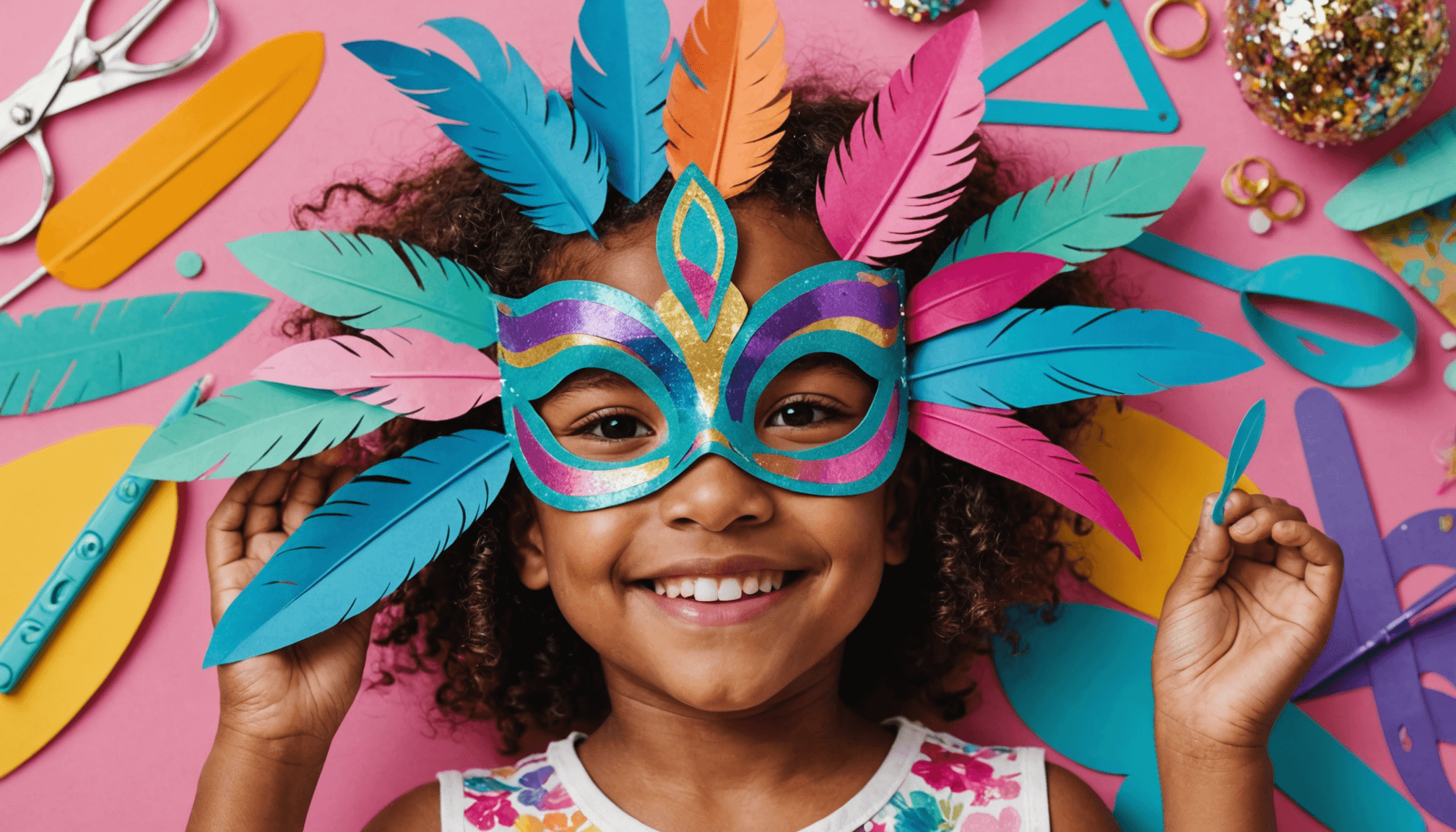
- Consider projects like making paper masks, decorating picture frames, or DIY friendship bracelets. These projects are simple and encourage creativity while being enjoyable for both kids and adults.
- How can I organize a family crafting session effectively?
- Gather supplies ahead of time and choose projects that cater to different ages and skill levels. Create a welcoming environment where everyone can contribute ideas and work together on DIY projects, fostering collaboration and creativity.
- Are there any budget-friendly craft supplies I should always have on hand?
- Basic supplies like cardstock, glue, scissors, and paints are essential for a variety of projects. Additionally, items like washi tape, beads, or fabric scraps can add a creative touch without breaking the bank.
- What are some eco-friendly crafting ideas?
- Upcycling materials like old boxes, bottles, or fabric can create unique crafts while reducing waste. Projects such as making planter pots from old containers or crafting ornaments from recycled paper are fantastic starting points.
- How can I inspire my kids’ creativity during crafting?
- Encourage experimentation by providing a variety of materials and allowing freedom in their designs. Celebrate their unique creations and offer positive feedback to foster their confidence and artistic expression.
